


The White Yorkie has become one of the most fascinating variations of the Yorkshire Terrier. Dog lovers often stop and stare when they see this tiny dog with a striking white coat. Many people assume that a white Yorkshire Terrier must be a different breed or an albino dog. In reality, genetics explains this unique appearance.
Breeders produce most white-colored Yorkshire Terriers through the Parti Yorkie gene, which creates distinctive white coat patterns mixed with black, tan, chocolate, or blue. As interest in rare color Yorkshire Terriers grows, more potential owners want to understand the genetics, care needs, and temperament of these beautiful dogs.
This guide explains everything you should know about the White Yorkie, including coat genetics, health considerations, grooming routines, and training strategies.
What Exactly is a White Yorkie?
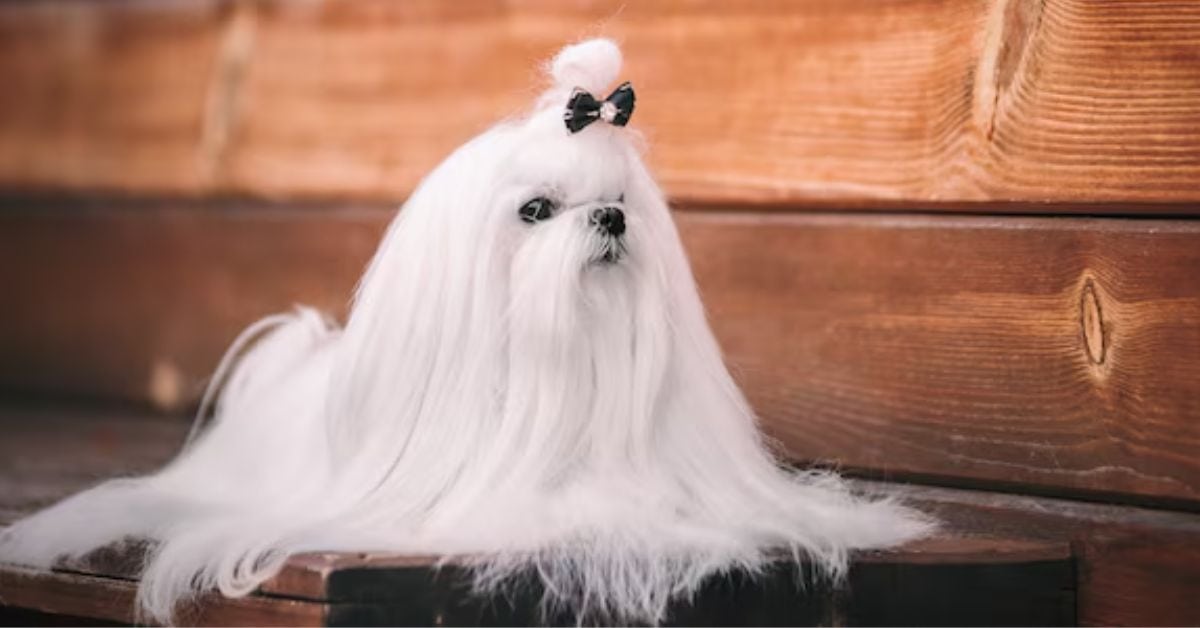
A White Yorkie refers to a Yorkshire Terrier that displays a large amount of white fur due to genetic coat variations. These dogs usually fall into the Parti Yorkie category, which means they inherit a recessive gene that produces white areas in the coat.
Unlike the traditional steel-blue-and-tan Yorkshire Terrier, White Yorkies feature unique color combinations that make them stand out.
Distinguishing Between White Yorkies, Albino, and Parti Patterns
Many people confuse these coat variations, but they differ genetically and visually.
| Coat Type | Genetic Cause | Appearance | Eye Color |
| White Yorkie | Piebald gene | White with colored patches | Dark |
| Parti Yorkie | Recessive coat gene | White mixed with tan/black | Dark |
| Albino Yorkie | Lack of melanin | Pure white coat | Pink or very light |
Albino Yorkies remain extremely rare and usually show light eyes, pink skin, and strong light sensitivity.
Why the White Yorkie Coat is Gaining Global Popularity
Several trends have increased the popularity of White Yorkies:
- Social media exposure of rare dog breeds
- Increased interest in hypoallergenic white dogs
- Rising demand for unique companion pets
- Expansion of Parti Yorkie breeding programs
Because of these factors, searches for White Yorkie puppy price and Parti Yorkie breeders have increased significantly.
The Science Behind the White Yorkie Coat
The White Yorkie coat results from coat color genetics, specifically the piebald gene.
This gene controls pigment distribution across the dog’s fur. When a puppy inherits two copies of this recessive gene, the coat develops large white sections where pigment does not appear.
How the Recessive Piebald Gene Produces White Yorkies
Both parents must carry the gene for a White Yorkie to appear in a litter. Even when parents look like traditional Yorkies, they may still carry the hidden gene.
Breeders often see these coat patterns in White Yorkies:
- High White Parti
- Tuxedo Yorkie
- Extreme Piebald
Each pattern depends on how much pigment the gene suppresses during coat development.
Historical Timeline|From Traditional Roots to the White Yorkie Evolution
Yorkshire Terriers originally developed in England during the 19th century as working dogs that hunted rodents in textile mills. Over time, breeders refined their appearance and temperament for companion living.
The discovery of recessive coat genes later revealed that Yorkshire Terriers could produce Parti-colored puppies, which eventually led to the popularity of White Yorkies.
Specialized Care for Your White Yorkie
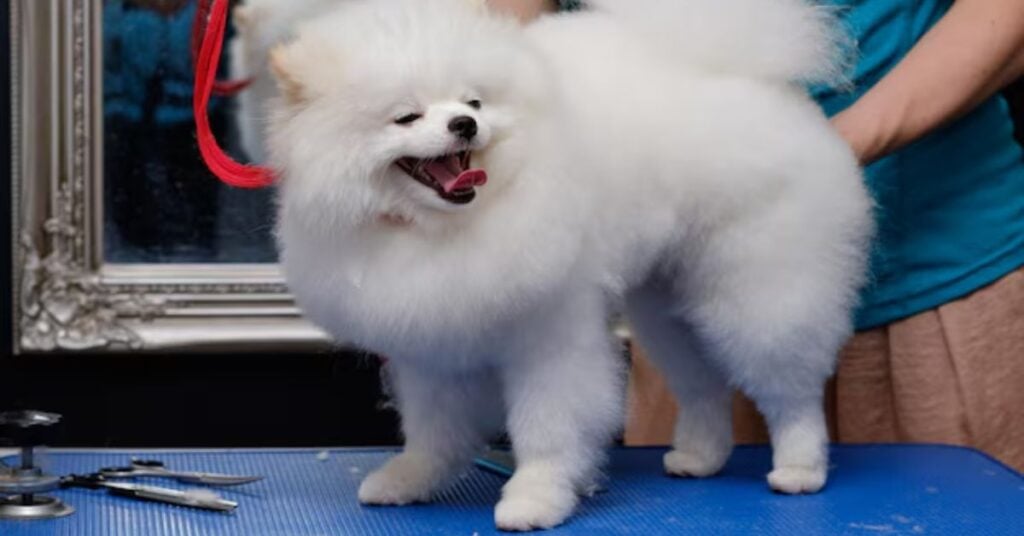
White Yorkies require slightly different care routines because lighter coats reveal stains and skin issues more easily.
Owners should focus on skin health, coat cleanliness, and proper nutrition.
Managing Skin Sensitivity in White Yorkie Puppies
Light-colored dogs often have more sensitive skin. Owners should protect their dogs by:
- Using gentle grooming products
- Avoiding harsh shampoos
- Keeping the coat clean and dry
- Limiting long exposure to strong sunlight
These steps help prevent irritation and maintain healthy skin.
Essential Nutrition Plans for a Healthy White Yorkie Coat
Diet strongly influences coat brightness and skin health. A balanced diet should include:
- High-quality protein sources
- Omega-3 fatty acids
- Vitamins that support skin repair
- Minerals that strengthen coat structure
Many veterinarians recommend fish-based diets because omega oils support healthy coats.
Common Genetic Conditions in White Yorkies
White Yorkies share most health risks with standard Yorkshire Terriers, including:
- Patellar luxation
- Dental crowding
- Hypoglycemia in puppies
- Tracheal collapse
Responsible breeders perform health testing to reduce these risks.
Training Your White Yorkie for Success
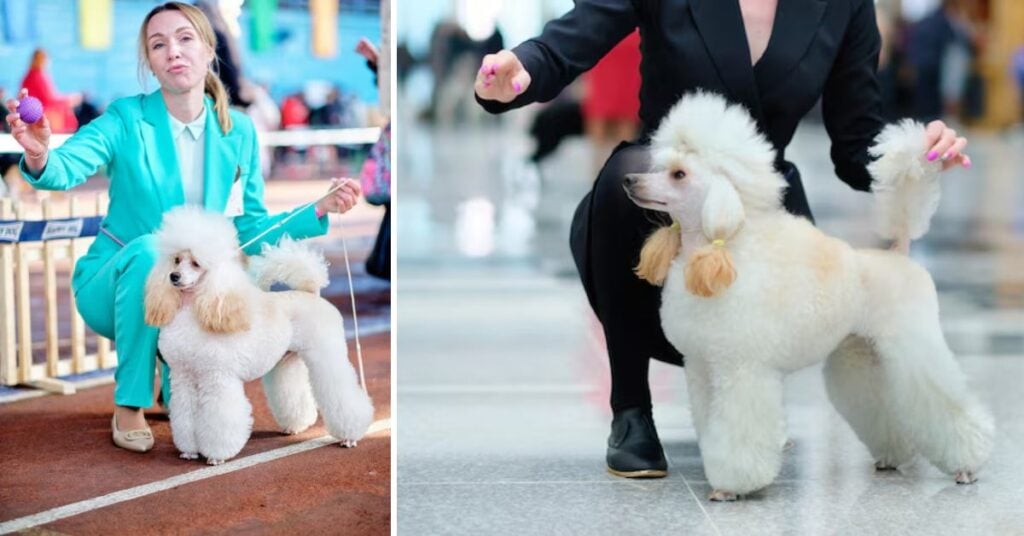
Despite their tiny size, White Yorkies have strong personalities and impressive intelligence.
Proper training helps them become well-behaved companions.
Socializing Your White Yorkie Puppy Early
Early socialization plays a major role in shaping a Yorkie’s temperament. Introduce your puppy to:
- Different people
- New environments
- Other pets
- Everyday household sounds
These experiences help build confidence and reduce fear-based behaviors.
Solving Common Behavioral Issues in White Yorkies
Small dogs sometimes develop behavioral problems if owners treat them too gently.
Common issues include:
- Excessive barking
- Separation anxiety
- Stubborn training responses
Owners should use consistent training routines and positive reinforcement to correct these behaviors.
Case Study| Correcting Tear Staining in White Yorkies
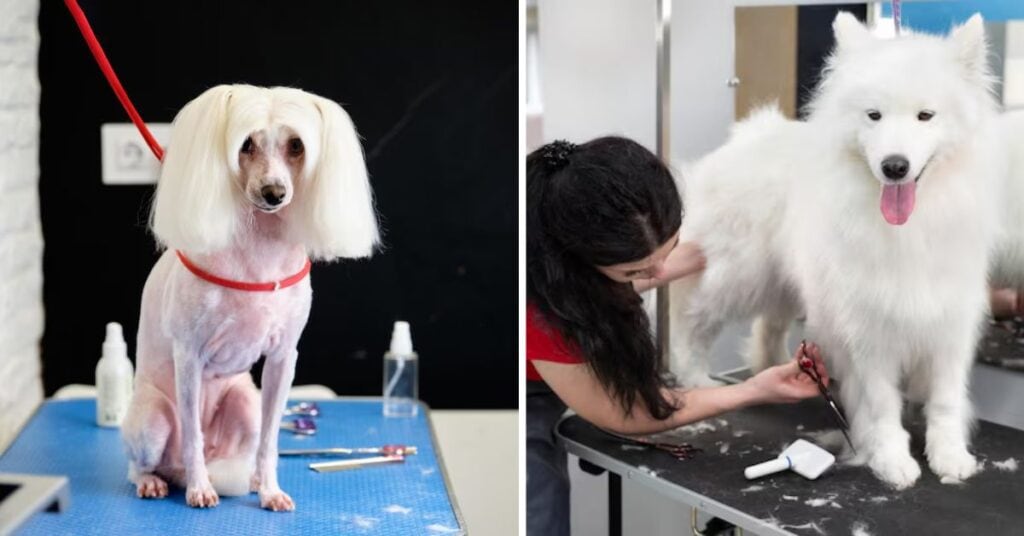
Tear staining often appears more noticeable on white coats. Many owners struggle with brown or reddish stains around their dog’s eyes.
During a four-week care trial, we tested three solutions:
- Filtered drinking water
- A high-quality grain-free diet
- Daily eye cleaning
The results showed steady improvement over the testing period.
| Week | Tear Stain Condition |
| Week 1 | Heavy staining |
| Week 2 | Moderate staining |
| Week 3 | Visible improvement |
| Week 4 | Minimal staining |
This case study shows that diet quality and daily hygiene significantly reduce tear staining.
The Breeder’s Ethics Checklist
Because White Yorkies attract attention as a rare breed, unethical breeders sometimes exploit the demand.
Before purchasing a puppy, always check:
- Health testing documentation
- Veterinary records
- Breeding environment cleanliness
- Parent dog history
- Breeder transparency
Responsible breeders always prioritize health over rare coat colors.
(FAQs)
Are White Yorkies rare?
Yes. The gene responsible for white coat patterns appears less frequently than traditional Yorkie coloration.
What is the average White Yorkie puppy price?
Most White Yorkie puppies cost between $2,000 and $5,000, depending on lineage and breeder reputation.
Are White Yorkies hypoallergenic?
Yorkshire Terriers shed very little, which means many allergy sufferers tolerate them better than heavy-shedding breeds.
Do White Yorkies need special grooming?
Yes. Their white coats require frequent cleaning to prevent tear stains and maintain brightness.
Are White Yorkies purebred?
Many White Yorkies are purebred Yorkshire Terriers with the Parti gene, although some mixed lines also exist.
Conclusion
The White Yorkie represents one of the most unique and visually striking variations of the Yorkshire Terrier. Genetics, particularly the recessive piebald gene, creates the distinctive white coat that many dog lovers admire.
While these dogs share the same affectionate personality as traditional Yorkies, they require extra attention to grooming, nutrition, and skin care. Owners who understand these needs can help their White Yorkie live a healthy and vibrant life.
With proper training, responsible breeding, and attentive care, the White Yorkie becomes a loyal companion that brings both charm and elegance to any home.