

Introduction
The Perros Pomerania Dog Complete Care Guide for Beginners explains everything about caring for the Perros Pomerania dog in a simple, healthy, and easy way for new owners.
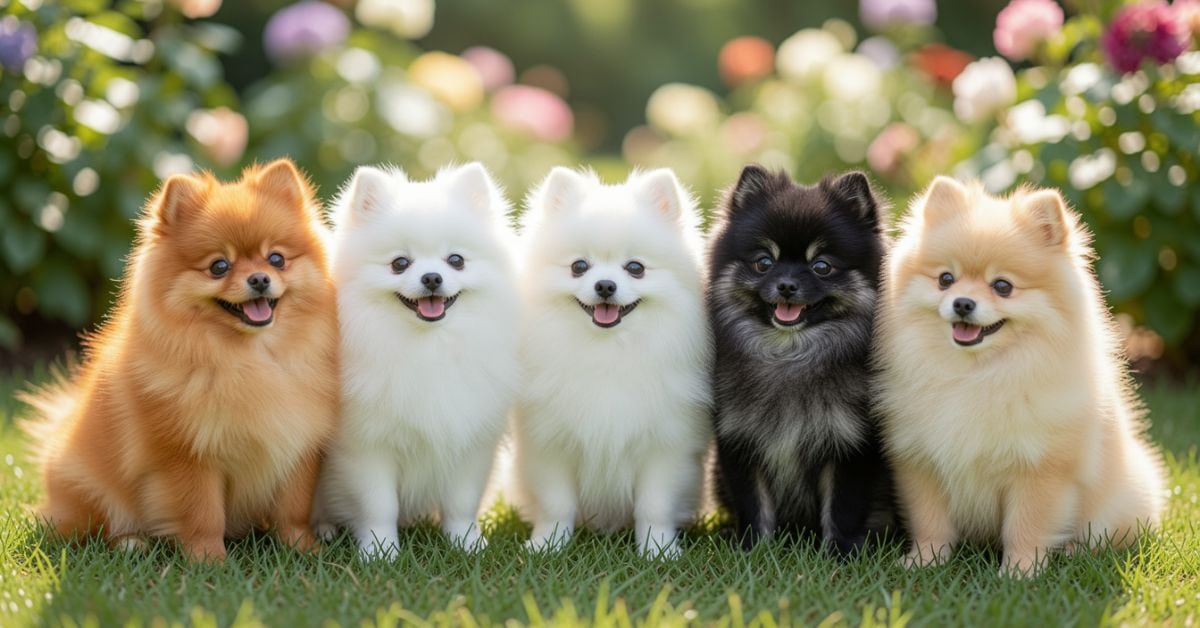
Many families choose the Perro de Pomerania dog because it fits well in apartments and small homes. It does not need a large space, but it needs love, care, and attention.
This dog shows a very strong personality, despite its very small size. It acts bravely, alert, and confident. It follows its owner everywhere and enjoys being part of daily activities.
The Perro de Pomerania dog builds a deep emotional bond with its family. It does not like staying alone for long hours.
Owners love this breed because it brings happiness and energy into the home. It plays actively and reacts quickly to sounds. This makes it a good small watchdog, too. However, it needs proper training to control barking habits.
The Perro de Pomerania dog also learns commands quickly when owners use rewards and gentle behavior.
It does not respond well to strict or harsh training. It needs patience and consistency.
Overall, this breed works well for beginners and experienced dog owners. It offers love, loyalty, and companionship in a very small and cute body.
Perros Pomerania Dog History and Origin

The Perro de Pomerania dog comes from the old Spitz family. It originated from the Pomerania region in Europe. In the beginning, this breed was much larger and worked as a sled dog in cold-weather areas. It helped humans carry loads and survive harsh conditions.
Over time, breeders focused on reducing its size. They selected smaller dogs for breeding until they created the small version we know today. This change transformed the Perro de Pomerania dog from a working dog into a companion pet.
Royal families played a big role in its popularity. Queen Victoria of England loved this breed. She kept small Pomeranians and showed them in public events. After that, many people across Europe and America started to adopt this dog.
The Perro de Pomerania dog became famous because of its beauty and charm. It moved from farms and cold regions into luxury homes and cities. Today, it remains one of the most popular toy breeds in the world.
Its history explains why it still shows strong energy, alertness, and confidence. Even though it looks tiny, it carries the spirit of a working dog inside its behavior.
Perros Pomerania Dog Appearance and Colors
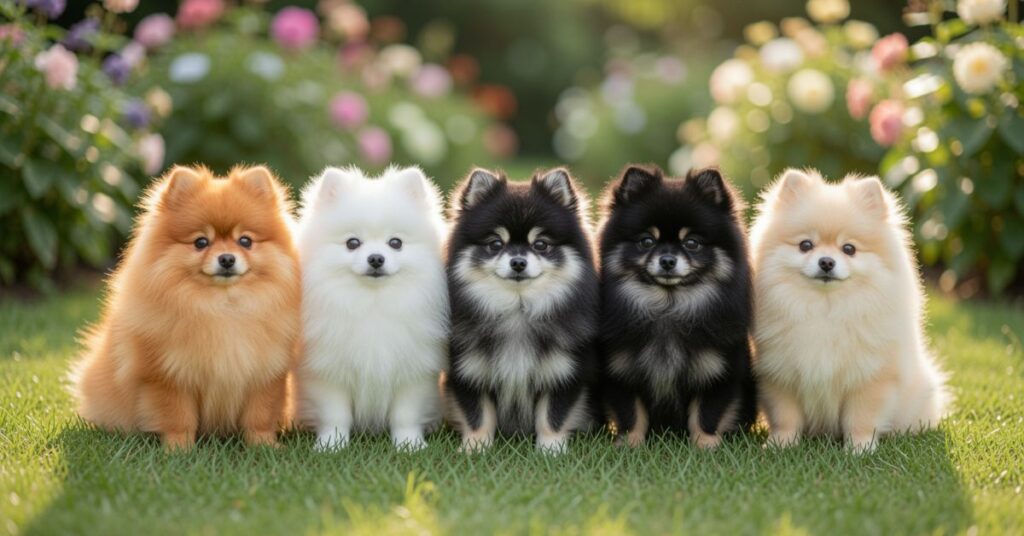
The Perro de Pomerania dog has a very attractive appearance. It looks like a small fluffy ball with a fox-like face. Most dogs in this breed weigh between 1.5 kg and 3.5 kg. Their small size makes them easy to carry and manage.
This breed has a thick double coat. The inner layer keeps it warm, while the outer layer gives it a fluffy look. This coat needs regular brushing because it can easily tangle.
The face of the Perro de Pomerania dog looks sharp and cute at the same time. It has small pointed ears, round eyes, and a short muzzle. The tail curls over the back and adds to its beauty.
Common colors of the Perro de Pomerania dog
- Orange and red shades
- Pure black
- White and cream
- Brown and chocolate
- Mixed and rare colors
The coat color may change slightly as the puppy grows. Many puppies look lighter at birth but develop richer colors later.
The Perro de Pomerania dog always attracts attention in public places because of its teddy bear appearance. People often stop and admire it.
Perros Pomerania Dog Personality Traits
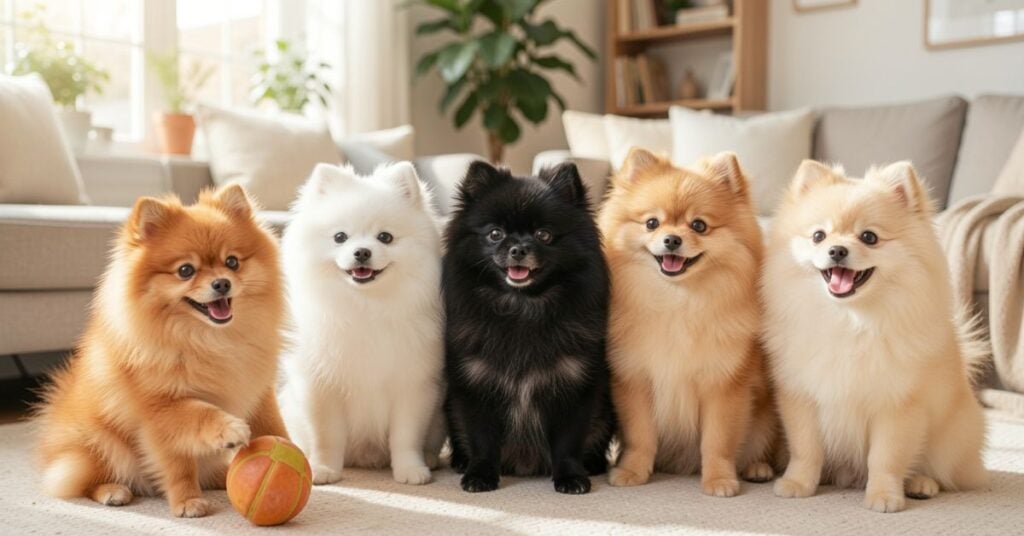
The Perro de Pomerania dog shows a bold and lively personality. It behaves like a big dog trapped in a small body. It loves attention and stays close to its owner most of the time.
This breed reacts quickly to sounds and movement. It always stays alert and watches its surroundings. This makes it a good small guard dog.
The Perro de Pomerania dog enjoys playing games and learning tricks. It stays active and curious throughout the day. It also enjoys meeting new people, but may bark at strangers in the beginning.
Personality traits of the Perro de Pomerania dog
- Highly energetic and playful
- Very loyal and attached
- Intelligent and quick learner
- Sometimes stubborn
- Emotionally sensitive
This dog does not like loneliness. If owners leave it alone for long hours, it may feel stressed and bark excessively. It needs daily interaction and mental stimulation.
When treated with love and care, the Perro de Pomerania dog becomes a very friendly and affectionate companion.
Perros Pomerania Dog Care and Grooming

The Perro de Pomerania dog needs regular grooming because of its thick coat. Owners must brush their fur several times a week. This removes loose hair and prevents tangles.
Bathing should be limited to once every 3–4 weeks. Too many baths can dry the skin. Owners must use mild dog shampoo to protect their coat.
Grooming care steps
- Brush coat 3–4 times weekly
- Clean your ears gently to avoid infection
- Trim nails every 2–3 weeks
- Clean eyes to remove dirt
- Brush teeth regularly
The Pomeranian dog sheds hair, especially during seasonal changes. Regular brushing helps control shedding inside the house.
Grooming also improves the bond between owner and dog. The dog enjoys gentle brushing when owners stay calm and patient.
Proper grooming keeps the Perro de Pomerania dog healthy, clean, and beautiful every day.
Perros Pomerania Dog Feeding Guide
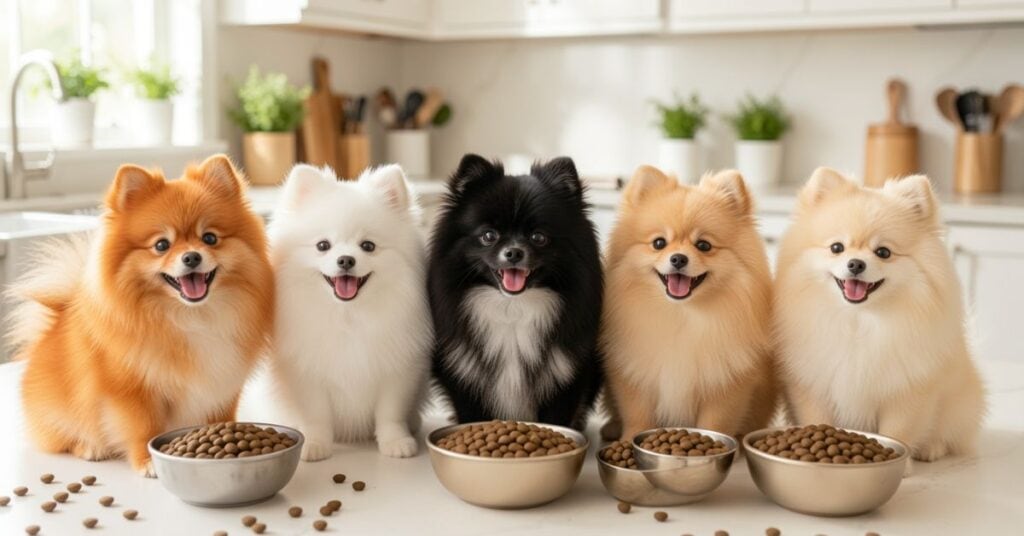
The Perro de Pomerania dog needs a balanced diet for strong health. It eats small portions because of its tiny body. Overfeeding can cause obesity, so portion control remains very important.
Owners should give high-quality dog food rich in protein. Puppies need more frequent meals than adult dogs.
Feeding tips
- Feed small meals 2–3 times daily
- Use protein-rich dog food
- Avoid chocolate, onions, and junk food
- Provide fresh water all the time
- Add vegetables in small amounts
A healthy diet improves coat shine, energy level, and the immune system. It also supports bone development and overall growth.
The Perro de Pomerania dog enjoys eating, but owners must control portions to maintain a healthy weight.
Perros Pomerania Dog Training Tips
The Perro de Pomerania dog learns quickly when owners use positive training methods. It responds well to treats, praise, and gentle guidance.
Early training helps control barking and improve behavior.
Training tips
- Start training at an early age
- Use reward-based learning
- Keep sessions short and fun
- Repeat commands daily
- Avoid punishment or shouting
This breed can learn basic commands like sit, stay, and come. Social training also helps it behave well with other pets and people.
Training improves discipline and reduces unwanted habits. It also builds a strong connection between dog and owner.
Perros Pomerania Dog Health Problems

The Perro de Pomerania dog stays healthy with proper care, but may face some common health issues.
Common health problems
- Dental issues due to a small mouth
- Knee joint problems
- Eye infections
- Skin allergies
- Breathing issues in some cases
Regular vet checkups help detect problems early. Proper diet and exercise also support good health.
Owners must maintain hygiene and avoid obesity to prevent many health risks.
Perros Pomerania Dog Price and Buying Guide
The Pomeranian dog price depends on quality, breeder, and location. Show-quality dogs cost more than pet-quality dogs.
Price overview
| Type | Price Level |
| Pet quality | Medium |
| Show quality | High |
| Imported breed | Very high |
Buyers must always choose a trusted breeder. They should check health records and vaccination history before buying.
A healthy puppy grows into a strong and happy adult dog.
Perros Pomerania Dog Exercise Needs
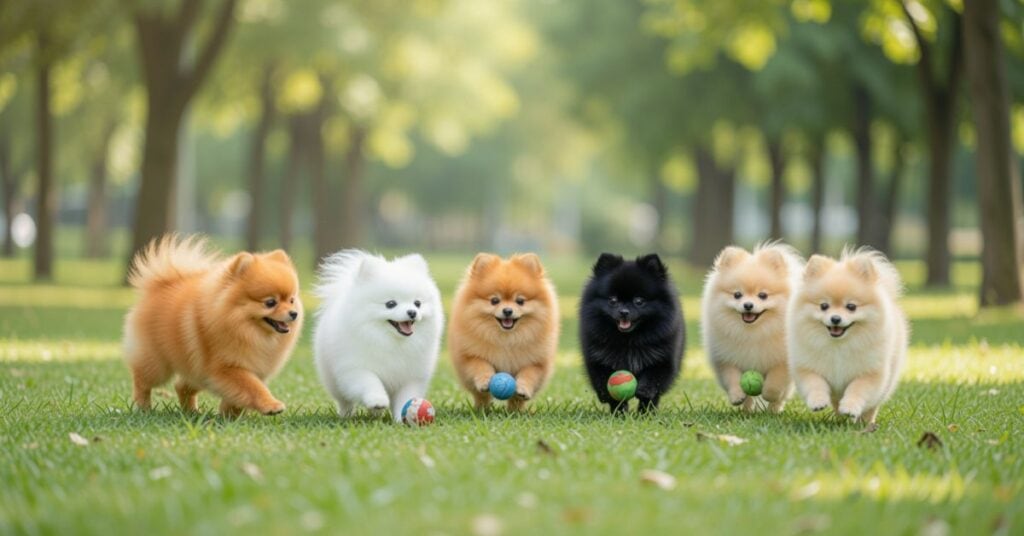
The Perro de Pomerania dog needs light daily exercise. It does not require heavy physical activity.
Exercise tips
- 20–30 minutes walk daily
- Indoor play sessions
- Light games with toys
- Mental stimulation activities
Exercise keeps the dog fit, active, and mentally healthy. It also reduces boredom and barking.
Perros Pomerania Dog Living Environment
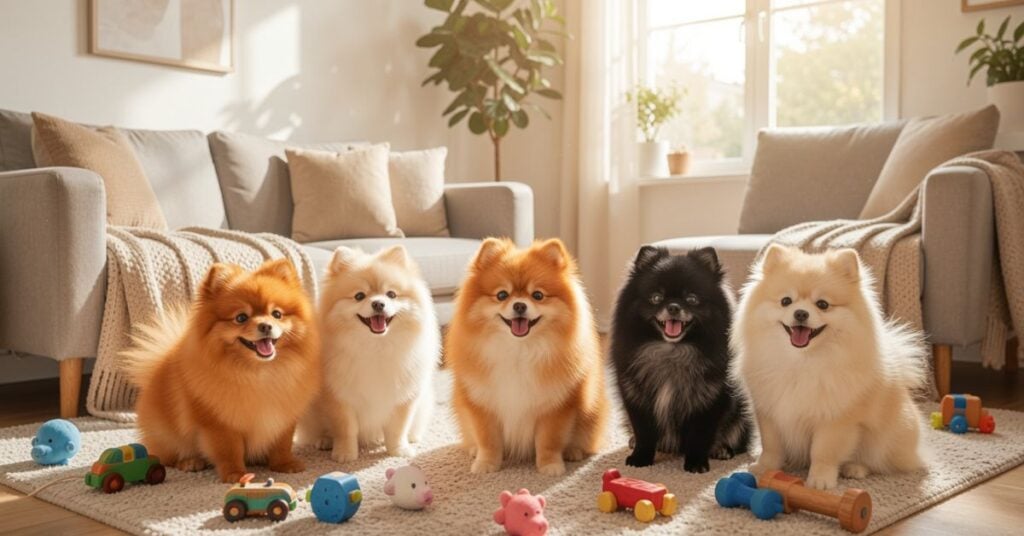
The Perro de Pomerania dog adapts very well to indoor living and does not require a large outdoor space.
This small breed feels comfortable inside homes, apartments, and even small rooms, as long as the owner provides a safe and clean environment.
Because of its tiny size, it can move easily around furniture and does not need a big yard to stay active. However, the owner must still create a balanced indoor environment that supports both physical and mental health.
The owner should always maintain a comfortable home temperature for the Pomeranian dog. This breed has a thick coat, but it cannot handle extreme heat or very cold weather. High temperatures can cause overheating, while cold air can make the dog uncomfortable. A stable indoor temperature keeps the dog relaxed and healthy throughout the day.
life. It does not need a large outdoor space.
Environment tips
- Keep the home temperature comfortable
- Provide a soft sleeping bed
- Create a safe play area
- Avoid extreme weather exposure
This breed feels happiest when it stays close to its owner.
Final Thoughts
The Pomeranian dog makes a wonderful companion for people who want a small, fluffy, and loving pet. This breed brings joy, energy, and affection into any home.
It stays loyal to its owner and builds a strong emotional bond very quickly.
You must give proper care to the Pomeranian dog if you want it to live a healthy and happy life. Regular grooming keeps its coat clean and beautiful.
A balanced diet supports its growth and energy. Daily exercise helps it stay active and prevents health problems.
You should also focus on training from an early age. This helps control barking and builds good behavior. Positive training methods work best for this intelligent breed. It learns fast when you use rewards and kindness.
FAQs
1. How long does a Perro de Pomerania dog live?
It lives around 12 to 16 years.
2. Does it bark a lot?
Yes, but training reduces barking.
3. Is it good for beginners?
Yes, it suits first-time dog owners.
4. Does it need grooming?
Yes, it needs regular brushing.
5. Can it live in apartments?
Yes, it adapts very well.
6. What food does it eat?
It eats high-quality dog food in small portions.
7. Does it like being alone?
No, it prefers company and attention.