
Introduction
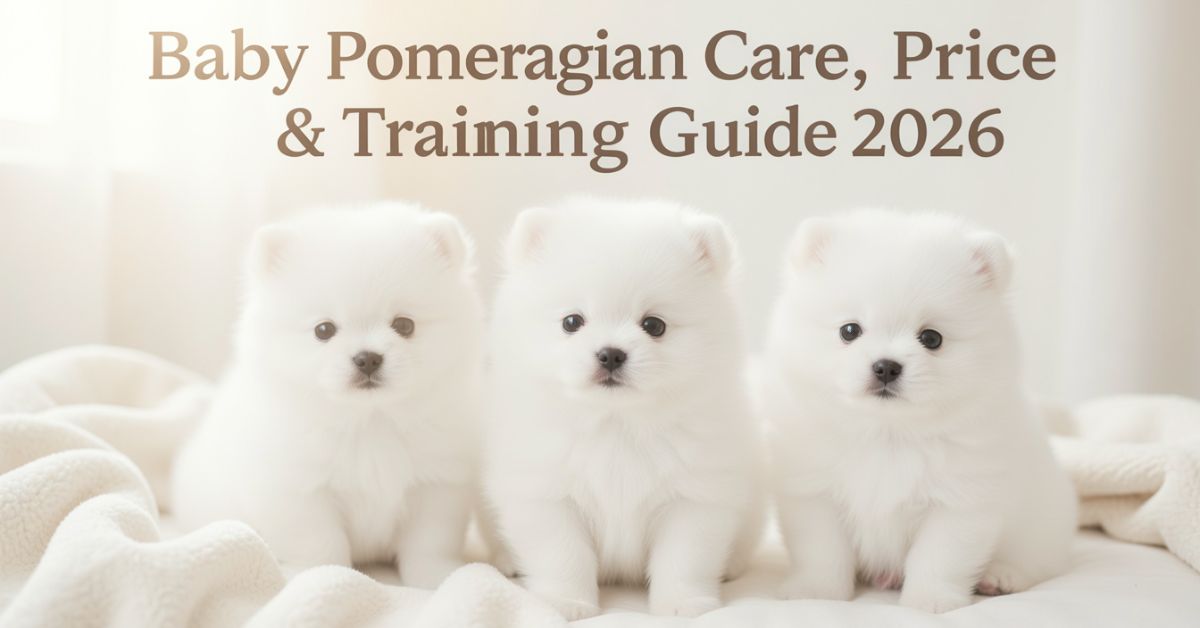
A baby Pomeranian looks cute, fluffy, and full of energy. This tiny dog quickly wins hearts with its soft coat and playful nature. Many people choose a baby Pomeranian because it fits easily into small homes and apartments. It does not need a large space, but it always needs love and attention.
This small dog shows a big personality. A baby Pomeranian stays active, alert, and curious throughout the day. It enjoys playing, running, and exploring its surroundings. At the same time, it builds a strong bond with its owner and loves to stay close.
New pet owners often choose a baby pomeranian because it is easy to manage. With proper care, training, and feeding, this dog grows into a healthy and happy companion. It also responds well to basic training when you start early.
A baby Pomeranian also acts as a small watchdog. It reacts quickly to new sounds and alerts its owner through barking. This behavior shows its alert and protective nature despite its tiny size.
Baby Pomeranian | Complete Overview and Traits
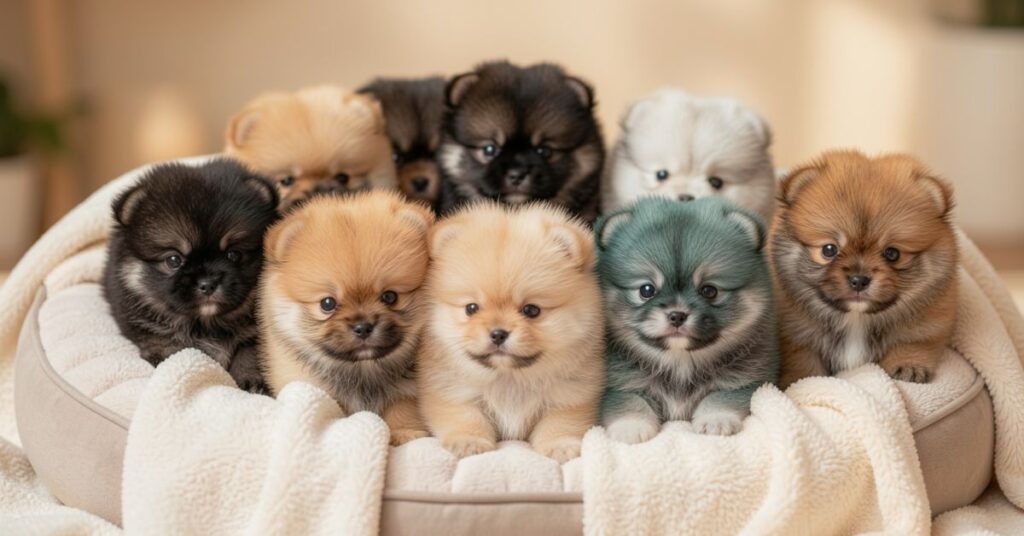
A baby Pomeranian looks extremely cute, fluffy, and tiny. People love this dog because it behaves like a small teddy bear. It belongs to the toy dog family, and it stays very small even after growing up. A usually weighs very little, but it shows a big personality and energy.
A baby Pomeranian shows strong confidence from an early age. It loves attention and enjoys staying close to its owner. This dog acts very playful and curious. It explores everything around it and reacts quickly to sounds and movements.
Many owners choose it because it adapts easily to small homes and apartments. It does not need a large yard. It only needs love, care, and proper attention
This dog also shows strong loyalty. A baby Pomeranian forms a close bond with its owner and shows strong attachment. It often follows the owner from room to room to stay near. This small dog does not like staying alone for long periods.
Key Traits
- Very small size with a fluffy coat
- Highly active and playful nature
- Strong bonding with the owner
- Intelligent and quick learner
- Alert and protective behavior
A baby Pomeranian also communicates a lot through barking. It tries to alert its owner when it hears unusual sounds. This makes it a good small watchdog.
Owners should understand that this dog needs early social interaction. It behaves better when it meets people and other pets at a young age. Without social training, it may become a little shy or overly protective.
A also shows emotional behavior. It can feel happy, excited, or even lonely easily. So, owners must spend quality time with it every day.
Overall, this small dog brings joy, energy, and companionship into any home. It fits well in families, singles, and even elderly owners who want a loving pet.
Baby Pomeranian Care Guide
A baby Pomeranian needs proper care to grow healthy and active. This small dog depends fully on its owner for comfort, food, and safety. Good care improves its lifespan and behavior.
You should always provide a safe and clean environment for a baby. This dog has a small body, so it gets affected easily by cold, heat, and dirty places. Keep its sleeping area warm and soft.
You should also handle this dog gently. A has delicate bones. Rough handling can cause injuries. Always support its body while lifting.
Social care also plays an important role. This dog needs attention daily. If you ignore it, it may develop anxiety or barking habits.
Daily Care Tips:
- Provide clean water at all times
- Keep the sleeping area warm and dry
- Give short play sessions daily
- Avoid long isolation
- Check coat for dirt and tangles
You should also take your baby outside for short walks. This helps improve its behavior and energy level. But avoid extreme weather conditions.
Health care also matters. Regular vet checkups help detect problems early. Vaccination also protects your dog from serious diseases.
A also needs emotional care. You should talk to it and give affection. This builds trust and improves bonding.
When you care for it properly, this small dog becomes very loyal and friendly. It responds better to training and behaves calmly at home.
Baby Pomeranian Feeding and Nutrition
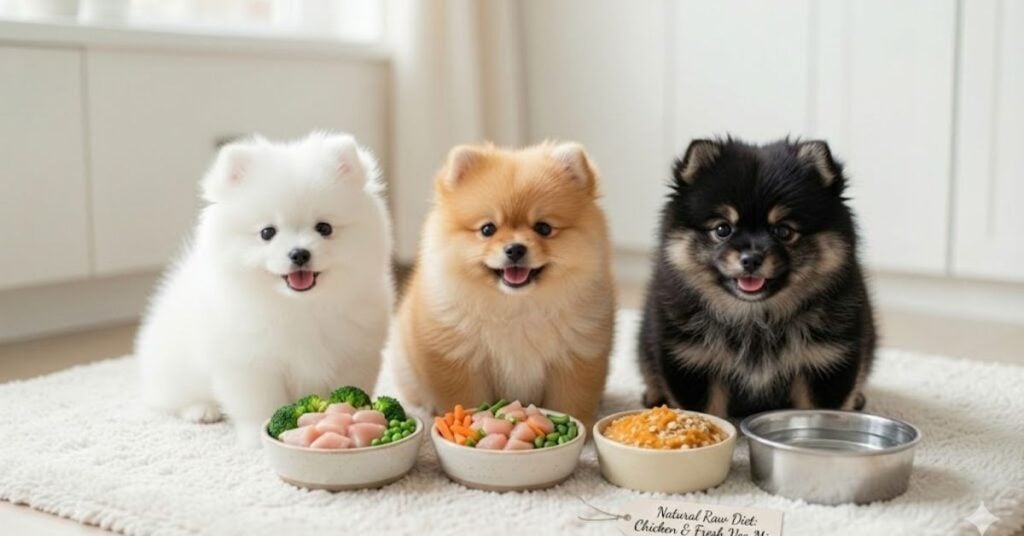
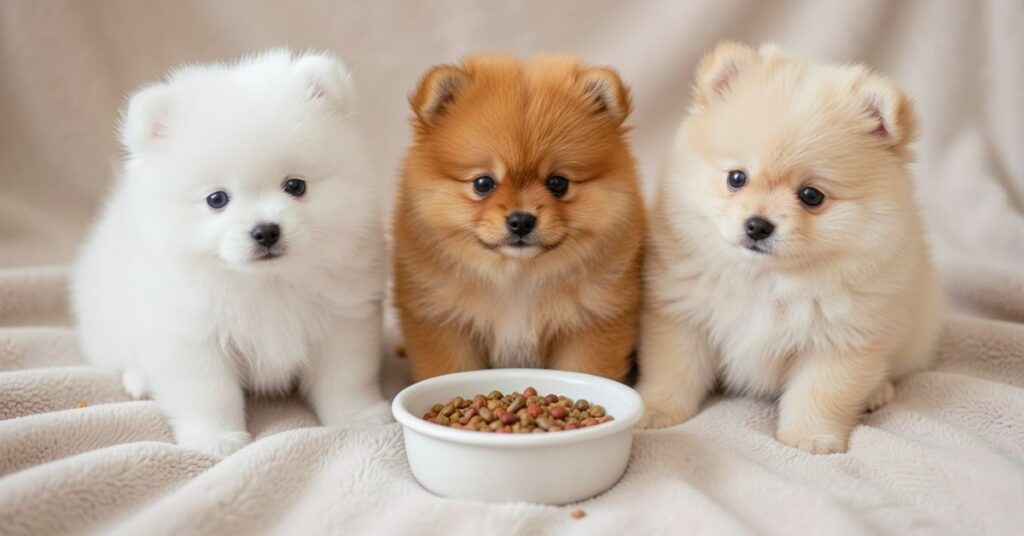
A baby Pomeranian needs a balanced diet to stay healthy. Good food supports its growth, energy, and shiny coat. Because this dog is small, it eats small portions but needs nutrient-rich food.
You should feed high-quality dog food that contains protein, vitamins, and healthy fats. Avoid cheap food with low nutrition because it affects growth.
A also needs to be fed in small meals throughout the day. Do not overfeed because this breed can gain weight easily.
Feeding Schedule Table:
| Age | Meals per Day | Food Type |
| 2–3 months | 4 meals | Soft puppy food |
| 3–6 months | 3 meals | Puppy kibble + wet food |
| 6–12 months | 2–3 meals | Balanced dry food |
| 1 year+ | 2 meals | Adult dog food |
Important Food Tips:
- Give high-protein food
- Add small portions of vegetables
- Avoid chocolate and junk food
- Provide fresh water daily
- Avoid overfeeding treats
A baby Pomeranian also needs healthy snacks. You can give small dog biscuits or boiled chicken pieces.
Do not feed spicy or oily food. It damages digestion and causes health issues. Always check ingredients before giving any food.
Good nutrition helps you stay active and grow a strong body. It also improves coat shine and energy level.
Baby Pomeranian Training Tips
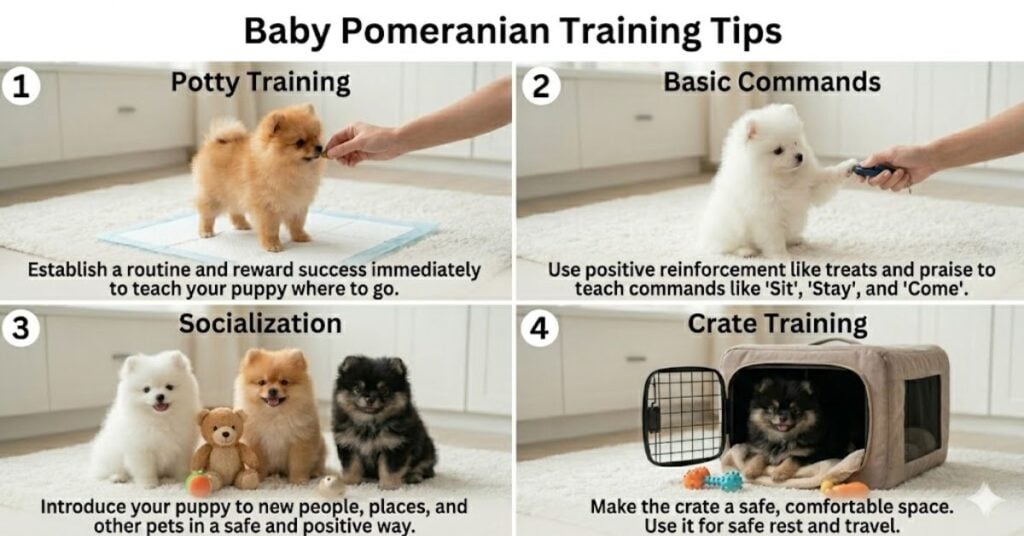
Training a baby Pomeranian helps you control its behavior and improve obedience. This dog learns quickly but sometimes shows stubborn behavior.
You should start training at an early age. A responds well when you use positive reinforcement. Reward-based training works best.
Keep training sessions short. This dog gets bored easily, so long sessions reduce focus.
Training Tips:
- Use treats as rewards
- Speak in a calm voice
- Train daily for 10–15 minutes
- Teach basic commands first
- Stay consistent with the rules
A learns commands like sit, stay, and come very quickly. You should repeat commands regularly to strengthen learning.
House training is also important. You should set a fixed toilet area. Take your dog to the same spot every time.
Avoid harsh punishment. It creates fear and reduces trust. Instead, correct behavior gently.
Social training also matters. A baby Pomeranian should meet people and other pets early. This prevents aggression and fear.
When you train it properly, this dog becomes well-behaved and friendly. It listens better and adjusts easily to home life.
Baby Pomeranian Health Issues
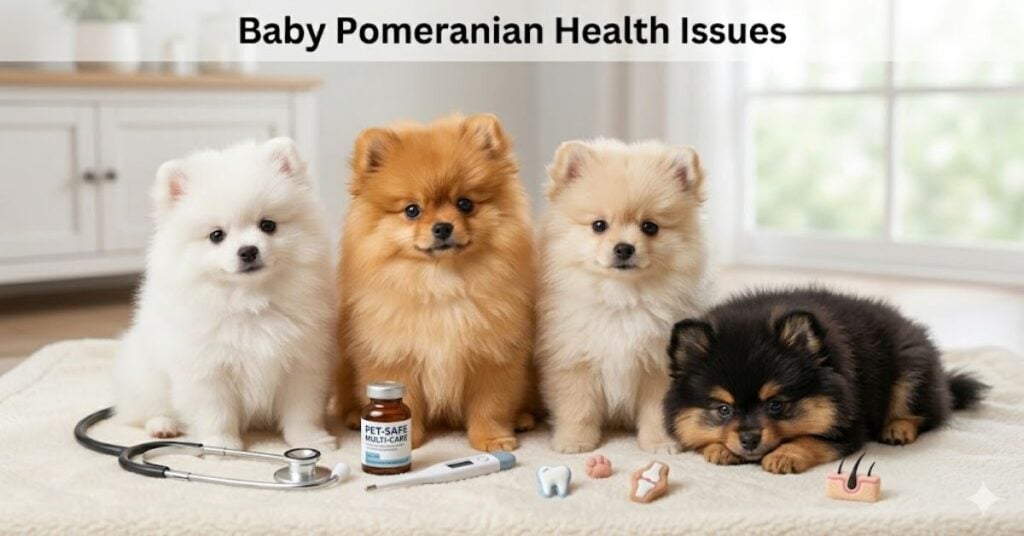
A Pomeranian stays healthy when you take proper care, but it can face some common health problems. Early attention helps prevent serious issues.
This dog may suffer from dental problems. Small breeds often face tooth issues, so regular cleaning helps.
A baby can also face joint problems. Its small bones need protection from injury.
Common Health Issues:
- Dental disease
- Weak joints
- Hair loss or skin allergies
- Low blood sugar
- Breathing issues in extreme heat
You should take your baby pomeranian to a vet for regular checkups. Vaccinations also protect it from infections.
Exercise also improves health. Short walks and indoor play keep it active.
Avoid extreme temperatures. This dog reacts quickly to heat and cold.
If you notice unusual behavior like loss of appetite or weakness, consult a vet immediately.
Good care and early treatment keep your baby healthy for a long time.
Baby Pomeranian Price and Buying Guide
The price of a baby Pomeranian depends on location, breeder quality, and coat color. This dog often costs more because of its popularity and appearance.
Price Table:
| Quality Type | Price Range |
| Low quality | $300 – $600 |
| Medium quality | $600 – $1200 |
| High quality | $1200 – $3000+ |
A Pomeranian with a rare color or a strong pedigree costs more.
Buying Tips:
- Choose a trusted breeder
- Check puppy health records
- Observe behavior before buying
- Avoid very cheap offers
- Ask about vaccination history
A Pomeranian should look active and healthy. Avoid puppies that look weak or inactive.
You should also check the living conditions of the breeder. Clean and safe environments show good breeding practices.
Always adopt responsibly. A healthy puppy gives long-term happiness.
Baby Pomeranian Grooming and Maintenance
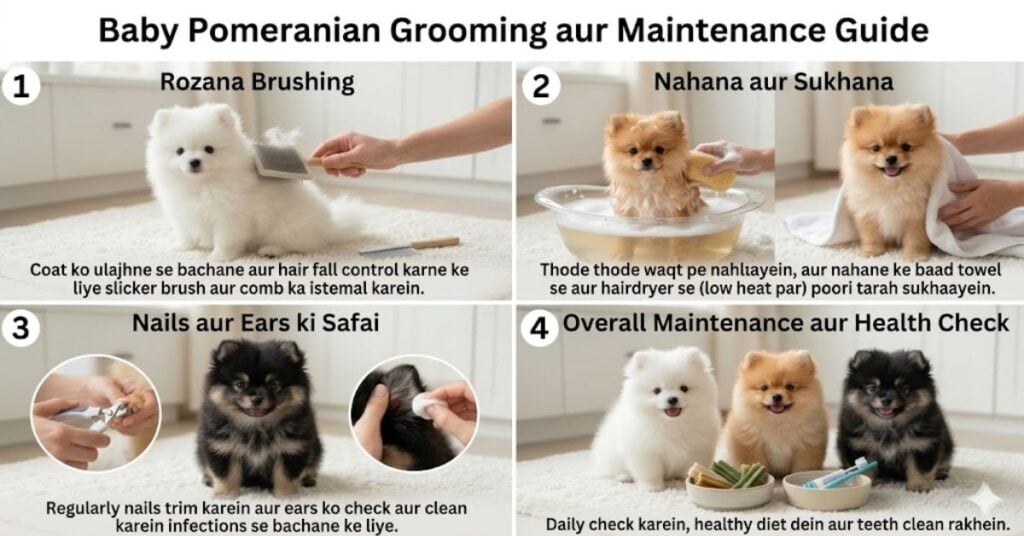
A baby Pomeranian has a thick, fluffy coat that needs regular grooming. Proper grooming keeps it clean and beautiful.
You should brush its coat at least 3–4 times per week. This removes tangles and dirt.
Grooming Tips:
- Brush coat regularly
- Bathe once every 2–3 weeks
- Trim nails carefully
- Clean ears weekly
- Use dog-safe shampoo
A baby Pomeranian also sheds hair. Regular brushing reduces shedding.
You should also clean its eyes gently. This prevents dirt buildup.
Professional grooming, once in a while, also helps maintain coat quality.
Good grooming improves appearance and health. It also strengthens your bond with your dog.
FAQs
1. How long does a baby Pomeranian stay small?
A baby Pomeranian grows quickly but stays small in size even after adulthood.
2. Is a baby Pomeranian easy to train?
Yes, it learns quickly with positive reinforcement and short training sessions.
3. What does a baby Pomeranian eat?
It eats puppy food, dry kibble, soft meals, and a protein-rich diet.
4. Does a baby Pomeranian bark a lot?
Yes, it barks to alert and communicate, but training reduces excessive barking.
5. How long does a baby Pomeranian live?
It usually lives 12–16 years with proper care.
6. Is a baby Pomeranian good for apartments?
Yes, it adapts very well to small homes and apartments.