

Quick Answer
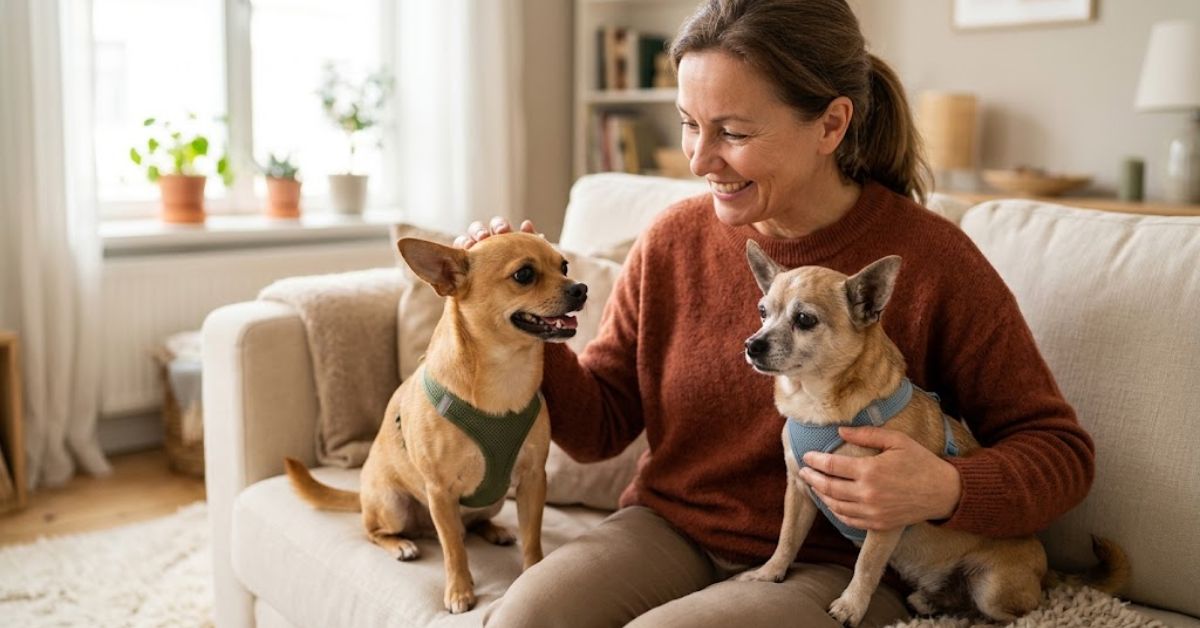
How long can a Chihuahua live? A healthy Chihuahua commonly lives around 14–16 years, while some may reach 17–20 years with good genetics, preventive veterinary care, healthy nutrition, dental care, safe exercise, and proper weight management.
The American Kennel Club lists a 14–16-year life expectancy, while its broader lifespan guide gives Chihuahuas a 15–17-year range.
Author Box
Author: Gulnaz Malik
Role: Publisher & Pet Care Expert
Experience: 5+ Years in Dog Care & Dog Grooming
Content Review: Veterinary-reviewed content approach based on trusted canine care resources and practical pet care experience.
overview
If you are wondering how long a Chihuahua can live, the short answer is that this tiny breed can have a remarkably long lifespan. The American Kennel Club currently lists the Chihuahua’s life expectancy at 14–16 years.
Another AKC lifespan guide places Chihuahuas around 15–17 years, showing why lifespan estimates should be treated as a range rather than an exact prediction.
Some Chihuahuas live beyond these averages. The Chihuahua Club of America notes that the breed often reaches the mid to late teens and that some individuals have been known to live to 20 years.
That does not mean every Chihuahua will reach 20. Genetics, health conditions, nutrition, body condition, dental health, preventive care, environment, and simple accidents can all influence an individual dog’s lifespan.
A useful way to think about Chihuahua longevity is in stages. Puppyhood is a period of rapid growth and development. Adulthood is when maintaining a healthy weight, teeth, muscles, and activity level becomes especially important.
Later life brings greater attention to mobility, heart health, dental disease, cognitive changes, and other age-related concerns.
What Determines a Chihuahua’s Lifespan?
A Chihuahua’s lifespan depends on much more than age or breed averages. Two dogs from the same breed can have very different health histories and therefore very different lifespans.
Genetics play an important role. Responsible breeding can reduce the chance of passing certain inherited problems to puppies. This is one reason prospective owners should ask breeders about health screening and the health history of the parents.
Body condition also matters. A Chihuahua carries very little body weight, so even a small amount of excess fat can represent a meaningful increase in total body mass. Keeping your dog lean and appropriately muscled can make movement easier and reduce unnecessary physical strain.
Nutrition is another major factor. A complete and balanced diet should provide appropriate protein, fats, vitamins, minerals, and energy for the dog’s life stage. Feeding too many treats or table foods can quietly increase calorie intake.
Dental health deserves special attention. Small dogs can develop significant dental problems because their teeth sit close together in a small mouth. Regular home dental care and veterinary dental assessments can help identify problems before they become advanced.
Preventive veterinary care also matters. Routine examinations allow your veterinarian to monitor weight, heart sounds, teeth, joints, eyes, and other areas that can change as your dog ages.
Safety can affect lifespan just as much as disease prevention. A Chihuahua can be injured by falling from furniture, being stepped on, rough play, or an encounter with a much larger dog.
Think of longevity as a combination of genetics + preventive care + nutrition + healthy weight + dental care + safe activity + early response to illness.
No owner can control every factor, but many of these areas are manageable.
Chihuahua Lifespan by Life Stage

Understanding life stages makes it easier to adjust care as your Chihuahua grows older. A puppy should not receive exactly the same routine as a senior dog.
During puppyhood, nutrition and development receive the greatest attention. Very small puppies can have special feeding needs, and owners should respond quickly to weakness, extreme sleepiness, collapse, or other concerning symptoms.
Adult Chihuahuas usually need a stable routine that includes balanced food, appropriate portions, exercise, dental care, grooming, social interaction, and regular veterinary examinations.
As a Chihuahua becomes older, subtle changes become more important. Your dog may sleep more, move more slowly, take longer to recover from activity, or become less interested in jumping onto furniture.
Small dogs may enter their senior years later than many larger breeds. The AKC notes that Chihuahuas may not reach senior status until roughly 7–10 years, although individual aging varies.
Another AKC guide describes small breeds as often entering senior years around 8–12 years. These ranges overlap because “senior” is not a precise medical birthday.
| Chihuahua Life Stage | Approximate Age | Main Care Priorities |
| Puppy | Birth–1 year | Development, nutrition, socialization, vaccines, safe training |
| Young adult | 1–3 years | Healthy weight, exercise, dental habits, training |
| Adult | 4–7 years | Preventive care, nutrition, dental health, fitness |
| Mature adult | 8–10 years | Weight monitoring, mobility, dental and veterinary checks |
| Senior | 10+ years | Comfort, mobility, health monitoring, tailored nutrition |
These ages are useful guidelines rather than strict medical categories. One Chihuahua may remain energetic at 11, while another may show age-related changes earlier.
The most important point is to monitor your individual dog. A sudden change from normal behavior matters more than an arbitrary birthday.
Which Health Problems Can Affect Chihuahua Lifespan?
Knowing common health concerns can help owners notice problems earlier. It does not mean that every Chihuahua will develop these conditions.
Dental disease deserves particular attention. Plaque can accumulate around crowded teeth, eventually contributing to gum inflammation and more serious oral disease. Bad breath, red or swollen gums, difficulty chewing, dropping food, or loose teeth should not be dismissed as normal aging.
Heart problems can also become more important as a Chihuahua grows older. A veterinarian may detect a heart murmur during a routine examination before an owner notices obvious symptoms.
Patellar luxation is another concern seen in small dogs. It involves movement of the kneecap from its normal position and may cause intermittent skipping, limping, or an unusual gait.
Eye problems, obesity, metabolic disease, and other conditions can also affect individual Chihuahuas.
The key is not to create a long list of diseases and worry about each one. Instead, learn your dog’s normal habits.
Watch for:
- Sudden appetite changes
- Unexplained weight loss or gain
- Persistent coughing
- Difficulty breathing
- Reduced exercise tolerance
- Repeated vomiting or diarrhea
- New limping
- Difficulty jumping or climbing
- Increased thirst or urination
- Severe bad breath
- Changes in vision
- Confusion or unusual behavior
- Weakness or collapse
Some symptoms require urgent veterinary attention. Difficulty breathing, collapse, seizures, severe pain, repeated vomiting, or sudden inability to walk should not be managed at home without professional guidance.
Regular veterinary examinations give your veterinarian an opportunity to detect changes before they become obvious to you.
For another example of practical small-dog health monitoring, see our guide to the Pekingese Chihuahua Mix, which also discusses dental health, weight, mobility, and veterinary monitoring.
Does Nutrition Help a Chihuahua Live Longer?
Nutrition cannot guarantee a long life, but a suitable diet can support healthy body condition, muscle maintenance, normal energy, and overall wellbeing.
The first step is choosing a complete and balanced diet appropriate for your dog’s life stage. Puppies, adults, seniors, pregnant dogs, and dogs with medical conditions may have different nutritional requirements.
Portion control matters just as much as food quality. A Chihuahua needs relatively small amounts of food, so extra treats can quickly add a significant number of calories.
The World Small Animal Veterinary Association emphasizes nutritional assessment, including diet history, body weight, and body-condition assessment. Its nutrition resources also explain that calorie estimates are starting points and should be adjusted according to the individual dog’s body condition. WSAVA
A useful rule is to look at the whole diet, not just the main food.
Count:
- Main meals
- Training treats
- Dental chews
- Table scraps
- Food toppers
- Supplements
- High-calorie snacks
Treats should not replace balanced nutrition. WSAVA guidance notes that treats should generally remain a limited part of a dog’s daily calorie intake.
Weight should also be monitored visually and physically rather than relying only on the number on a scale. Your veterinarian can help determine whether your Chihuahua’s body condition is appropriate.
| Nutrition Factor | Healthy Goal | Warning Sign |
| Main diet | Complete and balanced | Unbalanced homemade feeding without professional formulation |
| Portions | Measured for individual needs | Free-feeding or frequent overfeeding |
| Treats | Limited within daily calories | Frequent high-calorie snacks |
| Body condition | Lean with appropriate muscle | Noticeable excess fat or muscle loss |
| Water | Fresh water available | Reduced drinking or excessive thirst |
| Life stage | Food matched to age and health | Same diet despite major health changes |
Avoid making major diet changes suddenly unless your veterinarian advises otherwise. Gradual transitions can be easier for many dogs.
Most importantly, do not assume that expensive food automatically means better longevity. Nutritional adequacy, appropriate calories, individual tolerance, and body condition matter more than marketing language.
For Chihuahua food decisions, use your veterinarian or a qualified veterinary nutrition professional when your dog has allergies, kidney disease, diabetes, gastrointestinal disease, obesity, or another medical condition.
How Dental Care Can Protect a Chihuahua’s Long-Term Health
If you want to know how long a Chihuahua can live, dental care should be part of the conversation.
Many owners focus on food and exercise while forgetting the mouth. Small dogs can have crowded teeth, making plaque and tartar difficult to control.
Daily tooth brushing with products designed specifically for dogs is one of the most useful home-care habits. Start slowly if your Chihuahua is not comfortable with a toothbrush.
First, let your dog become comfortable with you touching the lips. Then allow the dog to taste canine toothpaste. After that, gradually introduce a soft toothbrush.
Never use human toothpaste unless a veterinarian specifically confirms that the product is safe for your dog.
Look inside your Chihuahua’s mouth regularly. Warning signs include:
- Persistent bad breath
- Red or swollen gums
- Visible tartar
- Bleeding gums
- Loose teeth
- Difficulty chewing
- Dropping food
- Pawing at the mouth
- Reduced appetite because of oral discomfort
Professional dental care may be necessary when disease has already developed. Home brushing helps with prevention, but it cannot replace veterinary treatment for established dental disease.
Dental care should become routine rather than something you start only when the breath becomes unpleasant.
A simple approach is to connect dental care with another daily habit. For example, brush your Chihuahua’s teeth after the evening meal or after a short grooming session.
If your dog refuses a toothbrush, speak with your veterinarian about appropriate alternatives. Not every dental product is equally useful, and some hard objects can damage teeth.
Good dental care does not guarantee a longer lifespan by itself. However, preventing painful oral disease can protect quality of life and support better overall health.
This is particularly important for senior Chihuahuas, when maintaining comfortable eating and daily activity becomes increasingly valuable.
How Exercise and Healthy Weight Affect Chihuahua Longevity
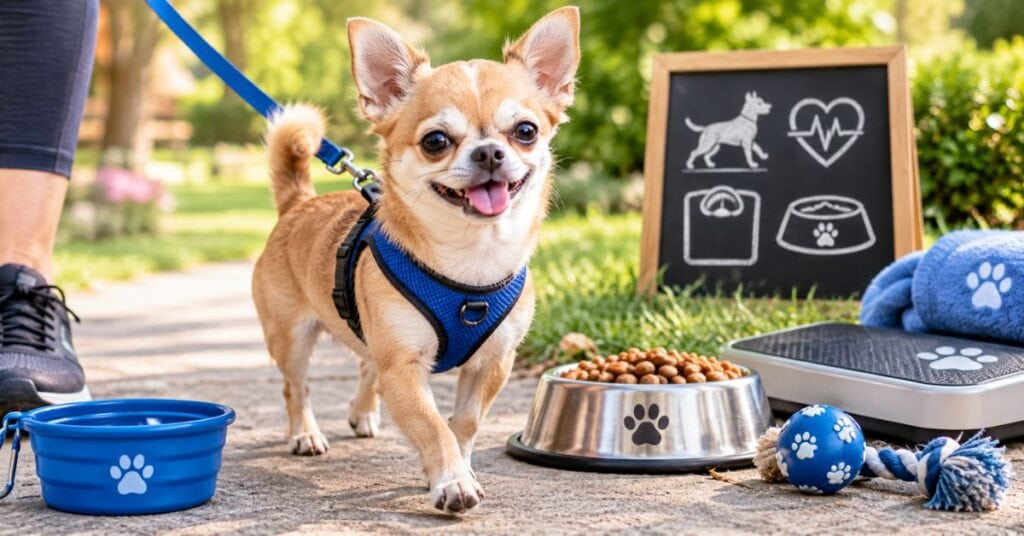
A Chihuahua does not need marathon training, but regular movement matters.
Daily exercise supports muscle strength, mobility, mental stimulation, and healthy weight. The best activity level depends on your dog’s age, fitness, health, and personality.
Short walks are often a good starting point. Indoor games, training exercises, scent activities, and supervised play can add mental stimulation without requiring intense physical effort.
Avoid judging exercise only by distance. A 15-minute walk that includes sniffing and calm exploration can provide more mental value than simply rushing around the block.
Weight control is equally important. Extra body fat can make movement harder and may increase strain on joints and other body systems.
A simple weekly check can help you notice trends before they become obvious.
Chihuahua Longevity Care Checklist
- ☐ Weigh or body-condition check regularly.
- ☐ Feed measured portions.
- ☐ Keep treats controlled.
- ☐ Provide daily age-appropriate activity.
- ☐ Brush teeth regularly.
- ☐ Check gums and teeth.
- ☐ Monitor walking and jumping ability.
- ☐ Watch appetite and water intake.
- ☐ Keep vaccinations and preventive care current according to veterinary advice.
- ☐ Schedule routine veterinary examinations.
- ☐ Protect your Chihuahua from falls.
- ☐ Supervise interactions with larger dogs.
- ☐ Adjust exercise during extreme heat or cold.
- ☐ Record unusual changes instead of ignoring them.
The goal is consistency.
You do not need a complicated fitness program. A healthy Chihuahua benefits more from sustainable daily habits than from occasional intense activity.
Older dogs may need shorter walks, more rest, softer surfaces, ramps, or other environmental adjustments. If your senior Chihuahua suddenly struggles with stairs or furniture, do not simply assume that age is the only explanation. Pain, arthritis, heart disease, neurological problems, or other medical conditions may be involved.
Your veterinarian can help distinguish normal aging from treatable disease.
How to Help Your Chihuahua Live a Longer, Healthier Life
There is no guaranteed formula for extending a dog’s lifespan. However, owners can stack the odds in their dog’s favor by consistently managing the basics.
Start with preventive veterinary care. Routine examinations allow your veterinarian to track changes in weight, heart health, teeth, joints, eyes, and general condition.
Next, maintain a healthy body condition. Avoid the cycle of overfeeding, weight gain, strict dieting, and weight regain. Portion control should become a normal part of daily care.
Dental care should also remain consistent. A few minutes of prevention can be easier than dealing with advanced dental disease later.
Give your Chihuahua appropriate physical activity. Do not overexercise a small dog, but do not assume that carrying it everywhere is enough either.
Mental stimulation matters too. Training, scent games, food puzzles, and calm exploration can help keep an older Chihuahua engaged.
Safety deserves equal attention. Use barriers or ramps where appropriate, secure outdoor areas, and supervise interactions with much larger dogs.
During hot weather, provide shade, water, and cooler indoor areas. During cold weather, protect your Chihuahua from prolonged exposure, especially if the dog has a short coat or becomes uncomfortable easily.
Pay attention to behavior. Owners often notice subtle changes before anyone else does. A dog that stops greeting you, sleeps much more, refuses normal activities, or changes eating habits deserves attention.
For additional small-dog care guidance, our Chihuahua characteristics guide provides practical information about grooming, exercise, nutrition, training, and safety.
Longevity is not just about adding years. It is about adding healthy, comfortable years.
What Changes When a Chihuahua Becomes a Senior?
Senior care should focus on comfort, early detection, mobility, nutrition, and maintaining a good quality of life.
A senior Chihuahua may sleep more than a younger dog. That can be normal. However, a dramatic change in sleep, activity, appetite, or behavior deserves attention.
Some older dogs develop stiffness. Your Chihuahua may hesitate before climbing stairs, avoid jumping onto furniture, or take longer to stand after resting.
Make the home easier to navigate. Non-slip flooring, comfortable bedding, ramps, and easier access to food and water can help.
Senior dogs can also experience sensory changes. Hearing or vision may decline gradually, so avoid startling your dog from behind.
Cognitive changes may occur as dogs age. Signs can include unusual nighttime restlessness, confusion, changes in interaction, or difficulty following familiar routines. These signs should be discussed with a veterinarian because some behavior changes can have medical causes.
Nutrition may also need adjustment. Do not automatically switch to a senior diet simply because the package says “senior.” Your veterinarian can help decide whether your Chihuahua needs a different calorie level, nutrient profile, or therapeutic diet.
Keep exercise gentle and regular when appropriate. Completely stopping activity can contribute to muscle loss and stiffness.
Senior dogs still need social interaction. Continue short training sessions, gentle play, sniffing opportunities, and family time.
The goal is not to treat aging as an illness. Aging is a normal process. The goal is to distinguish normal aging from problems that can be treated or managed.
A 15-year-old Chihuahua can still enjoy walks, meals, affection, exploration, and family life.
Can a Chihuahua Really Live to 20 Years?
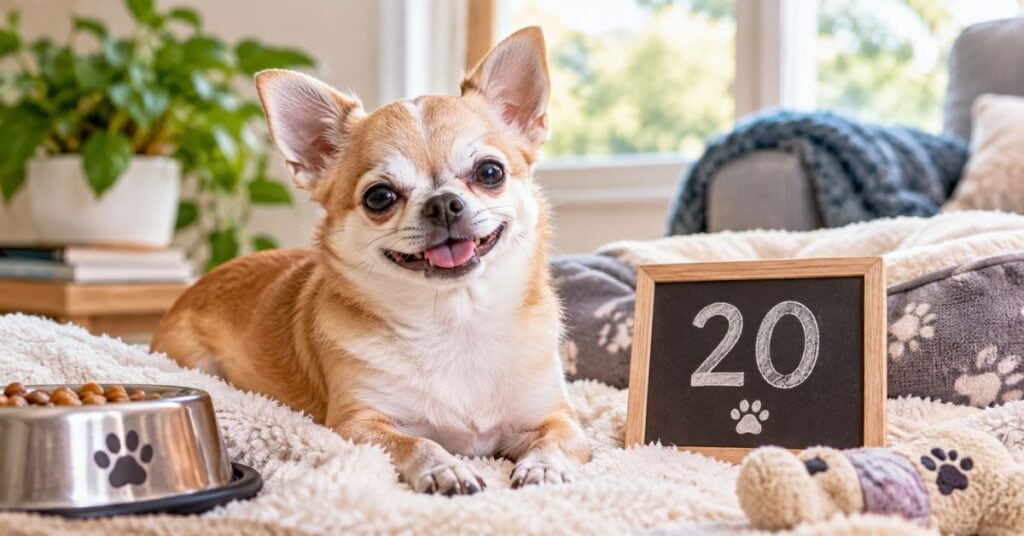
Yes, it is possible, but 20 years should be considered exceptional rather than the normal expectation.
The Chihuahua Club of America notes that Chihuahuas often live into their mid to late teens and that some have been known to reach 20.
There are also documented examples of very old Chihuahuas. The AKC has featured a Chihuahua named Sam who was reported at 17 years old, showing that the breed can remain active well beyond the lower end of its expected lifespan.
However, owners should not interpret these examples as a promise that a particular dog will reach 20.
A better expectation is to aim for the upper end of the normal lifespan while focusing on quality of life.
If your Chihuahua reaches 14, 15, 16, or 17 years, that is already a substantial lifespan. If your dog reaches 18 or beyond, you have a particularly long-lived companion.
Genetics may influence how long a dog can live, but good care still matters.
A Chihuahua with excellent genetics can develop preventable obesity or severe dental disease. Conversely, a dog with less favorable genetics may benefit significantly from early veterinary care and careful management.
You cannot control everything.
You can control whether your Chihuahua receives appropriate food, safe exercise, dental care, preventive veterinary attention, protection from avoidable injuries, and prompt attention when something changes.
That is where responsible ownership makes the greatest difference.
Frequently Asked Questions
How long can a Chihuahua live?
A Chihuahua commonly lives around 14–16 years, although some references give a broader estimate of about 15–17 years. Some individuals can live into their late teens, and exceptional Chihuahuas may reach 20 years. Genetics, health, nutrition, dental care, weight, preventive medicine, and safety all influence individual lifespan.
What is the oldest age a Chihuahua can reach?
There is no guaranteed maximum age for a Chihuahua. The Chihuahua Club of America reports that some have been known to reach 20 years, while documented examples include Chihuahuas reaching 17 years. These ages are exceptional, so owners should focus on healthy aging rather than expecting a specific birthday.
Do Chihuahuas live longer than large dogs?
Generally, small dog breeds tend to have longer lifespans than large and giant breeds. The AKC lists the Chihuahua at about 14–16 years, while many large breeds have shorter expected lifespans. However, individual genetics and health can make one dog’s lifespan very different from another’s.
How can I help my Chihuahua live longer?
Provide a complete and balanced diet, maintain a healthy body condition, control treats, provide regular appropriate exercise, brush the teeth, schedule routine veterinary examinations, manage parasites as recommended, and prevent injuries. Early attention to changes in appetite, breathing, movement, or behavior can also improve the chance of treating problems promptly.
At what age is a Chihuahua considered a senior?
There is no single exact senior birthday. Chihuahuas are small dogs and may enter their senior years later than many large breeds. The AKC notes that Chihuahuas may not reach senior status until roughly 7–10 years, while other guidance places small dogs’ senior years around 8–12. Individual aging varies. American Kennel Club
Conclusion
So, how long can a Chihuahua live? Most Chihuahuas can be expected to live well into their teens, with reputable sources placing typical lifespan estimates around 14–17 years. Some exceptionally long-lived individuals may reach 18, 19, or even 20 years. American Kennel Club
The number itself, however, should not become the only goal.
A long Chihuahua life depends on many connected parts of daily care. Healthy nutrition supports the body. Portion control protects against excess weight. Regular movement maintains strength and mobility. Dental care helps prevent painful oral disease. Veterinary examinations provide opportunities to detect problems early. Safe handling protects this tiny breed from preventable injuries.
Senior Chihuahuas also need changing care. They may benefit from gentler exercise, comfortable bedding, easier access around the home, closer weight monitoring, and more attention to changes in behavior or mobility.
Most importantly, learn what is normal for your individual Chihuahua. When you know your dog’s usual appetite, energy, breathing, movement, sleep, and personality, unusual changes become easier to recognize.
You cannot control genetics or prevent every disease. But you can give your Chihuahua the best possible foundation for a long, active, comfortable life.
The goal is not simply more years. The goal is more good years together.
Multimedia Placement Suggestions
- Featured Image: Healthy senior Chihuahua relaxing with its owner, showing a realistic long-life/healthy-aging theme.
- Care Infographic: A visual timeline from Chihuahua puppy → adult → senior.
- Comparison Graphic: Chihuahua lifespan compared with several other small dog breeds.
- Health Monitoring Graphic: Simple “Healthy / Monitor / Veterinary Attention” lifespan-care checklist.
- YouTube Thumbnail: Senior Chihuahua with the text “How Long Can a Chihuahua Live?”
- Pinterest Image: Vertical 1000×1500 graphic featuring Chihuahua lifespan, senior care, nutrition, and dental-care highlights.
Tags
Chihuahua lifespan, Chihuahua life expectancy, how long can a Chihuahua live, Chihuahua health, senior Chihuahua, Chihuahua care, Chihuahua aging, Chihuahua nutrition, Chihuahua dental care, Chihuahua longevity
Authority Sources
The article’s lifespan and nutrition claims are supported primarily by the American Kennel Club and WSAVA Global Nutrition Guidelines. American Kennel Club
Social Media Caption
How long can a Chihuahua live? 🐾❤️
Chihuahuas are one of the longer-living small dog breeds, and with proper nutrition, dental care, healthy weight, exercise, safety, and regular veterinary care, many can enjoy their teenage years. Learn how to support your Chihuahua through every stage of life.
#Chihuahua #ChihuahuaLifespan #ChihuahuaCare #SeniorChihuahua #DogHealth #DogCare #ChihuahuaNest