

Quick Answer
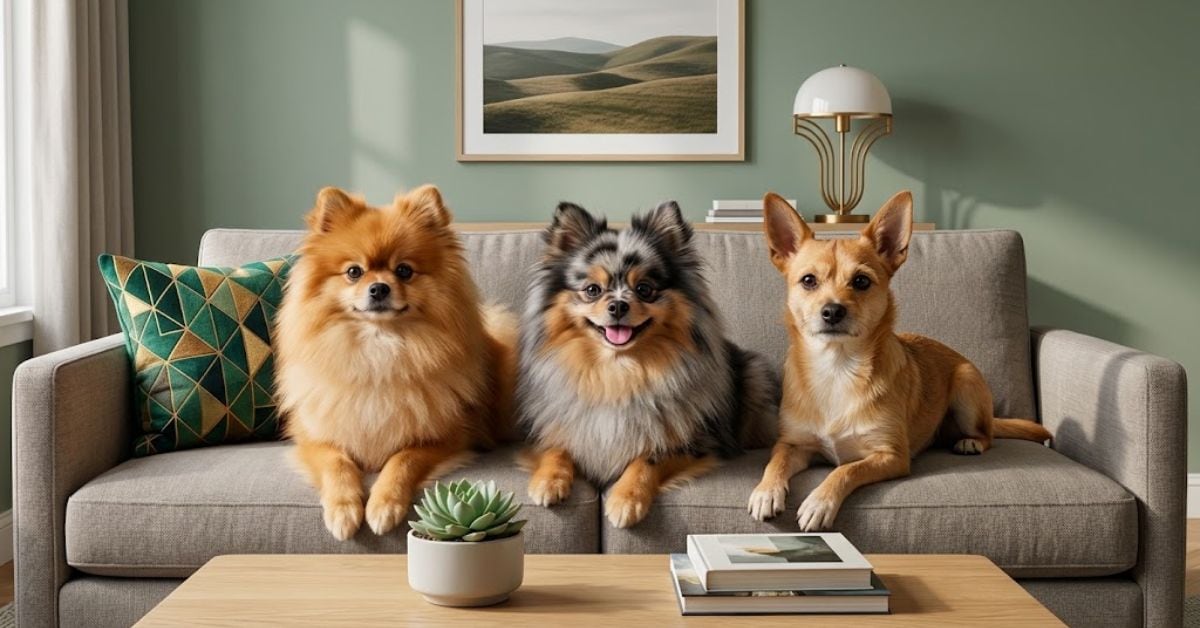
The Pomeranian Golden Retriever Mix is a rare cross between a Pomeranian and a Golden Retriever. It may inherit the Golden Retriever’s friendly nature and the Pomeranian’s fluffy coat.
Its adult size, appearance, personality, and exercise needs can vary greatly because the parent breeds have very different physical characteristics.
Author Information
Author: Gulnaz Malik
Role: Publisher & Pet Care Expert
Experience: 5+ Years in Dog Care & Dog Grooming
Content Approach: Veterinary-informed research using trusted canine health resources and practical pet care knowledge.
Introduction
The Pomeranian Golden Retriever mix combines two popular dog breeds. One parent is a small, fluffy companion dog, while the other is a friendly, athletic family dog. This mix can result in different sizes, appearances, and personalities.
Many dog lovers search for a Golden Retriever Pomeranian Mix because they want to understand how these two breeds can combine. However, this cross is not as predictable as some other designer dogs. A puppy may inherit more physical features from its Golden Retriever parent, while another may show stronger Pomeranian characteristics.
Before choosing one, you should understand its potential size, temperament, grooming requirements, exercise needs, nutrition, and health concerns. Responsible breeding also deserves special attention because the two parent breeds have a major size difference.
This guide explains what prospective owners should realistically expect. You will also learn how to recognize responsible breeding practices, maintain a healthy coat, choose suitable food, and build a practical daily care routine.
Whether you are considering adopting one or simply researching this unusual cross, understanding its individual needs will help you make better decisions.
What Is a Pomeranian Golden Retriever Mix?
A Pomeranian Golden Retriever Mix is a cross between a purebred Pomeranian and a purebred Golden Retriever. People may also call it a Golden Retriever Pom mix or Golden Pom. It is a mixed-breed dog rather than an established purebred breed with a recognized physical standard.
The two parent breeds have different histories and characteristics. Pomeranians belong to the Spitz family. They have a compact body, pointed ears, a thick double coat, and an alert personality. Golden Retrievers are larger sporting dogs known for their intelligence, friendly nature, and athletic abilities.
Combining these breeds does not produce a guaranteed middle-sized dog. Genetics work in complex ways, so puppies may inherit different combinations of physical and behavioral traits.
For example, one puppy may have a relatively compact body and a fluffy coat. Another may develop a longer body, a broader head, and a more athletic build. Coat color and texture can also differ.
The breeding method is especially important. Golden Retrievers and Pomeranians have a substantial size difference, which creates potential reproductive and pregnancy risks. Responsible breeders must work with qualified veterinarians to protect both parent dogs. They should never attempt unsafe natural mating simply to produce an unusual puppy.
A prospective owner should ask about the parents, breeding history, veterinary supervision, and health screening. Avoid breeders who cannot explain their breeding practices.
This mix may attract people who love both breeds, but appearance should never be the main reason for choosing a puppy. Health, temperament, and responsible breeding matter much more.
Important Characteristics to Understand
- It is a mixed-breed cross, not a standardized purebred.
- Puppies can inherit different physical characteristics.
- Adult weight and height are difficult to predict.
- Coat length, color, and shedding may vary.
- Exercise and training needs depend on the individual dog.
- Responsible veterinary-supervised breeding is essential.
If you enjoy learning about smaller Pomeranian crosses, read our Pomeranian Chihuahua Mix guide to understand how different parent breeds influence mixed-breed characteristics.
Pomeranian Golden Retriever Mix Size and Appearance
The Pomeranian Golden Retriever Mix size is one of the most interesting features of this crossbreed. Both parent breeds have very different body structures, so predicting an adult puppy’s final appearance can be difficult.
Pomeranian and Golden Retriever Physical Features
Pomeranians have a small, sturdy build and a dense double coat that gives them a fluffy appearance. Their ears usually stand upright, and their tails often curl over their backs.
Golden Retrievers have a larger, athletic frame, a broad chest, floppy ears, and a medium-length, water-resistant double coat.
What Does a Pomeranian Golden Retriever Mix Look Like?
A mixed puppy may inherit physical features from either parent. Some dogs develop a medium-sized appearance, while others look more like one parent than the other.
Coat texture can also vary. Your dog might have a dense, fluffy coat, a softer medium-length coat, or feathering around the legs and tail.
Possible coat colors include golden, cream, orange, sable, black, brown, and combinations of these shades. However, coat color does not indicate health, temperament, or adult size.
Pomeranian Golden Retriever Mix Physical Characteristics
The following table compares the physical features that puppies may inherit from each parent.
| Physical Feature | Golden Retriever Influence | Pomeranian Influence |
|---|---|---|
| Body structure | Larger and athletic | Small and compact |
| Coat | Medium-length and dense | Thick and fluffy |
| Ears | Usually floppy | Usually upright |
| Tail | Feathered and naturally carried | Very fluffy and often curled |
| Head | Broad and balanced | Smaller with a fox-like expression |
| Coat colors | Golden shades and cream | Orange, cream, black, sable, and more |
| Body weight | Usually much heavier | Usually very light |
How Big Will a Pomeranian Golden Retriever Mix Get?
Do not use puppy paw size as a reliable way to predict adult weight. Growth depends on genetics, nutrition, health, and individual development.
Ask the breeder for the parents’ actual measurements and information about previous litters. Your veterinarian can also track your puppy’s development and check whether its weight and body condition are healthy.
Remember that two puppies from the same litter may develop differently. Prepare for the possibility of a larger, more active dog instead of assuming your puppy will remain small.
Pomeranian Golden Retriever Mix Temperament and Personality

The Pomeranian Golden Retriever Mix temperament may combine friendliness, intelligence, confidence, alertness, and affection. However, no breeder can guarantee a particular personality simply because a puppy comes from these two breeds.
Golden Retrievers generally enjoy human interaction. They often form strong family bonds and respond well to positive training. Their sharp minds and eagerness to learn make Pomeranians wonderful pets for families. They also form close emotional bonds with their owners and enjoy spending time with them.
They are alert, lively, curious, and confident despite their small bodies. Some Pomeranians bark frequently when they notice unfamiliar sounds or people.
A Golden Retriever Pom mix could inherit a combination of these traits. It might enjoy playing with family members, following its owner around the house, and exploring new environments. Some dogs may also become vocal or protective of their personal space.
Early socialization helps shape healthy behavior. Introduce your puppy to friendly people, household sounds, safe dogs, different surfaces, and everyday activities. Keep these experiences positive and gradual.
Never force a nervous puppy to interact with unfamiliar people or animals. Allow it to observe from a comfortable distance and reward calm behavior.
Families with children should teach gentle handling. If the puppy inherits a smaller body, rough play could cause injuries. Even a larger puppy needs supervised interactions and appropriate boundaries.
Separation training also matters. Help your dog learn to stay calm and comfortable when spending brief periods alone.
Gradually increase alone time while providing a comfortable resting area and suitable toys.
A Simple Weekly Behavior Check
Use these four areas to monitor your dog’s development:
- Confidence: Does your dog explore familiar environments without excessive fear?
- Social comfort: Can it remain relaxed around familiar people and appropriate dogs?
- Training focus: Does it respond to basic commands in quiet surroundings?
- Recovery: Can it settle after excitement, play, or an unfamiliar experience?
A sudden personality change may indicate stress, discomfort, or an underlying health problem. Seek veterinary advice when unusual behavior continues.
Pomeranian Golden Retriever Mix Grooming and Coat Care
Grooming requirements depend on which parent your dog resembles. Both Pomeranians and Golden Retrievers have double coats, although their coat lengths and textures differ.
Your mixed dog may develop a thick undercoat with longer outer hair. This type of coat can trap loose fur, dirt, and moisture. Regular grooming prevents tangles and allows you to notice skin problems early.
Start brushing your puppy gently from an early age. This helps it become comfortable with grooming tools and handling.
A slicker brush can help remove loose surface hair. An appropriate comb helps check areas where mats often develop, such as behind the ears, under the legs, around the collar, and near the tail.
Brush according to the dog’s coat density. A thick coat may need brushing several times a week, while a less dense coat may need less frequent attention.
Bathing should depend on how dirty your dog becomes. Choose a gentle shampoo made for dogs and wash away all residue with clean water. Shampoo residue can irritate the skin and contribute to scratching.
Dry the coat carefully, especially around the undercoat. Damp fur can encourage skin irritation and unpleasant odors.
Nail care is equally important. Long nails can affect walking comfort and posture. Trim them gradually or ask a professional groomer for help.
Clean the ears when needed and check for redness, odor, or unusual discharge. Brush your dog’s teeth regularly with dog-safe toothpaste.
Avoid shaving a double coat very short for cosmetic reasons. The coat provides natural protection, and clipping it excessively may cause problems with regrowth. If the coat becomes severely matted, consult a professional groomer.
For additional grooming ideas, explore our Pomeranian Haircuts guide.
Pomeranian Golden Retriever Mix Feeding and Nutrition
Pomeranian Golden Retriever Mix Feeding and Nutrition
A balanced diet supports healthy development, strong muscles, normal digestion, and healthy skin. Your Pomeranian Golden Retriever Mix needs food that matches its age, activity level, body condition, and individual health requirements.
Feeding Needs at Different Life Stages
Puppies need complete growth nutrition. Adult dogs require maintenance food, while senior dogs may need a different calorie level depending on their activity and health.
Choosing the Right Dog Food
Choose a commercially prepared food that meets recognized nutritional standards for the appropriate life stage. Look for a complete and balanced diet rather than relying on marketing terms such as premium, natural, or holistic.
Protein provides amino acids that help maintain muscles and body tissues. Fats provide energy and essential fatty acids that support the skin and coat. Carbohydrates can supply energy, while vitamins and minerals support normal body functions.
Do not select food based only on the puppy’s expected size. Ask your veterinarian which feeding plan suits your dog’s actual growth and body condition.
Portion Control and Feeding Schedule
Portion control is important. Overfeeding can lead to excess weight, which increases stress on the joints. Underfeeding may prevent a growing puppy from receiving enough nutrients.
Measure meals instead of filling the bowl without checking quantities. Follow the food manufacturer’s feeding guidance as a starting point, then adjust with veterinary advice.
Fresh drinking water should always be available.
Healthy Treats and Foods to Avoid
Treats can support positive training, but they should remain a small part of daily calorie intake. Avoid feeding chocolate, grapes, raisins, onions, garlic, and products containing xylitol.
Important Nutrients for Your Dog
| Nutritional Need | Why It Matters | Practical Feeding Advice |
|---|---|---|
| Quality protein | Supports muscle and tissue development | Choose complete, balanced dog food |
| Healthy fats | Provide energy and support skin health | Follow appropriate dietary fat levels |
| Calcium and phosphorus | Support bones and teeth | Avoid unbalanced homemade supplements |
| Vitamins | Support normal body functions | Use complete food unless a vet advises otherwise |
| Fiber | Supports digestive health | Choose a suitable complete diet |
| Fresh water | Supports hydration | Provide clean water throughout the day |
How to Maintain a Healthy Diet
Avoid changing food suddenly. Introduce a new diet gradually over several days unless your veterinarian recommends a different approach.
A healthy dog should have a visible waist from above and a body shape that allows you to feel its ribs without pressing hard. Your veterinarian can help assess body condition and recommend appropriate portions.
Pomeranian Golden Retriever Mix Exercise and Training
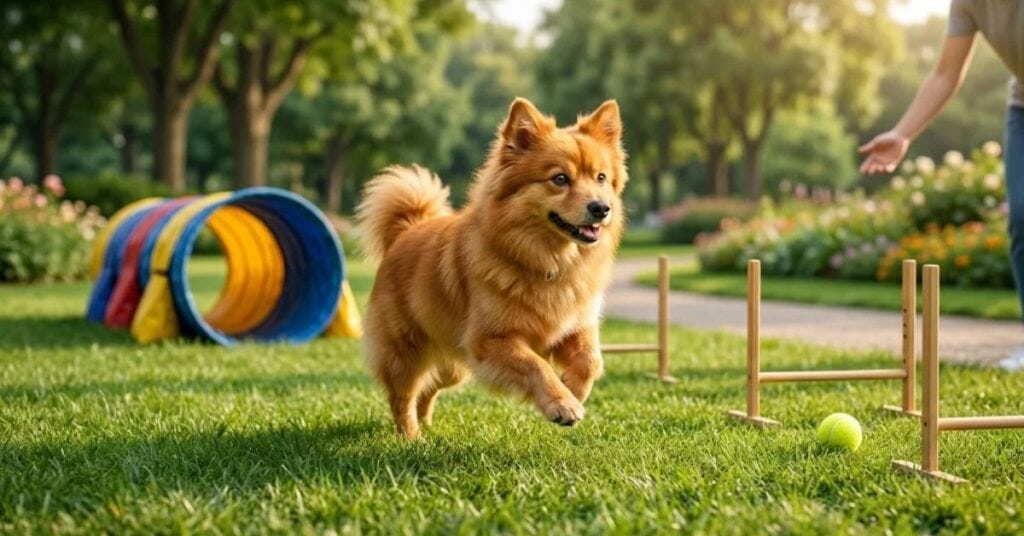
Exercise requirements depend on the dog’s size, age, health, and inherited energy level. A puppy with stronger Golden Retriever characteristics may enjoy longer activities as it matures. A smaller dog with more Pomeranian traits may need shorter walks and carefully controlled play.
Start with age-appropriate activity. Young puppies should not take part in forced running, repetitive jumping, or strenuous exercise. Their growing bones and joints need time to develop.
Short walks, supervised play, and simple training games provide useful stimulation. Adjust activity according to weather, fitness, and your veterinarian’s advice.
Mental exercise is just as important as physical movement. Food puzzles, scent games, reward-based training, and safe interactive toys help prevent boredom.
Training should begin early. Teach your dog its name, recall, sit, stay, leave it, and loose-leash walking.
Positive reinforcement works well for many dogs. Reward the behavior you want instead of relying on shouting or physical punishment.
Keep training sessions short and enjoyable. Repeat basic skills in different safe environments after your dog understands them at home.
If your puppy pulls on the leash, reward it when it walks near you. Choose a comfortable, correctly fitted harness and avoid putting unnecessary pressure on the neck.
Barking should also receive attention. If your dog barks at every sound, identify the trigger and reward calm responses. Shouting can increase excitement instead of teaching quiet behavior.
Socialization should continue beyond puppyhood. Give your dog regular opportunities to experience new environments without overwhelming it.
If your dog shows persistent fear, aggression, or severe separation distress, ask a veterinarian or qualified reward-based behavior professional for guidance.
Pomeranian Golden Retriever Mix Health Problems and Lifespan
The health of a Pomeranian Golden Retriever Mix depends on genetics, breeding quality, nutrition, exercise, and preventive veterinary care.
Mixed-breed dogs are not automatically free from inherited conditions. They can inherit health risks from either parent, so responsible screening matters.
Golden Retrievers have recognized concerns involving hip and elbow dysplasia, certain heart conditions, and eye disorders. Pomeranians can face issues involving the kneecaps, heart, and eyes.
The American Kennel Club’s Golden Retriever health-testing recommendations explain the importance of screening breeding dogs for relevant conditions.
The AKC Pomeranian health-testing recommendations include patella, cardiac, and eye evaluations.
Ask breeders for actual health records rather than accepting verbal promises. Screening does not guarantee that a puppy will never become ill, but it helps responsible breeders make better decisions.
Potential health concerns include:
- Hip dysplasia: An abnormal hip joint can cause pain and mobility problems.
- Patellar luxation: The kneecap moves out of its normal position and may cause skipping or limping.
- Heart disease: Some inherited heart conditions require veterinary monitoring.
- Eye disorders: Certain inherited or age-related conditions can affect vision.
- Dental disease: Plaque and tartar can lead to gum inflammation and tooth loss.
- Obesity: Excess weight increases pressure on joints and can affect overall health.
- Skin problems: Allergies, irritation, and infections may cause itching and hair loss.
The lifespan of this cross cannot be stated accurately because it does not have a well-established population average. Its expected longevity will depend on its individual genetics, size, and health.
Schedule routine veterinary examinations and keep vaccinations and parasite prevention up to date.
Health Monitoring Checklist
Green — Continue normal preventive care
- Normal appetite and drinking habits.
- Comfortable walking and playing.
- Healthy-looking skin and coat.
- Normal breathing at rest.
- Regular bowel movements.
Yellow — Arrange veterinary advice
- Repeated scratching or licking.
- Persistent bad breath.
- Gradual weight gain.
- Reduced activity or occasional stiffness.
- Changes in appetite or toilet habits.
Red — Seek urgent veterinary attention
- Difficulty breathing.
- Collapse or severe weakness.
- Repeated vomiting with weakness.
- Sudden inability to walk.
- Severe pain or major injury.
- Swollen, painful abdomen.
This checklist helps you notice changes. It does not replace veterinary diagnosis or emergency care.
Is a Pomeranian Golden Retriever Mix Right for You?
A Pomeranian Golden Retriever Mix may suit an owner who enjoys active companionship, regular grooming, positive training, and the unpredictability of mixed-breed dogs.
However, this cross is not suitable for everyone. Its adult size and physical needs may be difficult to predict. You should prepare for the possibility of a dog that needs more space, exercise, and food than you initially expected.
Lifestyle and Daily Care Requirements
Consider your daily routine before choosing one. Dogs need consistent attention, exercise, social interaction, and veterinary care. A busy owner who spends most of the day away may struggle to meet these needs without reliable support.
Your home environment also matters. Provide a safe resting area, secure fencing where appropriate, and protection from dangerous objects. If you have small children, teach them to respect the dog’s space and supervise all interactions.
Financial Responsibilities of Ownership
Financial planning is another important factor. Food, grooming, vaccinations, parasite prevention, and unexpected medical bills can add up over time.
Adoption or Buying From a Breeder
Adoption may be a sensible alternative to purchasing a puppy. A rescue organization may sometimes have a mixed-breed dog whose size and temperament are easier to assess.
If you decide to purchase from a breeder, request veterinary records, information about both parents, and details about the breeding process. Be cautious of anyone who promises an exact adult size or claims that the mix cannot develop inherited diseases.
You can also review our Pomeranian dog price guide to understand the financial responsibilities of owning a Pomeranian-type dog.
Questions to Ask Before Getting This Mix
Before making your decision, consider these questions:
- Can I manage an unpredictable adult size?
- Can I provide daily exercise and mental stimulation?
- Am I prepared for regular coat maintenance?
- Can I afford preventive and emergency veterinary care?
- Will I provide consistent, reward-based training?
- Can I supervise interactions with children and other pets?
- Have I checked the parents’ health screening records?
A good match depends on your ability to meet the dog’s needs, not simply how attractive the puppy looks.
Daily and Weekly Pomeranian Golden Retriever Mix Care Schedule

A simple routine makes it easier to maintain your dog’s health and comfort. Your schedule should change as your puppy grows and as its individual needs become clearer.
Daily care
- Provide measured, age-appropriate meals.
- Keep clean drinking water available.
- Offer suitable walks and supervised play.
- Practice short training sessions.
- Check the coat, paws, and general behavior.
- Give your dog enough rest and attention.
Weekly care
- Brush the coat several times according to its density.
- Check the ears for odor or irritation.
- Inspect the skin for redness or unusual lumps.
- Check nail length.
- Review appetite, activity, and body condition.
- Wash food and water bowls regularly.
Monthly or scheduled care
- Review body weight and feeding portions.
- Check whether grooming needs have changed.
- Arrange professional grooming when required.
- Review parasite prevention with your veterinarian.
- Maintain the recommended vaccination and health-check schedule.
Consistency matters more than following a rigid schedule. A dog with a thick coat may need more brushing than one with shorter hair. Similarly, exercise should match its age and physical condition.
If you want to understand the expected longevity of its Pomeranian parent, read our guide on How Old Do Pomeranian Dogs Live?.
Frequently Asked Questions
1. How big does a Pomeranian Golden Retriever Mix get?
Adult size can vary widely because Pomeranians and Golden Retrievers have very different body structures. There is no reliable standard weight or height for this cross. Ask about both parents and request veterinary growth assessments, but treat every puppy-size estimate as approximate.
2. Is a Pomeranian Golden Retriever Mix a real breed?
It is a mixed-breed cross, not a standardized purebred dog with an established breed standard. Its appearance, size, coat, and personality can differ between puppies, including puppies from the same litter.
3. Does a Pomeranian Golden Retriever Mix shed a lot?
It may shed moderately or heavily, especially if it inherits a dense double coat. Regular brushing helps remove loose hair and prevent tangles. Check behind the ears and legs for mats, and avoid shaving the coat very short.
4. Is this mix good with children?
It may live well with respectful children, but its temperament and adult size are unpredictable. Supervise every interaction, teach children gentle handling, and give the dog a quiet place where nobody disturbs it.
5. What health tests should the parents have?
Ask for documented, breed-appropriate health screening. Golden Retriever screening commonly includes hips, elbows, heart, and eyes. Pomeranian recommendations include patella, cardiac, and eye evaluations. A veterinarian can help you understand the results.
Conclusion
The Pomeranian Golden Retriever Mix is an unusual cross that may combine the Golden Retriever’s friendly nature with the Pomeranian’s alert personality and fluffy appearance. However, its adult size, coat, temperament, and daily needs are not predictable.
Before choosing this dog, learn about both parent breeds and ask the breeder important questions about health testing, reproductive safety, and veterinary supervision. Never trust guaranteed size or appearance claims without reliable evidence.
Once your dog comes home, focus on balanced nutrition, regular grooming, suitable exercise, positive training, and preventive veterinary care. Monitor its weight, coat condition, behavior, and movement so you can notice problems early.
Most importantly, treat your dog as an individual rather than expecting it to behave exactly like either parent breed. Every puppy develops differently, and its needs may change as it grows.
A healthy and happy dog needs more than an attractive appearance. It needs patience, responsible ownership, and a safe environment. With thoughtful preparation and consistent care, you can give your companion the best possible start in life.
At ChihuahuaNest, our goal is to help dog owners make informed, responsible, and caring decisions for their pets.