Pomeranians captivate dog lovers with their compact size, luxurious coats, and bold personalities. However, many people misunderstand the concept of breeds of Pomeranian, often assuming multiple official breeds exist. In reality, kennel organizations recognize only one breed, but it includes a wide range of types, variations, and genetic expressions.
These differences influence not only appearance but also health, behavior, and care requirements. This guide explains everything in detail so you can understand the breed from a scientific and practical perspective.
Breeds of Pomeranian| Types and Variations Explained
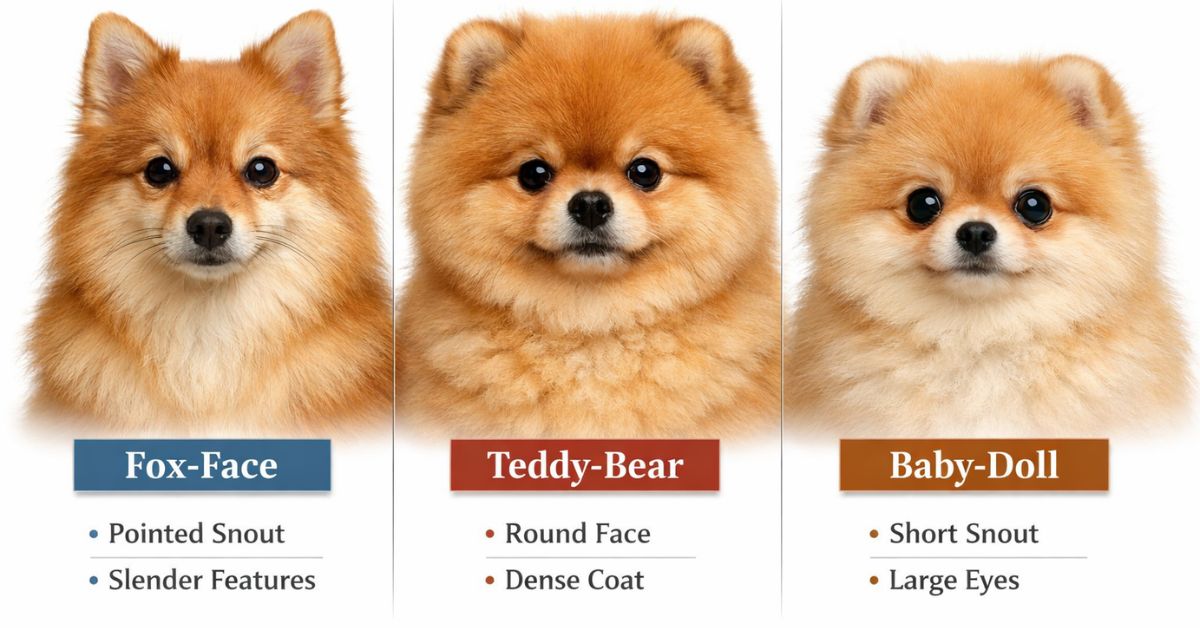
The term “breeds of Pomeranian” actually refers to unofficial variations within a single breed, not separate breeds. Breeders categorize Pomeranians based on facial structure, coat appearance, and body proportions. These variations emerged through selective breeding trends rather than formal breed divisions.
For example, facial structure directly affects breathing efficiency and dental alignment, while coat density influences grooming needs and shedding patterns. Understanding these variations helps you choose a healthier dog and avoid purely appearance-based decisions.
The three most commonly recognized types include the fox-face, teddy-bear, and baby-doll Pomeranian. The fox-face type closely follows traditional breed standards with a longer muzzle and better airflow. In contrast, the teddy-bear type features a shorter snout and rounder face, which many people find visually appealing but which may increase the risk of dental crowding and breathing issues.
The baby-doll type falls between these two extremes, offering a more balanced structure. Each variation carries its own advantages and potential concerns, so you should evaluate them carefully before making a decision.
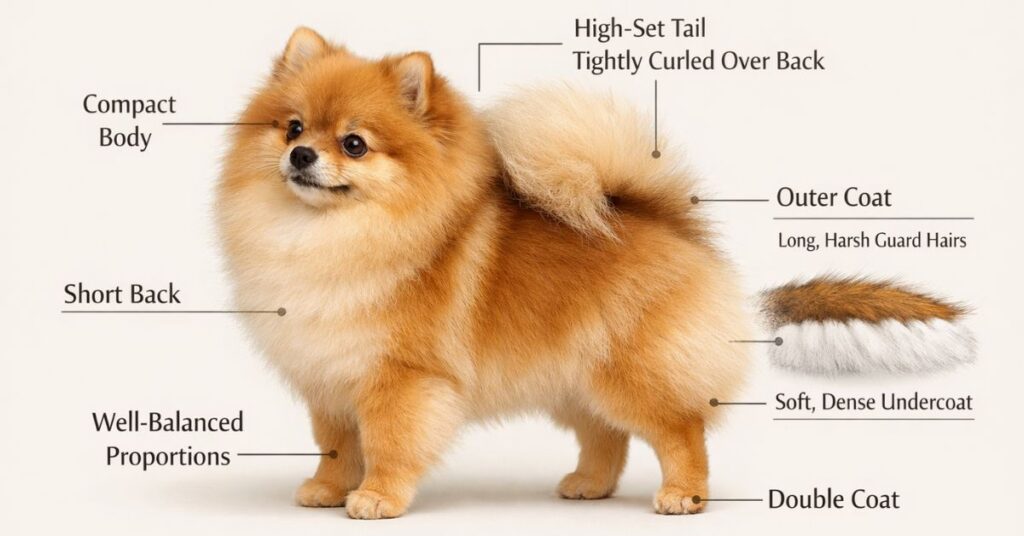
Breeds of Pomeranian|Pomeranian Breed Standards and AKC Requirements
The term “Teacup Pomeranian” often misleads buyers into believing it represents a distinct or premium category. In reality, no major kennel club recognizes this classification. Breeders use the term to market extremely small dogs, usually produced by breeding the smallest individuals repeatedly. This practice compromises genetic stability and increases the likelihood of serious health issues.
Toy Pomeranians, on the other hand, represent the standard and healthy size category. Dogs marketed as “teacup” frequently suffer from fragile bones, hypoglycemia, organ development problems, and reduced lifespan. While their small size may seem attractive, it often comes at the cost of long-term health and quality of life. Responsible ownership requires prioritizing structural soundness over exaggerated traits.
Breeds of Pomeranian| Coat Colors and Patterns, Genetics and Risks
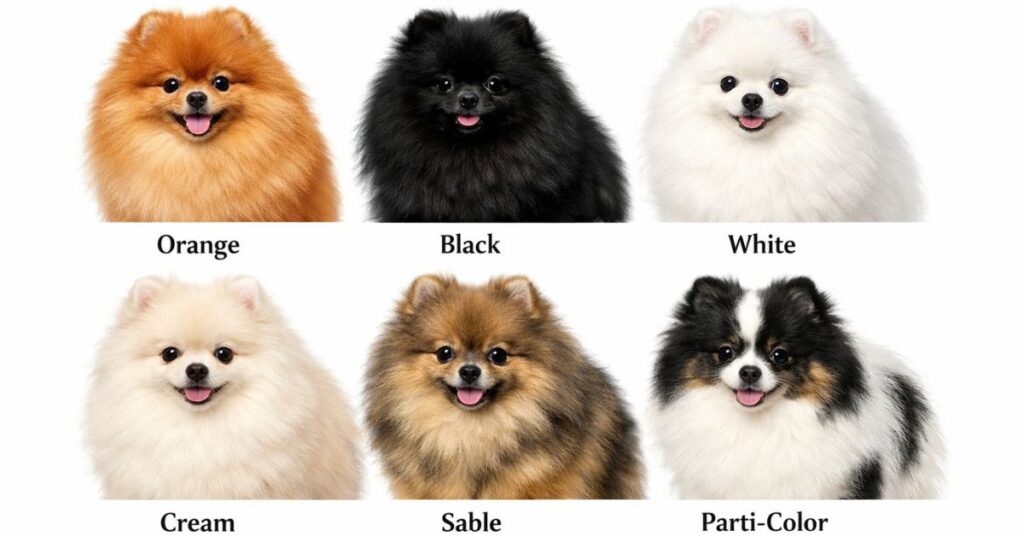
Pomeranians display one of the most diverse coat color ranges among dog breeds, which contributes significantly to their popularity. Their double coat creates a thick, fluffy appearance that enhances color depth and variation. Common colors include orange, black, white, and cream, while more complex patterns such as sable and parti-color add visual uniqueness.
However, certain patterns, particularly those involving the merle gene, introduce genetic risks. Improper breeding of merle Pomeranians can lead to hearing loss, vision defects, and neurological issues. This risk increases significantly when two merle dogs are bred together. Therefore, responsible breeders conduct genetic testing and avoid unsafe pairings. As an owner, you should focus on health and ethical breeding rather than rare or trendy colors.
Pomeranian Mix Breeds| Designer Dogs and Genetic Outcomes
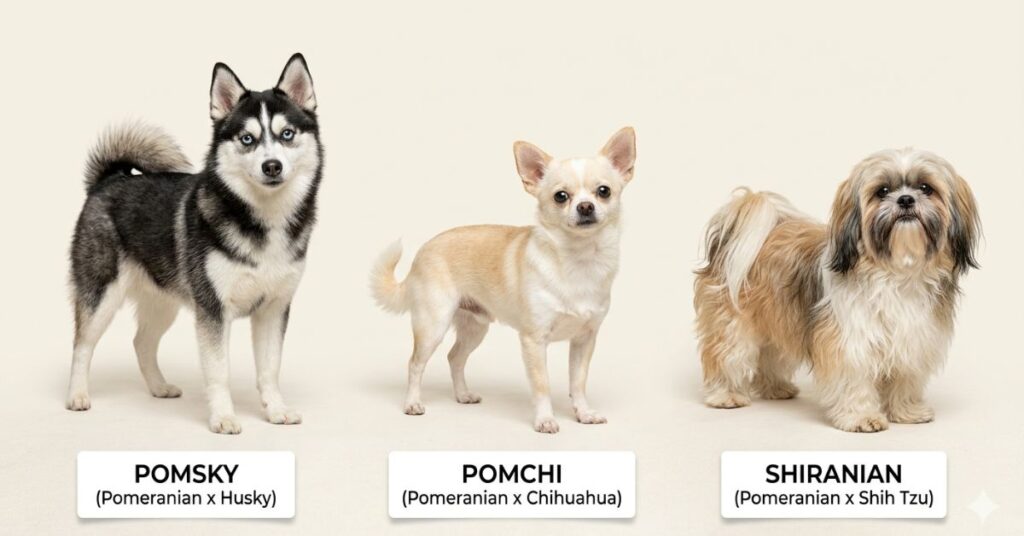
Pomeranian mix breeds combine the Pom with other dog breeds to create unique hybrids. These designer dogs often appeal to owners seeking specific traits, such as increased energy, different coat textures, or varied temperaments. However, mixed breeding introduces unpredictability because each puppy may inherit a different combination of traits from its parents.
For example, a Pomsky (Pomeranian and Husky mix) may develop high energy levels and require significantly more exercise than a purebred Pomeranian. Similarly, a Pomchi (Pomeranian and Chihuahua mix) may exhibit heightened alertness and strong attachment behaviors. While some mixes benefit from hybrid vigor, they still require careful management and realistic expectations. Owners must adapt their care routines based on the dog’s individual characteristics rather than relying on general breed assumptions.
Breeds of Pomeranian| The Genetic Blueprint and Understanding Throwback Pomeranian Variations
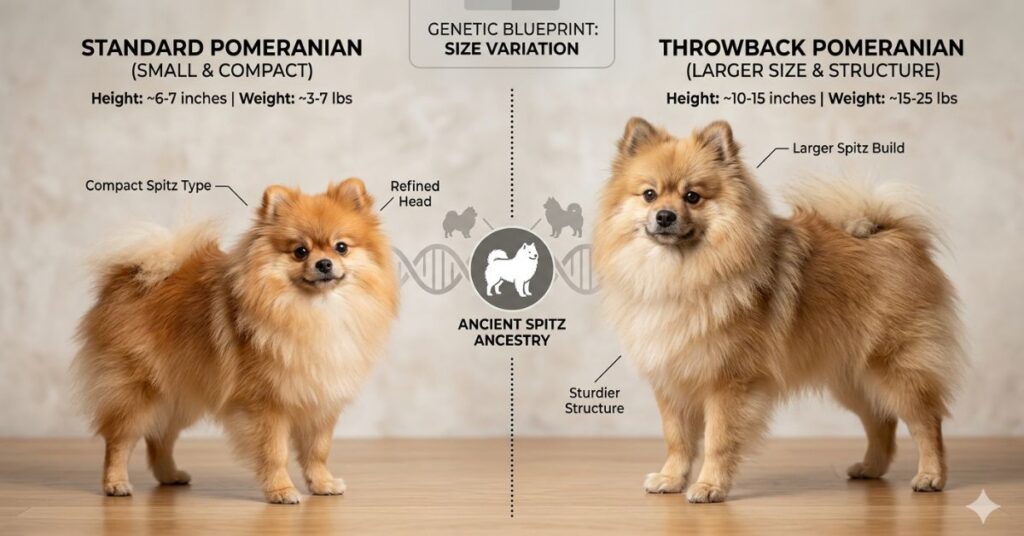
The concept of the breeds of Pomeranian becomes especially interesting when you examine their genetic blueprint, particularly in the case of throwback variations. Although modern standards define small-sized dogs, the genetic history of the Pomeranian breed traces back to much larger Spitz-type ancestors.
These ancestral traits still exist in the gene pool, which explains why some dogs unexpectedly grow larger than the typical size range. This phenomenon, known as the throwback Pomeranian, reflects how hidden genetic traits can reappear even in carefully bred lines of the Pomeranian breed.
When breeders work within the breeds of Pomeranian, they often focus on maintaining smaller sizes, but recessive genes can override these efforts. As a result, some Pomeranians develop stronger bone structures, longer limbs, and increased body mass compared to standard expectations. These variations highlight the genetic diversity present within the breeds of Pomeranian and demonstrate that size alone does not define breed quality. In many cases, throwback Pomeranians benefit from improved structural strength and overall resilience, making them healthier than extremely small variations within the breed of Pomeranian.
Breeds of Pomeranian|Growth Chart by Week and Predicting Adult Size
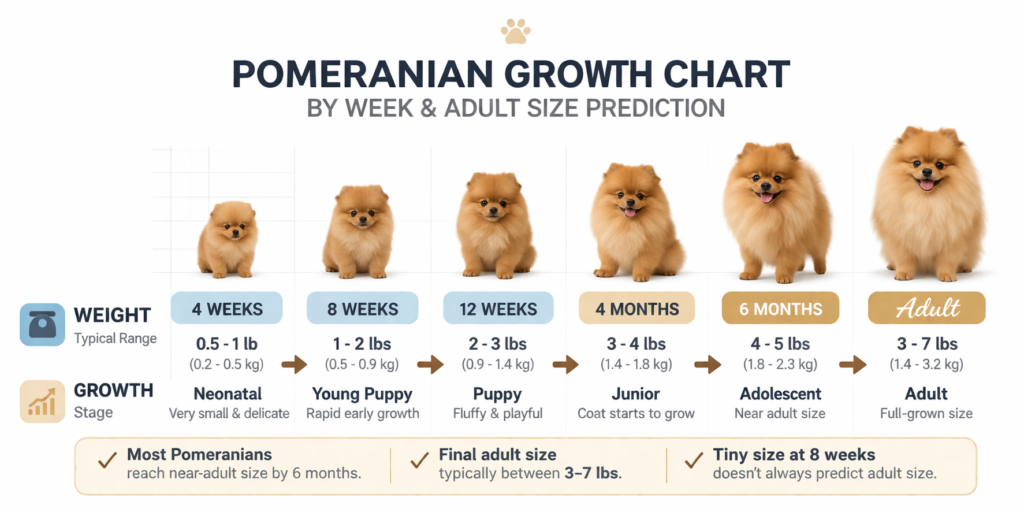
Monitoring a Pomeranian’s growth allows owners to estimate adult size and detect potential health issues early. Puppies grow rapidly during the first few months, with weight increasing steadily before stabilizing as they approach maturity. Consistent tracking helps identify abnormalities such as underfeeding, overfeeding, or developmental delays.
Breeds of Pomeranian|Growth Reference Table
| Age (Weeks) | Expected Weight |
| 4 weeks | 0.5–1 lb |
| 8 weeks | 1–2 lbs |
| 12 weeks | 2–3 lbs |
| 16 weeks | 3–4 lbs |
| Adult | 3–7 lbs |
Regular monitoring ensures that your puppy develops within a healthy range and allows timely intervention if needed.
Breeds of Pomeranian| Nutrition & Caloric Needs

Pomeranians require nutrient-dense diets due to their high metabolic rate and small stomach capacity. Their bodies burn energy quickly, so they need food that delivers maximum nutrition in small portions. High-quality protein supports muscle maintenance, while healthy fats improve coat condition and energy levels.
Facial structure also plays a role in feeding efficiency. Dogs with shorter muzzles may struggle with larger kibble, which affects chewing and digestion. Therefore, owners should choose small, easily chewable food designed for toy breeds. Consistent feeding schedules and portion control further help maintain stable energy levels and prevent obesity or nutrient deficiencies.
Breeds of Pomeranian|Small Dog Syndrome and Behavior
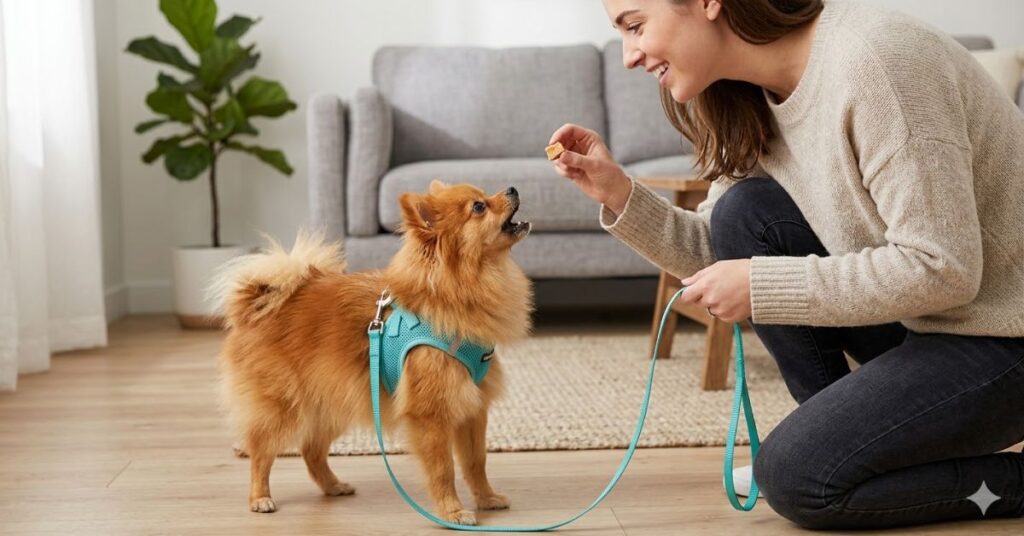
Small Dog Syndrome develops when owners unintentionally reinforce undesirable behaviors by treating small dogs differently from larger breeds. Pomeranians naturally display confidence and alertness, but inconsistent discipline can lead to excessive barking, aggression, and attention-seeking behavior.
Owners often overlook training because of the dog’s size, which creates behavioral imbalances over time. Proper training, early socialization, and consistent boundaries help prevent these issues. When owners apply structured training methods, Pomeranians become well-behaved, confident companions rather than overly reactive pets.
Breeds of Pomeranian| Common Health Issues and Variations
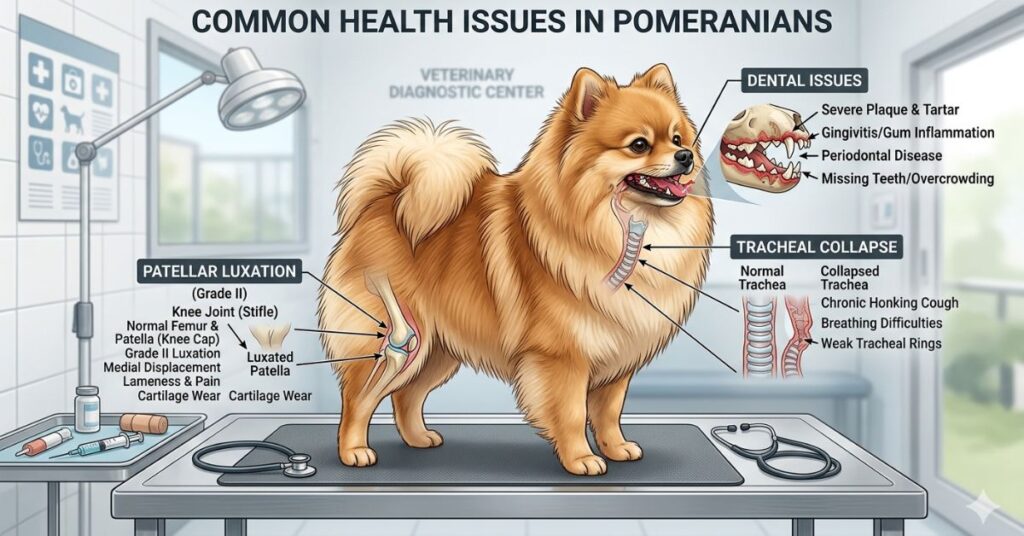
Pomeranians face several health challenges due to their small size and selective breeding history. Common issues include patellar luxation, dental disease, and tracheal collapse. Facial structure also influences respiratory efficiency, particularly in dogs with shorter muzzles.
Regular veterinary checkups, proper nutrition, and responsible breeding significantly reduce these risks. Early detection plays a critical role in managing health problems effectively. Owners who stay proactive about healthcare can extend their dog’s lifespan and improve overall quality of life.
Breeds of Pomeranian|Are They Hypoallergenic? Myth Explained
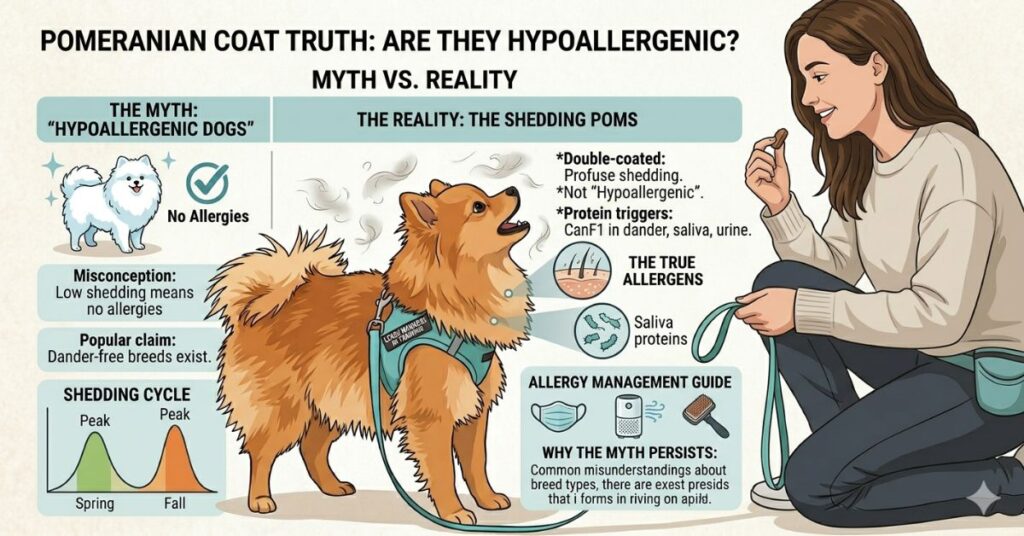
Many people assume that small dogs produce fewer allergens, but this belief does not apply to Pomeranians. Their double coat sheds regularly and releases dander into the environment. While grooming helps control loose hair, it does not eliminate allergens.
Individuals with allergies should spend time around the breed before committing. This approach helps determine whether they can tolerate the dog’s presence without discomfort.
Breeds of Pomeranian|Life Expectancy by Type and Size
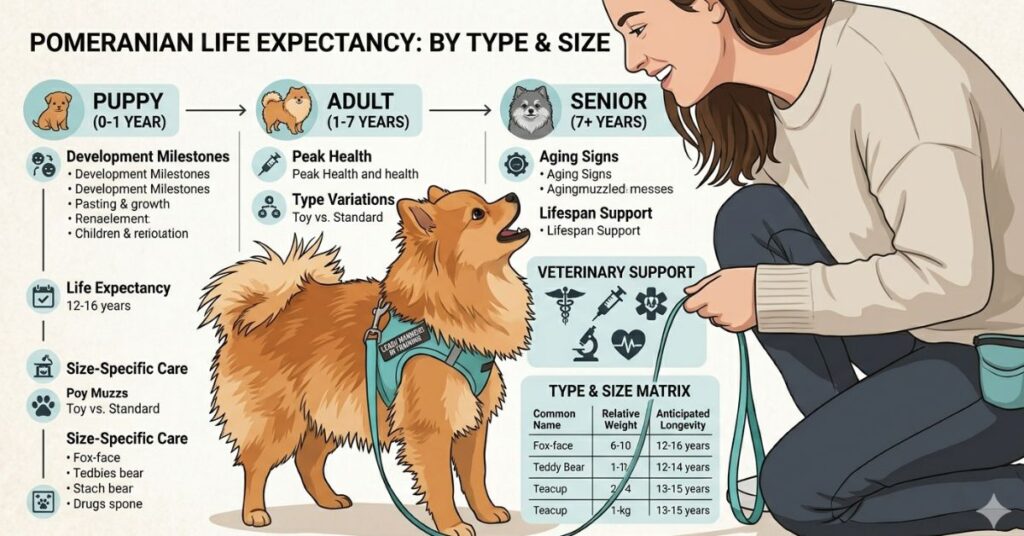
Pomeranians generally live long lives, especially when compared to larger breeds. However, extreme size variations, such as teacup Pomeranians, often experience shorter lifespans due to underlying health complications. Genetics, diet, and healthcare play the most important roles in determining longevity.
Standard Pomeranians typically live between 12 and 16 years, while poorly bred or undersized dogs may have reduced life expectancy. Providing balanced nutrition, regular exercise, and preventive healthcare ensures a longer, healthier life.
FAQs
How many breeds of Pomeranian exist?
Only one official breed exists, but it includes multiple variations.
Which Pomeranian type is healthiest?
Fox-face Pomeranians generally have fewer structural health issues.
Is a teacup Pomeranian safe to buy?
Teacup Pomeranians often face serious health risks due to extreme breeding.
What is a Throwback Pomeranian?
It is a larger Pomeranian that inherits traits from its Spitz ancestors.
Do Pomeranians need special diets?
Yes, they require nutrient-dense food designed for small, high-energy dogs.
Conclusion:
Understanding the breeds of Pomeranian requires looking beyond marketing terms and focusing on genetics, health, and responsible breeding. While variations such as teddy-bear or teacup may attract attention, they often introduce additional risks that owners must consider carefully.
By choosing a well-bred Pomeranian, providing proper nutrition, and maintaining consistent training, you can ensure a healthy and balanced life for your dog. Knowledge and responsible decision-making remain the most powerful tools for any Pomeranian owner.
About the Author|Dr. Gulnaz Malik, DVM, MSc
Dr. Gulnaz Malik is a Doctor of Veterinary Medicine with a Master’s degree in Animal Nutrition. She specializes in small-breed health, canine genetics, and evidence-based care. She provides expert guidance to help pet owners improve their dogs’ long-term health and well-being.