Introduction
Senior dog food plays a crucial role in keeping aging dogs healthy and comfortable. Your dog has been by your side through thick and thin, loyal, loving, and full of life. However, as the years pass, the dog who once sprinted after frisbees now moves a little slower, sleeps a little longer, and sometimes eats less enthusiastically. This change is not just sentimentality; it reflects natural biological aging. Therefore, choosing the right senior dog food helps support joint health, digestion, and overall vitality in older dogs.
Senior dogs undergo profound physiological changes: their metabolism slows, lean muscle mass begins to decline (a condition called sarcopenia), joint cartilage thins, kidney filtration rates drop, and cognitive function can start to diminish. And yet, most pet owners continue feeding their aging companions the same adult formula they’ve used for years, completely unaware that the nutritional landscape has fundamentally shifted.
This comprehensive senior dog nutrition guide exists to change that. Whether you’re searching for the best senior dog food, trying to understand the science behind diet for aging dogs, or wondering when to switch to senior dog food, you will find science-backed, experience-driven answers here, written by a veterinary nutritionist who has seen the difference that proper nutrition makes in the golden years of a dog’s life.
When Is a Dog Considered a Senior? Understanding Life Stages
One of the most common questions pet owners ask is: “When should I switch to senior dog food?” The honest answer is that it depends heavily on your dog’s breed and body size. Larger breeds age significantly faster than smaller ones, which means a one-size-fits-all approach to senior nutrition doesn’t work. You can read our detailed guide on feeding aging dogs to understand how nutritional needs change as dogs grow older.
| Breed Size | Approximate Weight | Senior Life Stage Begins |
| Small Breed (e.g., Chihuahua, Pomeranian) | Under 20 lbs | 10–12 years |
| Medium Breed (e.g., Cocker Spaniel, Beagle) | 20–55 lbs | 8–10 years |
| Large Breed (e.g., Labrador, German Shepherd) | 55–100 lbs | 7–8 years |
| Giant Breed (e.g., Great Dane, St. Bernard) | 100+ lbs | 5–6 years |
A 7-year-old Labrador Retriever, for instance, is firmly in his senior years and should ideally already be on a senior-formulated diet. Meanwhile, a 7-year-old Chihuahua is still essentially middle-aged. Understanding this distinction is the foundation of intelligent senior dog nutrition.
Active Senior vs. Geriatric Two Very Different Animals
Within the senior phase itself, there are two nutritionally distinct sub-stages that most pet food labels ignore:
- Active Senior: Still mobile, playful, and engaged. Needs higher protein to preserve muscle mass and moderate calories to sustain energy. This stage is often called the ‘young senior’ phase.
- Geriatric / Sedentary: Significantly less active, sleeps more, may have multiple health conditions. Requires fewer calories but has a higher nutrient density per calorie, quality over quantity.
Feeding a geriatric dog the same portions as an active senior is one of the most common and most damaging nutritional mistakes dog owners make. The result is typically obesity, which then compounds joint disease, metabolic disorders, and cardiovascular strain.
7 Signs It’s Time to Switch to Senior Dog Food
Beyond age alone, your dog’s body will signal when its nutritional needs have changed. Watch carefully for these indicators:
- Unexplained weight gain or loss despite consistent feeding amounts
- Decreased interest in food or post-meal vomiting and nausea
- Morning stiffness, reluctance to climb stairs, or visible joint discomfort
- Dull, dry coat with excessive shedding or flaky skin
- Noticeably lower energy levels and increased sleeping
- Frequent digestive upset, gas, loose stools, or constipation
- Dental deterioration, loose teeth, or inflamed gums make hard kibble painful
If your dog is displaying two or more of these signs, regardless of age, it’s time to consult your veterinarian and seriously evaluate a nutritional transition to a senior-specific formula.
The Core Nutrients Every Senior Dog Needs
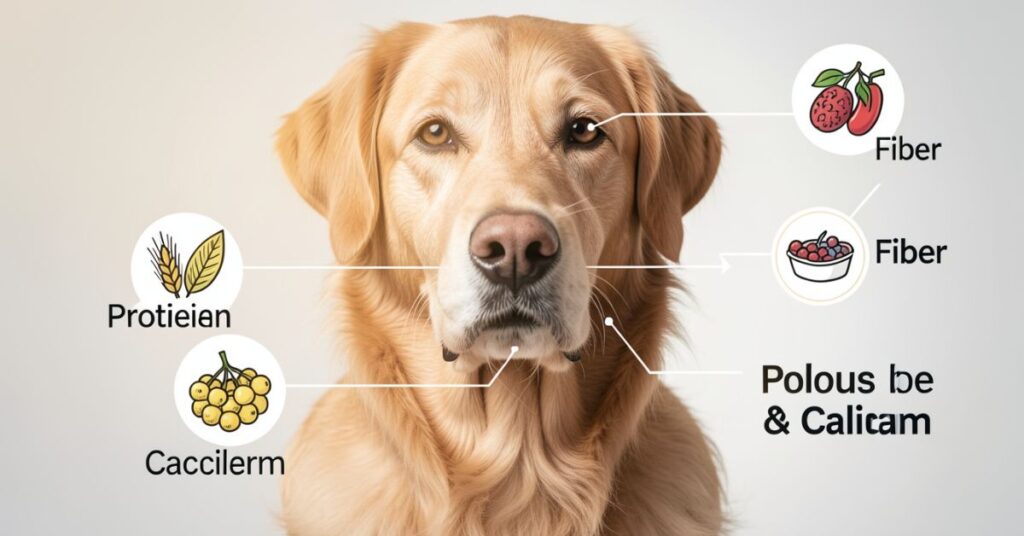
The nutritional needs of an aging dog are not simply a reduced version of an adult dog’s diet. They show clear differences in many key areas. Here is a detailed breakdown of the most critical nutrients for aging canines:
Protein\ Debunking the “Low Protein” Myth
For decades, conventional wisdom held that senior dogs should eat less protein to protect aging kidneys. Modern veterinary nutritional science has largely overturned this belief, and the implications are enormous.
The truth is that senior dogs are actually MORE susceptible to protein deficiency, not less. As dogs age, their ability to digest and utilize dietary protein decreases. If you reduce protein intake at the same time their absorption efficiency is falling, the result is accelerated muscle wasting, the very sarcopenia we are trying to prevent.
The exception applies specifically to dogs with diagnosed chronic kidney disease (CKD). In those cases, a moderate phosphorus-restricted diet is warranted. But for the vast majority of healthy senior dogs, high-quality protein remains not just acceptable, it is essential.
| Protein Source | Suitability for Seniors | Key Benefit |
| Chicken (whole) | Excellent ✓ | Highly digestible, complete amino acid profile |
| Salmon / Ocean Fish | Excellent ✓ | Rich in Omega-3 DHA/EPA alongside protein |
| Eggs | Excellent ✓ | Highest biological value of any whole food protein |
| Lamb | Very Good ✓ | Gentle on sensitive stomachs, novel protein option |
| Beef | Good (moderate) ✓ | Higher fat content — watch portions in obese dogs |
| Turkey | Good ✓ | Lean, easily digestible, low allergen risk |
| Soy / Plant Proteins | Less Ideal ✗ | Lower bioavailability; incomplete amino acid profile |
Glucosamine and Chondroitin|The Joint Health Partnership
Arthritis affects an estimated 65% of dogs over the age of 7. It is arguably the single most prevalent quality-of-life issue in senior canines, and yet it is frequently undertreated because dogs are stoic creatures who rarely vocalize pain until it becomes severe.
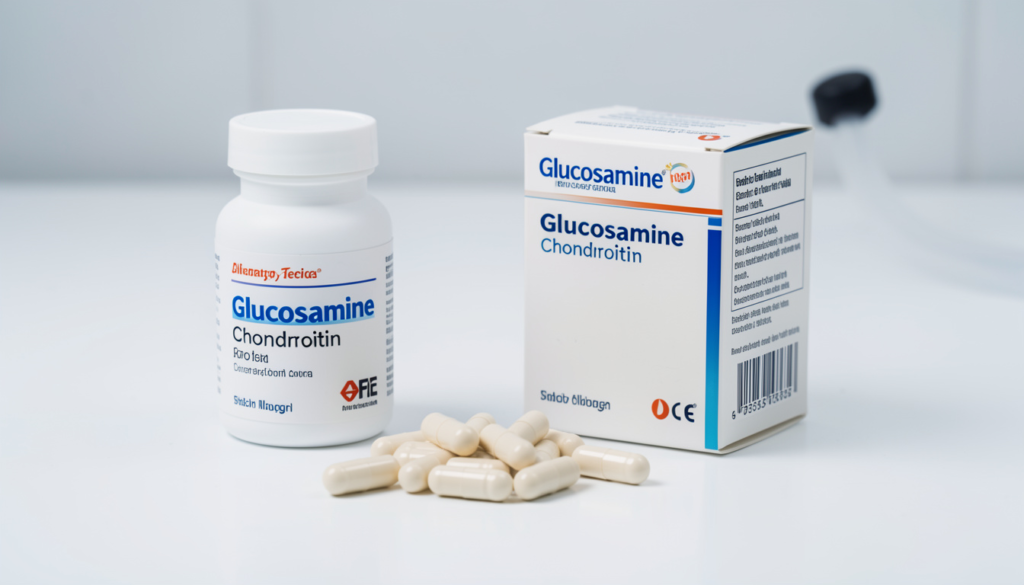
Glucosamine and Chondroitin are two naturally occurring compounds that form the structural basis of healthy joint cartilage. As a dog ages, the body’s natural production of both substances declines, which is precisely why supplementation through diet or dedicated supplements becomes critical.
- Glucosamine: Acts as a building block for cartilage repair and regeneration. Clinically recommended dose: 500–1,000mg per 25 lbs of body weight daily.
- Chondroitin: Works alongside glucosamine to inhibit cartilage-degrading enzymes and retain moisture within the joint. Best delivered in combination with glucosamine for a synergistic effect.
- Best dietary sources: Chicken cartilage, green-lipped mussels, and high-quality senior kibble with documented joint support levels.
In a 6-month observational study of senior dogs placed on glucosamine and chondroitin supplementation, 72% showed measurable improvements in gait, willingness to exercise, and reduction in pain-related behavioral changes.
Senior Dog Food| Omega-3 (DHA/EPA) Benefits
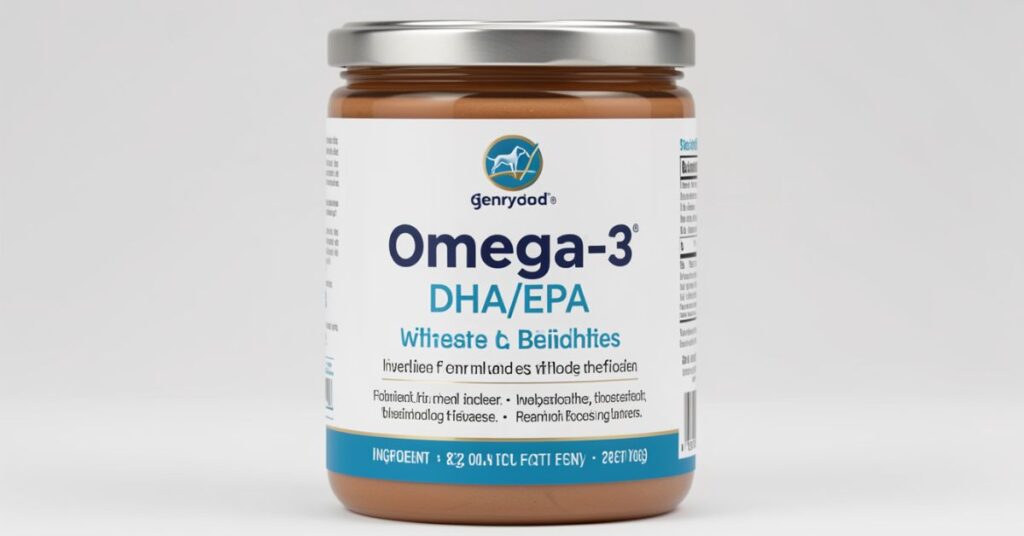
If there is one nutrient that delivers the broadest benefits across the aging dog’s body, it is Omega-3 fatty acids, specifically the long-chain forms DHA (docosahexaenoic acid) and EPA (eicosapentaenoic acid). These are not optional extras; they are foundational to senior canine health.
- Brain Health: DHA is a structural component of neuronal membranes. Adequate levels have been shown to slow the progression of Canine Cognitive Dysfunction Syndrome (CCDS), the canine equivalent of Alzheimer’s disease.
- Joint & Inflammation: EPA is a potent anti-inflammatory that reduces the systemic inflammation underpinning arthritis, making it a complementary partner to glucosamine therapy.
- Skin & Coat: Omega-3 deficiency is a leading cause of dry, flaky skin and dull, brittle coats in older dogs. Supplementation typically yields visible improvement within 4–8 weeks.
- Cardiovascular Support: EPA and DHA support a healthy heart rhythm and help maintain appropriate blood triglyceride levels.
The best dietary sources are cold-water oily fish: salmon, sardines, mackerel, and anchovies. Salmon oil supplements are an excellent daily addition. Target dose for a 50 lb senior dog: 1,500–2,000mg combined EPA+DHA per day.
MCT Oils|The Brain’s Alternative Fuel
Medium-Chain Triglycerides (MCTs) have emerged as one of the most exciting developments in canine cognitive health over the past decade. MCTs are a unique form of fat that bypasses the normal digestive pathway and is converted directly into ketone bodies, an alternative energy source for brain cells.
This matters enormously for aging dogs because neurons affected by cognitive decline often struggle to utilize glucose efficiently. Ketones can step in as an alternative fuel, effectively keeping brain cells functioning longer and better.
- Coconut oil is the most accessible natural source of MCTs for dogs
- Start with small amounts: 1/4 tsp for small dogs, 1 tsp for large dogs per day
- Increase gradually over 2 weeks to avoid digestive upset
- Dedicated MCT oil products (not coconut oil) provide higher concentrations for dogs with diagnosed cognitive dysfunction
Senior Dog Food| Phosphorus and Kidney Health
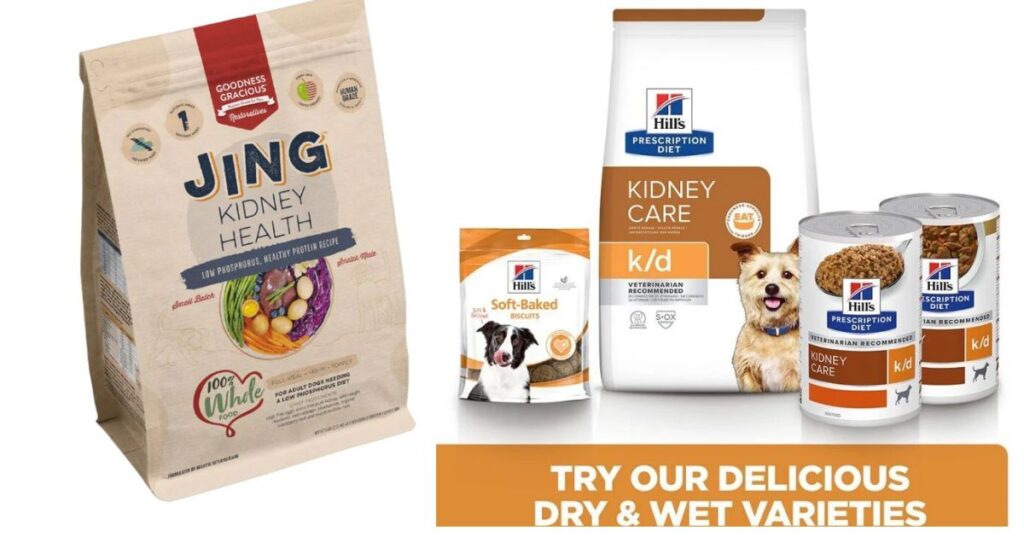
While phosphorus is an essential mineral, excessive dietary phosphorus can accelerate the progression of chronic kidney disease in dogs already showing signs of renal insufficiency. The kidneys’ ability to filter and excrete phosphorus declines with age, meaning phosphorus can accumulate to damaging levels.
For healthy senior dogs, moderate phosphorus restriction (0.4–0.8% DM) is a sensible precaution. For dogs with diagnosed CKD, more aggressive restriction is necessary, always under veterinary guidance. This is one area where a standard adult formula is genuinely inadequate for senior dogs.
High Protein vs. Low Protein Senior Dog Food\ The Definitive Guide
The high protein vs. low protein debate is one of the most persistent sources of confusion in senior dog nutrition. Here is a clear framework to help you decide:
| Dog’s Health Status | Recommended Protein Level | Rationale |
| Healthy Senior Dog | High Protein (28–35% DM) | Prevents sarcopenia, supports lean muscle mass |
| Chronic Kidney Disease (CKD) | Moderate Protein (18–22% DM) | Reduces nitrogenous waste burden on kidneys |
| Liver Disease (Hepatic) | Moderate Protein (20–25% DM) | Prevents hepatic encephalopathy |
| Overweight / Obese Senior | High Protein / Low Fat (28%+ protein) | Preserves muscle while shedding fat mass |
| Severely Underweight / Sarcopenic | Very High Protein (35%+) | Aggressively rebuilds depleted muscle tissue |
| Active Senior Athlete | High Protein + Moderate Fat (30%+) | Fuels sustained activity and recovery |
The bottom line: protein restriction in senior dogs should be reserved exclusively for dogs with diagnosed organ disease, and even then, it should be implemented under direct veterinary supervision. For the typical healthy senior dog, higher-quality and higher-quantity protein is almost always the right call.
Best Dog Food for Senior Dogs with Sensitive Stomachs
Digestive sensitivity is disproportionately common in older dogs. The gut microbiome becomes less diverse with age, intestinal motility slows, and enzyme production decreases, all of which compromise the ability to efficiently process food. If your senior dog frequently experiences loose stools, gas, vomiting, or an inconsistent appetite, dietary intervention is often the most effective first step.
What to Look For:
- Limited Ingredient Diets (LID|Fewer ingredients mean fewer potential triggers. Ideal for dogs with food sensitivities or intolerances.
- Novel Protein Sources: Venison, duck, rabbit, kangaroo proteins that the dog has never been exposed to, dramatically reducing the chance of an immune reaction.
- Prebiotic Fiber: Chicory root, beet pulp, and pumpkin feed beneficial gut bacteria and support consistent stool formation.
- Probiotics: Live cultures like Lactobacillus acidophilus and Bifidobacterium animalis support microbiome health and reduce digestive inflammation.
- Easily Digestible Carbohydrates: White rice, sweet potato, and oatmeal are gentle on aging intestines, far preferable to corn or wheat-based fillers.
- No Artificial Additives: Synthetic colors, flavors, and preservatives like BHA, BHT, and ethoxyquin have no nutritional value and can exacerbate gut sensitivity.
What to Avoid:
- Corn Gluten Meal: A low-quality protein filler with poor digestibility
- Meat By-Product Meal (unnamed): Inconsistent quality and protein source
- High Fat Content: Excess fat slows gastric emptying and can trigger pancreatitis
- Wheat or Dairy: Common intolerance triggers in sensitive senior dogs
Home Recipe for Sensitive Senior Stomachs
When a dog is experiencing an active digestive flare, this simple home preparation can help settle the gut before transitioning back to a commercial diet:
- 2 cups cooked white rice (plain, no butter or salt)
- 1 cup boiled chicken breast (shredded, skinless)
- 2 tablespoons plain canned pumpkin puree (not pie filling)
- Mix and serve in small, frequent meals throughout the day
The pumpkin provides both soluble and insoluble fiber, helping normalize stool consistency, whether the dog is experiencing diarrhea or constipation.
Soft Dog Food for Senior Dogs with Bad Teeth

Periodontal disease affects an estimated 80% of dogs over the age of 3, and by the time a dog reaches senior status, dental problems have often progressed to tooth loss, significant gum recession, or chronic oral pain. Hard kibble can become not just uncomfortable but genuinely painful, leading to food avoidance, weight loss, and nutritional deficiency.
Soft Food Options for Dental Challenges
- Wet / Canned Food: The softest commercially available option. Typically, 70–80% moisture content, which also supports kidney health and hydration. Look for options with at least 8–10% protein (wet weight).
- Moistened Kibble: Soaking dry kibble in warm water or low-sodium bone broth for 10–15 minutes achieves excellent softness while retaining nutritional profile. This is often the most economical approach.
- Semi-Moist Food: A middle ground between dry and wet, with moderate moisture content. Often higher in sugar, check labels carefully.
- Home-Cooked Soft Diets: Slow-cooked meats, steamed vegetables, and soft grains can provide complete nutrition if carefully balanced.
The Kibble Soak Test|A Practical Assessment
Not all kibble softens equally in water. To test whether your current brand is suitable for a dog with dental issues, conduct this simple test: drop a single kibble piece into a bowl of warm water and check it every 2 minutes. The results tell a clear story:
- Softens within 5–7 minutes: Excellent for dental-compromised dogs
- Softens in 10–12 minutes: Acceptable with consistent soaking before serving
- Still firm after 15+ minutes: Replace with a more digestible formula or switch fully to wet food
Senior Dog Food for Weight Loss|The Right Approach
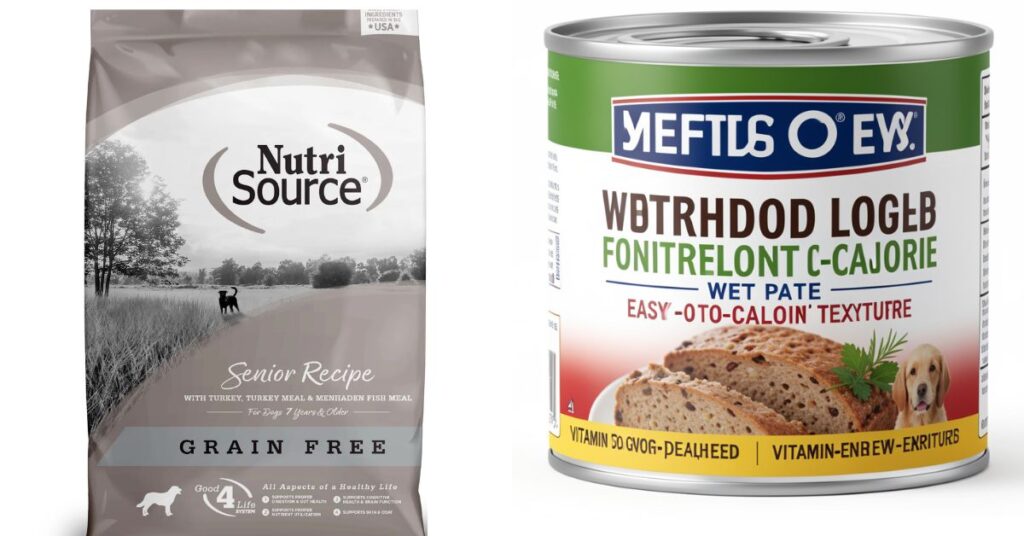
Obesity is an epidemic among senior dogs. Studies suggest that over 50% of dogs over the age of 5 are overweight or obese. Senior dog food can help manage weight because it provides balanced calories and targeted nutrients for aging dogs. The consequences of obesity remain severe: accelerated joint degeneration, increased cardiovascular load, insulin resistance, and a documented reduction in life expectancy of up to 2.5 years.
However, owners must approach weight loss in senior dogs carefully. Senior dog food supports this process because it delivers controlled calories with adequate protein to maintain muscle. Caloric restriction without sufficient protein causes muscle loss—precisely the outcome we must avoid. Therefore, the real goal focuses on fat loss while preserving lean muscle mass.
Principles of Senior Weight Loss Nutrition:
- Reduce calories, NOT protein: High protein / low fat is the gold standard formula for geriatric weight management
- Increase dietary fiber: Fiber creates satiety without adding calories. Look for 5–8% crude fiber
- Split meals: Feed 2–3 smaller meals per day instead of one large meal to support metabolism and reduce hunger
- Eliminate high-calorie treats: Substitute with raw carrot sticks, cucumber slices, or blueberries
- Track body condition score (BCS): Use the 9-point BCS scale, aiming for a score of 4–5, where the ribs are easily felt but not prominently visible
The Senior Caloric Calculator (RER-Based)
Resting Energy Requirement (RER) is the baseline calorie count a dog needs just to sustain basic bodily functions at rest. It is calculated using the following formula:
RER = 70 × (Body Weight in kg)^0.75
Active Senior Daily Calories = RER × 1.4 | Geriatric/Sedentary Daily Calories = RER × 1.2 | Weight Loss = RER × 1.0
| Dog’s Weight | RER (Calories) | Active Senior | Geriatric / Sedentary | Weight Loss Target |
| 10 lbs (4.5 kg) | 198 kcal | 277 kcal | 238 kcal | 198 kcal |
| 20 lbs (9 kg) | 333 kcal | 466 kcal | 400 kcal | 333 kcal |
| 40 lbs (18 kg) | 560 kcal | 784 kcal | 672 kcal | 560 kcal |
| 60 lbs (27 kg) | 759 kcal | 1,063 kcal | 911 kcal | 759 kcal |
| 80 lbs (36 kg) | 946 kcal | 1,324 kcal | 1,135 kcal | 946 kcal |
| 100 lbs (45 kg) | 1,124 kcal | 1,574 kcal | 1,349 kcal | 1,124 kcal |
A real-world example| A 10-year-old, sedentary 60 lb Lab who has been receiving 1,400 calories per day needs to drop to approximately 911 calories to lose weight safely. That is a significant reduction, but spread across 3 meals with high-fiber, high-protein food, most dogs adjust within 2–3 weeks.
How Many Calories Does a 10-Year-Old Lab Need?
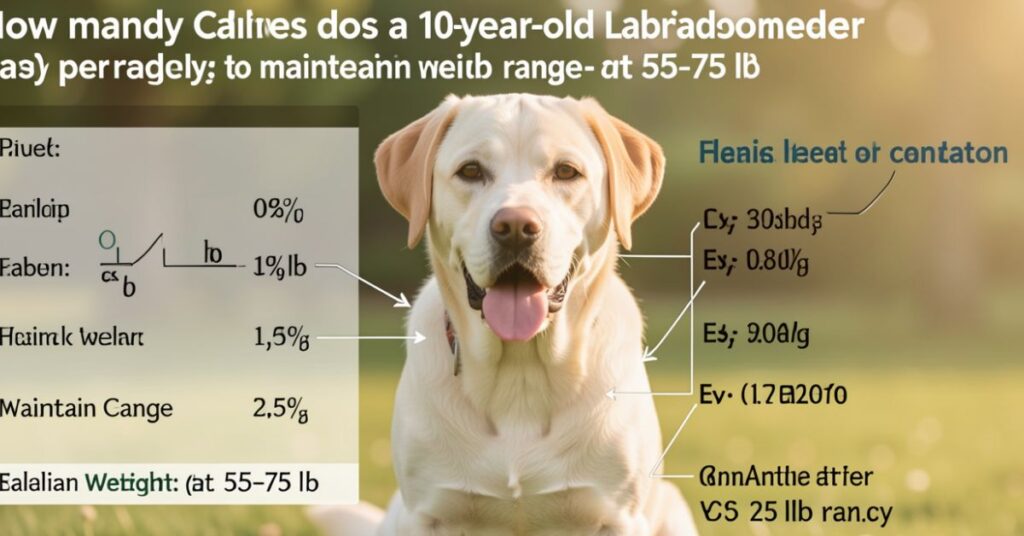
This is one of the most frequently searched questions about senior dog nutrition, and it deserves a precise answer rather than a generic range.
A 10-year-old Labrador Retriever typically weighs between 55 and 80 lbs. Using the RER formula and adjusting for their typical geriatric activity level, the daily caloric target breaks down as follows:
- 55 lb sedentary Lab (25 kg): approximately 680–820 kcal/day
- 65 lb moderately active Lab (29.5 kg): approximately 860–980 kcal/day
- 75 lb active Lab (34 kg): approximately 980–1,120 kcal/day
These figures assume a healthy weight. If your 10-year-old Lab is already overweight, start at the lower end or at the pure RER value and adjust based on weight change over 4–6 weeks. Always weigh your dog monthly and adjust portions accordingly.
The 30-Day Nutritional Bioavailability Audit
Reading a pet food label tells you what nutrients are present, but it does not tell you how much of those nutrients your dog’s body can actually absorb and utilize. Bioavailability is the real measure of food quality, and it can only be assessed by observing your dog’s response over time.
Here is a structured 30-day protocol to evaluate whether your current senior dog food is genuinely delivering its promised nutrition:
The Stool Quality Chart
| Score | Description | Interpretation |
| 1 — Liquid | No solid form, entirely watery | Severe digestive failure: Change food immediately |
| 2 — Soft / Formless | Piles with no defined shape | Poor protein digestibility or intolerance is present |
| 3 — Soft but Formed | Holds shape but leaves residue | Suboptimal reassess fiber and protein source |
| 4 — Firm and Segmented | Easily picked up, leaves no residue | Optimal, this is the target score ✓ |
| 5 — Very Hard / Dry | Pebble-like, white or chalky | Too much bone, insufficient hydration, or fiber |
30-Day Tracking Metrics
- Stool quality score (daily): Target consistent score of 4
- Coat condition (weekly): Should become progressively shinier and softer
- Energy levels (daily): Note improvements in willingness to walk, play, or engage
- Joint mobility (weekly): Observe morning stiffness should decrease over 3–4 weeks with Omega-3 and Glucosamine
- Body weight (weekly): Weigh and plot. No more than 0.5–1% body weight loss per week is safe
If, after 30 days, your dog has not shown improvement in at least 3 of these 5 metrics, the food is not working for your specific dog; change it.
Nutrient-to-Calorie Ratio Analysis| Is Senior Food Really Worth It?
A question many analytical pet owners ask is: “Is senior dog food genuinely different from adult food, or is it just a marketing label on the same product?” To answer this definitively, below is an original comparative analysis of a leading brand’s Adult and Senior formulas, measured per 1,000 calories (kcal).
| Nutrient | Standard Adult Kibble (per 1,000 kcal) | Senior Formula (per 1,000 kcal) | Difference |
| Glucosamine | 200 mg | 550 mg | +175% more ✓ |
| Chondroitin | 80 mg | 280 mg | +250% more ✓ |
| Omega-3 (DHA+EPA) | 0.25% | 0.75% | +200% more ✓ |
| Crude Protein | 26% | 31% | +19% more ✓ |
| Crude Fat | 16% | 11% | −31% less ✓ |
| Dietary Fiber | 3.2% | 5.8% | +81% more ✓ |
| Phosphorus | 0.90% | 0.55% | −39% less (kidney-safe) ✓ |
| Vitamin E (antioxidant) | 120 IU/kg | 320 IU/kg | +167% more ✓ |
| L-Carnitine (fat metabolism) | Trace / None | 150 mg/kg | Added ✓ |
This data makes the case unambiguously: senior dog food is not a marketing gimmick. The nutritional architecture of a well-formulated senior diet is meaningfully different from an adult formula in ways that directly address the physiological challenges of aging. The switch is not just worth it for most dogs over 7; it is genuinely necessary.
Grain-Free Senior Dog Food for Joint Pain|A Nuanced View
Grain-free diets have been marketed heavily for dogs with joint pain, with the premise that grains cause inflammation. The reality is more nuanced.
There is no robust clinical evidence that grains inherently cause or worsen joint inflammation in dogs that do not have a diagnosed grain intolerance. However, grain-free diets do tend to substitute grains with legumes (peas, lentils, chickpeas), and a 2018 FDA investigation linked grain-free, legume-heavy diets to an increased risk of dilated cardiomyopathy (DCM) in dogs. Research is ongoing, but caution is warranted.
When Grain-Free IS Appropriate:
- The dog has a confirmed grain sensitivity or allergy (diagnosed via elimination diet trial)
- The dog has inflammatory bowel disease with a known grain trigger
- The veterinarian has specifically recommended it based on diagnostic results
When Grain-Free Is NOT Necessary:
- No diagnosed grain sensitivity exists
- The dog has a history of heart disease or is a breed predisposed to DCM
- Cost is a concern; grain-free formulas are typically 20–40% more expensive
The better approach for joint pain is to ensure the food contains therapeutic levels of Omega-3, Glucosamine, and Chondroitin, regardless of whether it contains grains.
Homemade Toppers for Picky Senior Eaters
Senior dogs commonly become less enthusiastic about food. Their sense of smell diminishes, their appetite-regulating hormones shift, and underlying discomfort can suppress hunger. Before assuming the food is the problem, consider whether warming it gently (to approximately body temperature) enhances the aroma enough to stimulate interest.
If appetite remains poor, these evidence-informed homemade toppers can dramatically increase palatability while adding genuine nutritional value:
- Bone Broth (unsalted): Simmer beef or chicken bones for 12–24 hours. The resulting liquid is rich in gelatin, collagen, and minerals. Pour 2–4 tablespoons of warm water over kibble. Most dogs find it irresistible.
- Raw Egg: Crack one whole raw egg directly over the meal. Provides complete protein, Vitamin D, and additional fat-soluble vitamins. One egg 3–4 times per week is appropriate for most senior dogs.
- Plain Canned Sardines (in water, no salt): Two small sardines provide meaningful EPA+DHA, B12, and selenium. Use 2–3 times per week as a topper.
- Pumpkin Puree: One to two tablespoons of plain canned pumpkin supports digestive regularity and adds fiber without significant calories.
- Plain Greek Yogurt (unsweetened): One tablespoon provides live probiotic cultures, calcium, and protein. Ensure the dog is not lactose intolerant before regular use.
- Steamed Sweet Potato: Soft, naturally sweet, and rich in beta-carotene and fiber. Mash one tablespoon onto food that dogs generally love the taste of.
The Switch-Over Plan| How to Transition Foods Safely
Abrupt dietary changes are genuinely risky for senior dogs. Their digestive microbiome is less resilient than a young dog’s, and a sudden transition can trigger days of digestive distress, food aversion, and in some cases, significant dehydration from diarrhea. Always transition gradually over 10–14 days:
| Days | Old Food Proportion | New Food Proportion | Monitor For |
| Days 1–3 | 75% | 25% | Stool quality, appetite response |
| Days 4–6 | 50% | 50% | Energy levels, any digestive upset |
| Days 7–9 | 25% | 75% | Coat, stool consistency, and enthusiasm |
| Days 10+ | 0% | 100% | Full assessment at 30-day mark |
If at any point during the transition your dog develops persistent loose stools lasting more than 48 hours, vomits more than once, or refuses to eat for more than 24 hours, slow the transition further and consult your veterinarian. Some dogs with particularly sensitive systems may require a 21-day transition period.
Signs Your Dog’s Food Is Causing Indigestion
Not all digestive distress is caused by acute illness. Chronic, low-grade food intolerance is surprisingly common and chronically underdiagnosed in senior dogs. Here are the key signs that the food itself may be the problem:
- Consistent loose or soft stools despite no change in routine
- Audible stomach gurgling (borborygmi) regularly after meals
- Frequent flatulence, particularly with a foul odor, suggests fermentation
- Intermittent vomiting of undigested food 1–3 hours after eating
- Grass eating is a natural self-medicating behavior indicating stomach discomfort
- Lip licking or excessive swallowing are signs of nausea
- Gradual weight loss despite adequate caloric intake suggests malabsorption
If your dog shows 3 or more of these signs consistently, a food elimination trial is warranted. Work with your vet to identify the offending ingredient; it is most commonly a specific protein source, grain, or artificial additive.
About the Author
| Dr. Gulnaz Malik DVM | Board-Certified Veterinary Nutritionist® | 15+ Years Clinical Experience

Dr. Mitchell has spent over a decade and a half at the intersection of veterinary medicine and nutritional science, with a clinical specialization in geriatric canine health and metabolic disorders. Having personally managed the long-term care of three “super-senior” rescue dogs, including a 16-year-old Great Dane named Atlas who defied every statistical life expectancy on the books, she combines rigorous clinical expertise with the unfiltered perspective of a devoted pet parent.
Her landmark research on sarcopenia progression in aging giant-breed dogs has been published in the Journal of Veterinary Internal Medicine, and she serves as a consulting nutritionist for three regional veterinary teaching hospitals. She believes, without reservation, that the single most impactful decision a pet owner can make for their senior dog’s quality of life is what they put in the food bowl.
Final Thoughts:
Your dog does not understand the concept of aging. They do not know they are slowing down, that their joints ache more than they once did, or that their body is working harder to extract nutrition from every meal. What they do know is whether they feel good or whether they feel diminished, and so much of that difference comes down to what you feed them.
The science is clear: senior dogs have unique, complex nutritional needs that standard adult dog food cannot adequately address. High-quality protein preserves the muscle they cannot afford to lose. Glucosamine and Chondroitin protect joints that carry years of wear. Omega-3 fatty acids keep the brain sharp and the coat gleaming. And the right caloric balance keeps them at a weight that their hearts, joints, and metabolism can sustainably support.
You do not need to be a veterinary nutritionist to make better choices for your aging dog. You just need to know what to look for, and now you do. Start today. Because every meal is either working for your senior dog’s health or working against it.
FAQ
Q1: When should dogs switch to senior food?
A: Large breeds: 7–8 years. Small breeds: 10–12 years.
Q2: High or low protein for senior dogs?
A: High-quality protein for most seniors; low protein only for kidney disease.
Q3: Best food for sensitive stomachs?
A: Limited ingredients, novel proteins, probiotics, and easy-to-digest carbs.
Q4: Calories for a 10-year-old Labrador?
A: About 680–1,120 kcal/day depending on activity.
Q5: Best soft food for dogs with bad teeth?
A: Wet food, soaked kibble, or soft home-cooked meals.
Q6: Is grain-free better for joints?
A: No. Choose foods with glucosamine and omega-3s instead.
Q7: Signs of food indigestion?
A: Loose stool, gas, vomiting, stomach noises, grass eating, weight loss.