Introduction
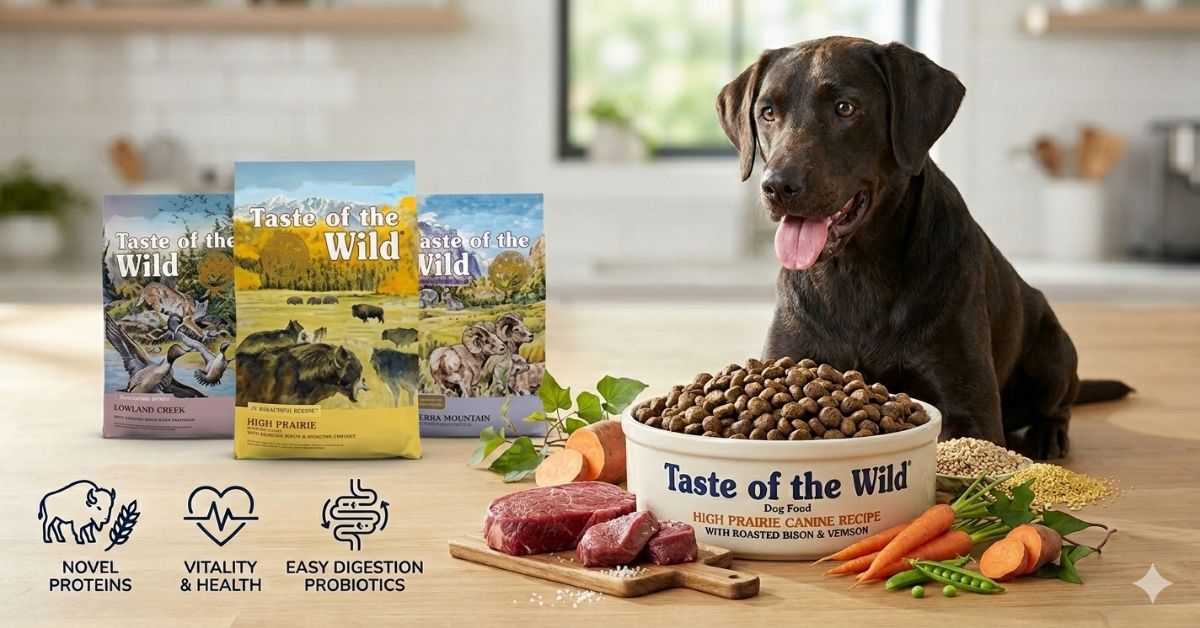
Taste of the Wild dog food review 2026 helps you understand whether this brand is the right choice for your dog’s nutrition, health, and overall well-being. Moreover, choosing the right dog food plays a crucial role in your dog’s energy levels, digestion, longevity, and overall health. In fact, the right formula can significantly improve long-term wellness and daily performance. Therefore, this review examines key nutritional factors in detail to provide a clear and reliable understanding of their value.
”Additionally, we compare it with Purina Pro Plan to highlight important differences in quality, ingredients, and formulation. Furthermore, we analyze grain-free versus ancient-grain formulas to better understand their nutritional impact. At the same time, we also explore concerns such as DCM, legumes, probiotics, and digestibility. Meanwhile, these concerns are frequently discussed in veterinary nutrition studies and pet health research. Consequently, they play a key
About the Author
Dr. Gulnaz Malik, DVM, MSc
Dr. Gulnaz Malik is a practicing veterinarian and animal nutrition specialist with extensive clinical experience in canine diet formulation, metabolic health, and breed-specific dietary sensitivities. Her evaluation approach combines ingredient auditing, nutritional science, and clinical observation of patient outcomes to assess pet food performance in real-world conditions.
Taste of the Wild Dog Food Brand Overview|Is It Worth It?
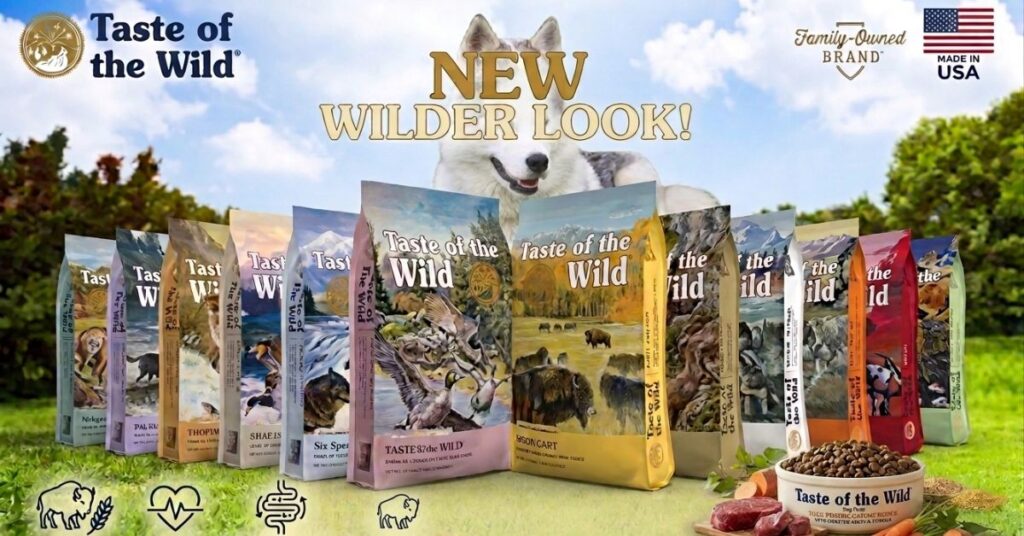
Taste of the Wild is known for producing premium pet food inspired by ancestral canine diets. The brand emphasizes:
- Novel protein sources such as bison, venison, and salmon
- Grain-free and ancient grains recipes
- Inclusion of probiotics for digestive health
- Balanced formulas designed for different life stages
The brand is manufactured by Diamond Pet Foods, a well-established company operating multiple production facilities in the United States. Their manufacturing infrastructure supports large-scale production while maintaining quality control standards.
Taste of the Wild dog food|Product Line Overview
Core Formula Categories
Taste of the Wild offers several distinct product lines, each targeting specific nutritional needs:
- High Prairie – Bison and roasted venison-based formula
- Pacific Stream – Salmon-based recipe for skin and coat health
- Sierra Mountain – Lamb-based formula for sensitive digestion
- Ancient Grains Line – Includes sorghum, millet, and quinoa
- PREY Line – Limited ingredient diets with simplified formulations
Each line differs in protein sources, carbohydrate composition, and intended use, allowing owners to choose based on their dog’s sensitivities and preferences.
Taste of the Wild focuses on novel protein sources such as bison, venison, lamb, salmon, and wild boar. These ingredients may help reduce the risk of food sensitivities often linked to common proteins like chicken or beef. This approach supports dogs with dietary allergies and promotes better digestion.
Taste Wild Dog Food|Protein Sources and Novel Ingredients
Taste Wild emphasizes novel proteins such as bison, venison, lamb, salmon, and wild boar. These proteins help reduce the risk of food sensitivities commonly associated with chicken or beef.
Novel protein diets often benefit dogs with:
- Food allergies
- Skin irritation
- Chronic digestive issues
These proteins also provide a diverse amino acid profile that supports muscle maintenance and metabolic health.
Taste Wild Dog Food| Carbohydrate Sources and Legume Content
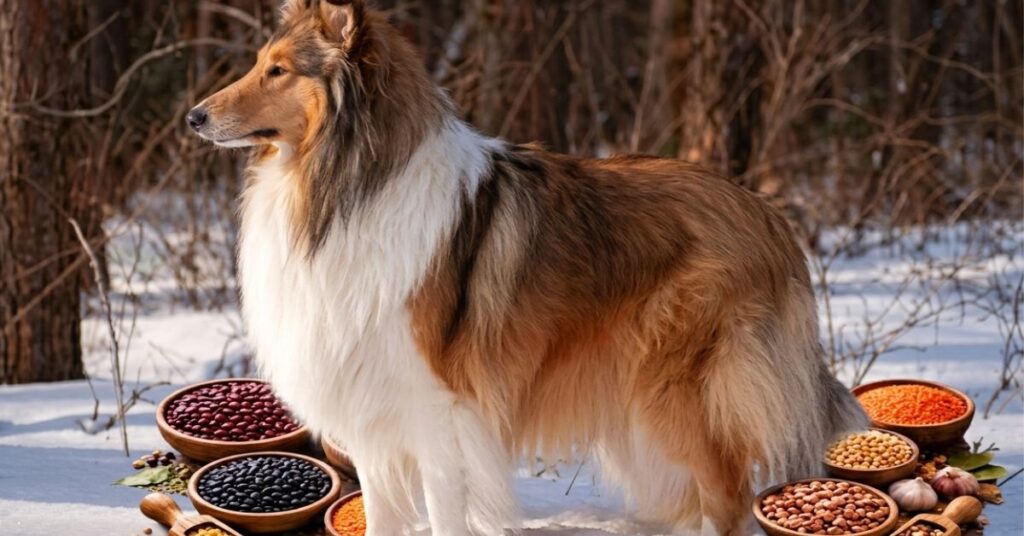
Grain-free formulas typically include legumes such as peas, lentils, and chickpeas. These ingredients provide plant-based protein and fiber but increase overall carbohydrate density.
Ancient grains formulas replace legumes with more digestible grains, such as:
- Sorghum
- Millet
- Quinoa
These grains offer steady energy release and improved digestibility for some dogs.
Taste Wild Dog Food|Probiotics and Digestive Support
Taste of the Wild incorporates proprietary probiotics known as K9 Strain. These probiotics aim to:
- Support gut microbiome balance
- Improve nutrient absorption
- Enhance stool quality
- Strengthen immune response
Because they are added after cooking, they remain viable and active in the final product.
Taste Wild Dog Food|Chelated Minerals and Bioavailability
Chelated minerals improve nutrient absorption by binding minerals to amino acids. This enhances the bioavailability of:
- Zinc
- Iron
- Copper
- Manganese
Improved absorption supports skin health, immune function, and metabolic processes.
Taste Wild Dog Food|Natural Antioxidants
The formulas include antioxidant-rich ingredients such as:
- Blueberries
- Raspberries
- Tomato pomace
These ingredients help neutralize free radicals and support cellular health.
Taste Wild Dog Food| Kibble Lab Ingredient Integrity Audit
Methodology
We evaluate each formula based on:
- First five ingredients
- Macronutrient distribution
- Estimated carbohydrate content
Carbohydrate Calculation Formula
Carbohydrates are estimated using:
Carbs (%) = 100 − (Protein + Fat + Fiber + Moisture + Ash)
Ingredient Comparison Table
| Formula | Protein % | Fat % | Fiber % | Moisture % | Ash % | Estimated Carbs % | Primary Proteins |
| High Prairie | 32 | 18 | 4 | 10 | 8 | ~28% | Bison, Venison |
| Pacific Stream | 25 | 15 | 3 | 10 | 8 | ~39% | Salmon |
| Ancient Grains Lamb | 26 | 15 | 3 | 10 | 8 | ~38% | Lamb |
Interpretation of Results
High Prairie offers higher protein and moderate carbohydrates, making it suitable for active dogs. Taste of the Wild dog food, High Prairie formula, provides a protein-rich profile compared to other options.
Pacific Stream contains slightly higher carbohydrates but supports skin and coat health due to its fish-based protein, and Taste of the Wild dog food Pacific Stream is often chosen for sensitive skin. Ancient Grains formulas balance digestibility with steady energy release, and Taste of the Wild dog food’s Ancient Grains line offers a more grain-inclusive alternative.
Overall, Taste of the Wild dog food provides multiple formula options designed to meet different nutritional needs and preferences.
Taste Wild Dog Food| Veterinary Perspective on Legumes and DCM

Overview of DCM Investigations
Between 2018 and 2026, the FDA investigated a potential link between grain-free diets and dilated cardiomyopathy (DCM). The investigation focused on diets high in legumes and low in traditional grains.
Legume Content in Taste of the Wild
- Grain-free formulas contain higher levels of peas and lentils
- Ancient grains formulas reduce reliance on legumes
- PREY line simplifies ingredients with fewer plant-based additives
Clinical Interpretation
Veterinary experts have not established a direct causal link between Taste of the Wild and DCM. However, balanced amino acid profiles and taurine inclusion in modern formulas help support heart health.
Owners of at-risk breeds should consult a veterinarian before selecting a grain-free diet.
Taste of the Wild Dog Food Review | Complete Guide 2026
Taste of the Wild follows an ancestral-inspired approach by using novel protein sources. In contrast, Purina Pro Plan relies on science-backed formulations supported by extensive research and veterinary testing. As a result, both brands target different nutritional philosophies while aiming to support overall canine health.
Comparison Table
| Feature | Taste of the Wild | Purina Pro Plan |
| Protein Sources | Novel meats | Traditional meats |
| Grain-Free Options | Yes | Limited |
| Research Depth | Moderate | Extensive |
| Specialized Diets | Limited | Extensive veterinary diets |
| Price Range | Mid-premium | Mid-premium |
| Availability | Wide | Very wide |
Key Insights
Taste of the Wild appeals to owners seeking novel protein diets, while Purina Pro Plan suits those prioritizing clinical research and specialized veterinary nutrition.
Best Taste Wild Recipes for Sensitive Stomachs
Recommended Formulas
- Pacific Stream (salmon-based)
- Sierra Mountain (lamb-based)
- PREY Limited Ingredient line
Why These Work
These formulas reduce ingredient complexity and avoid common allergens like chicken or beef. Limited ingredient diets help minimize digestive irritation and improve stool consistency in sensitive dogs.
Grain-Free vs Ancient Grains Formulas
Grain-free formulas frequently integrate legumes like peas, lentils, and chickpeas. These formulas often deliver higher protein levels, while plant-based ingredients contribute a significant portion of the carbohydrates. In addition, they may include a greater reliance on legumes compared to grain-inclusive diets.
Ancient Grains Formulas
Ancient grains formulas include ingredients like sorghum, millet, and quinoa. These grains:
- Improve digestibility
- Provide steady energy release
- Reduce reliance on legumes
Which Should You Choose?
- Choose grain-free for protein-focused diets or grain sensitivities
- Choose ancient grains for balanced digestion and reduced legume intake
Taste Wild Dog Food|Ingredient Splitting and Label Transparency
Ingredient splitting refers to dividing similar ingredients into multiple sub-components to influence their order on the label.
Example:
- Peas
- Pea protein
- Pea fiber
This practice can make plant-based ingredients appear lower in quantity than they actually are. Understanding this concept helps you evaluate ingredient quality more accurately.
Palatability and Digestibility Observations
14-Day Feeding Transition
Dogs typically adapt to new diets over a gradual transition period:
- Days 1–3: Initial adjustment with soft stools
- Days 4–7: Improved stool formation
- Days 8–14: Stable digestion and consistent stool quality
Stool Consistency Trends
Dogs transitioning to lamb-based formulas often show:
- Improved stool firmness
- Reduced digestive upset
- Better nutrient absorption
High-energy breeds tend to adapt faster, while small or sensitive breeds may require a slower transition.
Feeding Transition Guide
Recommended 7-Day Transition Plan
- Days 1–2: 25% new food
- Days 3–4: 50% new food
- Days 5–6: 75% new food
- Day 7: 100% new food
This gradual approach minimizes gastrointestinal stress and allows the gut microbiome to adjust.
Taste Wild Dog Food|Recall History and Manufacturing Safety

Manufacturing Background
Diamond Pet Foods produces Taste of the Wild in multiple facilities with established quality control systems.
Recall Considerations
Taste of the Wild has experienced recalls in the past, primarily related to manufacturing contamination rather than formulation flaws. No widespread ongoing recalls currently affect all products.
Pet owners should always monitor recall updates through official sources to stay informed.
AAFCO Nutritional Adequacy
Taste of the Wild formulas meet AAFCO nutritional standards for:
- Growth (puppies)
- Maintenance (adult dogs)
- All life stages (select formulas)
This ensures complete and balanced nutrition when fed according to guidelines.
Pros and Cons of Taste of the Wild Dog Food
Advantages
- Novel protein sources reduce allergy risk
- Multiple formulas for different needs
- Includes probiotics for gut health
- Competitive pricing in the premium category
- Widely available
Disadvantages
- Grain-free formulas rely heavily on legumes
- Limited veterinary therapeutic diets
- Past recalls may concern some owners
- Less research-backed compared to some competitors
Taste Wild Dog Food| Who Should Use It?
This brand works best for:
- Dogs with mild food sensitivities
- Owners seeking novel protein diets
- Active dogs require a higher protein intake
- Budget-conscious premium buyers
It may not be ideal for:
- Dogs requiring prescription diets
- Severe gastrointestinal conditions
- Owners preferring highly research-driven formulations
Frequently Asked Questions (FAQs)
Is Taste of the Wild good dog food?
Yes, it offers balanced nutrition with novel proteins and probiotics, making it a solid mid-premium option for many dogs.
Is Taste of the Wild safe in 2026?
Yes, when used appropriately. Owners should monitor recall updates and consult a veterinarian for dogs with specific health concerns.
Does Taste of the Wild cause DCM?
No direct causal link has been established. However, owners should evaluate diet composition and consult a vet for at-risk breeds.
Which formula is best for sensitive stomachs?
Pacific Stream and Sierra Mountain formulas are commonly recommended due to their limited and easily digestible ingredients.
How does Taste of the Wild compare to Purina Pro Plan?
Taste of the Wild focuses on novel proteins and ancestral diets, while Purina Pro Plan emphasizes clinical research and specialized veterinary nutrition.
Conclusion
Taste of the Wild remains a strong contender in the premium dog food market in 2026. It offers high-quality proteins, probiotics, and a variety of formulas tailored to different dietary needs. While it may not match the extensive research backing of Purina Pro Plan, it provides excellent value for owners seeking novel protein diets and balanced nutrition.
Ultimately, the best choice depends on your dog’s individual health, sensitivity level, and lifestyle. A gradual transition, proper feeding practices, and regular monitoring will ensure optimal results from any selected formula.