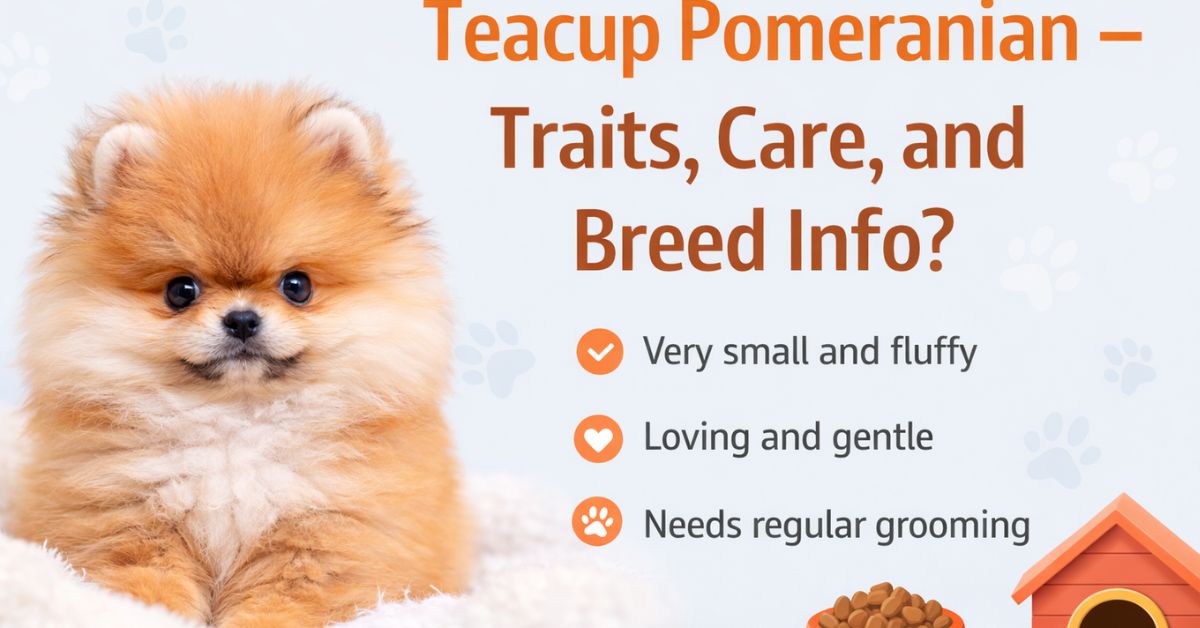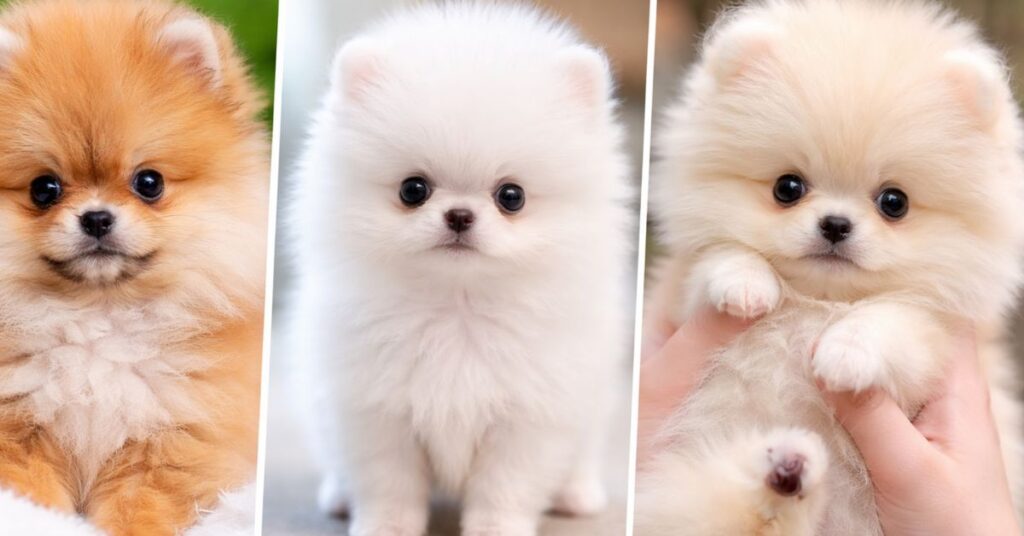
The Teacup Pomeranian is a very small and fluffy dog. It looks cute and friendly. This dog is playful and loves attention. It enjoys staying close to its owner. Because of its tiny size, it needs gentle handling. Loud noise and rough play can scare it easily.
This breed needs special care every day. Soft food, clean water, and a warm place are important. Regular brushing keeps the coat smooth and shiny. Short walks and indoor play keep the dog active. Always visit a vet for health checks.
Quick facts:
- Very small body and soft fur
- Loving and loyal nature
- Needs gentle care and a warm space
Requires regular grooming and ve
What Is a Teacup Pomeranian
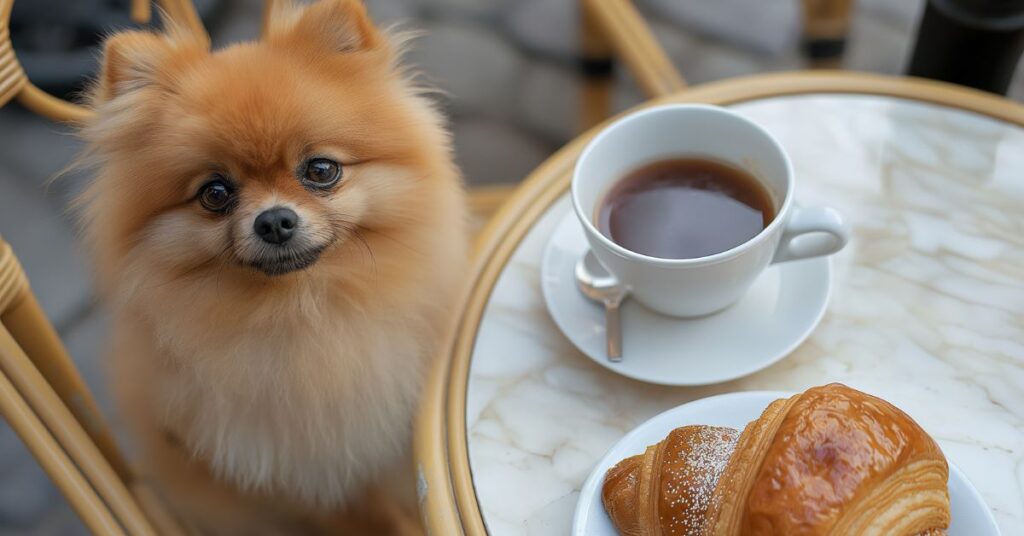
A Teacup Pomeranian is a very small version of the Pomeranian dog. It is known for its fluffy coat and cute face. Many people like this dog because it looks like a tiny toy. It is friendly and loves to stay close to its owner. This dog feels happy when it gets love and attention.
This tiny breed needs gentle care every day. Its body is small and delicate. Rough handling can hurt it. A warm space, soft food, and clean water are essential. Short playtime inside the home is usually enough exercise.
Teacup Pomeranians also need regular grooming and health checks. Brushing keeps the fur smooth and clean. Vet visits help prevent health problems. With proper care and love, this small dog can live a happy life.
Teacup Pomeranian Appearance
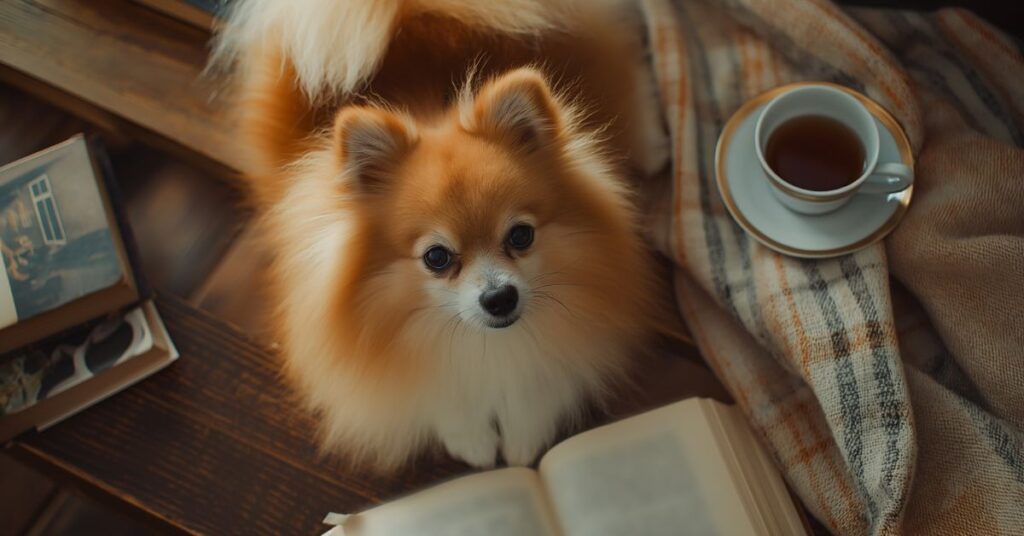
The Teacup Pomeranian looks very small and fluffy. Its body is tiny and light. The face is round with a short nose. The eyes are big, dark, and shiny. These features make the dog look cute like a toy.
The coat is thick, soft, and full of fur. Hair grows around the neck like a small lion’s mane. The tail is fluffy and curls over the back. Colors can be white, cream, brown, black, or a combination of these. Regular brushing keeps the coat neat and clean.
Even though the dog is tiny, it stands with confidence. Its ears are small and upright. The overall look is bright and alert. This charming appearance is the main reason many people love this breed.
Key appearance points:
- Very small and lightweight body
- Thick, fluffy double coat
- Round face with big dark eyes
- Curled fluffy tail over the back
- Comes in many soft colors
Teacup Pomeranian Personality?
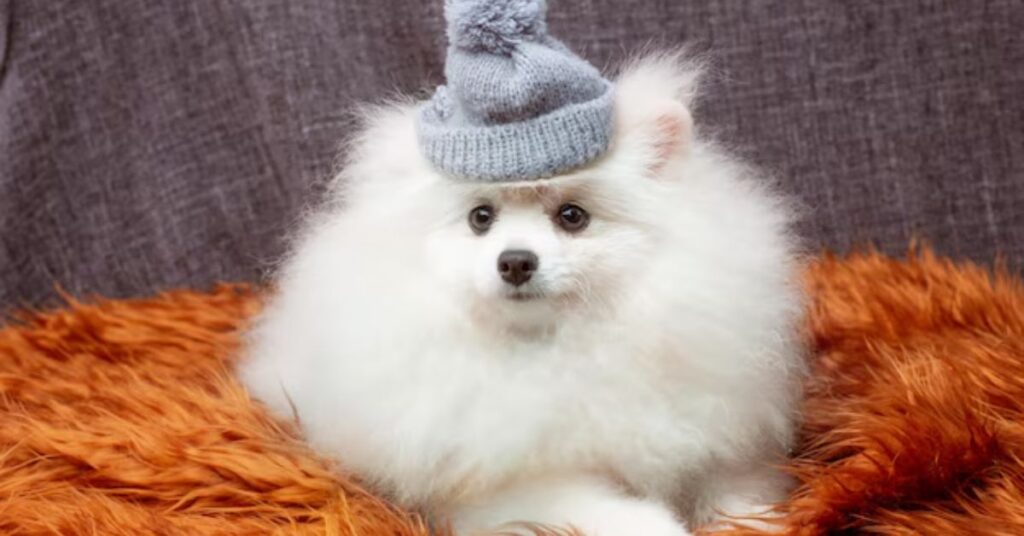
A Teacup Pomeranian personality is lively, friendly, and playful. These tiny dogs love attention and human company. They enjoy cuddles and being close to their owners. Despite their small size, they are confident and bold. Many people search for “Teacup Pomeranian traits” and “Teacup Pomeranian behaviour” because these dogs show a big personality in a small body.
These dogs are smart and curious. They like to explore their surroundings and learn new things. Many Teacup Pomeranians love playing games and can even learn tricks with training. Some can be a bit stubborn if not trained early.
They can also be vocal, barking to say hello or to alert you. People often search “Teacup Pomeranian temperament” or “Teacup Pomeranian training tips” to understand this behavior better.
A Teacup Pomeranian can be loyal and protective, too. They bond strongly with their family and may feel anxious when left alone. Because of this, they need gentle training and company. With love, playtime, and care, their fun and affectionate personality shines every day.
Many owners look up “Teacup Pomeranian separation anxiety” or “Teacup Pomeranian affectionate dog” to help with their dog’s needs.
Training a Teacup Pomeranian?
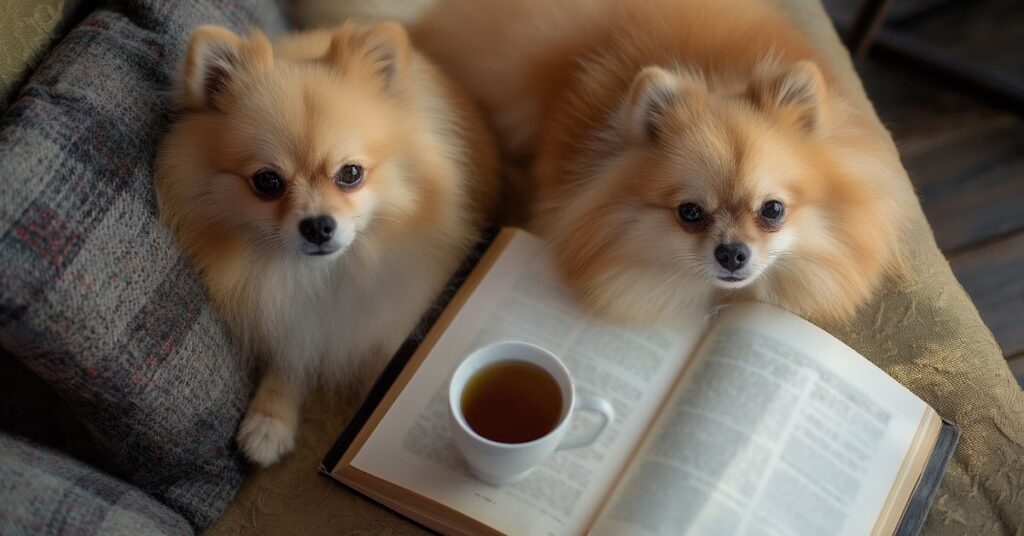
Training a Teacup Pomeranian needs patience and consistency. These tiny dogs are smart but can be stubborn. Short training sessions work best because they have a small attention span. Positive reinforcement, like treats and praise, helps them learn quickly. Start training early to build good habits and prevent unwanted behaviors.
Teacup Pomeranians respond well to gentle guidance. Avoid yelling or rough handling. Socialization is important to make them confident around people and other pets. Basic commands like sit, stay, and come are easy to teach with regular practice.
Training tips:
- Use small, tasty treats as rewards
- Keep sessions short, 5–10 minutes
- Be patient and consistent
- Start with basic commands first
- Introduce socialization with calm dogs and people
- Praise good behavior often
Teacup Pomeranian Health?
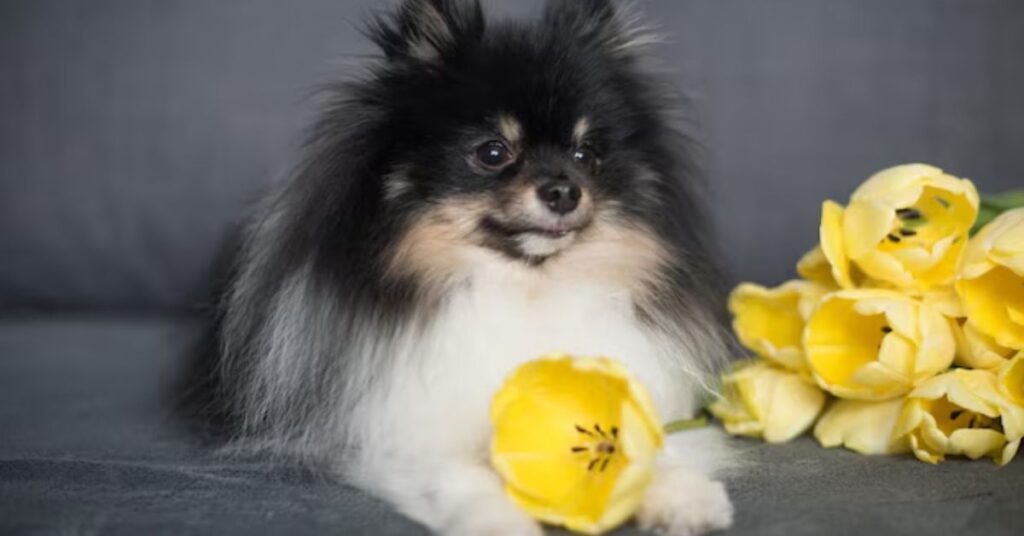
Teacup Pomeranians are small and delicate, so their health needs special care. They can be prone to issues like low blood sugar, dental problems, and fragile bones. Regular vet checkups are very important to catch problems early. A healthy diet and proper hydration help them stay strong.
Their tiny size makes them sensitive to cold and rough play. Keep them warm in winter and handle them gently. Brushing their teeth and trimming their nails regularly prevents common health issues. Vaccinations and parasite control are also important to keep them safe.
With good care, Teacup Pomeranians can live a long and happy life. Watch their behavior for signs of illness, like lethargy or loss of appetite. Providing love, proper food, and safe exercise helps them stay healthy and cheerful every day.
Health tips:
- Feed high-quality, small-sized dog food
- Schedule regular vet visits
- Brush teeth and trim nails often
- Keep them warm and safe from falls
- Monitor for any unusual signs or symptoms
Feeding a Teacup Pomeranian?
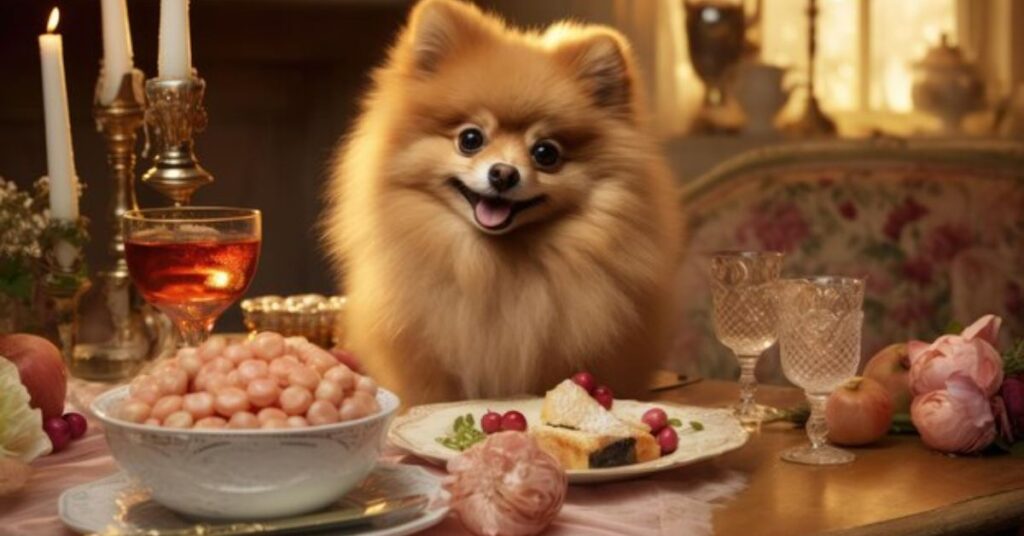
Feeding a Teacup Pomeranian requires careful attention. They have tiny stomachs, so they need small meals several times a day. High-quality, nutrient-rich dog food is best. Avoid giving them human food, as it can upset their stomach. Fresh water should always be available to keep them hydrated.
Teacup Pomeranians also need a balanced diet to maintain energy and healthy fur. Treats are okay, but only in moderation. Monitor their weight to prevent obesity, which is common in small breeds.
Feeding tips:
- Offer 3–4 small meals per day
- Use high-quality puppy or adult dog food
- Avoid chocolate, onions, and other harmful foods
- Provide fresh water at all times
- Give treats sparingly and wisely
- Keep track of their weight and portion sizes
Grooming Needs?
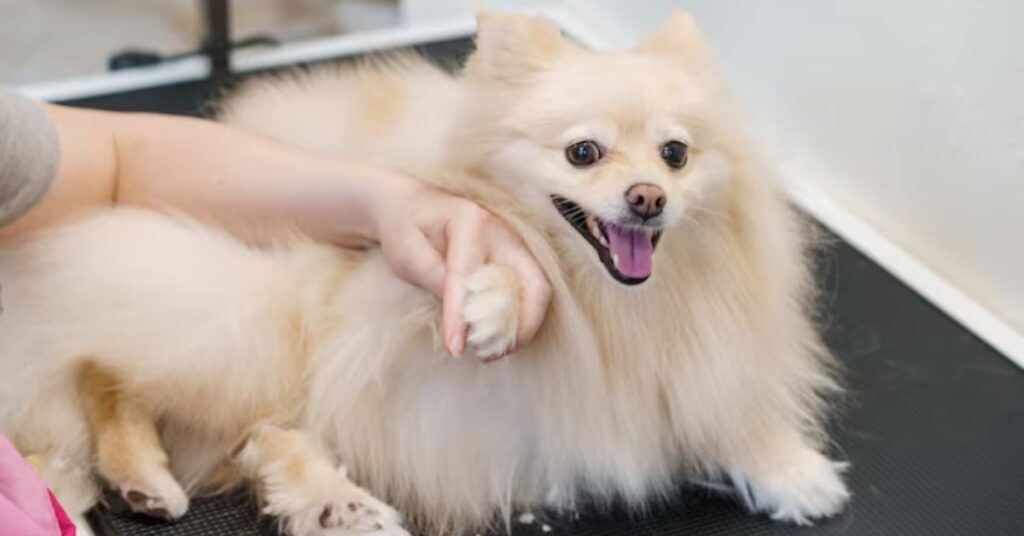
Teacup Pomeranians have thick, fluffy coats that need regular care. Brushing their fur every day prevents tangles and mats. Bathing should be done carefully, about once a month, with mild dog shampoo. Their small size means you must handle them gently while grooming.
Other grooming tasks are important too. Trim their nails regularly to avoid discomfort. Clean their ears to prevent infections. Brush their teeth often to keep them healthy. Proper grooming keeps your Teacup Pomeranian happy, clean, and comfortable.
Grooming tips:
- Brush fur daily to prevent tangles
- Bathe monthly with gentle dog shampoo
- Trim nails every few weeks
- Clean ears regularly
- Brush teeth several times a week
Teacup Pomeranian Price?
Teacup Pomeranians are small and rare, so their price can be high. The cost depends on the puppy’s age, color, pedigree, and breeder’s reputation. Puppies with rare colors or show-quality lineage are usually more expensive. Always buy from a trusted breeder to ensure health and proper care.
Besides the initial price, there are other costs to consider. Food, grooming, vet visits, and toys add up over time. Health insurance and emergency care can also increase expenses. Owning a Teacup Pomeranian requires planning for both the purchase and ongoing care.
Teacup Pomeranian Price Range Table
| Factor | Price Range (USD) | Notes |
| Puppy Price | $500 – $5,000 | Depends on color, pedigree, and breeder |
| Rare Colors | $3,000 – $7,000 | Cream, white, or unusual markings |
| Vaccinations & Vet Check | $100 – $300 | Initial health care costs |
| Food (per month) | $30 – $80 | High-quality small-breed dog food |
| Grooming | $50 – $100 | Monthly or bi-weekly brushing, trimming, and bathing |
| Toys & Accessories | $20 – $100 | Beds, toys, clothing, and collars |
| Health Insurance | $20 – $60 | Optional, monthly cost |
| Emergency Vet | $200 – $500+ | For sudden illness or accidents |
Is a Teacup Pomeranian Right for You??
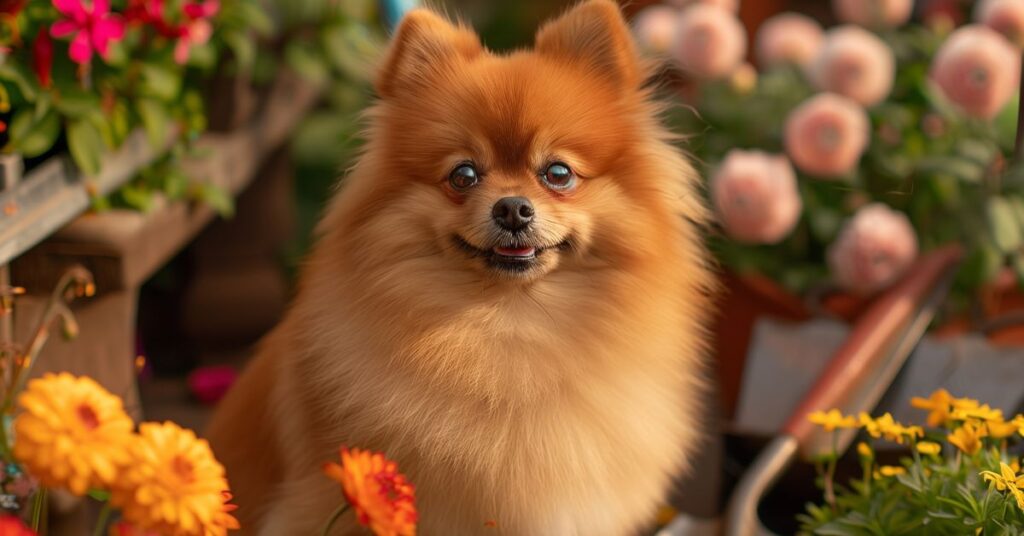
A Teacup Pomeranian is tiny and delicate. They need gentle handling and constant attention. If you live in a busy home or have very young children, this breed may not be the best choice. They are best for people who can provide a calm and safe environment.
These dogs are playful, smart, and affectionate. They love being close to their owners and enjoy short play sessions indoors. They also need daily grooming and regular vet visits. If you enjoy caring for small dogs and have time for training and socialization, a Teacup Pomeranian can be a great companion.
Before getting one, consider your lifestyle carefully. This breed requires dedication and patience. They are not low-maintenance dogs.
Consider if you:
- Can provide a calm and safe home
- Have time for daily care and grooming
- Can feed on small, frequent meals
- Are you ready for regular vet checkups?
- Want a loving, playful, and loyal companion
Conclusion
Teacup Pomeranians are small, cute, and full of personality. They are loving, playful, and loyal companions. Their tiny size makes them delicate, so they need gentle care and attention every day. With proper training, grooming, and health care, they can live a happy and long life.
Owning a Teacup Pomeranian is a big responsibility. They need patience, love, and time from their owner. If you are ready to provide care and attention, this tiny dog can bring a lot of joy and companionship to your home. They truly make wonderful pets for the right family.
FAQs
1. How big does a Teacup Pomeranian get?
They usually weigh 2–5 pounds and stand about 6–7 inches tall.
2. Are Teacup Pomeranians good with kids?
They are gentle but very small, so they do best with older, calm children.
3. How often should I groom a Teacup Pomeranian?
Daily brushing and monthly baths keep their coat healthy and tangle-free.
4. What do Teacup Pomeranians eat?
They need small, high-quality dog food, given 3–4 times a day.
5. Are Teacup Pomeranians healthy dogs?
They can be healthy with proper care, but may have delicate bones and dental issues.
6. How long do Teacup Pomeranians live?
With good care, they usually live 12–16 years.
7. Can Teacup Pomeranians be trained?
Yes, they are smart and learn quickly with gentle, consistent training.