


Quick Answer
Mini Yorkie Life Expectancy typically ranges from 12 to 16 years with proper care. Some Mini Yorkies may live 17 to 20 years.
Genetics, balanced nutrition, regular veterinary checkups, and a healthy lifestyle all play important roles in supporting a longer, happier life.
Author Information
Author: Gulnaz Malik
Role: Publisher & Pet Care Expert
Experience: 5+ Years in Dog Care & Dog Grooming
Content Review: Prepared using reliable dog care references, established veterinary guidance, and hands-on pet care knowledge.
Introduction
Mini Yorkie Life expectancy is one of the most important topics for dog lovers who adore these tiny yet energetic companions. Miniature Yorkshire Terriers, commonly known as Mini Yorkies, are more than just pets; they quickly become cherished members of the family.
Although their small size makes them ideal for apartment living and irresistibly cute, it also comes with specific health and care requirements. On average, a well-cared-for Mini Yorkie can live between 12 and 16 years.
With modern veterinary care and breed-specific nutrition, many Mini Yorkies are now reaching impressive ages of 17, 18, or even 20 years.
Understanding the factors that influence Mini Yorkie expectancy involves genetics, daily lifestyle choices, and environmental conditions.
This in-depth guide explores every stage of their journey from playful puppyhood to their senior years, offering practical insights to help maximize both longevity and quality of life.
With the right knowledge and care, owners can ensure their Mini Yorkie enjoys not just a longer life, but a healthier and happier one.
Mini Yorkie Life|History, Size & Appeal

Mini Yorkies are tiny, energetic dogs that quickly become part of the family. Their small size makes them ideal for apartments, yet it also comes with special care requirements.
For example, their delicate bones and small frames require careful handling to prevent injuries. Additionally, Mini Yorkies are known for their long, silky coats and charming personalities, which make them a popular choice for pet owners worldwide.
To understand the Mini Yorkie’s life expectancy, we must first look at its biological heritage. The Yorkshire Terrier originated in the industrial northern England of the 19th century.
Historical Roots
Initially, these dogs were much larger than the “Mini” versions we see today. They were bred by mill workers to hunt rats and vermin in textile factories.
This history of being a “working dog” has left the Mini Yorkie with a brave, tenacious, and alert temperament. Over time, the breed was refined and downsized, eventually becoming the ultimate lap dog for the Victorian elite.
Physical Characteristics
A true Mini Yorkie usually weighs between 2 and 4 pounds. In terms of appearance, they are famous for their floor-length, silky, steel-blue, and tan coats. This coat is unique because it is “hair” rather than “fur,” meaning it doesn’t have an undercoat and is considered hypoallergenic.
Their small frame, standing only 6 to 8 inches tall, makes them fragile, which is a significant factor in their overall life expectancy.
Mini Yorkie Life Expectancy

Mini Yorkies are known for their long lifespans compared to many other dog breeds, particularly larger ones. On average, a healthy Mini Yorkie can live between 12 and 16 years, with proper care often pushing some to 17 or 18 years.
Their longevity is influenced by genetics, diet, exercise, preventive healthcare, and overall lifestyle. Statistical data from veterinary clinics and breed registries show a clear correlation between a dog’s size and its lifespan.
Why Small Dogs Live Longer
It is a biological paradox: while large mammals (like elephants) live longer than small ones (like mice), in the canine world, the opposite is true.
Large dogs age faster. A Mini Yorkie’s body undergoes less oxidative stress over time compared to a Great Dane’s. This slower aging process is the primary reason the Mini Yorkie’s life expectancy is so high.
The Lifespan Spectrum
- The 12-16 Year Bracket: This is the standard average. Most Yorkies in this group receive regular care but may face common old-age issues like heart murmurs or kidney decline.
- The 17-20 Year Outliers: These “Super Seniors” are often the result of perfect alignment between genetics and meticulous care. Data suggests that neutered or spayed Mini Yorkies tend to live 10-15% longer due to the reduced risk of certain cancers.
Mini Yorkie Life|Health Risks and Longevity

Mini Yorkies have some unique health vulnerabilities. Dental issues, hypoglycemia, and a fragile trachea are common concerns.
Therefore, regular checkups and preventive care are crucial. Additionally, some dogs are born with liver shunts or other genetic conditions. Identifying these risks early allows owners to manage them effectively and improve their Mini Yorkie’s overall life quality.
Mini Yorkie: Dental Health
Dental problems are common in small dog breeds, but they can be especially challenging for Mini Yorkies. Their mouths are small, yet they have 42 adult teeth. This can cause the teeth to sit very close together, making it easier for food particles and bacteria to collect.
Over time, plaque can turn into hard tartar and lead to gum infections. If dental disease is left untreated, harmful bacteria may enter the bloodstream and affect important organs, including the heart, liver, and kidneys. Regular tooth brushing and professional dental checkups can help protect your Mini Yorkie’s health.
Mini Yorkie: Hypoglycemia
Hypoglycemia, or low blood sugar, is a serious concern for very small Mini Yorkies, particularly young puppies weighing under 3 pounds. Because their bodies have limited energy reserves, they may struggle to maintain normal blood sugar levels if they miss meals.
Watch for warning signs such as weakness, shaking, unusual tiredness, and seizures. These symptoms can develop quickly and require immediate attention. Feeding small, regular meals and following a suitable feeding routine can help reduce the risk. If you notice signs of low blood sugar, contact a veterinarian immediately.
Mini Yorkie: Tracheal Health
Mini Yorkies can develop tracheal collapse because the cartilage supporting their windpipe may become weak. This condition makes breathing more difficult and often causes a dry cough that sounds similar to a goose honking.
Using the wrong type of collar can put extra pressure on the neck and make the problem worse. A properly fitted harness is a safer choice because it distributes pressure across the chest instead of the throat. If your dog develops a persistent cough or breathing difficulties, arrange a veterinary examination.
Mini Yorkie Genetic Concerns: Liver Shunts
Portosystemic shunts are serious conditions that can be inherited by Mini Yorkies. This problem occurs when blood bypasses the liver instead of passing through it normally. As a result, the liver cannot remove harmful substances from the bloodstream as effectively as it should.
Affected dogs may experience poor growth, digestive problems, unusual behavior, or other health complications. Early veterinary screening can help identify the condition before it causes more serious problems. If a liver shunt is suspected, proper diagnosis and timely treatment are important for protecting your dog’s long-term health.
Mini Yorkie Life|Care & Nutrition Strategies | MINI CARE Framework

M – Meal Planning: Feed high-quality, nutrient-dense food to meet their fast metabolism. Avoid fillers like corn or soy.
I – Interactive Play: Mental stimulation through puzzle toys and training keeps their minds sharp.
N – Health Screenings: From age seven, bi-annual vet visits are recommended.
I – Exercise: Short, low-impact walks prevent joint strain.
C – Comfort & Safety: Yorkie-proof your home with ramps and safe spaces to prevent accidents.
Mini Yorkie Training and Socialization for a Stress-Free Life

Stress can affect a Mini Yorkie’s overall health and well-being. When a dog experiences anxiety for a long time, its body may produce higher levels of stress hormones. This can affect its immune system and make it more difficult to stay healthy. Providing a calm home environment and positive daily experiences can help your dog feel more secure.
Social Exposure as Preventive Care
Introducing your Mini Yorkie to new people, pets, and surroundings at a comfortable pace can help build confidence. Positive social experiences may reduce fear and make everyday situations easier to handle. A relaxed dog is also more likely to enjoy a healthy daily routine.
Life-Saving Obedience Skills
Basic training is not just about teaching good behavior. It can also protect your Mini Yorkie from dangerous situations. Commands such as “Stay” and “Come” are especially useful outdoors, where small dogs can be difficult to notice. Practising these commands regularly helps your dog respond more confidently when needed.
Mini Yorkie Grooming Guide
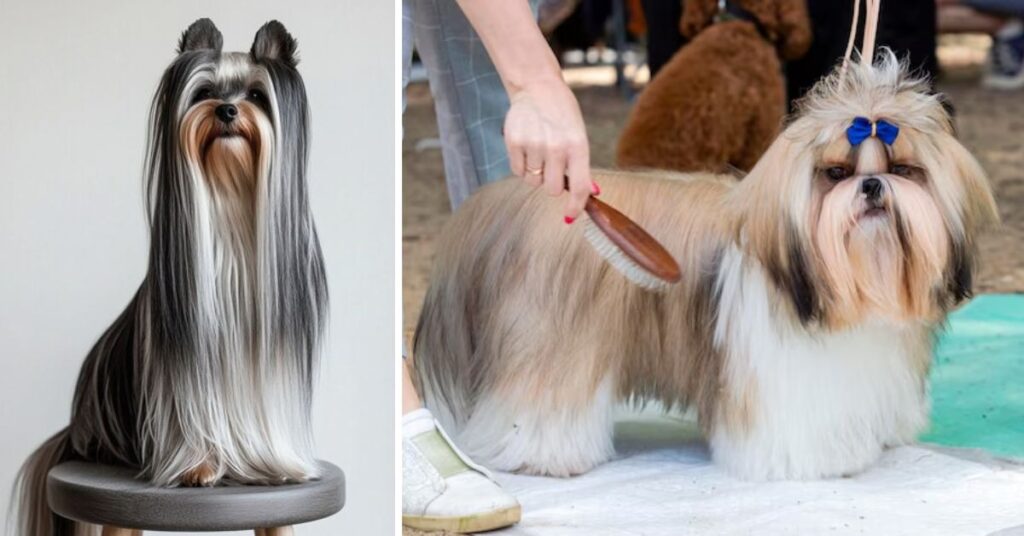
Regular grooming plays an important role in keeping your Mini Yorkie comfortable and healthy. Their long, fine coat can develop knots and tangles if it is not brushed regularly. Severe matting may pull on the skin, causing discomfort and sometimes hiding irritation or infections.
Daily brushing helps remove loose hair and prevent tangles from becoming difficult to manage. Regular coat trimming also makes maintenance easier and keeps your dog looking neat.
Sanitary trimming is another important part of grooming. Keeping the hair shorter around the eyes, ears, and paw pads helps prevent dirt from collecting in these areas. It can also improve visibility, walking comfort, and general cleanliness.
A consistent grooming routine helps your Mini Yorkie stay clean, comfortable, active, and happy.
Traveling & Lifestyle Considerations for Mini Yorkie

Mini Yorkies can adjust to different lifestyles, but travelling with them requires some preparation. Their small bodies need extra protection during journeys and when exposed to changing weather conditions. Many owners enjoy taking these dogs along on daily outings, but their comfort and safety should always come first.
In-Cabin Travel Advantage
Because Mini Yorkies are lightweight and small, some may qualify for in-cabin airline travel when they meet the airline’s carrier and pet requirements. Travelling inside the cabin can help owners keep their dogs nearby instead of placing them in the cargo area. This may also make the journey less stressful for dogs that feel anxious when separated from their owners.
Temperature Sensitivity Management
Mini Yorkies can be sensitive to cold weather because their small bodies lose heat quickly. During colder months, a comfortable dog sweater and warm bedding can provide extra protection. Avoid leaving your dog in very cold environments for extended periods. Maintaining a comfortable temperature helps protect your Mini Yorkie’s health and keeps it relaxed throughout the day.
Real-Life Case Studies of Mini Yorkie

Documented cases of senior Mini Yorkie Life highlight how specialized attention can push a dog past the typical 12-16-year average.
- Bella (17 Years – California): Bella’s longevity was fueled by a holistic approach, including a nutrient-dense diet and cognitive engagement through advanced puzzle toys.
- Max (16 Years – Texas): His owners prioritized early intervention. By starting joint supplements in his middle years and treating minor ailments immediately, they preserved his mobility well into his teens.
- Luna (18 Years): Luna’s secret was a low-stress environment filled with consistent social interaction and gentle daily play, keeping her heart and mind youthful.
Mini Yorkie Life Predicting Longevity (Interactive Tools)

Modern pet parents can now utilize data-driven tools to customize their care strategies:
- Life Expectancy Estimators: These analyze weight, caloric intake, and activity levels to provide a projected lifespan.
- Developmental Timelines: Visual roadmaps that guide owners on transitioning from puppy nutrients to senior-specific support.
- Wellness Quizzes: Targeted assessments that flag potential risks like dental decay or mobility decline before they become critical.
Conclusion
In summary, a Mini Yorkie Life is a tiny dog with a massive heart, capable of living a long, vibrant life when supported by an informed owner.
Extending their lifespan depends less on chance and more on the right balance of proper nutrition, suitable exercise for their age, and consistent mental stimulation.
By adhering to the MINI CARE Framework and maintaining a vigilant relationship with a veterinarian, you can ensure your companion thrives for nearly two decades.
The insights provided here are grounded in elite veterinary research and breed-specific data, aimed at helping you cherish every moment of your Yorkie’s journey.
FAQs
Q: What is the normal lifespan of a Mini Yorkie?
A: On average, they live 12–16 years. However, with superior care and genetics, many reach the 17–18 year milestone.
Q: Does gender influence a Yorkie’s longevity?
A: Generally, no. Factors such as reproductive health (spaying/neutering), diet, and preventive care are far more influential than the dog’s gender.
Q: How frequently do they require medical checkups?
A: Puppies need monthly visits for vaccinations; adults should have an annual exam, while seniors (8+ years) benefit from bi-annual screenings.
Q: Can a specific diet extend their life?
A: Yes. Nutrient-dense, small-breed formulas support immune function and organ health, which are vital for a long life.
Q: What are the primary health concerns for this breed?
A: Owners should be vigilant about dental hygiene, patellar luxation, tracheal sensitivity, and blood sugar stability (hypoglycemia).
Q: How should I manage their grooming?
A: Daily brushing is essential to prevent mats, while baths every 3-4 weeks and professional dental cleanings keep them in peak condition.


This article is very informative and helpful. I learned several useful points from this post, especially for pet care. Thanks for sharing such valuable content.