

Dog owners always want the best food for their pets. Many people now choose high-protein dog food because it supports muscle growth, energy, and overall health. Dogs need protein every day to stay active and strong. A healthy amount of protein can improve your dog’s body condition, coat quality, and immune system.
Many pet food brands now offer various high-protein dog foods. Some use chicken, beef, salmon, lamb, or turkey as the main ingredient. Others use plant protein together with animal protein. Choosing the right food can feel confusing because there are many products on the market.
This guide explains everything about high-protein dog food. You will learn its benefits, possible risks, ingredients, feeding tips, and how to choose the best option for your dog.
What Is High-Protein Dog Food?

High-protein dog food contains more protein than regular dog food. Protein usually comes from meat, fish, eggs, or other animal sources. Some foods also include plant protein from peas or lentils.
Protein helps dogs build and repair muscles. It also supports healthy skin, fur, and body functions. Dogs with active lifestyles often need more protein than less active dogs.
Most regular dog foods contain around 18% to 25% protein. High-protein dog food usually contains 30% or more protein. Some premium brands offer even higher levels.
Dogs use protein in many ways. Their bodies break down protein into amino acids. These amino acids help with tissue repair, hormone production, and immune health.
Types of High-Protein
Dry High Protein
- Easy to store
- Costs less than wet food
- Supports dental health
- Available in many flavors
Wet High Protein Food
- Contains more moisture
- Good for picky eaters
- Easier to chew
- Strong smell and taste
Raw High Protein
- Uses raw meat ingredients
- Mimics natural canine diets
- Requires careful handling
- Can cost more
Air-Dried High Protein Food
- Keeps nutrients better
- Lightweight and easy to serve
- Contains concentrated protein
- Often made with premium meat
Benefits of High-Protein Dog Food

High-protein dog food offers many health benefits when used correctly. Dogs need high-quality nutrition to stay healthy throughout their lives.
A balanced protein-rich diet supports muscle growth and body strength. Working dogs and active breeds often perform better with higher protein intake. Puppies also need protein for healthy development.
Protein also helps repair damaged tissues. Dogs recover faster after exercise, injuries, or illness when they receive enough protein.
Healthy skin and shiny coats are another benefit. Protein supports fur growth and reduces dryness. Many dog owners notice softer coats after switching to high-protein dog food.
High-protein food can also help dogs feel full longer. This may reduce overeating and unhealthy snacking.
Main Benefits of High-Protein
Muscle Development
- Supports strong muscles
- Helps active dogs stay fit
- Improves recovery after exercise
Better Energy Levels
- Supports active lifestyles
- Helps working dogs perform better
- Maintains stamina
Healthy Skin and Coat
- Improves coat shine
- Reduces skin dryness
- Supports fur growth
Strong Immune System
- Helps body repair cells
- Supports immune response
- Improves overall health
Weight Management
- Helps dogs feel full
- Supports lean muscle mass
- May reduce overeating
How High-Protein Dog Food Supports Different Dog Breeds

Different breeds have different nutritional needs. Some dogs naturally need more protein because of their activity level and body structure.
Large working breeds like German Shepherds and Siberian Huskies often benefit from protein-rich diets. These breeds burn more calories and need muscle support.
Small active breeds also need good protein sources. Chihuahuas, Terriers, and Miniature Pinschers often have fast metabolisms.
Senior dogs may also benefit from high-protein dog food. Protein helps older dogs maintain muscle mass as they age.
Puppies need protein for growth and development. Their bodies grow quickly, so they need quality nutrients every day.
Dog Breeds That Often Benefit From High-Protein Dog Food
Working Dogs
- German Shepherd
- Belgian Malinois
- Siberian Husky
- Border Collie
Sporting Dogs
- Labrador Retriever
- Golden Retriever
- Pointer
- Spaniel
Small Active Dogs
- Chihuahua
- Jack Russell Terrier
- Miniature Pinscher
- Pomeranian
Growing Puppies
- Need protein for growth
- Build muscles and bones
- Support brain development
Ingredients Found in High-Protein Dog Food

The ingredient list matters when choosing dog food. Quality protein sources help dogs stay healthy.
Animal protein is usually the best source. Chicken, beef, turkey, fish, and lamb contain essential amino acids that dogs need.
Some foods also include eggs because they provide highly digestible protein. Fish ingredients add omega fatty acids for skin and coat health.
Many brands also include vegetables and grains. These ingredients provide fiber, vitamins, and energy.
Avoid foods with too many fillers or artificial additives. Low-quality fillers may reduce nutritional value.
Common Protein Sources in High-Protein Dog Food
| Protein Source | Benefits |
| Chicken | Lean protein and easy digestion |
| Beef | Rich in iron and nutrients |
| Salmon | Supports skin and coat health |
| Turkey | Lean and low-fat protein |
| Lamb | Good for sensitive dogs |
| Eggs | Highly digestible protein |
Ingredients to Avoid
Artificial Additives
- Artificial colors
- Artificial flavors
- Chemical preservatives
Low-Quality Fillers
- Excess corn syrup
- Too much soy
- Unnamed meat meals
Excessive By-Products
- Poor quality animal leftovers
- Low nutritional value
- Harder digestion
High-Protein Dog Food for Puppies
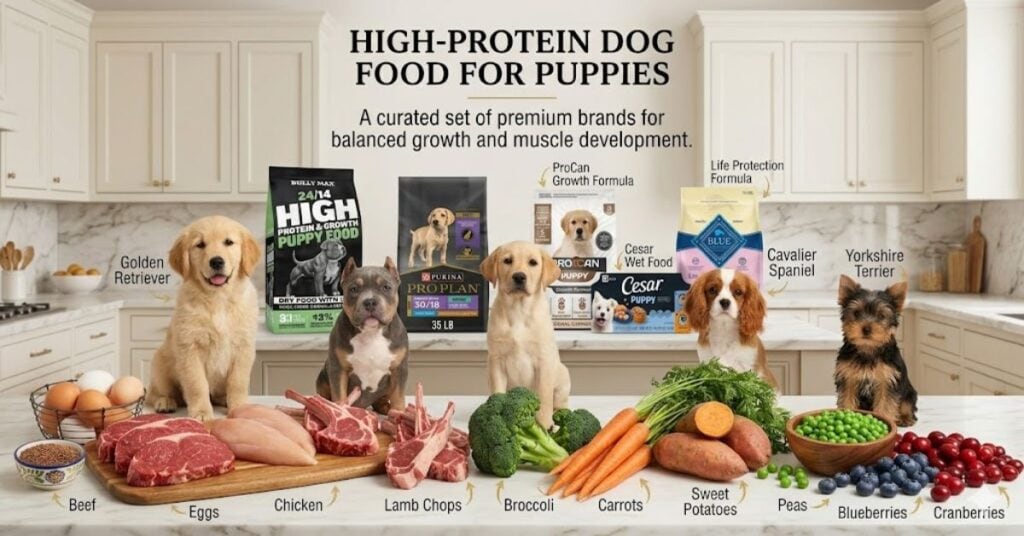
Puppies grow very fast during the first year of life. Their muscles, bones, and organs need proper nutrition every day. High-protein dog food can support healthy puppy growth when balanced correctly.
Protein helps puppies develop strong muscles and body tissues. It also supports brain development and healthy immune function.
Puppies need more calories than adult dogs because they spend energy growing and playing. Good puppy food should contain balanced nutrients, healthy fats, vitamins, and minerals, together with protein.
Dog owners should choose puppy formulas made for growth stages. Adult dog food may not contain the right balance for young puppies.
Large breed puppies need controlled growth. Too much calcium or calories can create bone problems. Always choose formulas designed for large breed puppies when needed.
Benefits of High-Protein Dog Food for Puppies
Healthy Muscle Growth
- Supports body development
- Builds strong muscles
- Helps active play
Better Brain Development
- Supports learning
- Improves focus
- Helps nervous system growth
Strong Immune Health
- Supports natural defenses
- Helps recovery from illness
- Supports healthy development
Healthy Bones and Joints
- Supports growth stages
- Helps active puppies move safely
- Supports a strong structure
High-Protein Dog Food for Senior Dogs

Older dogs lose muscle mass as they age. High-protein dog food may help seniors stay stronger and more active.
Senior dogs often move less, but they still need quality nutrition. Protein helps maintain muscle and supports body repair.
Many senior formulas include joint-support ingredients like glucosamine and chondroitin. These nutrients help aging joints stay healthier.
Senior dogs may also have sensitive stomachs. Easy-to-digest protein sources can improve comfort and digestion.
Dog owners should always check with a veterinarian before changing a senior dog’s diet.
Benefits for Senior Dogs
Muscle Maintenance
- Reduces muscle loss
- Supports body strength
- Helps mobility
Joint Support
- Helps active movement
- Supports comfort
- Reduces stiffness
Better Recovery
- Supports healing
- Helps body repair
- Supports the immune system
Healthy Weight
- Maintains lean body mass
- Helps reduce obesity risk
- Supports healthy metabolism
Risks of High-Protein Dog Food
High-protein dog food is not perfect for every dog. Some dogs may need moderate protein instead. Dogs with certain kidney or liver conditions may require special diets. Too much protein can create problems for dogs with existing health issues.
Some dogs may gain weight if the food contains too many calories. Protein-rich foods often contain more calories than standard formulas.
Sudden food changes can also upset digestion. Dogs may experience diarrhea or stomach discomfort during transition periods.
Balanced nutrition matters more than protein alone. Dogs still need fats, fiber, vitamins, and minerals.
Possible Risks of High-Protein Dog
Digestive Upset
- Diarrhea
- Gas
- Vomiting
- Stomach discomfort
Weight Gain
- Extra calories
- Overfeeding problems
- Reduced activity levels
Health Concerns
- Kidney issues in sensitive dogs
- Liver stress in some cases
- Food sensitivities
Nutritional Imbalance
- Too much protein
- Not enough fiber
- Missing nutrients
How to Choose the Best High-Protein Dog Food
Choosing the right high-protein dog food requires careful attention. Not every expensive product offers good nutrition.
Start by checking the ingredient list. Real meat should appear first. Look for chicken, salmon, beef, or turkey as the main ingredient.
Check the guaranteed analysis section. This label shows protein, fat, and fiber percentages.
Avoid foods with too many artificial ingredients. Natural ingredients usually provide better nutrition.
Consider your dog’s age, breed, activity level, and health condition. Puppies, seniors, and active dogs all have different needs.
Important Things to Check
Protein Source Quality
- Real meat first
- Named meat ingredients
- Avoid vague meat labels
Nutritional Balance
- Healthy fats
- Fiber content
- Vitamins and minerals
Dog’s Life Stage
- Puppy formulas
- Adult maintenance
- Senior support
Special Needs
- Grain-free options
- Sensitive stomach formulas
- Weight management support
Grain-Free High Protein Dog Food
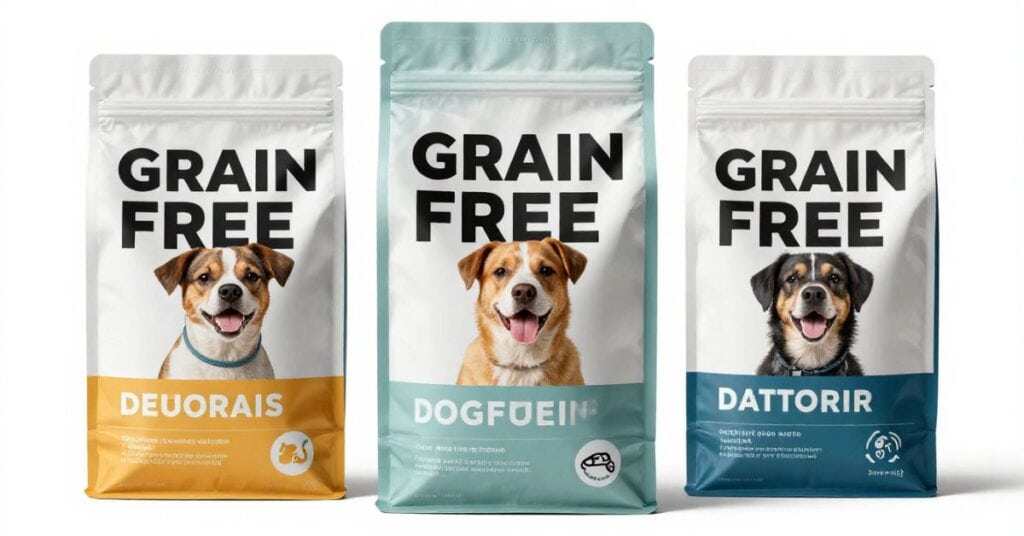
Many dog owners choose grain-free, high-protein dog food. These formulas replace grains with ingredients like peas, lentils, or potatoes.
Some dogs with allergies may benefit from grain-free diets. Others may not need grain-free food at all.
Grain-free diets became popular because many people believed grains caused allergies. However, true grain allergies are less common than many owners think.
Dogs can digest many grains well when prepared properly. Brown rice and oats often provide useful nutrients and fiber.
Dog owners should focus on ingredient quality instead of trends alone.
Common Grain-Free Ingredients
Protein Sources
- Chicken
- Beef
- Salmon
- Turkey
Carbohydrate Replacements
- Sweet potatoes
- Peas
- Lentils
- Chickpeas
Healthy Additions
- Blueberries
- Spinach
- Carrots
- Pumpkin
Feeding Tips for High-Protein Dog Food
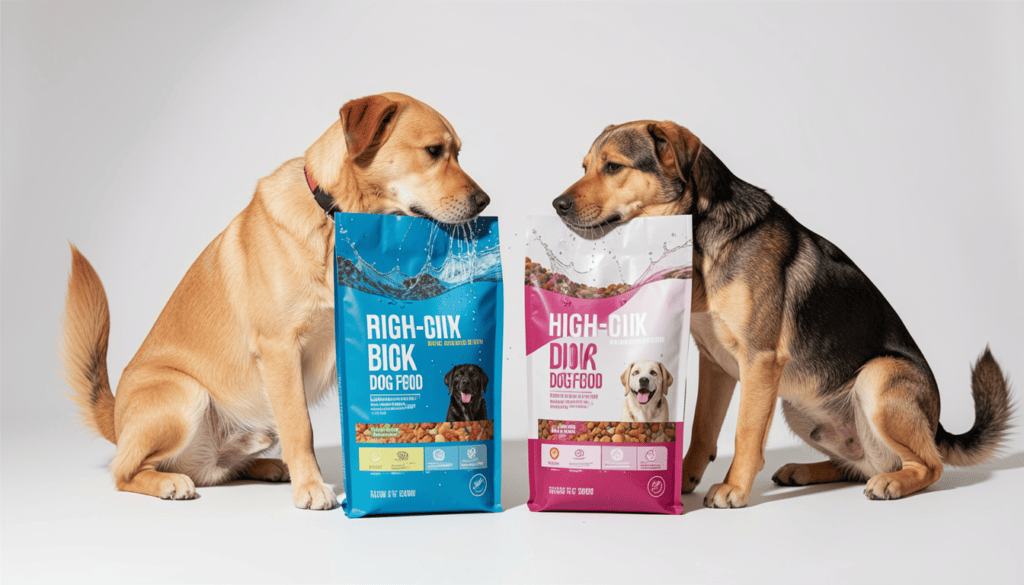
Dog owners often compare wet and dry food. Both options offer benefits depending on the dog’s needs.
Dry food usually costs less and stores easily. It may also help reduce plaque buildup on teeth.
Wet food contains more moisture. Dogs that drink little water may benefit from wet food.
Some owners mix wet and dry food. This method adds texture and flavor while controlling cost.
The best choice depends on your dog’s health, age, and preference.
Comparison Table
| Feature | Dry Food | Wet Food |
| Moisture | Low | High |
| Storage | Easy | Needs refrigeration after opening |
| Cost | Lower | Higher |
| Taste | Moderate | Strong flavor |
| Dental Benefits | Better | Less effective |
Dry Food Benefits
Easy Storage
- Long shelf life
- Simple feeding
- Less mess
Cost Friendly
- Usually cheaper
- Larger bag options
- Better for multi-dog homes
Wet Food Benefits
More Moisture
- Supports hydration
- Easier chewing
- Better for seniors
Strong Taste
- Good for picky eaters
- Rich smell
- Softer texture
Feeding Tips for High-Protein Dog Food

Dogs need gradual food changes. Sudden switches may upset digestion.
Start by mixing small amounts of new food with old food. Increase the new food slowly over one week.
Always follow feeding guidelines based on body weight and activity level.
Fresh water should always be available. Dogs eating high-protein dog food may drink more water.
Avoid overfeeding. Even healthy food can lead to weight gain if portions are too large.
Safe Feeding Tips
Transition Slowly
- Mix foods gradually
- Watch digestion
- Increase slowly
Measure Portions
- Avoid free feeding
- Follow label guides
- Monitor body condition
Provide Water
- Keep bowls full
- Change water daily
- Support hydration
Monitor Health
- Watch energy levels
- Check stool quality
- Observe coat condition
Homemade High-Protein Dog Food

Some dog owners prepare homemade meals for better ingredient control. Homemade high-protein dog food can work well when balanced correctly.
Dogs still need vitamins, minerals, calcium, and healthy fats. Meat alone is not enough.
Veterinarians often recommend working with pet nutrition experts before starting homemade diets.
Common Homemade Protein Sources
Meat Options
- Chicken breast
- Turkey
- Lean beef
- Salmon
Healthy Additions
- Brown rice
- Sweet potatoes
- Carrots
- Green beans
Safe Supplements
- Fish oil
- Calcium support
- Vet-approved vitamins
Signs Your Dog May Need High-Protein Dog Food

Not every dog needs high-protein food. However, some signs may show your dog could benefit from more protein.
Low energy levels may suggest poor nutrition. Muscle loss or weakness can also signal the need for better protein intake.
Dogs with dull coats may improve after dietary changes.
Always speak with a veterinarian if your dog shows health problems.
Possible Signs
Physical Changes
- Muscle loss
- Weight changes
- Poor coat quality
Energy Problems
- Low stamina
- Tired behavior
- Reduced activity
Recovery Issues
- Slow healing
- Weak muscles
- Poor exercise recovery
Best Practices for Buying High-Protein Dog Food in the USA

The USA pet food market offers many choices. Dog owners should buy from trusted brands with strong safety standards.
Check recall history before buying products. Good companies follow strict quality testing.
Look for foods approved by veterinary nutrition experts or organizations.
Read customer reviews carefully, but avoid depending only on online opinions.
Smart Buying Tips
Choose Trusted Brands
- Strong safety records
- Transparent ingredients
- Quality testing
Read Labels Carefully
- Protein percentage
- Ingredient quality
- Feeding instructions
Buy for Your Dog’s Needs
- Breed size
- Age
- Activity level
Store Food Properly
- Keep bags sealed
- Avoid heat exposure
- Use fresh food before expiration
Conclusion
High-protein dog food can support muscle growth, energy, coat health, and overall wellness. Many dogs benefit from higher protein diets, especially active breeds, puppies, and working dogs.
Dog owners should always focus on balanced nutrition and quality ingredients. Real meat sources provide the best protein for most dogs.
Not every dog needs extremely high protein levels. Health conditions, age, and activity level all matter when choosing food.
Always introduce new food slowly and monitor your dog’s health carefully. A balanced and healthy diet helps dogs live happier and more active lives.
FAQs
Is high-protein dog food good for all dogs?
No. Some dogs benefit more than others. Active dogs, puppies, and working breeds often do well with high-protein dog food. Dogs with certain health conditions may need different diets.
Can high-protein dog food cause weight gain?
Yes. High-protein food may contain more calories. Overfeeding can lead to weight gain if dogs do not exercise enough.
What protein source is best for dogs?
Chicken, beef, salmon, turkey, and lamb are common quality protein sources. The best option depends on your dog’s needs and sensitivities.
How do I switch to high-protein dog food?
Change food slowly over 7 to 10 days. Mix the new food with the old food gradually to avoid stomach upset.
Is grain-free, high-protein dog food better?
Not always. Some dogs benefit from grain-free diets, but many dogs digest grains well. Ingredient quality matters most.
Can senior dogs eat high-protein dog food?
Yes. Many senior dogs benefit from protein because it helps maintain muscle mass. Always check with a veterinarian first.
How much protein does a dog need daily?
The amount depends on age, breed, activity level, and health condition. Active dogs usually need more protein than less active dogs.