

Quick Answer
The Shiba Inu Pomeranian mix, also called a Shi Pom, is a small hybrid dog weighing 6–15 pounds and standing 8–15 inches tall. Shi Poms are alert, playful, and loyal, but can be independent and stubborn. They need weekly brushing, moderate daily exercise, and early socialization to prevent yappy or bossy behavior.
Author Information
Author: Gulnaz Malik Role: Publisher & Pet Care Expert Experience: 5+ Years in Dog Care & Dog Grooming Content Review: Veterinary-reviewed content approach based on trusted canine care resources and practical pet care experience.
Introduction
If you love the fox-like charm of a Shiba Inu and the fluffy personality of a Pomeranian, the Shiba Inu Pomeranian mix might be your ideal companion. Often nicknamed the “Shi Pom” or “Pom Shi,” this designer hybrid combines the independence of the Shiba Inu with the spunky affection of the Pomeranian, resulting in a small, energetic dog with a big personality.
This topic matters because Shi Poms are becoming increasingly popular among apartment dwellers and small-dog lovers, yet many owners underestimate how strong-willed this mix can be. Because it’s a crossbreed, each puppy can lean more toward one parent breed than the other, making every Shi Pom genuinely unique.
In this guide, you’ll learn everything you need to know before bringing a Shiba Inu Pomeranian mix home: expected size and appearance, temperament quirks, grooming routines, feeding guidance, common health conditions, training strategies, and how this breed compares to raising a purebred Shiba Inu or Pomeranian.
Whether you’re a first-time owner or an experienced dog parent, this article will help you decide if a Shi Pom fits your lifestyle and how to raise a happy, healthy one.
What Is a Shiba Inu Pomeranian Mix?
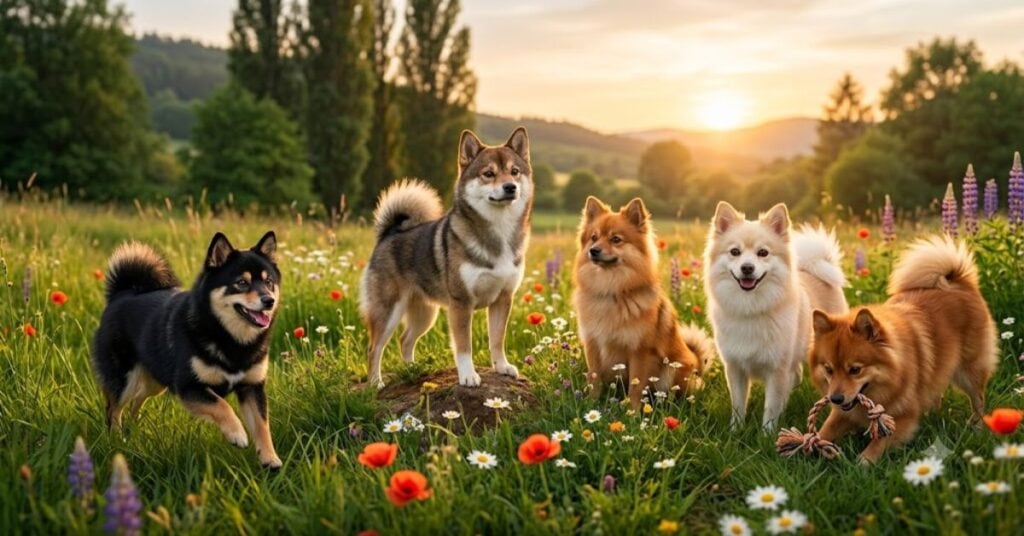
A Shiba Inu Pomeranian mix is a crossbreed dog produced by pairing a purebred Shiba Inu with a purebred Pomeranian. Neither the American Kennel Club (AKC) nor other major kennel clubs officially recognize designer breeds like the Shi Pom, but several hybrid dog registries do track and describe the mix.
Origins of the Shiba Inu and Pomeranian
- The Shiba Inu is a medium-sized Japanese hunting breed known for its fox-like face, curled tail, and confident, independent nature.
- The Pomeranian is a toy-sized companion breed with German and Pomeranian regional roots, celebrated for its fluffy double coat and lively personality.
- The Shiba Inu was originally bred for hunting small game in mountainous terrain, which explains the mix’s prey drive and independent streak.
- The Pomeranian descends from larger sledding and herding spitz-type dogs bred down in size over centuries, which explains its surprising confidence despite a tiny stature.
What to Expect From the Crossbreed
- The Shi Pom inherits physical and behavioral traits from both parents in varying proportions, so no two puppies look or act exactly alike.
- Some puppies favor the Shiba Inu’s sturdier build and reserved attitude, while others take after the Pomeranian’s daintier frame and outgoing energy.
- Reputable breeders screen both parent dogs for genetic health conditions before breeding.
- Always ask for health clearances and meet the parent dogs when possible; avoid breeders who can’t answer basic questions about hip and eye testing.
Shiba Inu Pomeranian Mix Size, Weight, and Appearance
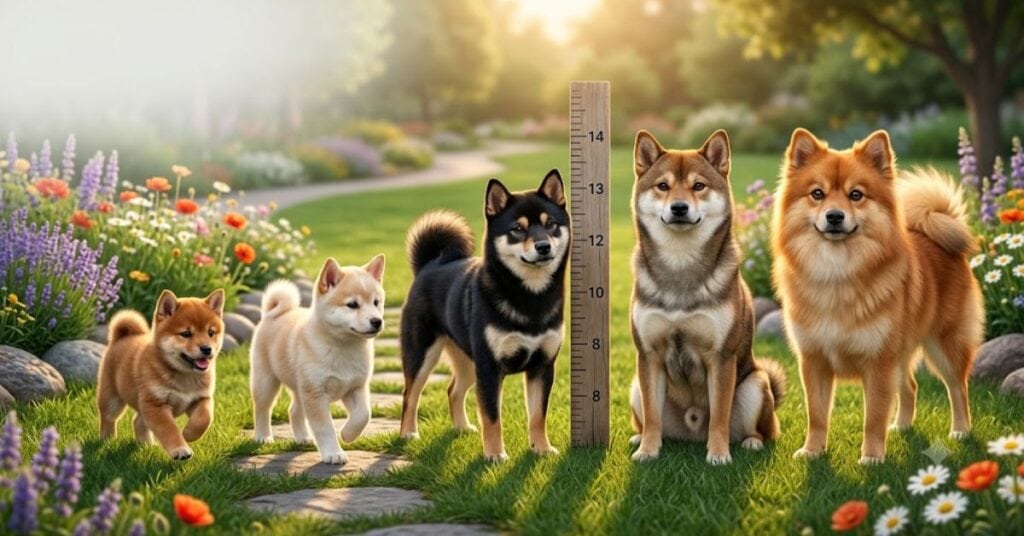
Size is one of the most variable traits in a Shiba Inu Pomeranian mix, largely because the parent breeds differ so much in scale.
Typical Size and Weight Range
- A purebred Shiba Inu typically weighs 17–23 pounds, while a purebred Pomeranian weighs only 3–7 pounds.
- Most Shi Poms weigh between 6 and 15 pounds and stand 8 to 15 inches tall at the shoulder.
- Dogs favoring the Pomeranian side tend to be daintier and lighter; those favoring the Shiba Inu side are often sturdier and slightly larger.
- Littermates can vary in size, so it’s hard to predict an individual dog’s adult weight until it matures.
Coat, Color, and Facial Features
- Shi Poms usually have a dense double coat combining the Shiba Inu’s plush, weather-resistant fur with the Pomeranian’s fluffy texture.
- Common coat colors include tan, red sable, cream, black-and-tan, brindle, and white or bicolor combinations.
- Facial features typically include a wedge-shaped head, small erect ears, dark almond-shaped eyes, and a fox-like expression.
- The tail is usually carried curled tightly over the back, a signature trait of both parent breeds.
Shiba Inu Pomeranian Mix Temperament and Personality

The Shiba Inu Pomeranian mix has a personality that mirrors both parent breeds: alert, loyal, playful, and occasionally stubborn.
Core Personality Traits
- Shi Poms are generally affectionate with their families and form strong bonds with their primary caregivers.
- They often make excellent watchdogs thanks to their sharp senses and alert barking at unfamiliar sounds or visitors.
- Without early training, this alertness can turn into excessive barking.
- Independence, inherited from the Shiba Inu, can make obedience training feel slower than with more eager-to-please breeds.
Socialization and Energy Levels
- Puppies exposed early to different people, sounds, environments, and animals tend to grow into more adaptable, confident adults.
- Without early exposure, Shi Poms can become wary of strangers or reactive toward unfamiliar dogs.
- Despite their size, Shi Poms are energetic and playful, often described as “big dog energy in a small package.”
- Left alone for long stretches without enrichment, a Shi Pom may develop separation anxiety or destructive chewing habits.
Grooming Needs and Coat Care

The Shiba Inu Pomeranian mix has a dense double coat that requires regular maintenance to stay healthy and mat-free.
Brushing and Bathing Routine
- Weekly brushing is the baseline; dogs with longer or thicker fur may need brushing every two to three days.
- A slicker brush combined with an undercoat rake works well for most Shi Pom coat types.
- Expect noticeable seasonal shedding during spring and fall coat blowouts.
- Bathe only once every four to six weeks, since overbathing can strip natural oils and cause dry, irritated skin.
Ears, Nails, and Dental Care
- Check ears weekly and clean gently with a vet-approved ear cleaner to prevent trapped dirt and moisture.
- Trim nails every three to four weeks to prevent overgrowth, splitting, or gait problems.
- Brush teeth two to three times per week, since Pomeranians (and this mix) are prone to dental disease.
- Schedule professional grooming every 6–8 weeks if you want extra coat maintenance support.
Shiba Inu Pomeranian Mix Grooming Schedule
| Grooming Task | Frequency |
| Brushing | 2–3 times per week (daily during shedding season) |
| Bathing | Every 4–6 weeks |
| Ear Cleaning | Weekly check, clean as needed |
| Nail Trimming | Every 3–4 weeks |
| Teeth Brushing | 2–3 times per week |
| Professional Grooming | Every 6–8 weeks (optional) |
Feeding and Nutrition Guidance
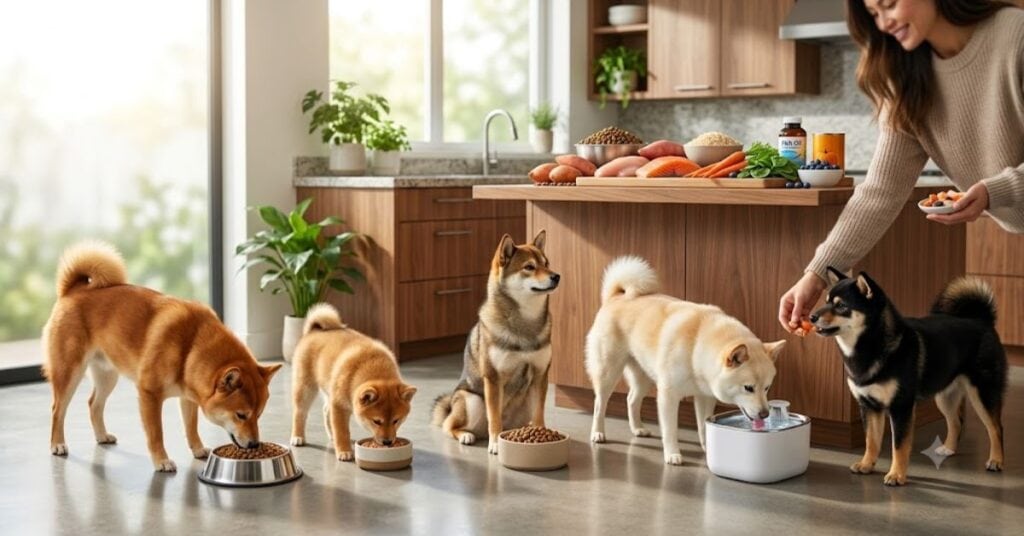
Feeding a Shiba Inu Pomeranian mix correctly starts with understanding that both parent breeds can be prone to picky eating and weight gain.
Choosing the Right Food and Portions
- Choose a high-quality, small-breed dog food with a named animal protein as the first ingredient.
- Follow feeding guidelines based on your dog’s actual adult weight, not estimates.
- Split daily food into two or three smaller meals to maintain steady energy and support digestion.
- Adjust portions for activity level, age, and whether your dog is a puppy or senior.
Managing Picky Eaters and Treats
- Avoid constantly switching foods or adding table scraps, since this can reinforce picky eating.
- Stick to a consistent feeding schedule and consult your vet if appetite loss lasts beyond a day or two.
- Keep treats to no more than 10% of daily caloric intake.
- Use low-calorie training treats to reward good behavior without excess weight gain.
- Consider dental-specific kibble or vet-approved dental chews given this mix’s dental disease risk.
Common Health Issues in Shiba Inu Pomeranian Mixes
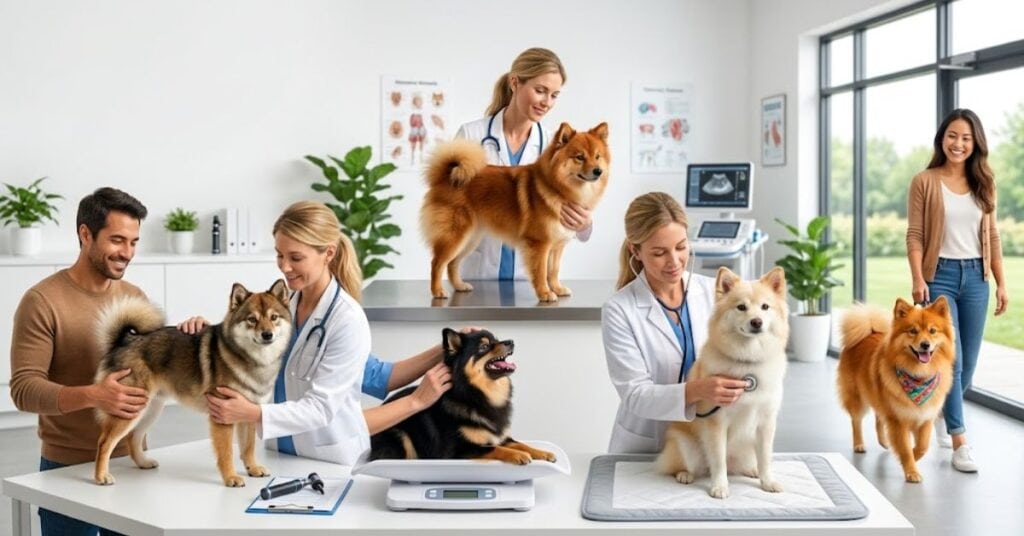
Like most hybrid dogs, the Shiba Inu Pomeranian mix can inherit health conditions common to either parent breed.
Joint and Eye Conditions
- Hip dysplasia: signs include difficulty rising, limping, or reluctance to jump and climb stairs.
- Patellar luxation: the kneecap slips out of place, ranging from mild to requiring surgical correction.
- Progressive retinal atrophy (PRA), cataracts, and glaucoma have been reported in both parent breeds.
- Regular veterinary eye exams help catch vision problems before they worsen.
Dental, Skin, and General Small-Breed Risks
- Dental disease is a notable risk inherited largely from the Pomeranian side.
- Allergies and skin sensitivities can trigger itching, redness, or hot spots.
- Small-breed risks like collapsing trachea and puppy hypoglycemia require gentle handling and consistent feeding.
- With attentive care, most Shi Poms live 12 to 16 healthy years.
Health Monitoring Table
| Health Concern | Warning Signs | Recommended Action |
| Hip Dysplasia | Limping, stiffness, difficulty rising | Vet exam, weight management, joint supplements |
| Patellar Luxation | Skipping steps, sudden leg lifting | Veterinary evaluation, possible surgery |
| Eye Disorders (PRA, cataracts) | Cloudy eyes, bumping into objects | Annual eye exams, early referral to a vet ophthalmologist |
| Dental Disease | Bad breath, red gums, tooth loss | Brushing 2–3x weekly, professional cleanings |
| Skin Allergies | Itching, redness, hot spots | Allergy testing, diet trial, vet-approved treatment |
Exercise and Mental Stimulation Needs

Despite their compact size, Shiba Inu Pomeranian mixes are energetic dogs that need regular physical and mental exercise to stay balanced.
Daily Physical Activity
- Aim for 45 to 60 minutes of activity per day, split across walks, play, and enrichment.
- Daily walks satisfy natural curiosity and prevent boredom-driven barking or chewing.
- Use secure, fenced areas or a leash, since prey drive inherited from the Shiba Inu can cause bolting after small animals.
Enrichment and Preventing Boredom
- Puzzle feeders and scent games engage problem-solving instincts and burn off pent-up energy.
- Bored, understimulated Shi Poms are more prone to destructive habits or excessive vocalization.
- Rotate toys and walking routes to keep training and exercise feeling like a game, not a chore.
- Keep a predictable daily routine — consistency helps a Shi Pom feel secure and reduces anxiety.
Training Tips for a Shiba Inu Pomeranian Mix

Training a Shiba Inu Pomeranian mix requires patience, consistency, and an understanding of the breed’s independent streak.
Positive Reinforcement and Socialization
- Use reward-based techniques, such as treats, praise, and play, rather than punishment-based corrections.
- Keep training sessions short, around 5 to 10 minutes, to maintain focus.
- Start socialization as soon as puppies are fully vaccinated: expose them to people, environments, sounds, and other animals.
- Early socialization reduces fear-based aggression and excessive wariness later in life.
Crate Training and Managing Barking
- Introduce the crate gradually with positive associations like treats and toys.
- Crate training helps with house-training and managing separation anxiety.
- Teach a reliable “quiet” command early to manage excessive barking.
- Keep commands and rules consistent across all household members to avoid confusing this independent-minded hybrid.
Shiba Inu Pomeranian Mix vs. Purebred Parents
Understanding how the Shi Pom compares to its purebred parents helps set realistic expectations for potential owners.
Side-by-Side Comparison
| Trait | Shiba Inu | Pomeranian | Shiba Inu Pomeranian Mix |
| Weight | 17–23 lbs | 3–7 lbs | 6–15 lbs |
| Height | 13.5–16.5 inches | 8–11 inches | 8–15 inches |
| Coat | Dense, weather-resistant | Long, fluffy double coat | Dense double coat, medium length |
| Temperament | Independent, reserved | Bold, outgoing, vocal | A-+lert, playful, sometimes stubborn |
| Exercise Needs | Moderate to high | Moderate | Moderate to high |
| Grooming | Weekly brushing | Frequent brushing | 2–3 times weekly brushing |
| Lifespan | 13–16 years | 12–16 years | 12–16 years |
What This Means for Owners
- The Shi Pom generally lands between its parent breeds in size and energy.
- Personality can favor either side, so meeting both parents (or seeing photos) helps set expectations.
- Want a calmer, more independent companion? Look for a Shi Pom favoring the Shiba Inu side.
- Prefer a livelier, more vocal lapdog? A Pomeranian-leaning Shi Pom may suit you better.
Shiba Inu Pomeranian Mix Care Checklist
Use this quick-reference checklist to stay on top of your Shi Pom’s daily and weekly care needs:
- ✅ Brush coat 2–3 times per week (daily during shedding season)
- ✅ Provide 45–60 minutes of exercise and playtime daily
- ✅ Brush teeth 2–3 times per week
- ✅ Check and clean ears weekly
- ✅ Trim nails every 3–4 weeks
- ✅ Feed measured portions of high-quality small-breed food twice daily
- ✅ Schedule annual veterinary checkups, including hip and eye screenings
- ✅ Practice short, positive-reinforcement training sessions daily
- ✅ Socialize regularly with new people, pets, and environments
- ✅ Use a secure leash or fenced area during outdoor time
Multimedia Placement Suggestions
- Featured Image: A well-lit photo of an adult Shiba Inu Pomeranian mix at the top of the article, near the introduction.
- Infographic: A visual summary of size, temperament, and grooming needs placed after the “What Is a Shiba Inu Pomeranian Mix?” section.
- Comparison Graphic: A side-by-side visual comparing the Shiba Inu, Pomeranian, and Shi Pom, placed near the comparison table.
- Grooming Flowchart: A step-by-step visual grooming routine placed within the grooming section.
- Before & After Image: A grooming before-and-after photo near the coat care section.
- Pinterest Image: A vertical, text-overlay graphic summarizing key facts, placed near the conclusion for easy saving and sharing.
- YouTube Thumbnail: If embedding a related video, place it within the training or exercise section.
Internal Linking Suggestions
- “Chihuahua Grooming Guide: Tools, Tips, and Schedule” ChihuahuaNest.com
- “Best Small-Breed Dog Foods for Picky Eaters” ChihuahuaNest.com
- “How to Socialize a Puppy: A Step-by-Step Guide” ChihuahuaNest.com
- “Understanding Hip Dysplasia in Small Dogs” ChihuahuaNest.com
- “Positive Reinforcement Training for Independent Dog Breeds” ChihuahuaNest.com
Trusted External References
For further reading, the American Kennel Club (AKC) offers detailed breed standards and care guidance for both the Shiba Inu and Pomeranian. The American Veterinary Medical Association (AVMA) and the World Small Animal Veterinary Association (WSAVA) provide science-based resources on canine health, vaccination, and preventive care.
The ASPCA offers general pet care and nutrition guidance, while the Merck Veterinary Manual is a trusted clinical reference for conditions like hip dysplasia and patellar luxation mentioned throughout this article.
Frequently Asked Questions
How big does a Shiba Inu Pomeranian mix get?
A Shiba Inu Pomeranian mix typically weighs 6 to 15 pounds and stands 8 to 15 inches tall at the shoulder. Exact size depends on which parent breed the puppy favors genetically, so littermates can vary noticeably in adult size.
Are Shiba Inu Pomeranian mixes good family dogs?
Yes, Shi Poms can make excellent family dogs when properly socialized and trained early. They’re affectionate and loyal, though their independent streak means consistent training and supervision around young children is recommended.
Do Shiba Inu Pomeranian mixes shed a lot?
Shi Poms are low to moderate shedders year-round but experience heavier seasonal shedding in spring and fall. Regular brushing two to three times weekly helps manage loose fur and prevents matting in their dense double coat.
How long do Shiba Inu Pomeranian mixes live?
With proper care, a Shiba Inu Pomeranian mix typically lives between 12 and 16 years. Lifespan depends on genetics, diet, exercise, and preventive veterinary care, including regular joint and dental checkups.
Is a Shiba Inu Pomeranian mix easy to train?
Shi Poms are intelligent but can be stubborn due to their Shiba Inu heritage. Positive reinforcement, short training sessions, and early socialization make training more successful than punishment-based methods.
Conclusion
The Shiba Inu Pomeranian mix is a spirited, affectionate, and intelligent companion that brings together the best qualities of two beloved breeds. From its fox-like appearance to its loyal, occasionally stubborn personality, the Shi Pom offers big-dog character in a small, manageable package.
Successful ownership comes down to consistency: regular grooming to manage its dense double coat, daily exercise and mental stimulation to satisfy its energetic nature, positive reinforcement training to work with (not against) its independent streak, and proactive veterinary care to catch inherited health conditions like hip dysplasia, patellar luxation, and dental disease early.
Because every Shi Pom inherits a unique blend of traits from its Shiba Inu and Pomeranian parents, no two dogs are exactly alike. Meeting the parent dogs when possible, choosing a reputable breeder who screens for genetic health issues, and committing to early socialization will give any Shi Pom puppy the best possible start.
For owners willing to invest time in training, grooming, and enrichment, the Shiba Inu Pomeranian mix rewards that effort with unwavering loyalty, playful companionship, and years of devoted friendship. With the right care routine in place, this charming hybrid can thrive as a cherished member of the family for well over a decade.