


Quick Answer
A Chihuahua Poodle mix, often called a Chipoo, is a small hybrid dog combining the loyalty of a Chihuahua with the intelligence of a Poodle. They typically weigh 5–12 pounds, live 12–15 years, and need moderate grooming, daily exercise, and early socialization to thrive as loving family companions.
Author:
Gulnaz Malik
Role: Publisher & Pet Care Expert
Experience: 5+ Years in Dog Care & Dog Grooming
Content Review: Veterinary-reviewed content approach based on trusted canine care resources and practical pet care experience.
Introduction
If you’re considering a Chihuahua Poodle mix, you’re looking at one of the most charming small hybrid breeds available today. Also known as a Chipoo or Poochi, this designer dog blends the fierce loyalty of a Chihuahua with the sharp intelligence and low-shedding coat of a Poodle. The result is a compact companion that fits well in apartments, families, and single-owner households alike.
This guide covers everything a real dog owner needs to know before bringing home a Chihuahua Poodle mix. You’ll learn about their appearance, temperament, size, feeding needs, grooming routine, common health concerns, and training approach. Whether you already own a Chipoo or are researching before adoption, this article gives practical, experience-based advice you can trust.
By the end, you’ll understand exactly what daily life with a Chihuahua Poodle mix looks like, and whether this energetic, affectionate hybrid is the right fit for your home.
What Is a Chihuahua Poodle Mix?
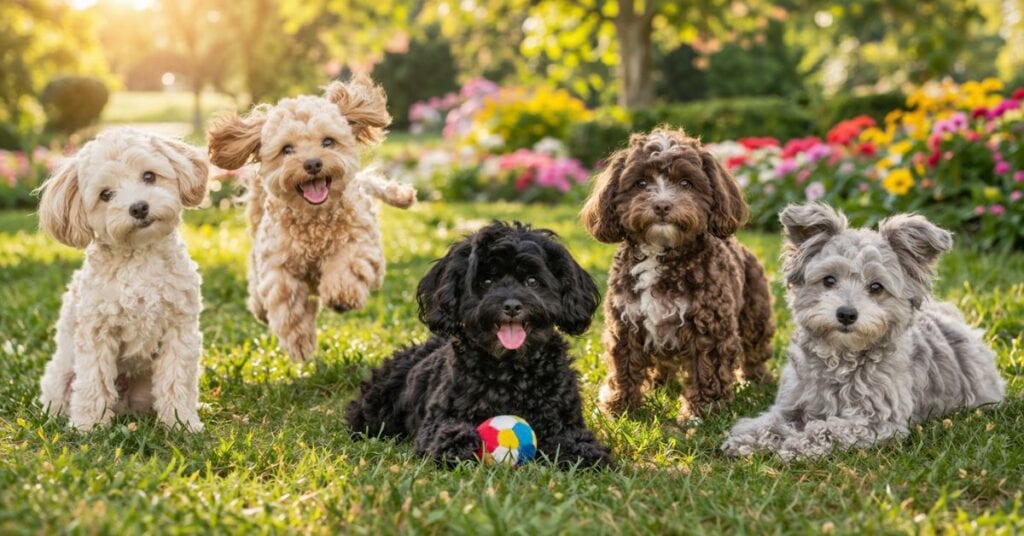
A Chihuahua Poodle mix is a crossbreed dog created by pairing a purebred Chihuahua with a purebred Poodle, usually a Toy or Miniature Poodle. This hybrid is commonly nicknamed the Chipoo, Choodle, or Poochi. Like most designer breeds, the Chipoo does not have a long historical pedigree. Breeders began intentionally crossing these two breeds within the last few decades to combine desirable traits from each parent.
The Chihuahua contributes a small frame, an alert personality, and strong devotion to its owner. The Poodle parent brings intelligence, trainability, and a coat that sheds less than many other breeds. This combination makes the Chihuahua Poodle mix appealing to owners who want a tiny dog with a big personality but fewer grooming headaches than a purebred Chihuahua alone.
Because it is a first-generation or multi-generation hybrid, a Chihuahua Poodle mix can inherit traits unevenly. Some puppies favor the Chihuahua side with a shorter coat and more prominent apple-shaped head, while others take after the Poodle parent with curlier fur and a longer muzzle. This unpredictability is part of what makes each Chipoo unique.
Reputable breeders test both parent dogs for genetic conditions common to each breed, including patellar luxation and progressive retinal atrophy. Prospective owners should always ask for health clearances before purchasing a puppy. Organizations like the American Kennel Club do not officially recognize the Chipoo as a breed since it is a mix, but many breed clubs and rescue groups track and support these designer dogs.
Understanding the origin of the Chihuahua Poodle mix helps set realistic expectations. Since genetics vary, no two Chipoos look or behave exactly alike, even within the same litter. This is why working with an experienced, transparent breeder or adopting through a rescue with known lineage information matters so much for long-term satisfaction.
Key Facts About the Chihuahua Poodle Mix
- Also known as: Chipoo, Choodle, Poochi
- Parent breeds: Chihuahua x Toy or Miniature Poodle
- Not officially recognized by the AKC, since it’s a hybrid, not a purebred
- Traits can lean toward either parent, even within the same litter
- Always ask breeders for genetic health clearances on both parents
Chihuahua Poodle Mix Appearance and Coat Types

The appearance of a Chihuahua Poodle mix varies significantly depending on which parent’s genes dominate. Most Chipoos stand between 5 and 10 inches tall and weigh between 5 and 12 pounds as adults. Their body shape is typically compact and slightly rounded, with a small chest and slender legs inherited from the Chihuahua side.
Coat type is one of the most talked-about traits in this hybrid. A Chihuahua Poodle mix may have a short, smooth coat like a Chihuahua, a curly, dense coat like a Poodle, or a wavy texture that falls somewhere in between. Coat color also ranges widely, including cream, black, brown, fawn, silver, and parti-color combinations.
Owners hoping for a hypoallergenic dog should understand that no dog is completely allergen-free. However, Chipoos with a Poodle-dominant curly coat tend to shed less and produce fewer loose allergens than short-haired Chihuahuas. This makes the Chihuahua Poodle mix a reasonably good option for mildly allergy-sensitive households, though it is not guaranteed.
Ear shape also varies. Some Chihuahuas have the large, upright ears typical of Chihuahuas, while others have the softer, folded ears seen on Poodles. Eyes are usually round and dark, giving the breed an expressive, alert look that many owners find endearing.
Facial structure often blends both parents, with a slightly rounded skull and a muzzle shorter than a purebred Poodle’s but longer than a Chihuahua’s. Tail carriage tends to curl upward, similar to the Chihuahua.
Because coat and body type are unpredictable, prospective owners adopting a young puppy should expect some changes as the dog matures. A curly-coated puppy may loosen into wavy fur, and coloring can shift slightly during the first year. Regular brushing from an early age helps owners monitor coat development and keeps the Chihuahua Poodle mix comfortable and tangle-free as it grows.
Appearance at a Glance
- Height: 5–10 inches | Weight: 5–12 lbs
- Coat types: smooth, wavy, or curly
- Common colors: cream, black, brown, fawn, silver, parti-color
- Ears: upright (Chihuahua-style) or folded (Poodle-style)
- Not guaranteed hypoallergenic, but curly coats shed less
Chihuahua Poodle Mix Temperament and Personality

Temperament is where the Chihuahua Poodle mix truly shines for many families. This hybrid typically inherits the Chihuahua’s devotion and the Poodle’s sociability, creating a dog that is affectionate, alert, and eager to please. Chipoos often bond closely with one primary caregiver but remain friendly toward the rest of the household with proper socialization.
This breed tends to be intelligent and quick to learn, a trait borrowed directly from the Poodle side. Owners often find that a Chihuahua Poodle mix picks up basic commands and house training faster than a purebred Chihuahua, though consistency and patience are still required.
Like Chihuahuas, this mix can be prone to separation anxiety if left alone for long periods. Barking at strangers or unfamiliar noises is common, since the Chihuahua parent contributes a naturally watchful, sometimes suspicious nature. Early socialization with different people, pets, and environments helps reduce excessive barking and nervousness later in life.
Chipoos generally do well with children in calm households, though their small size means rough play should always be supervised. Because of their delicate build, this mix is often better suited to families with older, gentler children rather than toddlers who may accidentally injure the dog.
Energy levels are moderate. This breed enjoys short walks, indoor play, and mental stimulation through puzzle toys, but does not require the intense daily exercise larger breeds need. Boredom can lead to destructive behavior, so interactive toys and short training sessions keep a Chihuahua Poodle mix mentally satisfied.
Overall, this hybrid makes an excellent companion for singles, couples, seniors, and families who can offer consistent attention. Its loyal, affectionate nature paired with Poodle-level intelligence creates a dog that is both a loving lapdog and a capable, trainable pet when given the right structure and socialization from puppyhood.
Personality Traits Overview
- Affectionate and deeply bonded to primary caregiver
- Intelligent and quick to learn commands
- Prone to separation anxiety if left alone, often
- Can be vocal or wary of strangers without socialization
- Best with older, gentle children rather than toddlers
- Moderate energy; enjoys short walks and indoor play
Chihuahua Poodle Mix Size and Growth Chart
Understanding expected size helps owners plan for feeding, crate size, and general care. The table below outlines typical growth stages for a Chihuahua Poodle mix based on average development patterns.
Growth Chart by Age
| Age | Average Weight | Average Height | Development Notes |
| 8 weeks | 1.5–3 lbs | 4–5 inches | Weaning complete, rapid early growth |
| 3 months | 2.5–5 lbs | 5–6 inches | Baby teeth present, socialization window |
| 6 months | 4–8 lbs | 6–8 inches | Adult teeth are emerging, and growth is slowing |
| 12 months | 5–12 lbs | 7–10 inches | Near full adult size |
| 18 months+ | 5–12 lbs | 7–10 inches | Fully mature, weight stabilized |
Most Chihuahua Poodle mix dogs reach full adult size between 10 and 14 months, slightly later than a purebred Chihuahua due to the Poodle’s influence on the growth timeline. Toy Poodle parentage tends to produce a smaller adult size, while Miniature Poodle parentage can result in a slightly larger, sturdier Chipoo.
Because this breed is small, portion control matters. Overfeeding even slightly can lead to rapid weight gain relative to their tiny frame, increasing strain on joints already prone to patellar luxation. Weighing your dog monthly during the first year helps catch growth irregularities early and supports a conversation with your veterinarian if the dog falls outside expected ranges.
Growth Milestones
- Full adult size is typically reached at 10–14 months
- Toy Poodle parentage tends to produce smaller adults
- Miniature Poodle parentage tends to produce sturdier adults
- Weigh monthly during year one to track healthy growth
Feeding and Nutrition for a Chihuahua Poodle Mix

Proper nutrition is essential for keeping a Chihuahua Poodle mix healthy across its 12 to 15-year lifespan. Because of their small stomach capacity and fast metabolism, this hybrid does best on high-quality, calorie-dense food formulated specifically for small or toy breeds.
Puppies typically need three to four small meals per day until around six months old, after which feeding can transition to two meals daily for adults. Free-feeding is generally discouraged, as small breeds are prone to obesity when food is available at all times.
Look for dog food with real meat listed as the first ingredient, appropriate fat content for energy, and added glucosamine to support joint health, since patellar luxation is a known risk in both parent breeds. Avoid foods with excessive fillers, artificial preservatives, or unnecessary grain content unless a veterinarian recommends a specific diet.
Hypoglycemia, or low blood sugar, is a genuine concern for toy-sized dogs like the Chihuahua Poodle mix, especially in puppies. Symptoms include lethargy, trembling, and disorientation. Feeding small, frequent meals and avoiding long gaps between feedings helps prevent this dangerous condition.
Fresh water should always be available. Dental health also deserves attention, as small breeds are prone to tartar buildup and periodontal disease. Dental chews, appropriate kibble texture, and regular brushing all support long-term oral health.
Treats should make up no more than 10 percent of daily caloric intake. Because Chipoos are small, even a few extra treats can lead to noticeable weight gain over time. Consulting with a veterinarian about a feeding plan tailored to your dog’s activity level, age, and body condition ensures your Chihuahua Poodle mix maintains a healthy weight throughout its life.
Feeding Tips at a Glance
- Puppies: 3–4 small meals daily until 6 months
- Adults: 2 meals daily, no free-feeding
- Choose a small/toy-breed formula with real meat first
- Watch for hypoglycemia signs: lethargy, trembling, disorientation
- Keep treats under 10% of daily calories
Grooming Needs of a Chihuahua Poodle Mix

Grooming requirements for a Chihuahua Poodle mix depend heavily on coat type, but most Chipoos need more maintenance than a purebred Chihuahua due to Poodle-inherited fur. Curly or wavy-coated dogs require regular brushing to prevent matting, while short-coated Chipoos need less frequent but still consistent care.
Grooming Checklist
- Brush coat 2–4 times per week to prevent tangles and mats
- Bathe every 3–4 weeks using a gentle, dog-safe shampoo
- Trim nails every 3–4 weeks or when you hear clicking on floors
- Clean ears weekly to prevent wax buildup and infection
- Brush teeth 3–4 times per week to reduce tartar
- Schedule a professional grooming trim every 6–8 weeks for curly coats
- Check paw pads and between toes for debris after walks
Below is a sample grooming schedule based on coat type.
Grooming Schedule by Coat Type
| Grooming Task | Short-Coat Chipoo | Curly-Coat Chipoo |
| Brushing | 1–2x weekly | 2–4x weekly |
| Bathing | Every 4 weeks | Every 3–4 weeks |
| Professional Trim | Rarely needed | Every 6–8 weeks |
| Nail Trimming | Every 3–4 weeks | Every 3–4 weeks |
| Ear Cleaning | Weekly | Weekly |
Curly-coated Chihuahua Poodle mix dogs are more prone to matting behind the ears, under the legs, and around the collar area, so owners should pay close attention to these spots during brushing sessions. Using a slicker brush followed by a metal comb helps catch tangles before they tighten into mats.
Professional groomers familiar with Poodle-mix coats can help maintain a manageable length that reduces at-home upkeep. Many owners choose a shorter “puppy cut” for easier maintenance. Regardless of coat type, starting grooming routines early in puppyhood helps a Chihuahua Poodle mix become comfortable with brushing, bathing, and nail trims throughout its life.
Common Health Issues in a Chihuahua Poodle Mix

Like all hybrid breeds, a Chihuahua Poodle mix can inherit health conditions common to either parent breed. While mixed breeds often benefit from genetic diversity, responsible owners should still watch for the following conditions.
Patellar luxation, or a dislocating kneecap, is common in small breeds, including both Chihuahuas and Poodles. Symptoms include intermittent limping or skipping while walking. Mild cases may be managed with weight control and joint supplements, while severe cases sometimes require surgery.
Progressive retinal atrophy, an inherited eye condition that can lead to gradual blindness, is seen in Poodles and can appear in Chipoos. Regular veterinary eye exams help catch early signs.
Dental disease is a significant concern for small-breed dogs due to crowded teeth and a small jaw structure. Consistent brushing and professional cleanings reduce the risk of periodontal disease, which can affect overall organ health if left untreated.
Hypoglycemia, particularly in puppies and very small adult Chipoos, requires attention to feeding schedules as described earlier in this guide. Tracheal collapse, a condition where the windpipe weakens, is another possibility inherited from the Chihuahua side, often signaled by a persistent honking cough.
Regular veterinary checkups, ideally twice yearly for toy breeds, allow early detection of these conditions. According to the American Veterinary Medical Association, preventive care and routine screenings significantly improve quality of life and lifespan in small companion breeds. Reputable breeders should provide health clearances for both parent dogs, and new owners should ask about the genetic history of any Chihuahua Poodle mix puppy before adoption.
Maintaining a healthy weight, providing joint-supportive nutrition, and scheduling consistent vet visits are the three most effective steps owners can take to protect their Chipoo’s long-term health.
Health Watch List
- Patellar luxation (dislocating kneecap)
- Progressive retinal atrophy (inherited eye condition)
- Dental disease from crowded, small jaws
- Hypoglycemia, especially in puppies
- Tracheal collapse, signaled by a honking cough
- Recommend: twice-yearly veterinary checkups
Training and Exercise Needs for a Chihuahua Poodle Mix

Training a Chihuahua Poodle mix is generally easier than training a purebred Chihuahua, thanks to the Poodle’s high intelligence and eagerness to please. Positive reinforcement methods, including treats, praise, and short training sessions, work best with this breed.
Early socialization is critical. Exposing puppies to different people, sounds, surfaces, and other animals between 8 and 16 weeks of age helps prevent the excessive barking and wariness of strangers that Chihuahuas are known for. Puppy classes are a great way to combine socialization with basic obedience training.
House training typically takes a few weeks with consistency. Because of their small bladders, Chipoo puppies need frequent bathroom breaks, roughly every one to two hours during the day at first. Crate training supports house training and gives the dog a safe, den-like space.
Exercise needs are moderate. A daily walk of 20 to 30 minutes combined with indoor playtime is usually sufficient. Mental stimulation matters just as much as physical exercise for this intelligent hybrid. Puzzle feeders, scent games, and short trick-training sessions help prevent boredom-related behaviors like chewing or excessive barking.
Because Chihuahua Poodle mix dogs can develop separation anxiety, gradually building tolerance to alone time from puppyhood helps prevent destructive behavior later. Leaving safe chew toys and starting with short absences before working up to longer ones supports a confident, well-adjusted adult dog.
Consistency, patience, and positive reinforcement are the foundation of successful training with this breed. Harsh corrections tend to backfire with sensitive small dogs, while reward-based training builds trust and produces a well-mannered, sociable Chihuahua Poodle mix.
Training Essentials
- Use positive reinforcement: treats, praise, short sessions
- Socialize between 8 and 16 weeks of age
- Expect frequent potty breaks (every 1–2 hours) as puppies
- Provide 20–30 minutes of daily exercise plus mental stimulation
- Build alone-time tolerance gradually to prevent separation anxiety
Is a Chihuahua Poodle Mix Right for You?

Deciding whether a Chihuahua Poodle mix fits your lifestyle comes down to a few honest considerations. This breed suits owners who want a small, affectionate companion, can commit to regular grooming, and are willing to invest time in early training and socialization.
Do’s and Don’ts for Prospective Owners
- Do commit to daily interaction; Chipoos bond deeply and dislike prolonged isolation
- Do budget for grooming, whether at home or professionally
- Do supervise interactions with small children and larger dogs
- Do schedule regular veterinary checkups for early health screening
- Don’t leave this breed alone for extended periods regularly
- Don’t skip socialization during the critical puppy window
- Don’t overfeed; small frames gain weight quickly
- Don’t choose this breed if you want a low-maintenance, hands-off pet
Apartment dwellers, seniors, and first-time small-breed owners often do well with a Chihuahua Poodle mix because of its manageable size and moderate exercise needs. However, households with very young children or frequent long absences may want to reconsider, given the breed’s fragility and tendency toward separation anxiety.
Cost is another factor. Between food, grooming, veterinary care, and initial purchase or adoption fees, owners should budget for ongoing expenses throughout the dog’s 12 to 15-year lifespan. Pet insurance can help offset unexpected veterinary costs related to breed-specific conditions.
Ultimately, a Chihuahua Poodle mix rewards attentive owners with unwavering loyalty, intelligence, and companionship. Anyone ready to meet its grooming, training, and emotional needs will likely find this hybrid to be a deeply rewarding family member.
Frequently Asked Questions
How big does a Chihuahua Poodle mix get?
Most Chihuahua Poodle mix dogs reach 5 to 12 pounds and stand 5 to 10 inches tall as adults. Final size depends on whether the Poodle parent was a Toy or Miniature variety, along with individual genetics from each parent breed.
Are Chihuahua Poodle mixes good with kids?
Chipoos can do well with gentle, older children who understand how to handle small dogs carefully. Their delicate frame makes supervision important, and this breed generally isn’t recommended for households with toddlers or very young children.
Do Chihuahua Poodle mixes shed a lot?
Shedding varies by coat type. Curly-coated Chipoos with more Poodle influence shed minimally, while short-coated Chipoos closer to the Chihuahua side shed slightly more, though still less than many other breeds.
How long do Chihuahua Poodle mixes live?
A Chihuahua Poodle mix typically lives between 12 and 15 years with proper nutrition, regular veterinary care, and a healthy weight maintained throughout its lifetime, similar to the lifespans of both parent breeds.
Is a Chihuahua Poodle mix easy to train?
Yes, this hybrid is generally easier to train than a purebred Chihuahua thanks to Poodle intelligence. Positive reinforcement, early socialization, and consistency produce the best results with this eager-to-please breed.
Conclusion
The Chihuahua Poodle mix offers a rare combination of loyalty, intelligence, and adaptability in a compact package. From its varied coat types and expressive personality to its moderate exercise needs and trainable nature, this hybrid suits a wide range of households, particularly those ready to provide consistent attention and care.
Key takeaways for prospective owners include prioritizing early socialization, maintaining a consistent grooming routine based on coat type, watching for breed-specific health concerns like patellar luxation and hypoglycemia, and feeding a diet appropriate for small, active breeds. Regular veterinary checkups and mindful portion control go a long way toward supporting a long, healthy life.
Whether you’re drawn to the Chipoo’s Poodle-inspired coat, Chihuahua-style devotion, or the overall charm of this designer breed, doing thorough research and choosing a responsible breeder or rescue sets the foundation for a successful match. With patience, love, and proper care, a Chihuahua Poodle mix can become one of the most affectionate and rewarding companions a small-dog household could ask for.
Multimedia Placement Suggestions
- Featured Image: Adult Chihuahua Poodle mix, full body, near the top of the article
- Infographic: Size and growth chart, placed within the size section
- Comparison Graphic: Short-coat vs. curly-coat Chipoo, placed in the appearance section
- Grooming Flowchart: Placed within the grooming section
- Before & After Image: Puppy vs. adult coat development, placed in the appearance section
- Pinterest Image: Vertical graphic summarizing key facts, placed near the introduction
- YouTube Thumbnail: “Chihuahua Poodle Mix Grooming Routine” video, placed in the grooming section
Internal Linking Suggestions
- Chihuahua Coat Types Explained
- Best Small-Breed Dog Food Guide
- How to Prevent Patellar Luxation in Toy Breeds
- Chihuahua Puppy Socialization Tips
- Poodle Mix Grooming Essentials
Trusted External References
This article draws on general guidance consistent with resources from the American Kennel Club (AKC), the American Veterinary Medical Association (AVMA), the ASPCA, the WSAVA, and the Merck Veterinary Manual for breed-specific health and care standards.