

Quick Answer
A Chihuahua Corgi mix, called a Chorgi, is a small designer dog standing 8–15 inches tall and weighing 10–25 pounds.
Chorgis are loyal, energetic, and alert, often inheriting the Corgi’s herding instinct and the Chihuahua’s spirited personality.
They need moderate exercise, early socialization, and regular vet checks for spinal and joint health.
Author Information
Author: Gulnaz Malik
Role: Publisher & Pet Care Expert
Experience: 5+ Years in Dog Care & Dog Grooming
Content Review: Veterinary-reviewed content approach based on trusted canine care resources and practical pet care experience.
Introduction
Chihuahua Corgi mix dogs, often called Chorgis, are lovable hybrid companions with big personalities. This popular crossbreed combines the fearless nature of the Chihuahua with the intelligence and loyalty of the Welsh Corgi.
Many families choose the Chihuahua Corgi mix because of its small size, affectionate temperament, and playful character.
This mixed breed combines the Chihuahua’s fearless loyalty with the intelligence and herding instincts of the Pembroke or Cardigan Welsh Corgi. The result is an affectionate, alert, and energetic dog.
Every Chorgi is unique because it inherits different traits from its parents. Puppies can vary in size, appearance, coat type, and personality.
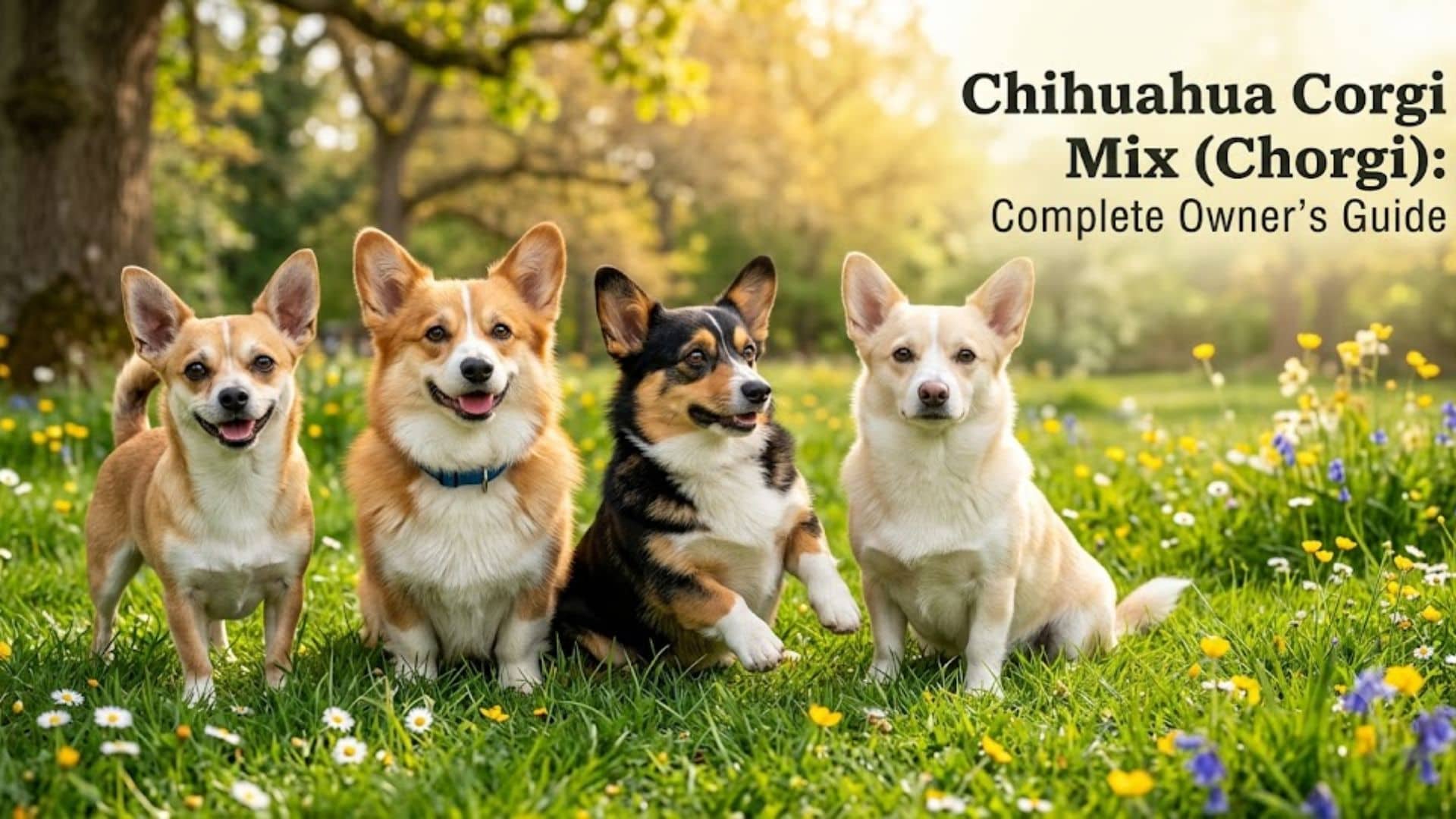
Some Chorgis inherit the Corgi’s long body and short legs. Others resemble the Chihuahua with a smaller frame, rounded head, and upright ears.
This complete guide explains everything you need to know about the Chihuahua Corgi mix. You will discover its size, appearance, temperament, exercise needs, grooming routine, feeding requirements, common health issues, training advice, and tips for finding a responsible breeder.
Whether you already own a Chorgi or plan to adopt one, this guide will help you make informed decisions. It provides practical advice to support a happy and healthy life with your dog.
What Is a Chihuahua Corgi Mix (Chorgi)?
The Chihuahua Corgi mix, also called the Chorgi, is a designer hybrid dog. It is created by crossing a purebred Chihuahua with a purebred Welsh Corgi, most often the Pembroke Welsh Corgi.
As a first-generation crossbreed, the Chorgi does not have fixed traits. Each puppy can inherit different characteristics from its parents. Even puppies from the same litter may look quite different.
The Chihuahua is one of the world’s smallest dog breeds. It is famous for its tiny body, apple-shaped head, and confident personality.
The Welsh Corgi was originally bred in Wales as a herding dog. It is known for its intelligence, stamina, long body, and short legs.
A Chorgi usually inherits a combination of traits from both parent breeds. This gives every dog a unique appearance and personality.
Most Chorgis have short to medium-length legs and a sturdy body. They often have upright or semi-upright ears. Their face usually combines the Corgi’s broader muzzle with the Chihuahua’s pointed features.
Coat length and color can vary from one dog to another. Common colors include tan, white, black, sable, and mixed patterns.
The Chorgi is not officially recognized by the American Kennel Club (AKC). It is considered a mixed breed rather than a standardized purebred dog.
Even so, several hybrid dog registries recognize the Chorgi. Its popularity continues to grow among families and small-dog lovers who want a smart, compact companion.
If you plan to adopt a Chorgi puppy, try to meet both parent dogs first. Their appearance and temperament can provide useful clues about how the puppy may develop as an adult.
Chihuahua Corgi Mix Size, Weight, and Physical Appearance

Chorgis are considered small to medium-small dogs, and their exact size depends heavily on which parent breed contributes more genetically.
A full-grown Chorgi usually stands 8 to 15 inches tall at the shoulder. Most adults weigh between 10 and 25 pounds, although individual size depends on genetics.
Chorgis that inherit more Corgi traits often have a longer body, shorter legs, and a sturdy build. They usually resemble a smaller version of a Welsh Corgi.
Puppies that take after the Chihuahua are generally lighter and more compact. They often have longer legs, a smaller head, and a more upright body shape.
Coat type varies because both parent breeds have different coats. Corgis have a thick double coat that sheds heavily during seasonal changes. Chihuahuas may have either a smooth, short coat or a longer, silky coat.
Most Chorgis develop a medium-length, dense coat. They shed throughout the year and benefit from regular brushing to remove loose hair and keep the coat healthy.
Common coat colors include fawn, sable, black and tan, tricolor, and white with patches. Many Chorgis display a blend of classic Corgi colors and Chihuahua markings.
Most Chorgis have dark brown eyes. Their ears may stand fully upright like a Chihuahua’s or remain semi-erect like a Corgi’s. Ear shape depends on the puppy’s inherited genes.
Body proportions can vary from one Chorgi to another. Some dogs inherit a long back with shorter legs, while others have a more balanced build.
A longer spine may increase the risk of back or joint problems later in life. This is an important factor to consider when planning daily exercise and activities.
Watch your puppy’s growth during its first year. Body shape develops gradually and can influence exercise needs, jumping ability, and safe access to furniture as an adult.
Chihuahua Corgi Mix Temperament and Personality
Chihuahua Corgi Mix Temperament and Personality: The Chihuahua Corgi mix is an alert, affectionate, and lively companion. Many owners describe the Chorgi as a big dog with a small body because of its confident personality.
This hybrid often inherits the Corgi’s intelligence and herding instincts. It also gains the Chihuahua’s courage and strong loyalty to its family.
Most Chorgis form a close bond with one or two family members. They enjoy spending time with their favorite people and often follow them from room to room.
Because of this strong attachment, some Chorgis dislike being left alone. Without proper training, they may develop separation anxiety. Gradual independence training can help prevent this problem.
Many Chorgis inherit herding behaviors from the Corgi parent. They may gently nip at heels, circle family members, or try to herd children and other pets.
These actions are usually instinctive rather than aggressive. Positive training and interactive games help healthily redirect the behavior.
Like the Chihuahua, the Chorgi is naturally alert. It may bark when strangers arrive or when it hears unfamiliar sounds. This makes the breed a reliable watchdog despite its small size.
Early socialization is essential for a confident adult dog. Introduce your puppy to different people, places, sounds, and friendly animals from an early age.
Most Chorgis do well with older children who know how to handle small dogs respectfully. Supervision is still important around toddlers because of the dog’s small size and delicate build.
With consistent training, positive reinforcement, and daily mental stimulation, the Chihuahua Corgi mix grows into a friendly and well-mannered companion.
Chihuahua Corgi Mix Exercise and Activity Needs
Although the Chihuahua Corgi mix is small, it has plenty of energy. Daily exercise is important for both physical health and mental well-being.
The Corgi was originally bred as a hardworking herding dog. As a result, many Chorgis have higher energy levels than other small companion breeds.
Most adult Chorgis need 30 to 45 minutes of exercise every day. Divide this time between walks, play sessions, and mentally stimulating activities.
Leash walks, games of fetch, and puzzle toys are excellent choices. These activities keep the body active while also challenging the dog’s mind.
Without enough exercise, a Chorgi may become bored. This can lead to excessive barking, chewing, digging, or attempts to herd people and other pets.
Mental exercise is just as important as physical activity. Training sessions, food puzzles, and interactive games help prevent destructive behaviors.
Because some Chorgis inherit a long back and short legs, high-impact activities should be limited. Avoid repeated jumping from furniture and excessive stair climbing whenever possible.
Safer activities include flat-ground walks, gentle games of fetch, and supervised swimming. These exercises build fitness while placing less stress on the spine and joints.
Young Chorgi puppies need less exercise than adults. A useful guideline is five minutes of structured activity per month of age, performed twice each day.
As your Chorgi grows, increase exercise gradually. Always consider its energy level, body structure, and any health concerns identified by your veterinarian.
Chihuahua Corgi Mix Grooming and Coat Care

Chorgi grooming needs fall in the moderate range, largely influenced by the Corgi parent’s double coat. Chihuahua Corgi Mix Grooming and Coat Care
Most Chihuahua Corgi mix dogs shed throughout the year. Shedding usually becomes heavier during spring and fall when the coat changes with the seasons.
Brush your Chorgi two to three times each week. A slicker brush or undercoat rake removes loose hair and helps prevent tangles. Dogs with thicker coats may need extra grooming.
Daily brushing is often helpful during heavy shedding seasons. It keeps loose fur under control and reduces hair around your home.
Bathe your Chorgi every four to six weeks or whenever it becomes dirty. Always use a gentle shampoo made specifically for dogs. This protects the skin’s natural oils and helps prevent irritation.
Avoid bathing too often because it can dry out the skin. A regular grooming schedule is healthier for the coat.
Trim your dog’s nails every three to four weeks. Long nails can affect movement and place extra stress on the feet, joints, and back.
Clean the ears regularly, especially if they stand upright. Routine ear care helps reduce wax buildup and lowers the risk of infections.
Dental care is especially important for this breed. Many Chorgis inherit a small jaw from the Chihuahua, making them more likely to develop dental problems.
Brush your dog’s teeth several times each week, or daily if possible. Use dog-safe toothpaste and veterinarian-approved dental chews to reduce plaque and support healthy gums.
Chihuahua Corgi Mix Feeding and Nutrition
A healthy diet plays a major role in keeping a Chihuahua Corgi mix active and fit. Proper portion control also helps prevent obesity, which can increase stress on the spine and joints.
Choose a high-quality dog food designed for small or medium breeds. Look for a balanced formula with quality protein, healthy fats, vitamins, and minerals.
Most adult Chorgis eat ¾ to 1½ cups of dry food each day. Divide the food into two meals for easier digestion. The exact amount depends on age, weight, and activity level.
Your veterinarian can recommend the right feeding plan for your dog’s individual needs.
Chorgi puppies require three to four small meals daily. A puppy formula supports healthy growth while helping prevent excessive weight gain.
Keeping puppies at a healthy weight is important. Rapid growth can place extra pressure on developing bones, joints, and the spine.
Maintain a healthy body condition throughout your dog’s life. This is one of the best ways to reduce the risk of back and joint problems.
Treats should provide no more than 10% of your dog’s daily calories. Avoid feeding table scraps because many human foods are unhealthy or even toxic for dogs.
Fresh, clean water should always be available. Check your Chorgi’s body condition regularly. You should be able to feel the ribs without seeing them clearly, and the waist should remain visible from above.
Contact your veterinarian if you notice sudden changes in appetite, weight, or eating habits.
Common Health Concerns in a Chihuahua Corgi Mix
Like all mixed breeds, the Chihuahua Corgi mix may inherit health conditions from either parent. Regular veterinary care and responsible breeding can reduce many of these risks.
One of the most important concerns is Intervertebral Disc Disease (IVDD). Dogs with long backs and short legs have a higher chance of developing this spinal condition.
IVDD may cause pain, weakness, or difficulty walking. In severe cases, it can even lead to paralysis. Keeping your dog lean and limiting jumping helps protect the spine.
Patellar luxation is another common issue. This condition occurs when the kneecap slips out of place. It affects many small dog breeds, including Chihuahuas and Corgis.
Signs include occasional limping or a skipping walk. Your veterinarian can recommend the best treatment based on the severity of the condition.
Dental disease is also common because many Chorgis have small, crowded teeth. Plaque and tartar can build up quickly without regular brushing.
Professional dental cleanings and consistent home care help keep the mouth healthy.
Other possible health concerns include hip dysplasia, obesity, and inherited eye conditions such as progressive retinal atrophy (PRA).
Routine veterinary checkups are essential. Following recommended vaccination schedules and early health screenings helps detect problems before they become serious.
Chihuahua Corgi Mix Training Tips

The Chihuahua Corgi mix is intelligent and eager to learn. However, it may also inherit an independent streak from both parent breeds. Patience and consistency produce the best results.
Positive reinforcement is the most effective training method. Reward good behavior with treats, praise, or playtime to encourage learning.
Avoid harsh punishment or yelling. Negative training methods can increase fear and damage your dog’s confidence.
Begin socialization as early as possible. Introduce your puppy to different people, places, sounds, and friendly animals. Early experiences help build a calm and confident adult dog.
Some Chorgis inherit strong herding instincts. They may try to nip at heels or herd family members during play.
Redirect these behaviors toward appropriate activities. Games like fetch, tug toys, and obedience exercises provide healthy outlets for their instincts.
Teach basic commands such as sit, stay, come, and leave it during puppyhood. Keep training sessions short, usually five to ten minutes, to match your puppy’s attention span.
Crate training can also be helpful. It provides a safe resting place while gradually teaching your dog to stay alone without anxiety.
First-time owners may benefit from puppy training classes or working with a certified dog trainer. Professional guidance helps build good habits early and supports long-term success.
Care Checklist for Chorgi Owners
- Brush coat 2–3 times weekly; daily during shedding season
- Bathe every 4–6 weeks with dog-safe shampoo
- Trim nails every 3–4 weeks
- Brush teeth several times weekly to prevent dental disease
- Provide 30–45 minutes of daily exercise, low-impact where possible
- Feed a portion-controlled, small-to-medium breed formula diet
- Schedule annual vet checkups, including spine and joint evaluation
- Limit jumping from furniture to protect the back
- Use ramps or steps for couches and beds
- Begin socialization and training within the first few months
Chorgi Do’s and Don’ts
| Do | Don’t |
| Maintain a healthy body weight to protect the spine | Allow free jumping on and off furniture |
| Use positive reinforcement training | Use harsh punishment or yelling |
| Socialize early with people and animals | Isolate the puppy for long, unsupervised periods |
| Schedule regular veterinary wellness exams | Skip dental care routines |
| Provide daily mental and physical stimulation | Overfeed treats or table scraps |
Chorgi Quick Facts Table
| Trait | Details |
| Height | 8–15 inches |
| Weight | 10–25 pounds |
| Lifespan | 12–15 years |
| Coat | Medium, double coat, moderate to heavy shedding |
| Temperament | Loyal, alert, energetic, protective |
| Exercise Needs | 30–45 minutes daily |
| Grooming Needs | Moderate; brush 2–3x weekly |
| Common Health Risks | IVDD, patellar luxation, dental disease, hip dysplasia |
Multimedia Placement Suggestions
- Featured Image: Full-body photo of a Chorgi standing outdoors, alt text: “Chihuahua Corgi mix Chorgi standing on grass”
- Infographic: Chorgi size, coat, and temperament summary graphic, placed after the “What Is a Chorgi” section
- Grooming Flowchart: Weekly grooming routine visual, placed in the grooming section
- Comparison Graphic: Chihuahua vs. Corgi vs. Chorgi traits, placed near the physical appearance section
- Pinterest Image: Vertical infographic with quick facts, placed near the top of the article
- YouTube Thumbnail Suggestion: “Chorgi Puppy to Adult Transformation” video embed near the appearance section
Internal Linking Suggestions
- Chihuahua Temperament and Personality Guide
- Best Small Dog Breeds for Apartment Living
- IVDD in Small Dogs: Prevention and Care
- Chihuahua Puppy Feeding Chart by Age
- How to Socialize a Small Breed Puppy
External Reference
Frequently Asked Questions
How big does a Chihuahua Corgi mix get?
A full-grown Chorgi usually reaches 8 to 15 inches tall and weighs between 10 and 25 pounds. Exact size depends on which parent breed’s genetics are more dominant in the individual puppy.
Are Chorgis good family dogs?
Yes, Chorgis are loyal, affectionate, and good with older children when properly socialized. Supervision is recommended around toddlers due to the dog’s small size and potential fragility.
Do Chorgis shed a lot?
Chorgis shed moderately to heavily year-round, with heavier shedding during seasonal coat changes. Brushing two to three times weekly helps manage loose fur effectively.
What health problems are common in Chorgis?
Common health concerns include intervertebral disc disease, patellar luxation, dental disease, and hip dysplasia. Regular veterinary checkups and weight management help reduce these risks significantly.
How much exercise does a Chorgi need?
Chorgis need about 30 to 45 minutes of daily exercise, combining walks with mental stimulation. Low-impact activities are preferred to protect the spine and joints.
Conclusion
The Chihuahua Corgi mix, or Chorgi, is a spirited, loyal, and intelligent crossbreed that suits owners looking for a compact dog with a big personality.
Combining the Chihuahua’s boldness with the Corgi’s herding intelligence, this hybrid thrives in homes that provide consistent training, regular exercise, and attentive grooming.
Prospective and current owners should prioritize spinal and joint health through weight management and low-impact activity, along with routine veterinary care to catch breed-related conditions early.
Proper socialization and positive reinforcement training help the Chorgi become a confident, well-adjusted companion rather than an anxious or reactive one.
With the right care routine covering nutrition, grooming, exercise, and preventive health screening, the Chorgi can be a devoted family member for 12 to 15 years.
Anyone considering this crossbreed should meet both parent dogs when possible and work with a responsible breeder or reputable rescue to ensure a healthy, well-tempered puppy.
Schema Markup Recommendations
- Article Schema: Headline, author (Gulnaz Malik), datePublished, image, publisher (ChihuahuaNest.com)
- FAQPage Schema: All five FAQ question/answer pairs above
- BreadcrumbList Schema: Home > Dog Breeds > Mixed Breeds > Chihuahua Corgi Mix
Social Media Caption
🐾 Meet the Chorgi, the Chihuahua Corgi mix that’s big on personality, small in size! Loyal, alert, and always ready to herd the family 🐶💛 Swipe to learn everything about caring for this adorable crossbreed. #Chorgi #ChihuahuaCorgiMix #DesignerDogs #SmallDogBreeds #DogCareTips #ChihuahuaNest