

Quick Answer
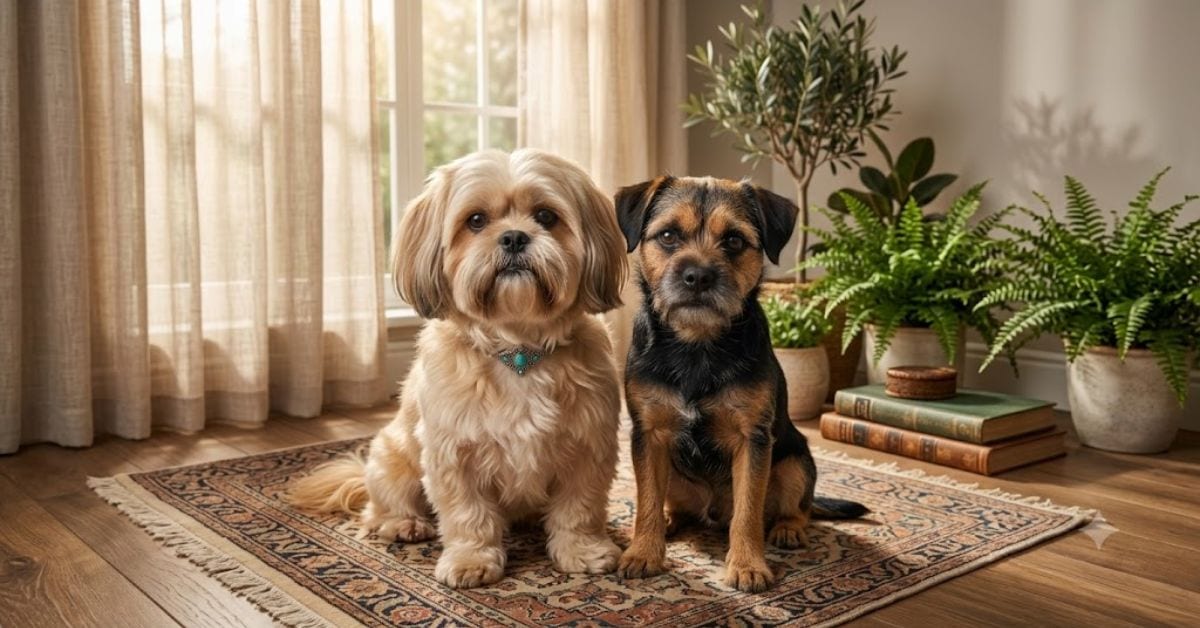
Pugshire puppies are a Pug and Yorkshire Terrier mix, weighing 7–18 pounds and standing 7–12 inches tall.
They’re affectionate, playful, and adapt well to apartments, but may inherit the Pug’s flat face and breathing sensitivity. Expect a 12–15-year lifespan with proper care.
Author:
Gulnaz Malik
Role:
Publisher & Pet Care Expert
Experience:
5+ Years in Dog Care & Dog Grooming
Content Review:
Veterinary-reviewed content approach based on trusted canine care resources and practical pet care experience.
Introduction
Few toy-breed crosses feel as unpredictable or as charming as the Pugshire. Born from pairing a Pug with a Yorkshire Terrier, this little hybrid blends two dogs with almost opposite histories:
One an ancient Chinese lapdog built for comfort, the other a scrappy British terrier bred to hunt vermin.
What you end up with is a devoted, pint-sized companion whose looks and personality can swing toward either parent, sometimes within the very same litter.
Thinking about bringing home a Pugshire puppy? You’ve likely got questions about size, temperament, coat maintenance, and the health issues this mix might inherit.
This guide walks through all of it: feeding routines, grooming schedules, training strategies, and the specific breathing-related concerns tied to brachycephalic traits.
By the time you finish reading, you’ll have a realistic picture of what daily life with a Pugshire looks like, and how to set your puppy up for a long, healthy run.
What Is a Pugshire Puppy?
Simply put, a Pugshire puppy comes from pairing a purebred Pug with a purebred Yorkshire Terrier.
You won’t find this cross listed with major kennel clubs such as the American Kennel Club (AKC), since designer hybrids don’t meet the criteria for a standardized breed.
Practically speaking, that means littermates from the same Pugshire litter can look surprisingly different from one another.
Most sources trace the Pugshire back to the early 2000s, part of a broader wave of toy-breed crossing aimed at combining desirable traits.
The goal was straightforward: merge the Pug’s laid-back warmth with the Yorkie’s spirited, confident attitude, all in a small enough package for apartment life.
Because the Pugshire lacks a fixed genetic standard, guessing how any single puppy will mature is genuinely tricky. Some pups favor the Pug parent, showing a rounder skull, shorter muzzle, and thicker build.
Others take after the Yorkie side instead, with a longer nose, lighter bone structure, and a smoother, silkier coat. Plenty land somewhere in between, carrying a visible mix of both.
Rather than a drawback, most owners see this variability as part of what makes the breed fun. Every Pugshire puppy turns out to look and act like its own individual dog rather than a copy-paste template.
When picking from a litter, take time watching how each pup moves and behaves; build, coat length, and energy can differ quite a bit even among siblings.
One caution worth repeating: steer clear of puppy mills cashing in on the “designer dog” trend. A trustworthy breeder health-tests both parent dogs, raises puppies in clean, humane conditions, and shares vaccination and deworming paperwork without hesitation.
Rescue adoption is also worth exploring, since mixed breeds like the Pugshire do turn up in shelters from time to time.
Pugshire Size, Weight, and Physical Appearance
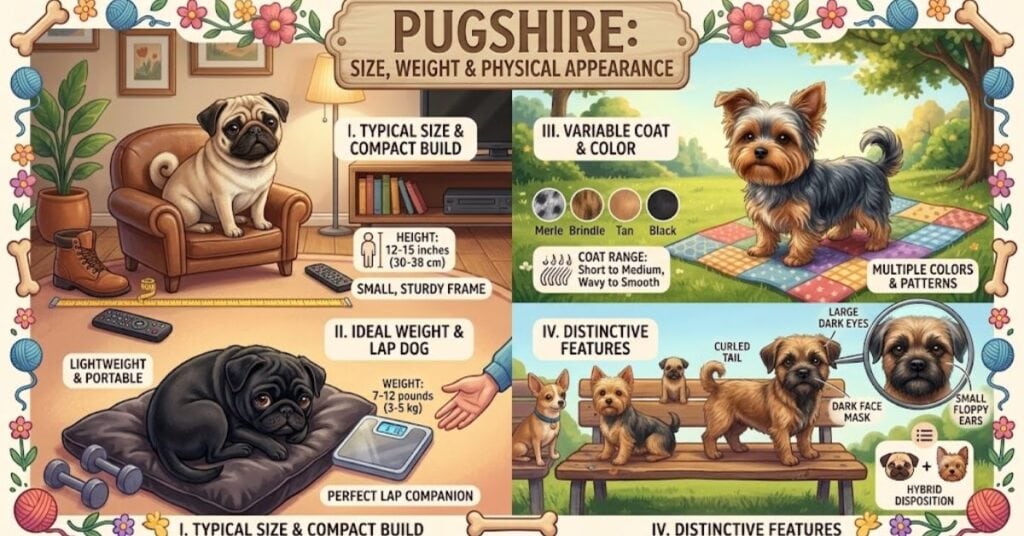
Pugshires stay small their entire lives, growing into compact adults that typically weigh 7 to 18 pounds and stand 7 to 12 inches at the shoulder.
Where exactly a puppy lands in that range comes down to which parent’s genetics take the lead.
Appearance-wise, it’s common to see the Pug’s large, round, soulful eyes paired with the Yorkie’s sharper, more alert terrier expression.
Ears might flop down like a Pug’s, stand up like a Yorkie’s, or show up as one of each on the same dog.
Muzzle length is where the difference shows up most; some puppies carry the Pug’s flat face, while others grow a longer, terrier-style snout.
Coat is another wildcard. Puppies favoring the Pug side usually end up with a short, dense double coat that sheds fairly steadily year-round.
Those leaning Yorkie tend toward a longer, silkier single coat that sheds less but mats more easily if brushing gets skipped. Typical coat colors include black and tan, fawn, brindle, and solid black.
Given all this variation, it’s tough to forecast an eight-week-old puppy’s adult look with much confidence. A better strategy than judging by puppy photos alone is to ask the breeder about the size of both parent dogs.
Build-wise, expect a sturdy, slightly elongated frame rather than a square one, with a compact chest and moderate bone density.
Tails may curl Pug-style or sit straighter like a Yorkie’s. The overall effect is a bit of a mismatched charm, which is exactly why so many owners fall for this mix, since no two Pugshires ever look quite the same.
Pugshire Puppies Temperament and Personality
Warmth and devotion define the typical Pugshire personality. Both parent breeds contribute heavily here. Pugs are practically synonymous with lap-dog loyalty, and Yorkies, despite their tiny frame, are known for staying fiercely attached and protective of their people.
Expect a shadow-like companion who follows you from room to room and struggles when left alone too often.
Pugshires usually latch onto one or two favorite family members while remaining friendly toward everyone else in the house a trait that suits owners with flexible schedules or remote work setups where companionship is easy to offer.
How much energy your puppy shows often traces back to which parent breed dominates. A Pugshire with more Yorkie in the mix tends to be sharper, chattier, and quicker to sound the alarm at strangers or odd noises.
One leaning Pug-ward is usually mellower, more focused on food, and happy to nap for long stretches. Most puppies sit somewhere between these two extremes, mixing calm moments with playful bursts.
Given the Yorkie’s roots as a working ratter, don’t be surprised if your Pugshire shows a bit of stubbornness or a noticeable prey drive around smaller animals.
Getting ahead of this with early socialization matters, particularly in homes with cats or other small pets.
This mix typically gets along well with kids, though supervision is smart with very young children given how small and delicate these dogs are. They also tend to socialize well with other dogs when introduced properly as puppies.
Separation anxiety can crop up in Pugshires, so easing into crate training and short stretches of alone time early on helps avoid destructive habits or nuisance barking down the road.
Pugshire Health Concerns and Brachycephalic Care
Understanding the health picture matters just as much as falling for the Pugshire’s looks. Since the Pug side carries brachycephalic (flat-faced) genetics, some puppies end up with a shortened muzzle and with it, a real risk of breathing trouble, particularly when temperatures or humidity climb.
Watch for a handful of recurring issues in this mix: patellar luxation (kneecap slippage, fairly common among small, energetic breeds), dental crowding from a compact jaw, and eye sensitivity tied to the Pug’s large, prominent eyes.
Puppies with a flatter face may also snore, snort, or struggle more in heat, so if air travel is in your plans, double-check your airline’s policy; many carriers won’t allow brachycephalic breeds in cargo.
Catching problems early starts with consistent vet visits. Both the American Veterinary Medical Association (AVMA) and the World Small Animal Veterinary Association (WSAVA) point to routine wellness exams, dental cleanings, and ongoing weight checks as standard care for small, flat-faced mixes.
Weight deserves extra vigilance here, since both Pugs and Yorkies have a reputation for begging and overeating.
Extra pounds make breathing harder for flat-faced dogs and put more pressure on joints already at risk for kneecap issues. Measured, portion-controlled meals beat free-feeding by a wide margin.
Given attentive care, Pugshires typically live a full 12 to 15 years. Sourcing your puppy from a breeder who screens parent dogs for hip, knee, and eye problems cuts down considerably on inherited health risks.
Given the orthopedic and respiratory concerns this mix can face, pet insurance is also a reasonable investment to consider early on.
Feeding and Nutrition Guide for Pugshire Puppies

Look for a small-breed puppy formula designed for the faster metabolism of toy dogs compared to larger breeds.
A good option lists real meat first on the ingredient label, matches the calorie needs of a small dog, and skips heavy fillers.
Portion control should start early, since both parent breeds hand down a tendency toward weight gain. Rather than free-feeding, which lets this food-driven mix overeat without much effort, stick to two measured meals daily.
Keep treats under 10% of total daily calories, favoring small, low-calorie training treats over scraps from the table.
Younger puppies, under six months old, generally do better with three or four smaller meals spread through the day to keep energy steady and support healthy growth.
Most Pugshires can shift to twice-daily adult feeding around the six-month mark, though your vet can help adjust the exact timing to your dog’s growth curve.
Puppies with a flatter, Pug-like face sometimes eat too fast, which can trigger choking or bringing food back up.
A slow-feeder bowl solves this neatly by forcing a more measured pace. Water should be available at all times, with bowls refilled and checked throughout the day, especially after exercise or on warmer days.
Check with your vet before making any significant diet switch, and keep known toxic foods well out of reach; chocolate, grapes, onions, and anything sweetened with xylitol are dangerous for small dogs across the board.
Grooming and Coat Care for Pugshire Puppies
How much grooming your Pugshire needs comes down to which coat type won out genetically. A short, dense, Pug-style coat sheds steadily and does well with a weekly once-over using a rubber curry brush.
A longer, silkier, Yorkie-style coat sheds less overall but needs brushing two to three times a week to stay tangle-free.
No matter the coat, routine brushing keeps loose hair under control and spreads natural oils that keep skin healthy.
Plan on a bath every three to four weeks with a shampoo made for dogs — bathing too often strips those same protective oils and can leave skin dry or irritated.
If your puppy inherited facial wrinkles from the Pug side, those folds need dedicated attention. Wipe them down gently with a damp cloth two to three times weekly to head off bacterial or yeast buildup, a common issue in flat-faced breeds.
Ears need regular checks too, especially floppy Pug-style ones where limited airflow can lead to wax buildup or infection.
Round out the routine with nail trims every three to four weeks and consistent dental care, since dental crowding is a known issue in this mix.
Brushing teeth several times a week with dog-safe toothpaste goes a long way toward preventing plaque and later dental disease.
Grooming Checklist for Pugshire Puppies Owners
- Brush coat 2–3 times weekly (daily if longer/silkier coat)
- Bathe every 3–4 weeks with dog-specific shampoo
- Wipe facial wrinkles 2–3 times weekly
- Clean ears weekly, especially floppy-eared puppies
- Trim nails every 3–4 weeks
- Brush teeth several times per week
Training and Socialization Tips: Pugshire Puppies
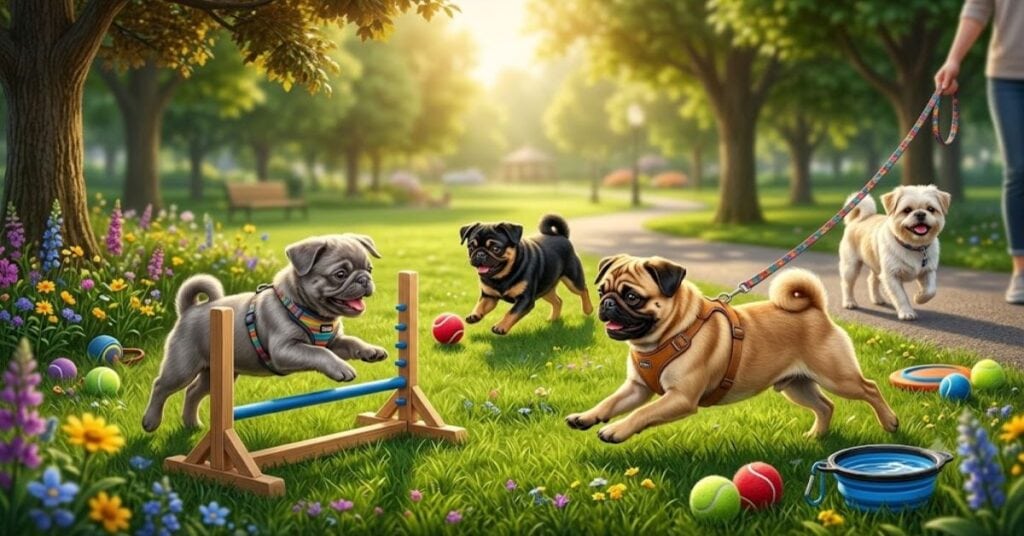
Patience pays off with Pugshire training, since this mix can carry both the Yorkie’s independent streak and the Pug’s occasional stubbornness.
Reward-based methods treats, praise, and steady consistency beat harsh corrections every time, which only erode trust with a sensitive small dog.
Don’t skip early socialization. Introducing your puppy to new people, sounds, places, and other dogs between roughly 8 and 16 weeks of age goes a long way toward preventing fearfulness, reactivity, or excessive barking later.
Puppy classes are worth signing up for once your vet clears your dog’s vaccination status.
Crate training is a smart tool for managing the separation anxiety this mix sometimes develops. Ease in with brief alone periods, gradually stretching them out while pairing the crate with treats and a cozy bed. Done right, this heads off destructive chewing or barking whenever you step out.
Since some Pugshires pick up a stronger prey drive from the Yorkie line, solid leash manners and a reliable recall matter more around small animals.
Get the basics sit, stay, come going early, and keep everyone in the household reinforcing them the same way.
Housetraining tends to take a bit longer with small breeds like this one, simply because of their smaller bladder capacity.
Stick to a consistent schedule, offer frequent bathroom breaks, and reward successful trips outside; most Pugshires get the hang of it within a few months.
Pugshire Puppies Exercise Needs and Daily Activity
This mix sits in the moderate-energy zone not the tireless intensity of a working breed, but more active than people often expect from a toy dog. Aim for 30 to 45 minutes of daily activity, mixing short walks with play indoors or in the backyard.
Because flat-faced traits can affect breathing, exercise intensity should match your individual dog’s build.
A flatter-faced Pugshire needs shorter, gentler sessions and should sit out hot or humid days, when breathing risk climbs. A puppy with a longer muzzle usually handles more vigorous activity without issue.
Physical exercise alone isn’t enough for this sharp, alert mix;x mental stimulation matters too. Puzzle feeders, brief training drills, and interactive games help ward off boredom-driven habits like excessive barking or chewing.
Keep an eye out during activity for overheating or breathing trouble;e heavy panting, bluish gums, or sudden collapse are all red flags. Stop the activity right away and get veterinary help if you notice any of these.
Pugshire Puppies Living Requirements and Family Fit
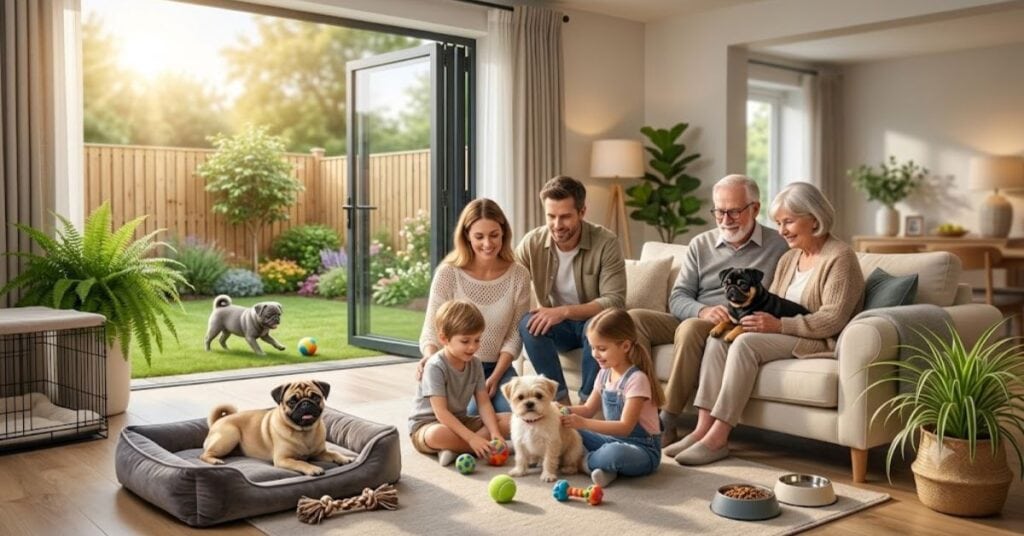
Small size and manageable exercise requirements make Pugshires a natural fit for apartment life, which explains their popularity among city dwellers.
They’re just as comfortable in a house with a yard, as long as they get regular company and aren’t routinely left on their own for hours.
Raised alongside kids from an early age, this mix usually does well with children, though supervision still matters given how small and delicate these dogs are. Introduced properly, they also tend to get along fine with other pets in the home.
Given how tightly Pugshires bond with their people, they’re not the ideal match for households where the dog would sit alone for long stretches most days.
They do best with owners who can offer steady companionship, like retirees, remote workers, or families with schedules flexible enough to include the dog regularly.
Pug vs. Yorkie vs. Pugshire Comparison Table
| Trait | Pug | Yorkshire Terrier | Pugshire |
| Weight | 14–18 lbs | 4–7 lbs | 7–18 lbs |
| Height | 10–13 in | 7–8 in | 7–12 in |
| Coat | Short, dense | Long, silky | Short to medium, varies |
| Shedding | Heavy | Minimal | Low to moderate |
| Energy Level | Low to moderate | Moderate to high | Moderate |
| Lifespan | 12–15 years | 13–16 years | 12–15 years |
| Breathing Risk | High (brachycephalic) | Low | Varies by muzzle length |
Pugshire Puppies Weekly Care Schedule
| Day | Grooming/Care Task |
| Monday | Brush coat, check ears |
| Tuesday | Toothbrushing, short training session |
| Wednesday | Brush coat, wipe facial wrinkles |
| Thursday | Nail check, playtime/exercise |
| Friday | Toothbrushing, socialization outing |
| Saturday | Bath (every 3–4 weeks), brush coat |
| Sunday | Rest day, light play, weight check |
Do’s and Don’ts for Pugshire Owners
Do’s
- Do choose a breeder who health-screens both parent dogs
- Do monitor breathing closely in hot or humid weather
- Do use portion-controlled meals to prevent obesity
- Do start socialization and crate training early
- Do schedule regular veterinary wellness checks
Don’ts
- Don’t over-exercise a flat-faced Pugshire in warm weather
- Don’t free-feed, since this mix is prone to weight gain
- Don’t skip dental care, as dental crowding is common
- Don’t buy from puppy mills marketing “rare” designer mixes
- Don’t leave a Pugshire alone for long hours regularly
Multimedia Placement Suggestions
- Featured Image: Close-up of a Pugshire puppy showing mixed facial traits, placed at top of article
- Infographic: Pug vs. Yorkie vs. Pugshire size and trait comparison placed after comparison table
- Grooming Flowchart: Weekly brushing and bathing routine placed in grooming section
- Before & After Image: Puppy at 8 weeks vs. adult Pugshire placed in appearance section
- Pinterest Image: Vertical graphic with “Pugshire Puppy Care Guide” text overlapped placed near conclusion
- YouTube Thumbnail: Embedded video of Pugshire puppies playing placed in the temperament section
Alt text examples: “Pugshire puppy with Pug and Yorkie facial features,” “Pugshire weekly grooming checklist infographic,” “Adult Pugshire dog compact body and coat”
Internal Linking Suggestions
- Chihuahua Pinscher Mix: Complete Breed Guide
- Chipoo (Chihuahua Poodle Mix) Care and Temperament
- Black Yorkie Poo: Grooming and Health Guide
- Pomshi (Pomeranian Shih Tzu Mix) Complete Guide
- Flying With a Small Dog: Airline Pet Travel Tips
Note: Slugs above match your site’s standard URL pattern; please verify each against the live published URL before publishing, since exact slugs may differ.
Frequently Asked Questions
How big do Pugshire puppies get?
Pugshire puppies typically grow to weigh between 7 and 18 pounds and stand 7 to 12 inches tall at the shoulder. Adult size depends on which parent breed’s genes are more dominant in that individual puppy.
Do Pugshires have breathing problems like Pugs?
Some Pugshires inherit the Pug’s flat face and may experience breathing sensitivity, especially in heat. Others take after the Yorkie’s longer muzzle and breathe normally. It varies by individual puppy.
How much do Pugshire puppies shed?
Shedding ranges from low to moderate depending on coat type. Pug-like coats shed more consistently, while Yorkie-like coats shed less but need more frequent brushing to prevent tangles.
Are Pugshires good with children and other pets?
Yes, Pugshires are generally affectionate and good with children and other pets when socialized early. Supervision is recommended with young kids due to the dog’s small, delicate size.
How long do Pugshire dogs live?
With proper nutrition, weight management, and veterinary care, Pugshires typically live 12 to 15 years, similar to both parent breeds.
Conclusion
Between the Pug’s easygoing warmth and the Yorkie’s spirited confidence, the Pugshire brings together two very different personalities in one small, adaptable dog.
And since it’s not a fixed breed, no two puppies turn out quite the same; some settle into the Pug’s calmer, flatter-faced look, while others carry the Yorkie’s finer build and feistier edge.
Raising a healthy Pugshire really comes down to a handful of priorities: grooming tailored to whichever coat type your dog inherited, portion-controlled meals to keep weight in check, early training and socialization, and close monitoring of breathing and joint health if brachycephalic traits show up.
Pairing that with regular vet visits and a breeder who screens for hereditary issues sets your puppy up for the best possible start.
Whatever draws you to the Pugshire the apartment-friendly size or the sheer devotion this mix shows its people it’s a companion well worth the consistent care it needs.
Get the routine right, and a Pugshire puppy can stay a happy, healthy part of your family for well over a decade.
Social Media Caption
🐾 Meet the Pugshire half Pug charm, half Yorkie spunk, 100% lap dog! 🐶💕 From flat-faced cuties to feisty terrier lookalikes, no two Pugshire puppies are ever the same. Swipe to learn everything about this adorable designer mix! 👉 Link in bio
#Pugshire #PugYorkieMix #DesignerDogs #SmallDogBreeds #PuppyCare #ChihuahuaNest #DogGroomingTips #ToyBreedDogs #NewPuppyOwner #DogHealthTips
Schema Markup Recommendations
- Article Schema: headline, author (Gulnaz Malik), datePublished, image, publisher (ChihuahuaNest.com)
- FAQPage Schema: all 5 FAQ Q&A pairs above
- BreadcrumbList Schema: Home > Dog Breeds > Mixed Breeds > Pugshire Puppies