

Quick Answer
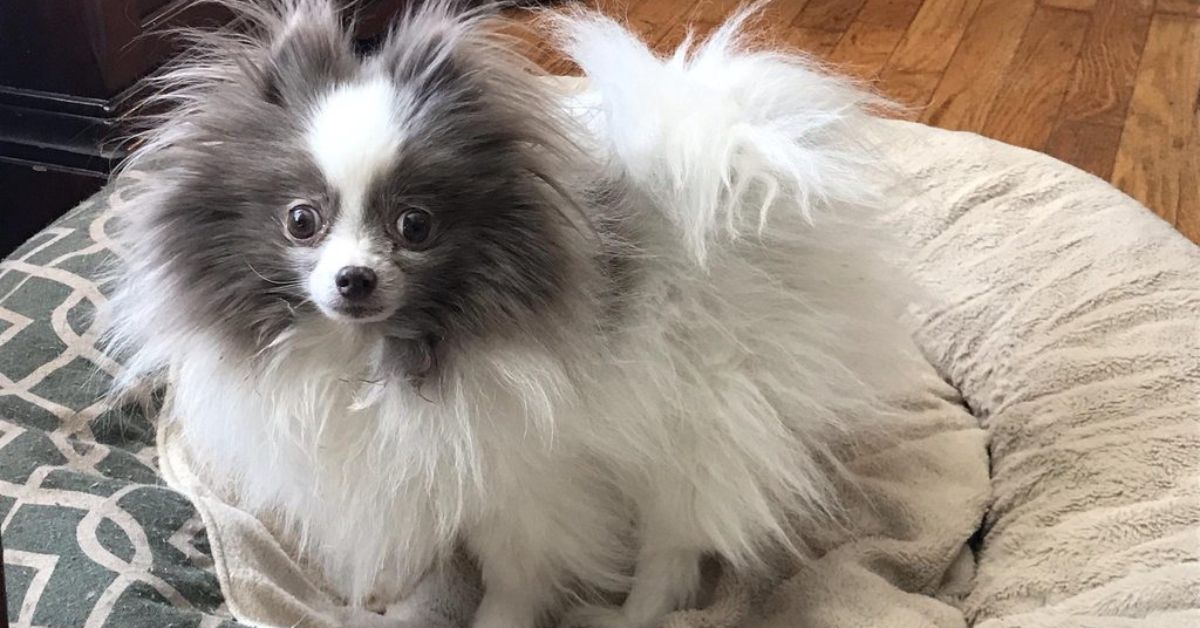
A Lavender Pomeranian is a Pomeranian with a rare, diluted brown coat that may appear silvery-gray, pinkish-brown, or soft lilac.
Its unusual color comes from inherited pigmentation genes. Lavender Pomeranians have the same personality and basic care needs as other Pomeranians, but owners should pay attention to coat health, grooming, responsible breeding, and possible skin conditions.
Author Box
Author: Gulnaz Malik Role: Publisher & Pet Care Expert Experience: 5+ Years in Dog Care & Dog Grooming Content Review: Veterinary-reviewed content approach based on trusted canine care resources and practical pet care experience.
Introduction
The Lavender Pomeranian attracts attention with its unusual coat color, fluffy appearance, and adorable fox-like face. Unlike traditional orange or cream Pomeranians, this beautiful dog displays a soft lavender, pinkish-gray, or muted chocolate shade, giving it a distinctive appearance.
Many dog lovers search for Lavender Pomeranians because they want something different from common coat colors. However, finding one requires more than recognizing its beautiful appearance.
You should understand its genetics, coat development, grooming requirements, health concerns, and responsible breeding practices before bringing one home.
A Lavender Pomeranian is not a separate dog breed. It is simply a Pomeranian with a particular combination of inherited coat-color traits.
Its size, temperament, exercise needs, and general personality remain similar to those of other Pomeranians.
Some breeders advertise lavender puppies as extremely rare or premium dogs. However, unusual color alone does not guarantee good health, excellent temperament, or superior breeding quality.
This complete guide explains everything you need to know about the Lavender Pomeranian. You will discover how its color develops, how to recognize it, what makes it different from blue and chocolate Pomeranians, and how to maintain its beautiful double coat.
You will also learn practical care techniques, health-monitoring methods, and important questions to ask before purchasing a lavender puppy.
What Is a Lavender Pomeranian?
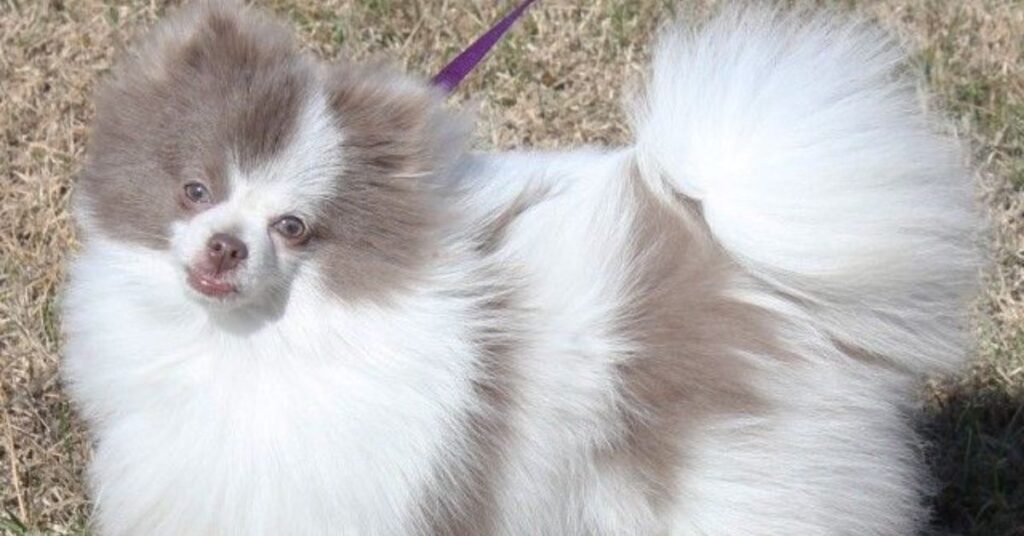
A Lavender Pomeranian is a color variation of the Pomeranian breed. It has a diluted brown coat that can appear grayish, lilac, dusty pink, or soft chocolate depending on its genetic background, coat condition, and lighting.
The word lavender describes the dog’s appearance rather than a separate breed classification. These dogs share the same physical structure and basic characteristics as other Pomeranians.
The American Kennel Club lists several Pomeranian colors, including chocolate, blue, beaver, cream, black, orange, and white. However, its published color list does not separately identify lavender as a standard color name. The official breed standard allows different colors and patterns.
Understanding the Lavender Appearance
A true lavender coat usually has a soft, muted appearance rather than the deep brown shade seen in chocolate Pomeranians.
Some dogs display a stronger purple-gray appearance, while others look closer to pale silver-brown. Their exact appearance can vary because coat pigmentation involves several inherited factors.
Common visual characteristics include:
- Soft gray-brown or lilac-colored fur.
- Muted chocolate or pinkish-gray undertones.
- Lighter pigmentation around the nose and other skin points.
- A thick, fluffy double coat.
- A plumed tail that curls over the back.
- Small, upright ears and a fox-like expression.
Remember that photographs can change how a dog’s coat looks. Bright sunlight, indoor lighting, camera filters, and editing can make a chocolate or blue Pomeranian appear lavender.
For this reason, you should not identify a puppy through photographs alone. Ask the breeder about its parents, genetic background, and veterinary records.
Is Lavender a Separate Pomeranian Breed?
No. Lavender is a coat-color description, not a separate breed.
A Lavender Pomeranian belongs to the same breed as an orange, chocolate, black, or white Pomeranian. It needs the same balanced nutrition, socialization, exercise, dental care, and preventive veterinary attention.
Its unusual color does not automatically make it smaller, calmer, more intelligent, or healthier.
If you want to understand another brown-colored variation, read our Chocolate Pomeranian guide. It explains the differences between chocolate pigmentation and other brown-looking coats.
Lavender Pomeranian Genetics: How Does This Color Develop?
Lavender Pomeranian genetics involve inherited pigmentation traits that influence how dark or light the coat appears.
Two important genetic loci are the B locus and the FBA D locus. These genes affect dark pigment called eumelanin, which contributes to black and brown coloring in dogs.
A simplified explanation helps you understand why lavender coats look different from ordinary chocolate or blue coats.
The B locus influences whether dark pigment appears black or brown. Certain recessive variations can produce brown pigmentation.
The D locus affects pigment dilution. When a dog inherits two copies of a recessive dilution variant, its dark pigment can become lighter.
When brown pigmentation and dilution occur together, the result may appear as a soft lavender or lilac shade. Color terminology varies between breeders, and some use words such as lilac, lavender, and Isabella differently. Therefore, a genetic test and a knowledgeable breeder can help clarify the dog’s background.
How Inherited Genes Influence Coat Color
A puppy receives genetic information from both parents. Each parent passes one copy of many genes to its offspring.
For a particular recessive trait to become visible, the puppy usually needs the relevant genetic variants from both parents.
This means two dogs that do not visibly have lavender coats may still carry genes that influence diluted brown pigmentation.
However, simply breeding two dogs with attractive colors does not guarantee healthy lavender puppies.
Responsible breeding should consider:
- Genetic background of both parents.
- Overall physical health.
- Skin and coat condition.
- Temperament and behavior.
- Breed structure.
- Family health history.
- Veterinary screening.
A breeder should explain the genetic information without making unsupported promises about exact puppy colors.
Why Lavender Puppies Can Look Different as They Grow
Pomeranian puppies often experience coat changes as they mature.
Their puppy coat gradually develops into an adult double coat. During this transition, the color, texture, and thickness may change.
A lavender puppy might initially appear darker or more chocolate-colored. Later, its adult coat may reveal a lighter or more muted shade.
Other factors can also affect appearance:
- Seasonal shedding.
- Sun exposure.
- Coat length.
- Grooming condition.
- Natural pigmentation differences.
- Photography and lighting.
Never rely on a breeder’s promise that a puppy will develop a specific shade without supporting genetic information.
Does Lavender Color Guarantee Rarity?
Lavender is an uncommon color, but rarity is not a measure of quality.
A responsible breeder should prioritize healthy puppies rather than produce unusual colors at any cost.
The most important qualities remain sound genetics, good temperament, proper development, and appropriate veterinary care.
Lavender Pomeranian Appearance, Size, and Temperament
The Lavender Pomeranian has the same general appearance as other Pomeranians. Its most noticeable feature is its unusual coat color, but its compact body, alert expression, and fluffy tail give it the familiar Pomeranian look.
The breed belongs to the Toy Group. Despite its small body, it often displays a confident personality and enjoys being involved in family activities.
Physical Characteristics
A typical adult Pomeranian has a compact body, short back, upright ears, and a thick double coat. Its outer coat contains longer guard hairs, while the undercoat provides softness and insulation.
The American Kennel Club describes the Pomeranian as a small dog with a profuse double coat and an energetic, intelligent personality.
The following table explains the general characteristics of a Lavender Pomeranian.
| Feature | Description |
| Breed | Pomeranian |
| Coat color | Lavender, lilac, or diluted brown |
| Adult weight | Generally 3–7 pounds |
| Adult height | Approximately 6–7 inches |
| Coat type | Thick double coat |
| Body shape | Compact and balanced |
| Ears | Small and upright |
| Tail | Plumed and curled over the back |
| Temperament | Alert, playful, confident |
| Lifespan | Commonly around 12–16 years |
| Exercise | Daily walks and indoor play |
| Grooming | Regular brushing |
These measurements represent general breed information, not guaranteed measurements for every individual dog.
Personality and Behavior
Lavender Pomeranians do not have a special temperament because of their coat color.
Like other Pomeranians, they can be playful, intelligent, affectionate, and alert. Many enjoy following their owners around the home and participating in daily activities.
Their small size does not mean they need constant carrying. They benefit from safe movement, interactive play, and opportunities to explore.
Common personality traits include:
- Strong attachment to family members.
- Curiosity about unfamiliar sounds.
- Confidence around familiar people.
- Enjoyment of toys and learning tricks.
- Alert barking when something changes.
- A need for regular attention and interaction.
Some Pomeranians bark frequently, especially when they receive limited training or become bored.
Early socialization can help your dog feel comfortable around visitors, household sounds, other dogs, and different environments.
Is a Lavender Pomeranian Good for Families?
A Lavender Pomeranian can suit individuals, couples, and families who understand the needs of a small dog.
However, very young children should always receive supervision around tiny breeds. A short fall, accidental squeeze, or rough handling can cause serious injuries.
Families should teach children to approach the dog gently and respect its resting space.
Lavender Pomeranian vs. Chocolate, Blue, and Beaver Pomeranian
Lavender, chocolate, blue, and beaver Pomeranians can look similar in photographs. Their coats may share muted brown or gray tones, especially under artificial lighting.
However, these color descriptions refer to different pigmentation appearances.
Understanding these differences helps you avoid buying a puppy based on an inaccurate color label.
Main Differences Between These Colors
Lavender Pomeranian: Usually displays diluted brown pigmentation with a soft lilac, grayish-brown, or pinkish appearance.
Chocolate Pomeranian: Has brown pigmentation that generally appears richer and darker than lavender.
Blue Pomeranian: Usually displays diluted black pigmentation, producing a gray or slate-colored appearance.
Beaver Pomeranian: Often displays a lighter, diluted brown shade that may look beige, biscuit, or taupe.
Color names can differ among breeders and kennel organizations. Therefore, appearance alone cannot always confirm genetic color.
| Color | General Appearance | Pigmentation | Main Difference |
| Lavender | Soft lilac or pinkish-gray | Diluted brown | Muted, purple-gray appearance |
| Chocolate | Rich brown | Brown | Deeper chocolate shade |
| Blue | Gray or slate | Diluted black | Cooler gray appearance |
| Beaver | Beige, biscuit, or taupe | Diluted brown | Usually warmer and lighter brown |
How to Recognize a Lavender Pomeranian
Start by examining the entire coat rather than focusing on one small area.
Look at the body, neck, tail, and face under natural daylight. Compare the coat with photographs taken without filters.
Next, examine the dog’s nose and pigmentation. These features may offer additional clues, but they cannot independently prove a genetic color.
Ask the breeder these questions:
- What are the registered or recorded colors of the parents?
- Has either parent undergone color genetic testing?
- What color information is available for previous litters?
- Can I see photographs of the puppy in natural light?
- Has a veterinarian examined the puppy?
A trustworthy breeder should answer these questions clearly.
Why Color Identification Matters
Misidentifying a puppy can create confusion about its expected adult appearance.
For example, a chocolate puppy may develop a lighter-looking coat as it matures. Similarly, a gray-brown puppy may look different under indoor lighting.
If you are comparing several Pomeranian colors, our Tan Pomeranian guide explains another popular coat variation.
The most important point is simple: choose a healthy dog, not just a particular shade.
Grooming and Daily Coat Care for a Lavender Pomeranian
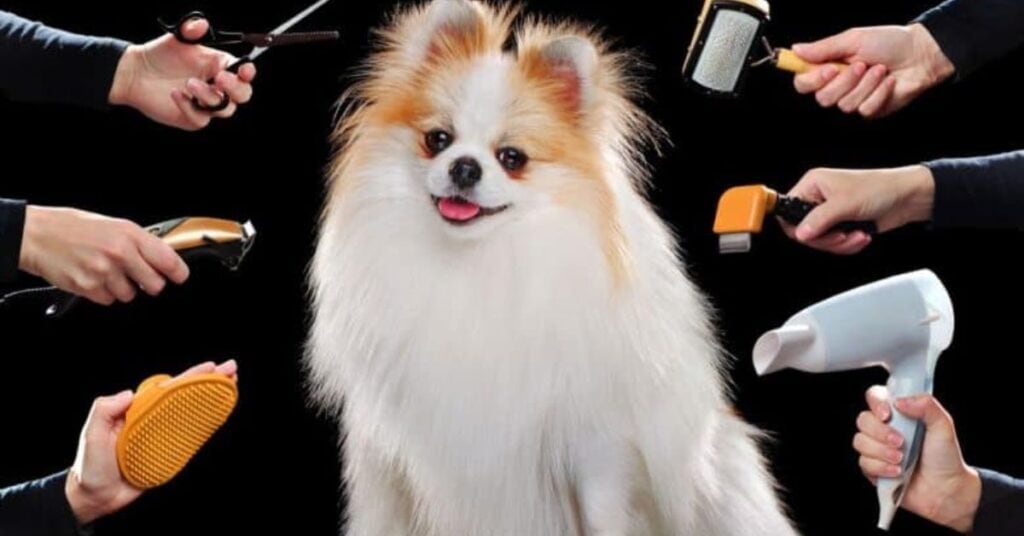
A Lavender Pomeranian needs regular grooming because its thick double coat can collect loose hair, dirt, and tangles.
Its lavender color does not require a special shampoo or color-enhancing treatment. Instead, focus on skin health, coat cleanliness, and gentle brushing.
The outer coat contains longer guard hairs, while the undercoat feels soft and dense. Both layers need attention.
Regular grooming also gives you an opportunity to check for skin irritation, unusual hair loss, and parasites.
The Right Grooming Tools
You do not need an expensive grooming collection to care for your Lavender Pomeranian.
Start with a small selection of suitable tools:
- Pin brush for general coat maintenance.
- Soft slicker brush for removing loose hair.
- Stainless-steel comb for checking tangles.
- Dog-safe shampoo for bathing.
- Absorbent towels for drying.
- Dog nail clippers or a professional nail service.
- Dog toothbrush and veterinary-approved toothpaste.
Use tools gently. Excessive pressure can irritate delicate skin.
How Often Should You Brush a Lavender Pomeranian?
Brush your dog’s coat several times each week. Pay extra attention to areas where friction can create tangles.
These areas include:
- Behind the ears.
- Under the front legs.
- Around the collar.
- Behind the thighs.
- Under the tail.
- Around the chest.
Work in small sections instead of pulling a brush through the entire coat.
If you find a tight mat, avoid cutting close to the skin with household scissors. A professional groomer can remove difficult mats more safely.
Bathing and Drying
Most healthy Pomeranians do not need frequent bathing. The correct schedule depends on their lifestyle, coat condition, and veterinary advice.
Use lukewarm water and a gentle dog shampoo. Avoid human shampoo because dogs have different skin requirements.
Rinse thoroughly to remove shampoo residue.
Dry the coat carefully. Leaving a thick undercoat damp for long periods can contribute to skin irritation and an unpleasant smell.
Use a pet-safe dryer on a comfortable setting if your dog tolerates it. Never direct excessive heat toward the skin.
Important Coat-Trimming Advice
Pomeranians have a distinctive double coat. Avoid shaving the entire body simply to make grooming easier.
The breed standard describes a dense undercoat and longer outer guard hairs. The American Kennel Club also advises regular brushing and professional grooming when needed.
A neat outline trim is different from shaving the coat down to the skin.
Excessive trimming can affect coat texture and appearance. Some Pomeranians also develop significant coat-loss problems that require veterinary attention.
Lavender Pomeranian Grooming Schedule
Original Care Framework: The LAVENDER Routine
A practical grooming and maintenance schedule for busy owners.
L
Look over the coat daily
Check for dirt, tangles, skin redness, and unusual shedding.
A
Apply gentle brushing several times weekly
Work through the coat in small sections.
V
Verify skin and coat condition weekly
Look for flakes, bald patches, sores, or discomfort.
E
Examine ears, eyes, and paws
Remove visible dirt gently and check for irritation.
N
Nail and dental maintenance
Trim nails when needed and maintain a regular toothbrushing routine.
D
Dry thoroughly after bathing
Prevent a damp undercoat and check the skin.
E
Evaluate grooming progress monthly
Arrange professional grooming when necessary.
R
Review changes with your veterinarian
Discuss persistent itching, hair loss, or skin problems.
Health Problems and Veterinary Care
A Lavender Pomeranian can enjoy a healthy life with appropriate care, but its unusual coat color deserves careful attention.
Some dilute coat colors in dogs have an association with Color Dilution Alopecia (CDA). This condition can affect hair follicles and cause thinning hair, dry skin, or patchy hair loss.
However, not every dog with diluted pigmentation develops CDA. You should not assume that your Lavender Pomeranian has a health problem simply because of its color.
For reliable information about routine veterinary care, preventive health, and responsible pet ownership, see the American Veterinary Medical Association (AVMA) pet owner resources.
Understanding Color Dilution Alopecia
Color Dilution Alopecia is a hair and skin condition that can occur in dogs with certain diluted coat colors.
Affected dogs may develop:
- Gradual hair thinning.
- Broken or fragile hair.
- Dry or flaky skin.
- Patchy areas of hair loss.
- Repeated skin irritation.
- Secondary skin infections in some cases.
Signs may appear as a dog matures, although the timing varies.
If you notice unusual hair loss, contact your veterinarian. Several conditions can cause similar symptoms, including hormonal problems, allergies, parasites, and other skin diseases.
A veterinarian may recommend a physical examination, skin testing, blood tests, or other diagnostic steps depending on your dog’s symptoms.
Do not use human skin creams or medicated shampoos without veterinary guidance.
Other Common Pomeranian Health Concerns
Lavender Pomeranians can experience the same breed-related health concerns as other Pomeranians.
Patellar luxation: This condition occurs when the kneecap moves out of its normal position. Some dogs skip while walking or suddenly lift a rear leg.
Tracheal collapse: The windpipe becomes weakened, which may cause a persistent dry cough or breathing difficulty.
Dental disease: Small dogs can develop crowded teeth and plaque buildup. Regular dental care helps reduce the risk.
Eye problems: Some Pomeranians develop eye irritation or other eye conditions that require professional examination.
Alopecia X: This condition can cause progressive hair loss and changes in skin pigmentation. A veterinarian must distinguish it from other causes of coat loss.
The American Kennel Club recommends discussing breed-related health screening with responsible breeders, including patella, cardiac, and eye evaluations.
Original Health Monitoring Scale
Use this simple checklist to monitor your dog’s condition at home.
The LAVENDER Health Watch
Monitoring progress
0/8 checked
Coat looks full without unexplained bald patches
Skin has no persistent redness or flaking
Dog walks normally without repeated leg lifting
Breathing is comfortable during rest
Appetite and water intake remain normal
Teeth and gums receive regular attention
Eyes remain clear without unusual discharge
Energy and behavior remain close to normal
This is a home observation tool, not a diagnostic test. Contact a veterinarian if you notice concerning changes.
When Should You Contact a Veterinarian?
Arrange a veterinary appointment if your dog develops persistent itching, unexplained hair loss, repeated coughing, difficulty walking, or changes in eating habits.
Seek urgent veterinary help for breathing distress, collapse, severe weakness, or other sudden serious symptoms.
For additional information about responsible pet ownership and veterinary care, consult the
American Veterinary Medical Association’s pet owner resources
Diet, Nutrition, Exercise, and Training
A Lavender Pomeranian needs balanced nutrition, regular physical activity, and positive training.
Its coat color does not create special nutritional requirements. You should choose food according to your dog’s age, weight, activity level, and health condition.
A healthy diet supports normal skin function, coat condition, muscle development, and energy levels.
Feeding Your Lavender Pomeranian
Choose a complete and balanced commercial dog food appropriate for your dog’s life stage.
Puppies need food designed for growth, while adult dogs need an appropriate maintenance diet.
Because Pomeranians are small, portion control matters. Even a small amount of extra food can contribute to unwanted weight gain.
Useful feeding practices include:
- Measure meals rather than guessing portions.
- Follow feeding guidance on the food packaging.
- Adjust portions according to body condition.
- Provide fresh drinking water throughout the day.
- Limit high-calorie treats.
- Introduce dietary changes gradually.
Do not add supplements simply to improve coat color. Excessive nutrients can create health problems, and most healthy dogs do not need extra supplements when they eat a complete diet.
For further nutritional guidance, consult the
FDA’s pet food information and safety guidance.
Lavender Pomeranian Feeding and Activity Chart
| Life Stage | Feeding Approach | Activity | Important Care |
| Young puppy | Small, regular meals | Short supervised play | Monitor growth |
| Older puppy | Balanced puppy food | Gentle walks and games | Begin training |
| Adult | Measured maintenance diet | Daily walks and play | Maintain healthy weight |
| Senior | Diet suited to health needs | Gentle daily movement | Regular veterinary checks |
The exact feeding amount depends on calorie needs, body condition, food type, and veterinary advice. Puppies, especially very small ones, may need more frequent meals to reduce the risk of low blood sugar.
Exercise Requirements
Pomeranians are energetic despite their small size.
A daily routine may include short walks, indoor play, training games, and supervised exploration.
Avoid strenuous exercise during hot weather. Small dogs can overheat, especially when they have thick coats.
Use a secure harness that fits properly instead of attaching a leash directly to the neck. This is particularly important for dogs with a history of respiratory problems.
Training and Socialization
Lavender Pomeranians benefit from consistent, reward-based training.
Begin with simple commands such as:
- Sit.
- Stay.
- Come.
- Leave it.
- Drop it.
Use small treats and praise to reward good behavior.
Avoid shouting or punishment. These methods can increase fear and make learning difficult.
Early socialization helps puppies become comfortable around different people, sounds, surfaces, and environments.
You should also teach your Pomeranian to remain calm when visitors arrive. Reward quiet behavior instead of giving attention only when barking occurs.
Preventing Common Owner Mistakes
Some owners focus heavily on appearance and forget the dog’s daily needs.
Avoid these mistakes:
- Feeding too many treats.
- Skipping dental care.
- Allowing uncontrolled jumping from furniture.
- Ignoring persistent barking.
- Using unsuitable grooming products.
- Shaving the double coat without veterinary or professional guidance.
- Buying puppies without health records.
- Treating unusual coat color as proof of superior quality.
Buying Guide and Responsible Breeding
Finding a healthy Lavender Pomeranian puppy requires careful research.
Because lavender is an unusual color, some sellers may use attractive photographs and high prices to create a sense of urgency.
You should never make a purchase simply because a breeder claims to have a rare puppy available.
A responsible breeder should welcome questions and provide clear information about the puppy’s health, parents, and living conditions.
What to Check Before Buying
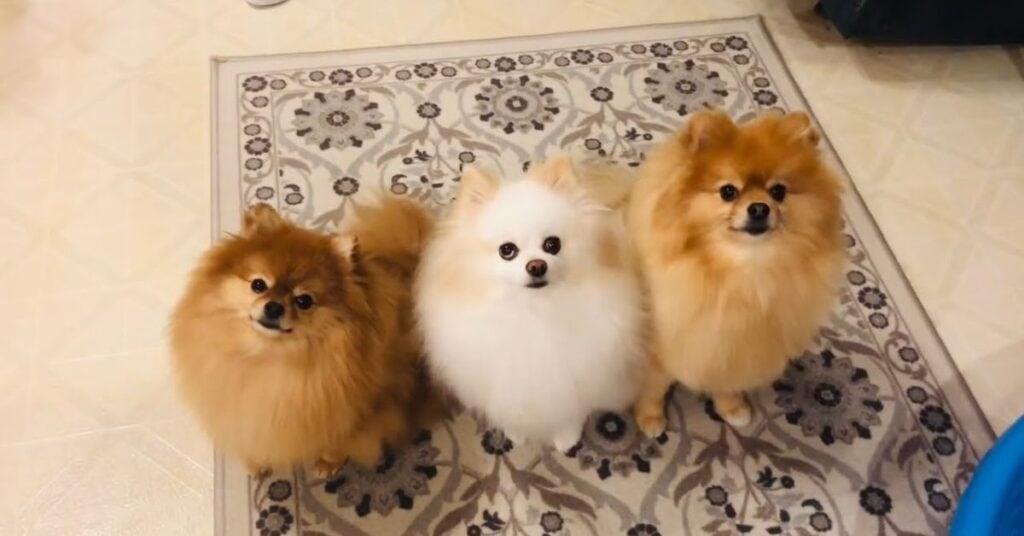
Start by asking to meet the puppy in person or arrange a live video call.
Observe how the puppy interacts with people and its surroundings. A healthy puppy should appear alert, comfortable, and appropriately active for its age.
Ask for:
- Veterinary examination records.
- Vaccination and deworming history.
- Parent health information.
- Details about the puppy’s age.
- Feeding instructions.
- Information about previous litters.
- Written purchase and health agreements.
- Genetic testing information, where available.
Do not accept a color certificate as a substitute for veterinary records.
Questions to Ask a Lavender Pomeranian Breeder
A trustworthy breeder should explain the puppy’s background without making unrealistic claims.
Ask whether the parents have a history of skin conditions or unusual hair loss.
Find out whether the breeder has considered the genetic implications of the mating. Request documentation when genetic testing is available.
You should also ask how the breeder raises puppies, introduces household sounds, and prepares them for new homes.
A responsible breeder will usually ask you questions too. They want to understand whether your household can meet the puppy’s needs.
Warning Signs to Avoid
Be careful when a seller:
- Refuses to show the puppy’s living environment.
- Demands immediate payment.
- Offers unusually cheap puppies without explanations.
- Guarantees exact adult coat color.
- Cannot provide basic health records.
- Uses edited photographs only.
- Avoids questions about the parents.
- Advertises puppies as having no possible health risks.
Never send money to an unknown seller without verifying their identity and the puppy’s existence.
Understanding Lavender Pomeranian Prices
The price of a Lavender Pomeranian varies by country, breeder, pedigree, health screening, and availability.
Some sellers charge more for unusual colors because of demand. However, there is no universal or officially fixed lavender price.
A higher purchase price does not guarantee better health.
If you are comparing puppy costs, read our Pomeranian dog price guide. It explains the factors that influence purchasing costs and why buyers should examine more than coat color.
Also review our Blue Merle Pomeranian guide to understand how different color variations can involve different genetic considerations.
Is a Lavender Pomeranian Right for You?
This dog may suit someone who:
- Enjoys regular grooming.
- Can provide daily attention.
- Understands the needs of small dogs.
- Can afford preventive veterinary care.
- Uses positive training methods.
- Wants a companion rather than a decorative pet.
It may not suit someone who spends long hours away from home without arranging appropriate care.
Remember that owning a Pomeranian involves a long-term commitment. Its unusual color should be only one small part of your decision.
FAQs
What Is a Lavender Pomeranian?
A Lavender Pomeranian is a Pomeranian with a diluted brown coat that appears lilac, pinkish-gray, or silvery-brown. Its color comes from inherited pigmentation traits. It is not a Are Lavender Pomeranians Rare?
Yes, Lavender Pomeranians are uncommon compared with traditional orange, cream, and black Pomeranians. Their unusual appearance comes from specific inherited color combinations. However, rarity does not indicate better health, temperament, or breeding quality.
How Much Does a Lavender Pomeranian Cost?
The price varies by country, breeder, pedigree, health testing, and availability. Some breeders charge more for unusual colors. Always compare health records, breeding practices, and puppy care rather than choosing a dog based on color or price alone.
Do Lavender Pomeranians Have Health Problems?
They can experience common Pomeranian health concerns, including dental disease, patellar luxation, and tracheal problems. Some dilute-colored dogs may also develop Color Dilution Alopecia. However, not every Lavender Pomeranian develops this condition. Regular veterinary examinations help identify problems early.
How Do You Maintain a Lavender Pomeranian’s Coat?
Brush your Lavender Pomeranian several times weekly using suitable grooming tools. Keep its coat clean, dry it properly after bathing, and check for tangles behind the ears and legs. Avoid shaving the double coat unnecessarily and contact a veterinarian about unusual hair loss.
Conclusion
The Lavender Pomeranian is a beautiful and uncommon color variation that attracts attention with its soft lilac, grayish-brown, and pinkish tones. Its unusual appearance comes from inherited pigmentation traits, but its personality, size, and daily needs remain similar to those of other Pomeranians.
Before choosing a Lavender Pomeranian, understand its genetics, grooming requirements, nutrition, and possible health concerns. Pay particular attention to skin condition and unexplained hair loss because some diluted coat colors can be associated with Color Dilution Alopecia.
Regular brushing, balanced nutrition, dental care, positive training, and preventive veterinary examinations help support a healthy and comfortable life.
If you plan to purchase a lavender puppy, research the breeder carefully. Ask for health records, parent information, and genetic documentation when available. Never assume that an expensive or rare-colored puppy automatically comes from responsible breeding.
Most importantly, remember that a dog’s value does not come from its coat color. Health, temperament, responsible breeding, and loving care matter much more.
With patience and the right daily routine, your Lavender Pomeranian can become a wonderful companion for many years. Give your dog the attention it deserves, protect its health, and enjoy the special bond that makes Pomeranians such loved family pets.
Tags
Lavender Pomeranian, Lavender Pomeranian Puppy, Rare Pomeranian Colors, Pomeranian Genetics, Lilac Pomeranian, Pomeranian Grooming, Pomeranian Health, Pomeranian Care, Chocolate Pomeranian, Pomeranian Coat Colors.