

Quick Answer
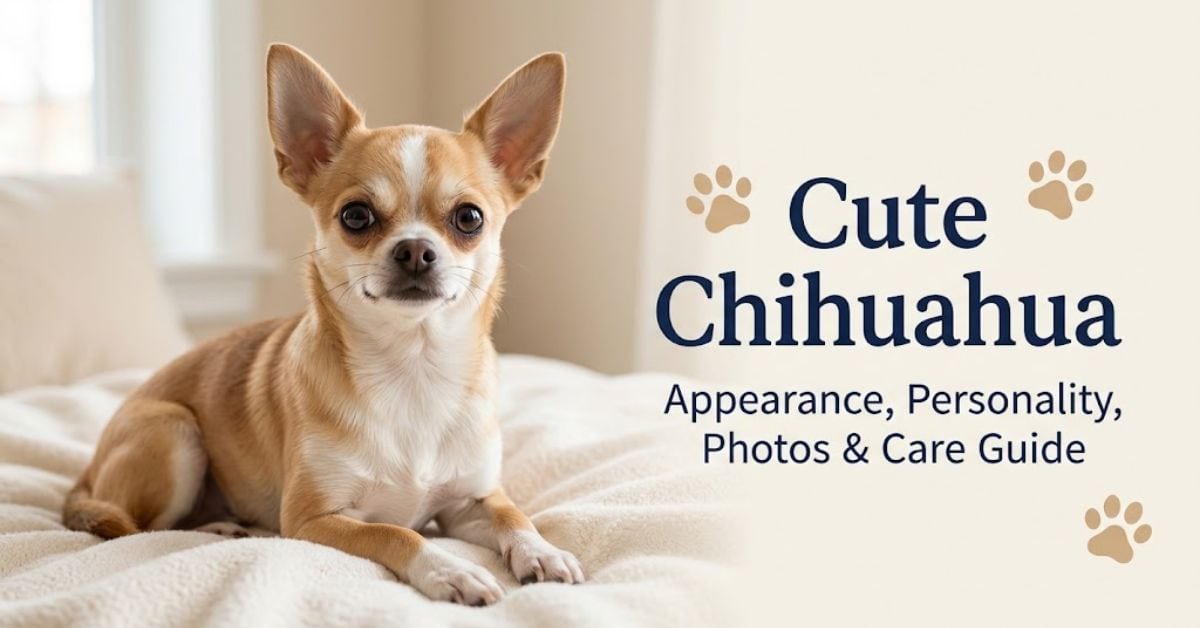
A cute Chihuahua is a tiny companion dog known for its expressive eyes, upright ears, compact body, and lively personality.
Chihuahuas come in smooth and long coats and many colors. They can be affectionate, playful, and loyal, but they still need daily exercise, positive training, dental care, nutritious food, and gentle handling.
Introduction
A cute Chihuahua can win your heart with one little head tilt, a curious look, or a happy tail wag. These tiny dogs have expressive faces and lively personalities that make them popular with people who love small companion breeds. Their small bodies, bright eyes, and alert ears also make them especially photogenic.
However, a cute Chihuahua is much more than an adorable face. Behind those big eyes is an intelligent dog that needs companionship, exercise, training, proper nutrition, and regular veterinary care. Its small size also means that accidental falls, rough handling, extreme temperatures, and interactions with larger dogs require special attention.
Some Chihuahuas have smooth, short coats, while others have long, flowing hair around their ears, legs, neck, and tail. Their colors and markings vary widely, giving every dog a distinctive appearance.
This guide explores what makes Chihuahuas so adorable, how to recognize different coat types, which colors you may encounter, and how to care for a puppy or adult dog. You will also learn how to take better Chihuahua pictures, recognize signs of stress, choose a healthy puppy responsibly, and avoid common mistakes that can affect a tiny dog’s well-being.
Whether you already share your home with a Chihuahua or are thinking about adopting one, the goal is simple: help you appreciate your dog’s charm while giving it the care it deserves.
What Makes a Cute Chihuahua So Adorable?
The cute Chihuahua combines distinctive physical features with an expressive personality. Its large, alert ears, bright eyes, compact body, and quick reactions can make even ordinary moments look entertaining.
Many Chihuahuas have a rounded, apple-shaped head, which is a familiar feature of the breed. Their ears usually stand upright when they pay attention, while their eyes can seem especially expressive when they look toward a favorite person. These features help create the alert, curious appearance that Chihuahua lovers recognize.
Their size also adds to their appeal. The American Kennel Club describes the Chihuahua as a tiny dog with a big personality. The breed standard emphasizes a balanced, compact body and confident expression rather than extreme smallness.
Personality plays an equally important role. A Chihuahua may follow its owner from room to room, investigate a new toy, curl up in a warm blanket, or bark when someone approaches the door. These everyday behaviors often make owners smile.
Still, people should not confuse cuteness with a need for constant attention. Some Chihuahuas love being held, while others prefer sitting beside their owners. Respecting each dog’s preferences helps build trust.
A Chihuahua’s expression also changes with its emotions. Relaxed eyes, a loose body, and natural movements may suggest comfort. By contrast, a stiff body, tucked tail, repeated lip licking, or attempts to move away may indicate discomfort or stress.
The most adorable moments often happen when a dog feels safe enough to play, explore, rest, or interact naturally. You do not need to dress your Chihuahua in elaborate outfits or pose it constantly to appreciate its charm.
The key takeaway: A Chihuahua looks especially cute when it feels comfortable, healthy, and confident. Good care matters more than any particular coat color, head shape, or accessory.
Cute Chihuahua Appearance, Coat Types, and Colors
Chihuahuas have two recognized coat varieties: smooth coat and long coat. Both belong to the same breed, but their fur creates different looks and grooming needs.
A smooth-coat Chihuahua has short, close-fitting hair. Its coat may look sleek and glossy, making the dog’s facial features and body outline easy to see. This variety generally needs less brushing, although regular grooming still helps remove loose hair and allows you to inspect the skin.
A long-coat Chihuahua has softer, longer hair that may lie flat or appear slightly wavy. Longer hair can form a neck ruff, feathering around the ears and legs, and a fuller tail. Regular brushing helps prevent tangles, especially where the fur rubs against a collar or harness.
Chihuahuas also appear in many colors and combinations. Common examples include:
- Cream: A light, soft-looking coat.
- Fawn: A warm tan shade often associated with the breed.
- Black: A dark coat that may appear solid or have markings.
- White: A pale coat that can make facial features stand out.
- Chocolate: A rich brown shade.
- Red: A warm reddish coat.
- Black and tan: A dark base with tan markings.
- Mixed colors: Combinations of white, cream, brown, black, and other shades.
Color alone does not tell you whether a Chihuahua is healthy, friendly, or easy to train. A well-cared-for dog of any coat color can make a wonderful companion.
Some people also use terms such as “apple-head Chihuahua” and “deer-head Chihuahua.” These labels describe differences in head shape, but they do not create separate breeds.
The word “teacup” is another popular term for exceptionally small Chihuahuas. It is not a separate official breed variety. Buyers should be cautious when sellers use extreme smallness as a selling point because very small puppies may face additional health risks.
If you want to understand the breed’s physical features in greater detail, read our Chihuahua characteristics guide.
Remember: Choose a Chihuahua for its health, temperament, and compatibility with your household, not just its appearance.
Cute Chihuahua Puppies: What to Expect as They Grow
A cute Chihuahua puppy can be energetic, curious, affectionate, and surprisingly determined. Puppies often explore their surroundings by sniffing, chewing, chasing toys, and investigating unfamiliar sounds.
Their early months are an important period for learning. Gentle handling, safe social experiences, a consistent routine, and reward-based training can help a puppy develop confidence.
Avoid overwhelming a young Chihuahua with too many new experiences at once. Introduce household sounds, visitors, surfaces, and suitable dogs gradually. Reward calm behavior, and let the puppy retreat when it needs rest.
Because Chihuahuas are small, puppy-proofing is especially important. Block access to steep stairs where needed, secure electrical cords, remove small objects that could be swallowed, and prevent access to toxic foods or medicines.
A Chihuahua puppy should receive food formulated for puppies, with feeding amounts based on its age, weight, growth, and the food’s instructions. Very young or exceptionally small puppies may be vulnerable to low blood sugar, especially if they miss meals or become unwell. Follow your veterinarian’s feeding guidance and seek urgent veterinary advice if a puppy becomes weak, shaky, unusually sleepy, or uncoordinated.
Puppies also need veterinary care for vaccinations, parasite prevention, dental development, and growth monitoring. Your veterinarian can recommend an appropriate schedule based on your dog’s age and health.
Do not encourage children to carry a Chihuahua puppy without adult supervision. A short fall or an accidental squeeze can cause serious injury.
How to choose a healthy Chihuahua puppy
When choosing a puppy, look beyond the cutest face in the litter. Consider these practical points:
- Observe whether the puppy moves comfortably and responds to its surroundings.
- Look for clean eyes, a clean nose, and a coat without obvious bald patches or heavy irritation.
- Ask for veterinary records, vaccination details, and information about the puppy’s parents.
- Ask the breeder about health screening and the puppy’s early socialization.
- Meet the puppy in a safe environment and observe how it responds to gentle interaction.
- Avoid sellers who pressure you to pay quickly or refuse reasonable health questions.
- Consider adoption from a reputable rescue or shelter.
No appearance check can guarantee good health. A veterinary examination is important before or soon after bringing a puppy home.
A responsible breeder or adoption organization should care about the puppy’s welfare and future home, not simply its color or tiny size.
Cute Chihuahua Personality and Everyday Behavior
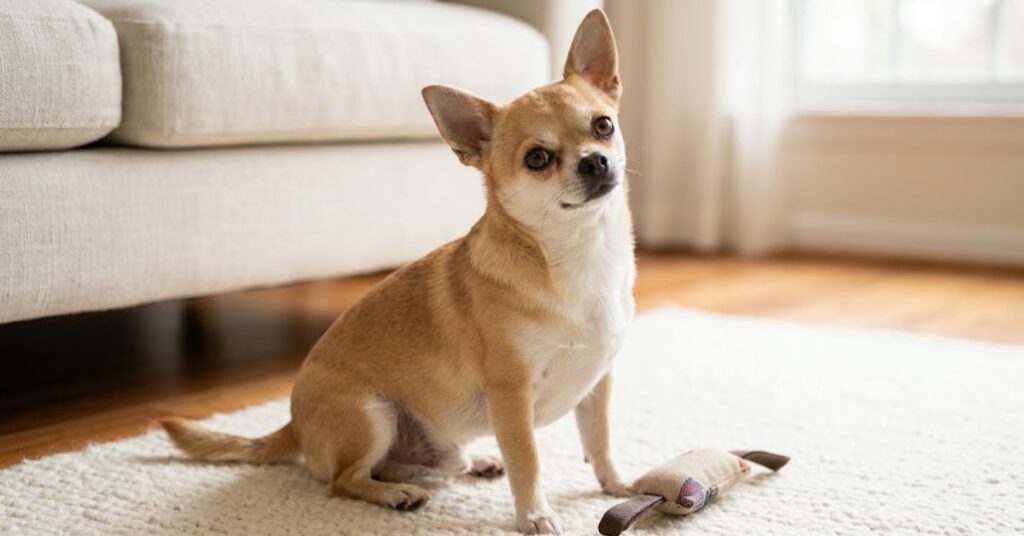
Chihuahuas may be tiny, but many have bold, alert personalities. They often develop close bonds with their families and enjoy being near people they trust.
Some love curling up on a lap, while others prefer following their owners around the house. Many enjoy short games, sniffing activities, and learning small tricks. Their intelligence can make training rewarding when lessons stay positive and consistent.
However, Chihuahuas are individuals. One may welcome visitors after a brief introduction, while another may need time and space to feel comfortable. Early socialization can help, but owners should never force interactions with people or animals.
Barking is another behavior that deserves attention. A Chihuahua may bark at unfamiliar sounds, visitors, other dogs, or movement outside a window. Instead of shouting, identify the trigger and reward calm responses. Teach a simple cue such as “quiet” gradually, and provide enough exercise and mental stimulation.
If barking becomes sudden, intense, or unusual, consider whether fear, pain, or another problem may be involved.
Chihuahuas also need opportunities to make choices. Let your dog approach a friendly person at its own pace, take breaks during play, and rest in a quiet space. These choices can reduce stress and help build trust.
Children should learn to sit calmly near a Chihuahua, avoid grabbing its ears or tail, and never disturb it while eating or sleeping. Adult supervision remains essential.
Interactions with larger dogs need care, too. Even a confident Chihuahua can be injured during rough play. Choose calm, appropriate playmates and intervene when play becomes unsafe.
Owners sometimes reinforce unwanted behavior because they find it amusing. Laughing at repeated barking or allowing nipping during play can make those habits harder to change later.
Reward the behavior you want to see. Praise calm greetings, encourage gentle play, and teach your Chihuahua that people and everyday sounds do not always require a reaction.
If you enjoy learning why these little dogs can be so vocal, our guide to Chihuahua barking noises explains common sounds and their possible meanings.
How to Care for a Cute Chihuahua Every Day
Daily care helps a Chihuahua stay comfortable and supports its long-term health. The routine does not need to be complicated, but consistency matters.
Grooming: Brush a smooth-coated Chihuahua regularly to remove loose hair and inspect its skin. Brush a long-coated dog more frequently, paying attention to the ears, legs, tail, and areas where tangles form. Bathe your dog when needed with a dog-safe shampoo, and dry it thoroughly.
Dental care: Small dogs can develop dental problems, so oral hygiene deserves special attention. Brush your Chihuahua’s teeth with dog toothpaste and a suitable toothbrush, ideally daily if it tolerates the routine. Arrange veterinary dental checks and follow professional advice about cleaning.
Nail care: Check nails regularly and trim them when necessary. Overgrown nails can affect comfort and movement. Ask a veterinarian or groomer to demonstrate safe trimming if you are unsure.
Exercise: Provide short walks, supervised indoor games, and sniffing opportunities. Adjust activity for age, fitness, and health. Avoid overexertion in hot weather and protect your dog from cold conditions.
Nutrition: Choose a complete and balanced dog food suitable for your Chihuahua’s life stage. Measure portions and monitor body condition rather than relying only on the amount printed on a package. Treats should remain a small part of daily calories.
Warmth and safety: Chihuahuas may become cold more easily than larger dogs. Offer a warm resting area and use a properly fitted dog coat when appropriate. Never leave a dog in a hot vehicle or expose it to extreme temperatures.
Veterinary care: Keep vaccinations, parasite prevention, wellness checks, and dental care up to date. Ask your veterinarian about breed-related concerns, including kneecap problems, heart disease, and eye conditions.
Weekly Cute Chihuahua Care Checklist
Use this simple schedule as a starting point and adjust it to your dog’s needs.
- Brush the coat and check for tangles or skin changes.
- Inspect the ears and eyes for unusual discharge or irritation.
- Brush the teeth daily where possible.
- Check nails and paw pads.
- Review appetite, water intake, energy, and toilet habits.
- Provide daily walks, play, and short training sessions.
- Wash bedding and clean food and water bowls.
- Check the fit of collars, harnesses, and clothing.
- Contact a veterinarian about persistent or concerning changes.
A checklist helps you notice small changes before they become bigger problems. It does not replace professional veterinary care.
Cute Chihuahua Care Chart: Grooming, Feeding, and Activity
Every Chihuahua needs an individual care plan. Age, coat type, body condition, medical history, and activity level can all change the routine.
| Care task | Suggested routine | Helpful tip |
| Coat brushing | Weekly or more often as needed | Long coats need extra attention around feathering |
| Tooth brushing | Ideally daily | Use dog toothpaste, never human toothpaste |
| Nail inspection | Weekly | Trim when needed or ask a professional |
| Ear and eye checks | Several times weekly | Seek advice about redness, pain, or unusual discharge |
| Walks and play | Daily, adjusted to fitness | Use a secure harness and supervise outdoor activity |
| Feeding | Measured meals on a consistent schedule | Follow veterinary advice, especially for puppies |
| Fresh water | Available throughout the day | Clean bowls regularly |
| Veterinary checkups | According to age and health | Keep preventive care up to date |
This chart is a general guide, not a fixed medical prescription. Your veterinarian can recommend a more suitable routine for puppies, seniors, or dogs with health conditions.
Foods and habits to avoid
- Do not feed chocolate, grapes, raisins, onions, garlic, or products containing xylitol.
- Avoid cooked bones and foods that can cause choking.
- Do not give human medication unless a veterinarian specifically directs you to do so.
- Never use harsh chemicals or human hair products on your dog’s coat.
- Avoid rough play, unsupervised high jumps, and forced interactions.
- Do not skip meals for a very small puppy without veterinary guidance.
For reliable guidance on canine nutrition and food safety, consult the American Kennel Club’s Chihuahua breed information and discuss your dog’s individual needs with your veterinarian.
Cute Chihuahua Photos: How to Capture Their Best Moments
Cute Chihuahua pictures often work best when they show the dog’s natural personality. A curious head tilt, a relaxed nap, a playful moment, or a gentle interaction with its owner can create a more meaningful photograph than a forced pose.
Start by choosing a comfortable location with good natural light. A bright room near a window can work well. Avoid harsh sunlight that causes squinting or makes your dog uncomfortable.
Get down to your Chihuahua’s eye level. This perspective helps show the dog’s expression and makes the photo feel more personal. Keep your camera steady and take several pictures while your dog behaves naturally.
Treats or a familiar toy can help attract attention, but use them gently. Keep sessions short, offer breaks, and stop if your Chihuahua looks worried or tries to leave.
A few simple photo ideas include:
- Close-up portraits: Focus on the eyes and ears while keeping the dog relaxed.
- Playful pictures: Photograph a favorite toy or a gentle game.
- Cozy moments: Capture your Chihuahua resting on a comfortable blanket.
- Outdoor photos: Choose a safe, quiet place and use a secure harness or lead.
- Seasonal portraits: Use simple backgrounds without forcing the dog into uncomfortable clothing.
- Puppy pictures: Photograph natural exploration, naps, and interactions with familiar people.
Always prioritize safety over the perfect shot. Never place a Chihuahua on a high table, wall, or ledge without proper protection. Do not use props that could be swallowed, and avoid hot surfaces or cold weather that may cause discomfort.
If your dog turns away, pants excessively, trembles, or repeatedly tries to escape, end the session and give it space.
Cute Chihuahua photos are most appealing when they capture a real moment of comfort, curiosity, or connection. You can also explore our Chihuahua meme guide for ideas about the expressive faces and funny moments that Chihuahua owners enjoy sharing.
Cute Chihuahua Health, Safety, and Responsible Ownership
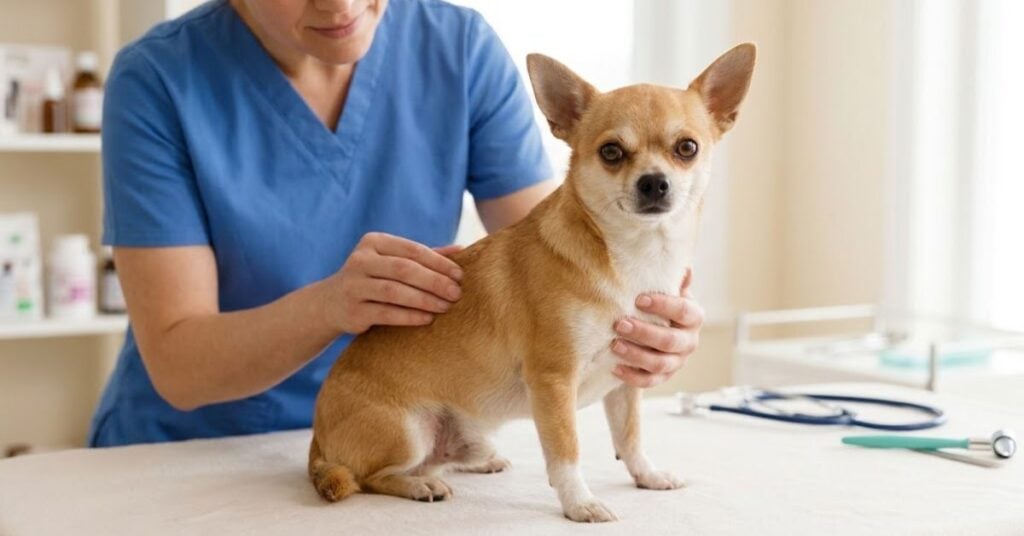
A Chihuahua’s small body makes careful handling especially important. A dog may look confident and sturdy while still being vulnerable to injuries caused by falls, rough play, or accidental pressure.
Common health concerns in the breed can include dental disease, kneecap problems known as patellar luxation, certain heart conditions, and eye problems. Not every Chihuahua develops these conditions, but regular veterinary care helps owners monitor risk and identify changes early.
Watch for changes in appetite, drinking, energy, breathing, movement, or behavior. A Chihuahua that suddenly avoids jumping, limps, cries when touched, or refuses food may need veterinary assessment.
Seek urgent veterinary help for breathing difficulty, collapse, seizures, severe weakness, repeated vomiting, or suspected poisoning. Very young or tiny puppies that become shaky, weak, or disoriented also need prompt attention.
Preventive care matters. Keep vaccinations and parasite prevention current, arrange routine examinations, and ask about dental care. If you are choosing a puppy, ask about health screening in the parents and request available veterinary records.
Responsible ownership also means considering the dog’s emotional needs. Chihuahuas often enjoy companionship, but they still need opportunities to rest alone in a safe place. Gradual training can help them learn to spend short periods apart from their owners without distress.
Use a well-fitted harness for walks, maintain secure doors and fences, and supervise interactions with unfamiliar dogs. When traveling, use a suitable pet carrier or correctly fitted restraint.
Never choose a puppy only because a seller advertises an unusually tiny size. Extremely small dogs may require extra care, and size alone is not a reliable sign of quality or health.
A healthy Chihuahua is more than a pretty face. Good ownership means protecting the dog’s body, supporting its behavior, and seeking professional help when something seems wrong.
Conclusion
A cute Chihuahua can bring affection, fun, and companionship into the right home. Its expressive eyes, alert ears, tiny frame, and lively personality make it easy to understand why so many people love this breed. Smooth-coated and long-coated Chihuahuas also offer different looks, while their many colors and markings make every dog distinctive.
Still, the best part of owning a Chihuahua is not simply having an adorable pet. It is building a relationship based on trust, safety, and consistent care.
Provide balanced food, fresh water, gentle exercise, regular grooming, daily dental care, and positive training. Protect your dog from falls, rough handling, extreme temperatures, and unsafe interactions with larger animals. Routine veterinary visits can help you manage breed-related risks and keep your companion comfortable.
If you are planning to adopt or buy a Chihuahua, look for health, temperament, and responsible care rather than the smallest body or rarest color. Give a puppy time to learn, respect your adult dog’s preferences, and make room for rest as well as play.
Every Chihuahua has its own personality. When you recognize that individuality and meet its needs, you can enjoy the dog’s adorable moments while helping it live a happier, healthier life.
Frequently Asked Questions
1. Why are Chihuahuas so cute?
Chihuahuas have expressive eyes, large upright ears, compact bodies, and alert facial expressions. Their playful behavior and close bonds with trusted people also make them appealing companions.
2. What is the cutest Chihuahua color?
There is no single cutest color. Chihuahuas can be fawn, cream, black, white, chocolate, red, or a combination of shades. Choose a healthy, well-cared-for dog rather than focusing only on color.
3. Are cute Chihuahua puppies easy to care for?
Chihuahua puppies need consistent feeding, safe handling, socialization, positive training, and veterinary care. Their tiny bodies require extra protection from falls, rough play, and missed meals.
4. Do Chihuahuas make good family pets?
They can make loving family companions when people handle them gently. Adults should supervise children closely and teach them not to grab, chase, or disturb the dog.
5. How do I keep my Chihuahua looking cute and healthy?
Brush the coat, maintain dental hygiene, trim nails when needed, provide balanced food and daily activity, and schedule veterinary checkups. Comfort and health should always come before appearance
Social Media Caption
Small paws, big personality! 🐶❤️ Discover what makes the cute Chihuahua so special, from adorable looks and coat colors to grooming, training, and everyday care.
#CuteChihuahua #ChihuahuaPuppy #ChihuahuaLove #DogCare #ChihuahuaNest