
Quick Answer
The Italian Greyhound Chihuahua Mix is a cross between an Italian Greyhound and a Chihuahua. This small, active companion may inherit the Italian Greyhound’s slim build and running instincts alongside the Chihuahua’s alert, confident personality. Its adult size, coat, temperament, and health needs depend on genetics, early socialization, and daily care.
Author Box
Author: Gulnaz Malik Role: Publisher & Pet Care Expert Experience: 5+ years in dog care and grooming Content approach: Practical care guidance informed by trusted canine health resources. Veterinary review should be claimed only after a qualified veterinarian has reviewed the article.
Introduction
The Italian Greyhound Chihuahua Mix combines two small companion dogs with very different physical features and overlapping personality traits. Some puppies develop the slender legs and graceful body of an Italian Greyhound. Others look more like a Chihuahua, with a compact frame, large ears, and an expressive face.
This mix may appeal to people who want a small dog that enjoys cuddling but also likes to move, explore, and play.
However, a small body does not always mean low energy or easy care. The Italian Greyhound brings strong chasing instincts and delicate limbs, while the Chihuahua can contribute alertness, confidence, and a tendency to bark.
Because this is a mixed-breed dog rather than a standardized purebred, no breeder can reliably promise an exact adult size, appearance, or personality. Even puppies from the same litter can develop different traits.
This guide explains what owners should know about the Italian Greyhound Chihuahua Mix, including its possible appearance, temperament, exercise needs, grooming routine, feeding requirements, training, health concerns, and puppy selection. It also covers practical ways to keep this small dog safe at home.
The goal is simple: help you decide whether this mix suits your lifestyle and understand how to provide responsible, lifelong care.
What Is an Italian Greyhound Chihuahua Mix?
The Italian Greyhound Chihuahua Mix is a hybrid dog created by crossing an Italian Greyhound with a Chihuahua. People may also describe it as an Italian Greyhound Chi Mix or Chihuahua Italian Greyhound Mix. These names refer to the same general cross, although there is no universally accepted official name for it.
The two parent breeds share some traits, including affection for their families and a relatively small body. However, their body shapes, instincts, and behavior can differ considerably.
The Italian Greyhound belongs to the sighthound family. Sighthounds were developed to spot and chase moving animals. Despite its delicate appearance, the Italian Greyhound can be fast, athletic, playful, and surprisingly energetic. The American Kennel Club describes it as an affectionate, alert, playful companion with a strong instinct to pursue moving prey. Read the AKC Italian Greyhound breed guide.
The Chihuahua, on the other hand, is a toy breed known for its alert expression, confident personality, and strong attachment to its family. Some Chihuahuas are outgoing, while others remain cautious around unfamiliar people and dogs.
When these breeds are crossed, a puppy may inherit any combination of these characteristics. One dog may be quiet and cuddly indoors but very fast outside. Another may be more vocal, protective, or eager to investigate everything around it.
This mix is not recognized as a separate standardized breed by major kennel clubs. Therefore, published descriptions should be treated as informed expectations rather than guaranteed breed facts.
Owners should also understand that responsible breeding matters more than a fashionable hybrid name. Both parent dogs should have appropriate veterinary care, sound temperaments, and health screening based on their individual risks.
A healthy puppy needs more than an attractive appearance. Good early care, safe socialization, appropriate nutrition, and positive training will help shape its development.
Italian Greyhound Chihuahua Mix Appearance, Size, and Coat
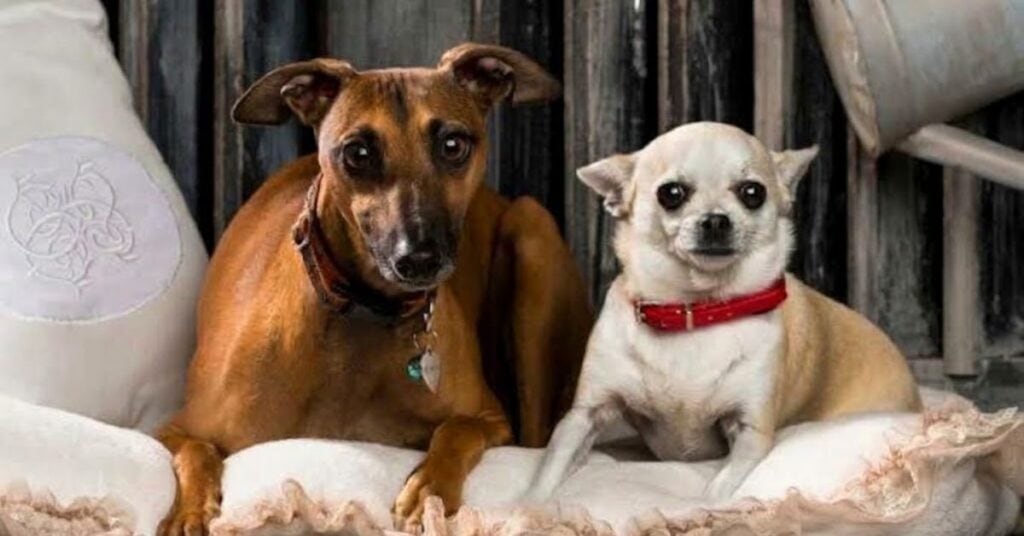
The appearance of an Italian Greyhound Chihuahua Mix can vary significantly. Genetics determine which parent contributes more strongly to its body shape, facial features, coat, and adult size.
Some dogs may have the Italian Greyhound’s narrow head, long legs, deep chest, and slim waist. Others may inherit the Chihuahua’s rounder head, shorter muzzle, larger upright ears, and more compact body. A puppy can also display a blend of these features.
Its coat will usually be short if it inherits the typical smooth coats of both parents. However, a Chihuahua parent with a long coat can contribute longer hair, particularly around the ears, neck, legs, or tail.
Possible coat colors include black, cream, fawn, gray, white, brown, and combinations of these shades. The exact colors and markings depend on the parents’ genetics.
Expected size
There is no reliable, established adult size range for this particular mix. The American Kennel Club lists the Italian Greyhound at approximately 13–15 inches tall and 7–14 pounds, while the Chihuahua breed standard limits show weight to no more than 6 pounds. These figures describe the parent breeds, not a guaranteed range for their cross.
A puppy’s eventual size depends on its parents, sex, genetics, nutrition, and development. Ask the breeder for the actual size and health history of both parents instead of relying on an advertised weight estimate.
Italian Greyhound Chihuahua Mix at a glance
| Feature | What owners can expect |
| Breed type | Mixed-breed companion dog |
| Adult size | Variable; depends on both parents |
| Body shape | Compact, slender, or a blend |
| Coat | Usually short; may be longer |
| Colors | Various solid colors and patterns |
| Shedding | Often low to moderate, but variable |
| Energy | Moderate to high in many individuals |
| Lifespan | Not established for this specific cross |
| Main safety concern | Falls, rough play, and unsafe chasing |
These are possibilities rather than official breed standards.
Because both parent breeds are small, owners should prepare for a dog that needs careful handling. Avoid letting it leap repeatedly from sofas, beds, or high steps. A dog with long, fine-boned legs may be particularly vulnerable to injury.
Italian Greyhound Chihuahua Mix Temperament and Personality
The Italian Greyhound Chihuahua Mix may be affectionate, alert, playful, and closely bonded to its family. However, its exact temperament depends on inherited traits, early experiences, training, and the home environment.
The Italian Greyhound often enjoys physical activity followed by time resting beside its favorite person. Many are sensitive dogs that respond best to gentle handling and reward-based training. Chihuahuas can also form strong bonds with their owners and may be vocal when they notice unfamiliar people or sounds.
A cross between these breeds might be a loving lap companion that enjoys daily walks and games. It could also be more independent, cautious, or excitable than its owner expects.
Do not assume every puppy will have the same personality. Observe the individual dog and ask about its parents’ behavior.
Attachment and separation
Some dogs from these parent breeds prefer close human company. A puppy that follows its owner everywhere may need help learning to relax independently.
Start with brief, positive periods of separation. Give the dog a comfortable resting area and reward calm behavior. Gradually increase alone time rather than leaving a newly acquired puppy alone for long periods.
If the dog panics, howls persistently, destroys objects, or tries to escape when left alone, seek advice from a veterinarian or qualified behavior professional.
Barking and alertness
The Chihuahua side may contribute alert barking. Some dogs bark at doorbells, passing animals, visitors, or unfamiliar noises. The sighthound side may contribute a strong interest in moving objects.
Avoid shouting at the dog when it barks. Instead, identify the trigger, reward quiet behavior, and teach a reliable response such as coming to you or settling on a mat.
Children and other pets
This mix may live comfortably with considerate children and suitable pets, but supervision is essential. Young children can accidentally injure a small dog by squeezing it, dropping it, or allowing it to jump from their arms.
Introductions to other dogs should be calm and controlled. Cats and small animals also require careful management because a strong chasing instinct can emerge even in a friendly dog.
The best family environment offers gentle handling, consistent boundaries, secure outdoor access, and enough daily attention to meet the dog’s physical and emotional needs.
Exercise, Training, and Daily Routine
The Italian Greyhound Chihuahua Mix may be small, but it still needs daily exercise and mental stimulation. Its activity level will depend on which parent it resembles, its age, its health, and its individual personality.
Italian Greyhounds can enjoy short bursts of fast running, while Chihuahuas often enjoy walks, games, and exploring their surroundings. A mix may benefit from both types of activity, provided you protect its body and avoid overexertion.
How much exercise does it need?
Start with short, comfortable walks and supervised play. Increase activity gradually as your dog develops stamina. Puppies need frequent opportunities to play and rest rather than forced, prolonged exercise.
Watch for signs that your dog needs a break, such as lagging behind, excessive panting, reluctance to move, or repeatedly seeking a place to rest. Stop exercising and seek veterinary advice if you notice unusual weakness, limping, or breathing difficulty.
Do not allow this mix to run freely beside roads or in unfenced areas. Its sighthound heritage may encourage it to chase squirrels, birds, or other moving animals. Even a well-trained dog may suddenly ignore a recall cue when something catches its attention.
Training that works
Use positive reinforcement with small treats, praise, toys, and short sessions. Teach the following skills early:
- Name response: Reward your puppy whenever it looks at you after hearing its name.
- Recall: Practise coming when called indoors before moving to a secure outdoor area.
- Loose-leash walking: Reward the dog for walking near you without pulling.
- Settle: Teach it to rest quietly on a comfortable mat.
- Handling: Gradually introduce gentle paw, ear, mouth, and body checks.
- Calm greetings: Reward quiet behavior when visitors arrive.
Avoid harsh corrections. Sensitive dogs may become fearful when people shout, pull them around, or use punishment-based methods.
A practical daily care schedule
| Time | Suggested activity | Purpose |
| Morning | Toilet break and short walk | Movement and routine |
| Breakfast | Measured meal | Balanced nutrition |
| Midday | Gentle play and training | Mental stimulation |
| Afternoon | Rest, toilet break, and brief activity | Comfort and recovery |
| Evening | Walk or supervised play | Exercise and enrichment |
| Before bed | Final toilet break and quiet time | Settling and routine |
Adjust the schedule for puppies, senior dogs, hot weather, and medical needs. This is a starting framework, not a rigid prescription.
In warm conditions, walk during cooler hours and provide fresh water and shade. In cold weather, a thin-coated dog may need a well-fitting coat and shorter outdoor sessions.
A secure harness may be preferable to pressure on the neck, particularly for a small dog that pulls or has a delicate build. Ensure it fits properly and does not restrict breathing or movement.
The ideal routine balances activity with rest. A tired dog is not necessarily a well-exercised dog if it has been pushed beyond its safe limits.
Grooming, Feeding, and Everyday Care
The Italian Greyhound Chihuahua Mix will often have manageable grooming needs, especially if it inherits a short coat from both parents. However, coat length is only one part of its care. Dental hygiene, nail trimming, ear checks, nutrition, and weight monitoring also matter.
Grooming the coat
Brush a short coat gently once or twice a week to remove loose hair and check the skin. A soft brush or grooming mitt usually works well. If the dog inherits longer Chihuahua hair, brush more often and pay attention to areas that can tangle.
Bathe your dog when necessary with a shampoo formulated for dogs. Frequent bathing can dry or irritate the skin, so avoid washing it on an arbitrary daily schedule.
Check the ears regularly for redness, discharge, odor, or irritation. Ask your veterinarian how to clean them safely if needed.
Trim the nails as required. Overgrown nails can affect comfortable movement and increase the risk of snagging or breaking. If you are unsure how far to trim, ask a veterinary professional or groomer to demonstrate.
Dental care
Dental health deserves particular attention because small dogs can develop significant dental problems. Brush the teeth regularly, ideally daily, with a dog-specific toothbrush and toothpaste. Never use human toothpaste unless a veterinarian specifically confirms that a product is safe.
Dental chews can help support a care routine, but they do not replace brushing or professional examinations. Your veterinarian can recommend a suitable dental care plan based on the dog’s age and oral health.
Feeding an Italian Greyhound Chihuahua Mix
Choose a complete and balanced dog food appropriate for the dog’s life stage. Puppies need food formulated for growth, while adults and seniors may require different calorie levels and nutrient profiles.
Measure meals rather than leaving unlimited food available throughout the day unless your veterinarian recommends otherwise. Small dogs can gain excess weight even when the extra food seems insignificant.
Use treats sparingly and include their calories in the daily intake. If you use treats for training, break them into tiny portions.
Provide clean, fresh water at all times. Avoid making sudden food changes, as abrupt transitions may upset digestion. When changing diets, gradually introduce the new food over several days unless a veterinarian advises a different approach.
Homemade diets require careful formulation. Meat, rice, or vegetables alone do not provide every nutrient a growing or adult dog needs. Consult a veterinary nutrition professional before relying on a homemade diet.
For additional guidance on selecting appropriate food, see our Chihuahua Characteristics guide and discuss your dog’s individual needs with your veterinarian.
Health Risks, Prevention, and Veterinary Care
An Italian Greyhound Chihuahua Mix can inherit health risks from either parent. Mixed breeding does not automatically prevent inherited disease, and a dog’s appearance alone cannot confirm that it is healthy.
The most useful approach is to learn about both parent breeds, ask about family health history, maintain preventive veterinary care, and respond promptly to changes in your dog’s behavior or movement.
Bone and joint safety
Italian Greyhounds have fine-boned limbs, and fractures can occur following accidents or falls. A mix may inherit a similarly delicate build, although this is not guaranteed.
Prevent repeated jumping from high furniture. Use pet steps or ramps where appropriate, supervise play with larger dogs, and avoid rough handling. If your dog suddenly refuses to put weight on a leg, cries out in pain, or develops swelling, contact a veterinarian promptly.
Do not attempt to straighten or manipulate a suspected fracture yourself.
Kneecap problems
Patellar luxation occurs when the kneecap moves out of its normal position. Small dogs, including Chihuahuas, can be affected. Signs may include intermittent skipping, holding up a hind leg, or suddenly changing gait.
A veterinarian can examine the joints and recommend treatment based on the severity of the condition.
Dental and eye health
Small dogs may be prone to dental crowding and periodontal disease. Regular tooth brushing and veterinary dental examinations help identify problems early.
Both parent breeds can also experience eye conditions. Watch for redness, cloudiness, discharge, squinting, or rubbing at the eyes. Seek veterinary care when these signs appear rather than trying human eye drops.
Other inherited concerns
Depending on the parents, a puppy may have a risk of heart disease, patellar luxation, eye disorders, or other inherited conditions. The Italian Greyhound breed also has recognized concerns that responsible breeders screen for.
Ask the breeder which health tests are appropriate for both parents and request documentation of completed examinations. A routine puppy check cannot replace a relevant family history or recommended screening.
For reliable background on the Chihuahua’s health and care, consult the AKC Chihuahua breed guide.
Health monitoring checklist
Check your dog regularly for these changes:
- Eating less than usual or refusing food.
- Unusual tiredness, weakness, or changes in behavior.
- Limping, stiffness, or reluctance to jump or walk.
- Persistent coughing or breathing difficulty.
- Red eyes, squinting, or unusual discharge.
- Bad breath, bleeding gums, or difficulty chewing.
- Sudden changes in drinking or urination.
- Unexplained weight loss or gain.
A checklist can help you notice changes, but it cannot diagnose a condition. Seek urgent veterinary help for breathing difficulty, collapse, suspected serious injury, or severe pain. Contact a veterinarian promptly if your dog cannot keep food or water down, appears unusually weak, or develops other worrying symptoms.
Routine examinations, vaccinations, parasite prevention, dental care, and weight checks should follow your veterinarian’s recommendations. Preventive care is usually easier and safer than waiting until a minor concern becomes a serious problem.
Is the Italian Greyhound Chihuahua Mix Right for You?

This mix may suit someone who wants a small, affectionate companion and can provide daily activity, patient training, and careful supervision. It may be less suitable for a household that expects a dog to stay alone for long periods or wants an off-leash running companion in open, unsecured spaces.
Apartment living can work well if the dog receives suitable exercise, enrichment, toilet breaks, and opportunities to relax. A large yard is not essential, but a secure outdoor area can be helpful. Never assume that a yard alone meets the dog’s exercise or social needs.
Before choosing a puppy, consider these practical questions:
- Can you supervise a small dog around children and larger pets?
- Can you provide daily walks, play, and short training sessions?
- Can you protect the dog from falls and unsafe jumping?
- Are you prepared for dental care, preventive veterinary visits, and unexpected medical costs?
- Can you help the dog learn to spend short periods alone calmly?
- Will you use a leash and secure fencing to prevent chasing and escape?
If you already have another small dog, a gradual introduction may help. Our Pomeranian Chihuahua Mix guide explains how another Chihuahua cross can vary in personality and care needs. You can also compare the traits of other crosses in our Chihuahua Dachshund Mix guide and Pekingese Chihuahua Mix guide.
For another example of a lively Chihuahua cross, see our Jack Russell and Chihuahua Mix guide.
These comparisons can help you understand the variety found among mixed-breed dogs. They cannot predict exactly how an Italian Greyhound Chihuahua Mix will behave.
When selecting a puppy, prioritize health records, a safe early environment, responsible breeding, and an appropriate match with your household. If you adopt an adult dog, ask about its behavior around people, other pets, being handled, and being left alone.
Frequently Asked Questions
1. How big does an Italian Greyhound Chihuahua Mix get?
There is no established adult size range for this cross. Its weight and height depend on the size, genetics, and build of both parents. Ask for the parents’ actual measurements, but remember that they cannot guarantee the puppy’s final adult size.
2. Is an Italian Greyhound Chihuahua Mix a good family dog?
It can be a good companion for a considerate family. However, its small size may make it vulnerable to accidental injury. Supervise children closely, teach gentle handling, and introduce other pets carefully. Individual temperament and early socialization matter more than the hybrid name.
3. How much exercise does an Italian Greyhound Chihuahua Mix need?
Most dogs of this type will benefit from daily walks, supervised play, and mental enrichment. The amount should match the dog’s age, health, and energy level. Avoid forced exercise, unsafe jumping, and off-leash activity in unsecured areas.
4. Does an Italian Greyhound Chihuahua Mix shed a lot?
Many have short coats that shed lightly to moderately, but shedding depends on inherited coat traits. Brush regularly, check the skin, and provide basic grooming. A puppy with longer Chihuahua-like hair may need more frequent brushing to prevent tangles.
5. What health problems can an Italian Greyhound Chihuahua Mix develop?
Potential concerns include dental disease, kneecap problems, eye conditions, and injuries involving delicate limbs. The individual dog’s risk depends on its genetics and health history. Responsible parent screening and routine veterinary examinations can help identify concerns early.
Conclusion
The Italian Greyhound Chihuahua Mix can be an affectionate, lively, and interesting companion. Its combination of sighthound athleticism and Chihuahua alertness may create a dog that enjoys both active play and quiet time with its family.
However, every puppy is different. Size, coat, behavior, energy level, and health risks can vary depending on inherited traits. Avoid choosing a puppy based only on photographs, advertised weight, or claims that a mixed breed is automatically healthier.
Provide balanced nutrition, regular dental care, gentle exercise, positive training, and preventive veterinary visits. Protect the dog from falls, rough play, extreme weather, and opportunities to chase animals into unsafe areas.
Before bringing one home, ask about both parents’ health, temperament, and veterinary screening. Choose a responsible breeder or consider adoption through a reputable rescue organization.
Most importantly, prepare for the individual dog rather than an idealized description of the mix. With patient training, a secure environment, and consistent care, an Italian Greyhound Chihuahua Mix can become a valued family companion.
Multimedia placement suggestions
- Featured image: A realistic Italian Greyhound Chihuahua Mix standing on grass, showing its possible slim build and expressive face. Suggested size: 1200 × 628 px.
- Grooming infographic: Show brushing, nail checks, ear checks, and daily dental care.
- Comparison graphic: Compare the Italian Greyhound, Chihuahua, and their mix without implying a guaranteed appearance.
- Care infographic: Illustrate a safe daily routine of walks, play, rest, feeding, and training.
- Pinterest image: Vertical 1000 × 1500 px, featuring the mixed-breed dog with no text, logos, or watermark.
- YouTube thumbnail: A clear dog portrait with space for a short headline if you later create a video.
SEO tags
Italian Greyhound Chihuahua Mix, Italian Greyhound Chi Mix, Chihuahua Mix Breeds, Small Dog Care, Chihuahua Health, Italian Is the Italian Greyhound Chihuahua Mix Right for You?Greyhound Care, Mixed Breed Dogs