
.
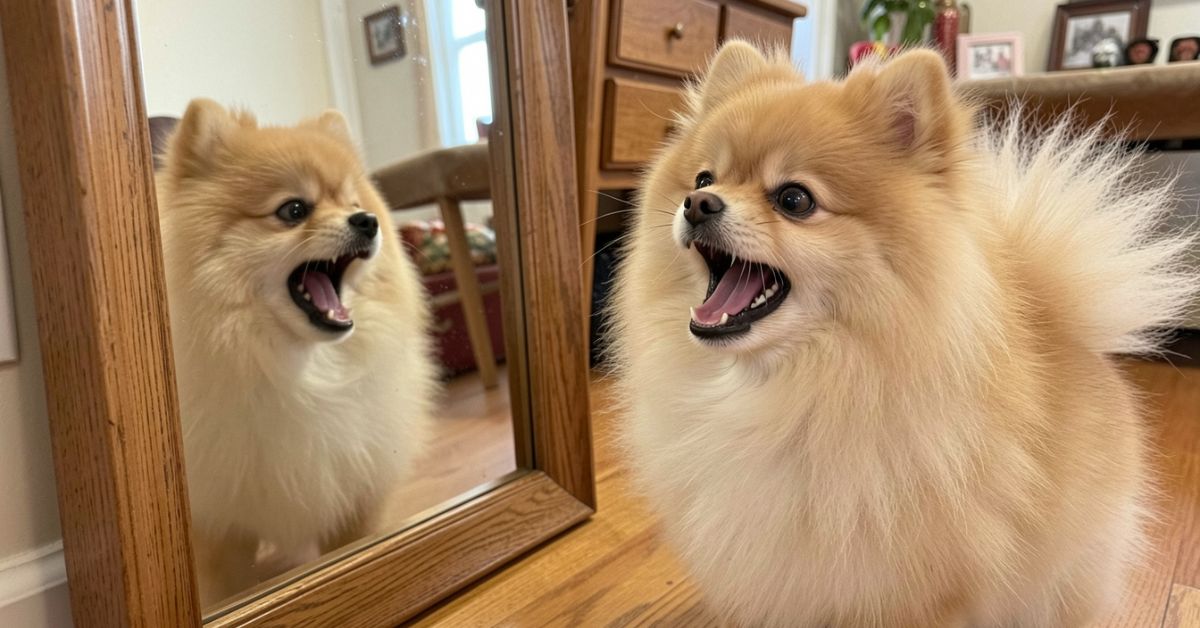
An angry Pomeranian may look cute and fluffy, but this small dog can also become stubborn, noisy, and aggressive when upset. Many people think Pomeranians always stay playful and friendly.
In reality, they have strong personalities and fearless behavior. An angry Pomeranian may bark loudly, snap at strangers, or challenge bigger animals without hesitation.
An angry Pomeranian usually shows clear warning signs before becoming aggressive. The dog may bark loudly, growl, snap, or show defensive behavior. Many owners ignore these signs because the dog looks small and harmless. This mistake often leads to more serious behavioral problems.
Most Pomeranians become angry because of fear, stress, poor training, pain, or lack of social skills. Some dogs also develop aggressive habits because owners spoil them too much. Small dogs often receive fewer rules and boundaries than large dogs. This behavior encourages dominance and stubborn habits.
You can improve the behavior of an angry Pomeranian with patience, training, exercise, and proper socialization. Early correction works best. Calm leadership also helps the dog feel safe and secure.
This detailed guide explains everything about an angry Pomeranian’s behavior. You will learn the causes, warning signs, training methods, grooming tips, health problems, and ways to stop aggression safely.
Angry Pomeranian Behavior and Personality Traits
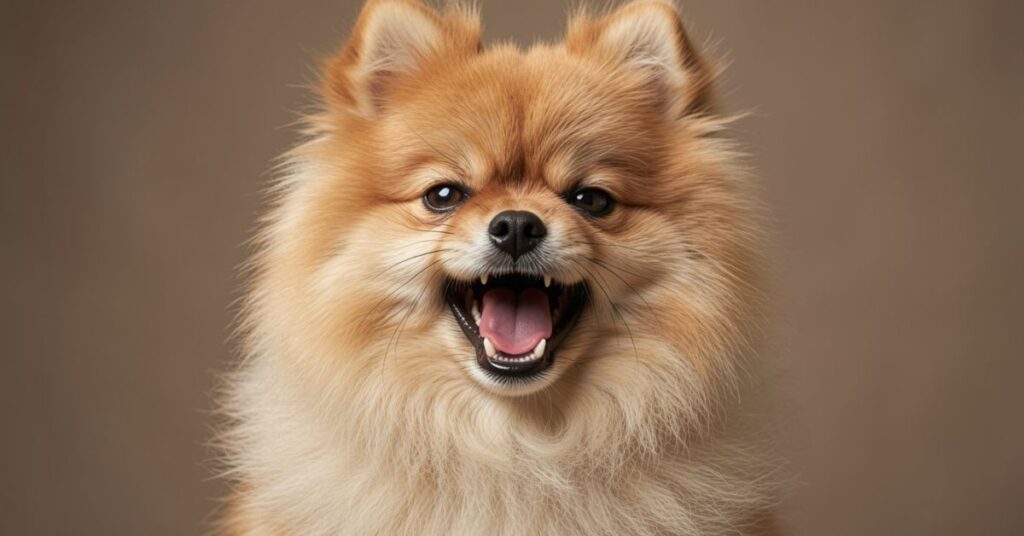
An angry Pomeranian often acts confident, bold, and protective. These dogs may look tiny, but they carry huge personalities. Many owners describe their Pomeranian as stubborn, vocal, and energetic. The breed naturally stays alert and aware of its surroundings.
Pomeranians belong to the Spitz family. Their ancestors worked as larger sled and guard dogs. Modern Pomeranians still carry many of those protective instincts. This history explains why some dogs react strongly to strangers, noises, or unfamiliar situations.
An angry Pomeranian usually wants attention and control. The dog may bark at guests, chase other pets, or guard food and toys. Some dogs also become aggressive when owners try to touch them during grooming or nail trimming.
Many people accidentally reward bad behavior. For example, owners may pick up the dog every time it barks or acts nervously. This response teaches the dog that aggressive behavior brings comfort and attention.
A well-trained Pomeranian can stay friendly and calm. However, poor socialization often creates fear-based aggression. Puppies need positive experiences with people, children, sounds, and other animals.
Common personality traits of an angry Pomeranian
- Strong protective instincts
- Loud barking habits
- Fearless behavior around larger dogs
- Possessive attitude toward toys or food
- High energy levels
- Attention-seeking behavior
- Sensitivity to stress and loud sounds
- Stubborn reactions during training
- Jealous behavior around other pets
- Fast emotional responses
Positive traits hidden behind angry behavior
- Loyal toward family members
- Smart and quick learners
- Loving and affectionate at home
- Alert watchdog abilities
- Playful personality
- Strong emotional bond with owners
Many owners misunderstand aggressive behavior. In most cases, the dog feels afraid, stressed, or insecure. Once owners identify the real cause, they can correct the problem more easily.
Angry Pomeranian Warning Signs You Should Never Ignore
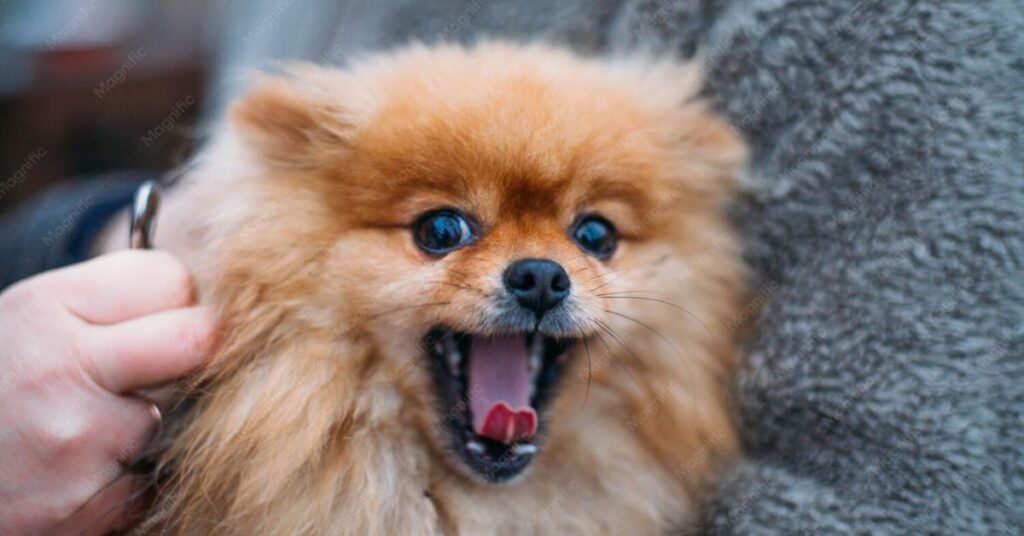
An angry Pomeranian rarely attacks without warning. Most dogs show several signs before becoming aggressive. Owners must understand these signals early. Quick action prevents bites and injuries.
Dogs communicate through body language. Pomeranians especially use barking, growling, posture changes, and facial expressions to show discomfort. Many people laugh at these warning signs because the breed looks small and fluffy. Ignoring these signals often makes the behavior worse.
An angry Pomeranian may first become stiff or quiet. The dog may stare directly at a person or another animal. Some dogs pull their ears backward, while others raise their tails higher. Growling often follows if the dog feels trapped or threatened.
Pomeranians also display stress through pacing, hiding, or shaking. Some dogs lick their lips repeatedly or yawn when nervous. These small signs often appear before barking or snapping.
Owners should never punish growling. Growling acts as a warning system. If punishment removes the warning, the dog may bite without notice in the future.
Physical signs of an angry Pomeranian
- Raised tail and stiff posture
- Loud or repeated barking
- Growling or snarling sounds
- Showing teeth
- Intense staring
- Flattened ears
- Fast breathing
- Pacing around the room
- Snapping at hands or feet
- Lunging toward strangers or pets
Emotional signs of stress and anger
- Fear of new people
- Anxiety during grooming
- Nervous shaking
- Hiding behind furniture
- Refusing commands
- Overprotective behavior
- Jealous reactions toward other pets
Owners should stay calm when they notice these signs. Yelling or physical punishment usually increases fear and aggression. Calm correction and positive training create better results.
Angry Pomeranian Causes That Trigger Aggressive Behavior
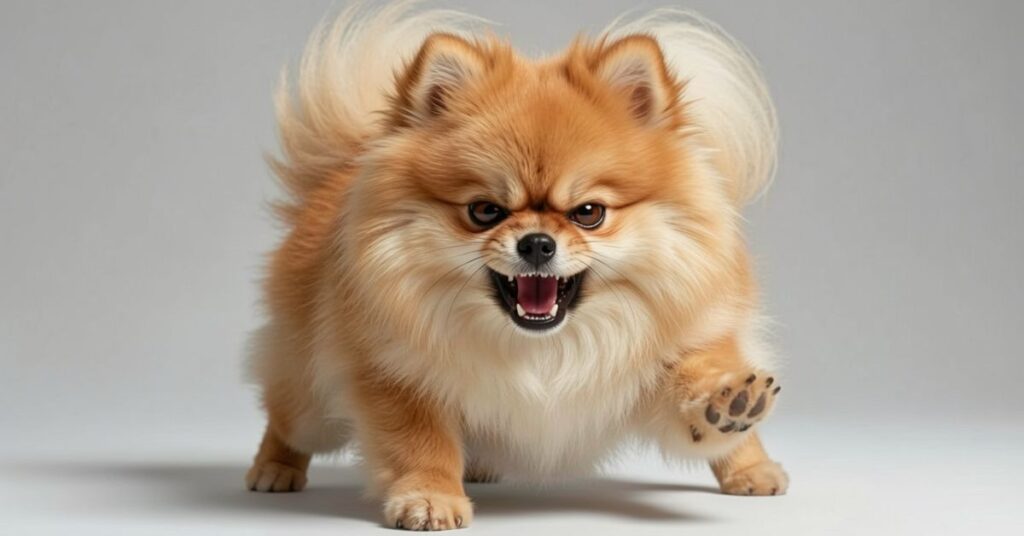
An angry Pomeranian may become aggressive for many different reasons. Understanding the cause helps owners solve the behavior faster. Every dog reacts differently to stress, fear, and environmental changes.
Many Pomeranians become angry because of poor socialization. Puppies that never meet strangers, children, or other dogs often develop fear later in life. Fear quickly turns into barking or snapping.
Pain also creates aggression. A dog with dental disease, joint pain, skin irritation, or injury may react aggressively when touched. Owners should always rule out medical problems before starting behavior training.
Territorial behavior remains another common cause. Pomeranians naturally protect their homes and owners. An angry Pomeranian may bark aggressively when visitors enter the house.
Separation anxiety also increases aggression. Some dogs become stressed when left alone for long periods. These dogs may bark nonstop or destroy furniture.
Spoiling small dogs often causes serious behavior problems. Owners sometimes ignore bad habits because the dog looks tiny and cute. This lack of boundaries teaches the dog to control situations through barking and aggression.
Main causes of angry Pomeranian behavior
- Fear and anxiety
- Lack of socialization
- Poor training habits
- Pain or illness
- Territorial instincts
- Resource guarding
- Jealousy toward other pets
- Loud or stressful environments
- Rough handling by children
- Separation anxiety
- Overprotective owners
- Lack of exercise
Health issues linked to aggression
- Dental pain
- Ear infections
- Skin allergies
- Joint problems
- Hormonal imbalance
- Vision problems
- Neurological disorders
Owners should visit a veterinarian if aggression appears suddenly. Sudden personality changes often signal health problems.
Angry Pomeranian Training Methods That Really Work
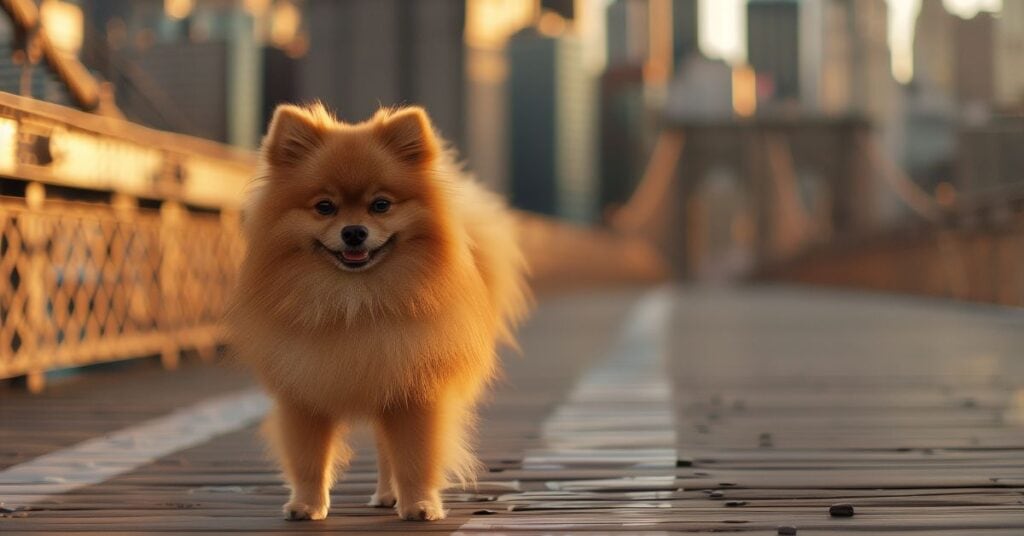
Training plays the biggest role in controlling an angry Pomeranian. Consistent rules help the dog feel secure and balanced. Positive training methods usually work better than punishment.
An angry Pomeranian responds best to calm leadership. Owners should reward good behavior immediately. Small treats, praise, and toys motivate most Pomeranians during training sessions.
Short training sessions work better than long lessons. Pomeranians lose focus quickly. Five to ten minutes of daily practice often gives better results.
Owners should teach basic commands early. Commands like sit, stay, quiet, and leave it help control aggressive situations. Dogs that understand commands feel more confident and secure.
Socialization remains equally important. Owners should slowly introduce the dog to friendly people, calm pets, and new environments. Positive experiences reduce fear and anxiety.
Never hit or scream at an angry Pomeranian. Harsh punishment increases stress and fear. The dog may become more aggressive over time.
Effective training tips for an angry Pomeranian
- Reward calm behavior immediately
- Use short daily training sessions
- Practice basic obedience commands
- Stay patient and consistent
- Introduce new experiences slowly
- Use treats during socialization
- Ignore attention-seeking barking
- Create a daily routine
- Keep training fun and positive
Commands every Pomeranian should learn
- Sit
- Stay
- Come
- Quiet
- Leave it
- Down
- Wait
- Drop it
Owners who stay consistent usually notice improvement within several weeks. Serious aggression may require help from a professional dog trainer.
Angry Pomeranian Socialization Tips for Better Behavior
Socialization helps prevent fear and aggression in dogs. An angry Pomeranian often struggles because the dog has never learned how to feel comfortable around people, animals, and new situations.
Puppies learn quickly during the first months of life. Positive experiences during this period build confidence. Dogs that miss this important stage may become nervous adults.
Owners should introduce the dog to different environments slowly. Busy streets, parks, pet stores, and family gatherings help the dog learn normal social behavior.
An angry Pomeranian should meet calm and friendly dogs first. Bad experiences with aggressive dogs can increase fear and defensive behavior.
Socialization should always stay positive. Owners should reward calm behavior with praise and treats. If the dog becomes overwhelmed, owners should create distance and allow the dog to relax.
Children should also learn proper handling techniques. Rough handling often scares small dogs. A frightened Pomeranian may snap to protect itself.
Safe socialization activities for an angry Pomeranian
- Short walks in quiet areas
- Controlled meetings with calm dogs
- Visits to pet-friendly stores
- Exposure to household noises
- Car rides to new locations
- Positive interactions with guests
- Gentle handling practice
Socialization mistakes owners should avoid
- Forcing interactions too quickly
- Punishing fearful reactions
- Allowing rough play
- Visiting crowded places too early
- Ignoring stress signals
- Using aggressive correction methods
Proper socialization creates a calmer and more confident dog. Consistency matters more than speed.
Angry Pomeranian Grooming Problems and Behavior Issues
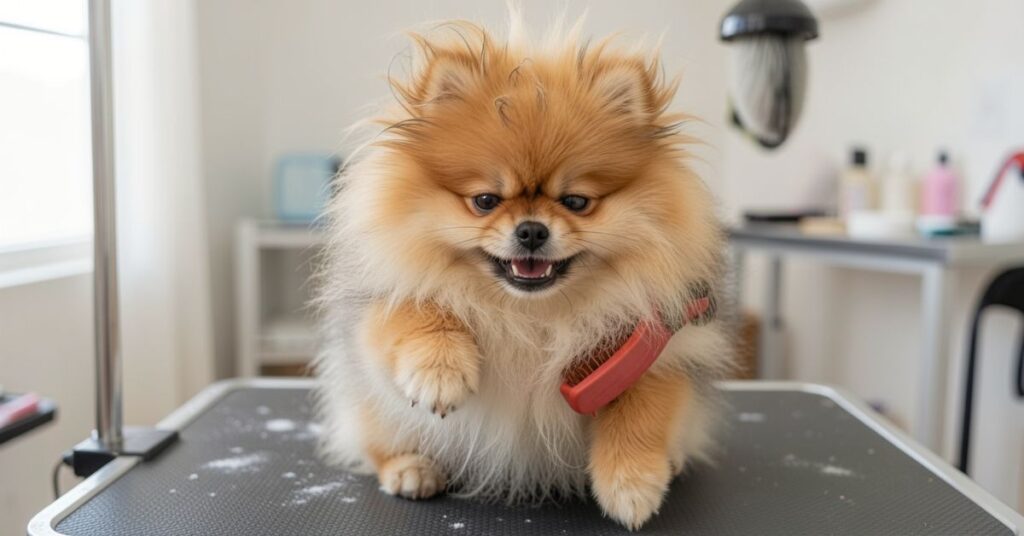
Grooming often triggers stress in small dogs. An angry Pomeranian may bark, growl, or bite during brushing, bathing, or nail trimming. Many dogs dislike grooming because of fear or painful past experiences.
Pomeranians have thick double coats that need regular maintenance. Mats and tangles can pull the skin and cause discomfort. Dogs may react aggressively if grooming hurts.
Owners should start grooming routines early in puppyhood. Gentle handling helps the dog feel relaxed. Short sessions also prevent stress.
An angry Pomeranian may especially dislike nail trimming. Sensitive paws make many dogs nervous. Owners should touch the paws gently every day to build trust.
Using positive rewards during grooming improves cooperation. Treats and calm praise help create positive associations.
Professional groomers also help many owners. Experienced groomers know how to handle nervous dogs safely.
Grooming tools for an angry Pomeranian
| Grooming Tool | Purpose |
| Slicker brush | Removes loose fur and tangles |
| Metal comb | Helps with deep coat brushing |
| Dog shampoo | Cleans sensitive skin safely |
| Nail clippers | Keeps nails short and healthy |
| Detangling spray | Reduces painful brushing |
| Grooming wipes | Quick cleaning between baths |
Grooming tips for nervous dogs
- Start grooming slowly
- Use calm voice commands
- Reward cooperation with treats
- Keep sessions short
- Avoid pulling tangled fur
- Brush regularly to prevent mats
- Stop before the dog becomes stressed
Good grooming habits improve both health and behavior.
Angry Pomeranian Health Problems That Affect Mood
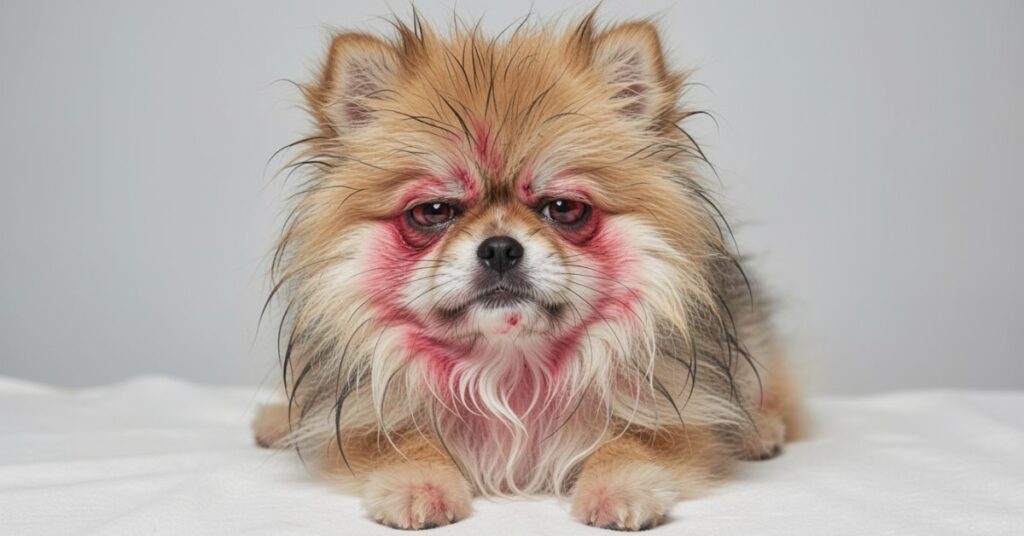
Health problems strongly affect dog behavior. An angry Pomeranian may act aggressively because the dog feels pain or discomfort. Owners should always watch for physical symptoms.
Dental disease affects many small dog breeds. Painful teeth and gums often make dogs sensitive around the mouth. Ear infections also create irritation and frustration.
Joint pain may develop as Pomeranians age. A dog with painful knees or hips may snap when touched suddenly.
Hormonal changes sometimes influence mood and behavior. Stress and anxiety also affect physical health.
Regular veterinary care helps prevent serious problems. Healthy dogs usually behave better and feel calmer.
Common health problems in an angry Pomeranian
- Dental disease
- Luxating patella
- Tracheal collapse
- Skin allergies
- Ear infections
- Obesity
- Heart disease
- Eye problems
- Anxiety disorders
Signs your Pomeranian may feel pain
- Sudden aggression
- Limping or stiffness
- Loss of appetite
- Hiding behavior
- Excessive licking
- Sleeping more than usual
- Sensitivity to touch
Owners should schedule regular health checkups. Early treatment improves both mood and quality of life.
Angry Pomeranian Barking Problems and Solutions

Barking remains one of the biggest complaints among Pomeranian owners. An angry Pomeranian often uses barking to express fear, excitement, boredom, or frustration.
Pomeranians naturally act as watchdogs. They alert owners about every sound or movement. While this trait helps with protection, excessive barking quickly becomes stressful.
Owners should first identify the reason behind the barking. Dogs bark differently for fear, attention, excitement, or warning.
Ignoring attention-seeking barking often helps reduce the behavior. However, owners should never ignore barking caused by fear or pain.
Exercise also plays a major role. Many small dogs bark because they feel bored and restless.
Training the quiet command helps control excessive barking. Owners should reward silence immediately.
Reasons an angry Pomeranian barks excessively
- Fear of strangers
- Territorial behavior
- Lack of exercise
- Boredom
- Separation anxiety
- Loud noises
- Attention-seeking habits
- Frustration
Ways to reduce barking safely
- Increase daily walks
- Teach the quiet command
- Reward calm behavior
- Reduce stressful triggers
- Provide mental stimulation
- Avoid yelling at the dog
- Use puzzle toys and games
Consistent routines usually reduce barking over time.
Angry Pomeranian Exercise Needs and Mental Stimulation
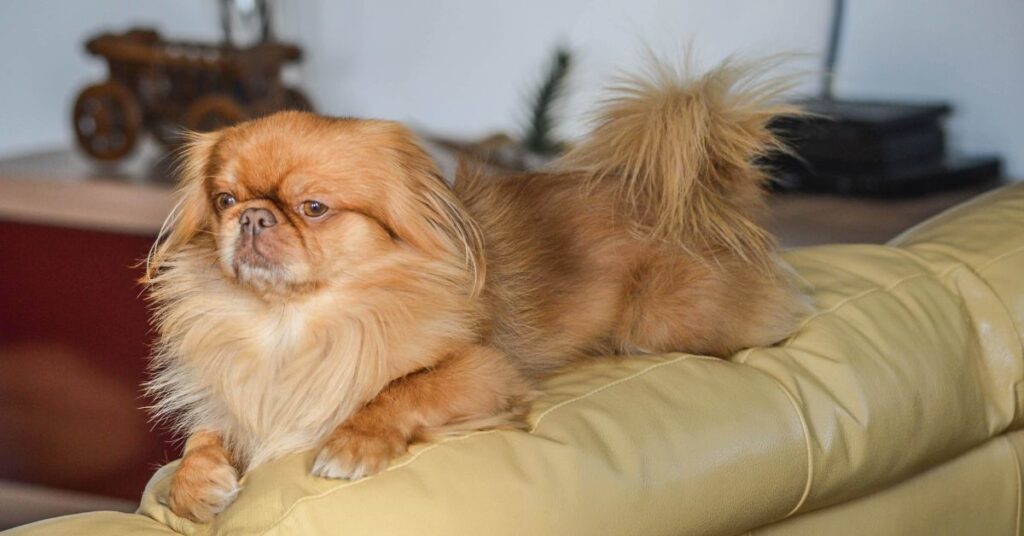
Exercise helps balance behavior and energy levels. An angry Pomeranian often becomes more aggressive when the dog feels bored or frustrated.
Many owners underestimate small dogs. Pomeranians may look tiny, but they still need physical activity and mental stimulation.
Daily walks help release stress and energy. Interactive games also improve confidence and strengthen the bond between dog and owner.
Mental exercise matters just as much as physical activity. Puzzle toys, obedience training, and scent games keep the dog engaged.
An angry Pomeranian that receives enough stimulation usually behaves more calmly at home.
Best activities for an angry Pomeranian
- Daily leash walks
- Indoor fetch games
- Puzzle toys
- Obedience practice
- Hide-and-seek games
- Scent activities
- Agility exercises
- Interactive feeding toys
Exercise mistakes owners should avoid
- Skipping daily walks
- Allowing too much isolation
- Overexercising puppies
- Using only physical exercise
- Ignoring mental stimulation
Balanced activity creates healthier behavior and stronger emotional stability.
Angry Pomeranian Diet and Nutrition Tips

Diet affects behavior, mood, and energy. An angry Pomeranian may become restless or unhealthy without proper nutrition.
Pomeranians need balanced meals with quality protein, healthy fats, vitamins, and minerals. Poor diets sometimes increase hyperactivity or digestive discomfort.
Owners should avoid feeding too many treats or table scraps. Obesity increases stress on joints and lowers energy levels.
Fresh water should stay available at all times. Dehydration also affects mood and health.
Important nutrients for an angry Pomeranian
- Protein for muscle strength
- Healthy fats for coat health
- Fiber for digestion
- Calcium for bones
- Omega fatty acids for skin health
- Vitamins for immune support
Food owners should avoid
- Chocolate
- Grapes
- Onions
- Garlic
- Excessive salt
- Sugary snacks
- Cooked bones
Sample feeding table for a Pomeranian
| Age | Meals Per Day | Food Type |
| Puppy | 3-4 meals | Puppy formula |
| Adult | 2 meals | Adult small-breed food |
| Senior | 2 small meals | Senior formula |
Healthy nutrition supports both physical and emotional health.
Angry Pomeranian and Children in the Home
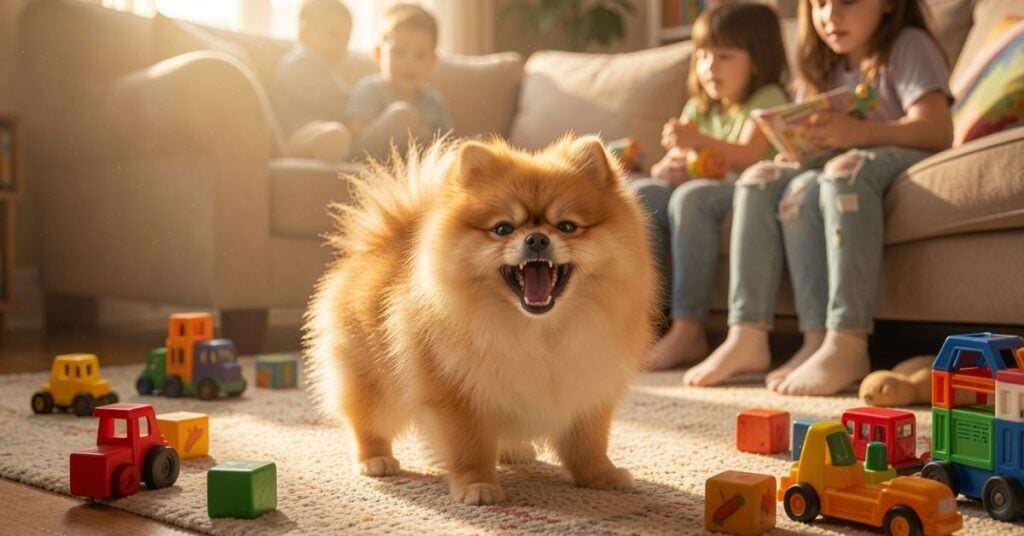
Families often choose Pomeranians because of their cute appearance. However, an angry Pomeranian may struggle in homes with young children if owners fail to teach proper interaction.
Small dogs easily feel threatened by rough handling. Children may accidentally pull fur, grab tails, or squeeze the dog too tightly.
Owners should supervise all interactions carefully. Teaching children how to approach and touch the dog safely prevents many problems.
An angry Pomeranian usually reacts better to calm and respectful behavior. Loud screaming and sudden movements often increase stress.
Children should never disturb the dog while eating or sleeping.
Safety rules for children and Pomeranians
- Approach the dog calmly
- Avoid pulling fur or ears
- Never tease the dog
- Respect the dog’s resting space
- Supervise playtime carefully
- Teach gentle petting techniques
Signs the dog feels uncomfortable
- Growling
- Backing away
- Lip licking
- Stiff body posture
- Barking repeatedly
Proper supervision creates safer and happier relationships.
Angry Pomeranian and Other Pets at Home
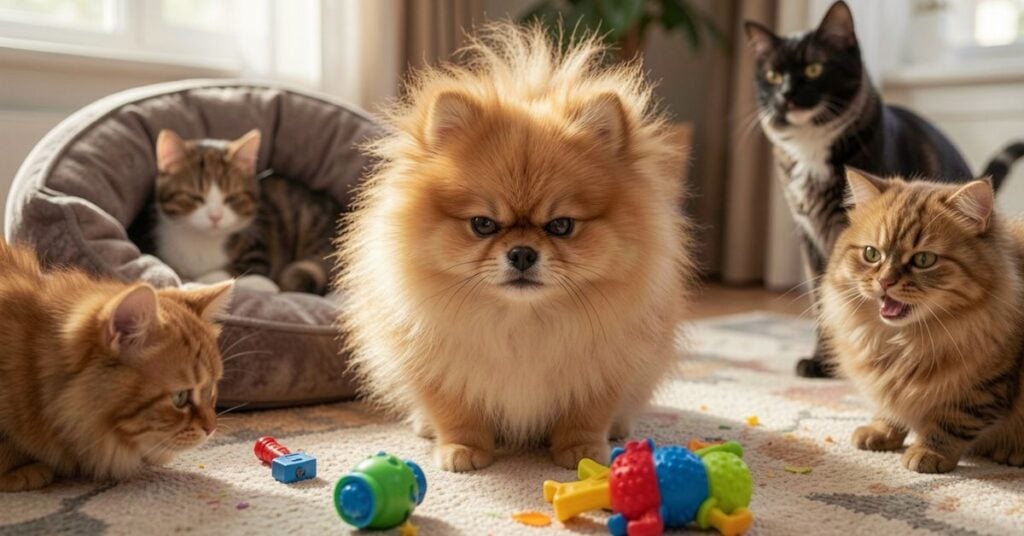
An angry Pomeranian may behave aggressively toward other pets. Some dogs become jealous or territorial around food, toys, or owners.
Early introductions help create peaceful relationships. Owners should allow pets to meet slowly in calm environments.
Resource guarding remains common in small dogs. Owners should separate feeding areas and remove high-value toys during introductions.
An angry Pomeranian may also challenge larger dogs despite its size. Owners should never encourage this fearless behavior.
Tips for introducing an angry Pomeranian to other pets
- Use neutral meeting spaces
- Keep early meetings short
- Reward calm interactions
- Supervise all play sessions
- Separate pets during meals
- Watch body language closely
Common problems between pets
- Toy guarding
- Food aggression
- Jealous behavior
- Territorial barking
- Rough play
Patience and supervision help create peaceful multi-pet homes.
Angry Pomeranian Separation Anxiety Problems
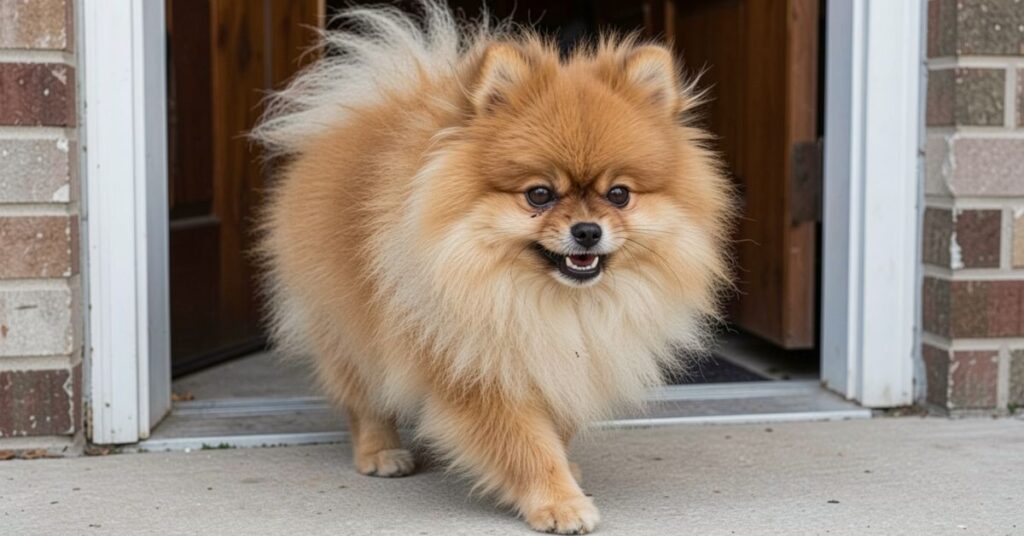
Separation anxiety creates stress and destructive behavior in many dogs. An angry Pomeranian may bark nonstop, scratch doors, or become aggressive when owners leave the house.
Pomeranians form strong emotional bonds with their families. Some dogs struggle badly with loneliness.
Owners should teach independence gradually. Short departures help the dog learn that being alone is safe.
Leaving interactive toys also helps reduce boredom.
Signs of separation anxiety in an angry Pomeranian
- Excessive barking
- Destructive chewing
- Scratching doors
- Following owners constantly
- Indoor accidents
- Panic when owners prepare to leave
Ways to reduce separation anxiety
- Practice short departures
- Avoid dramatic goodbyes
- Provide puzzle toys
- Create a calm routine
- Use calming music
- Increase daily exercise
Serious anxiety may require professional training support.
Angry Pomeranian Safety Tips for Owners
Safety matters when handling aggressive behavior. An angry Pomeranian may bite when frightened or stressed.
Owners should stay calm and avoid physical punishment. Fast movements and yelling often increase aggression.
Visitors should also respect the dog’s space. Forcing interaction usually creates more fear.
Important safety tips for handling an angry Pomeranian
- Stay calm during aggressive moments
- Avoid direct staring contests
- Use positive reinforcement
- Keep children supervised
- Separate the dog during stressful events
- Use a leash during introductions
- Visit a veterinarian for sudden aggression
Situations that often trigger aggression
- Grooming sessions
- Loud noises
- Food guarding
- Strangers entering the home
- Painful handling
- Overcrowded environments
Safe handling protects both the dog and family members.
Angry Pomeranian Myths and Misunderstandings
Many people misunderstand aggressive small dogs. An angry Pomeranian often receives less training because owners think tiny dogs cannot cause problems.
Small dogs can still bite, create stress, and develop severe fear issues. Ignoring aggression never solves the problem.
Another common myth claims aggressive dogs act dominantly all the time. In reality, fear causes most aggressive behavior.
Common myths about an angry Pomeranian
- Small dogs do not need training
- Aggression always means dominance
- Barking cannot be controlled
- Punishment fixes aggression quickly
- Pomeranians naturally hate strangers
Facts owners should understand
- Training improves behavior greatly
- Fear often causes aggression
- Positive reinforcement works best
- Early socialization prevents problems
- Consistency matters more than force
Understanding dog behavior helps owners create healthier relationships.
Angry Pomeranian Long-Term Care and Emotional Health
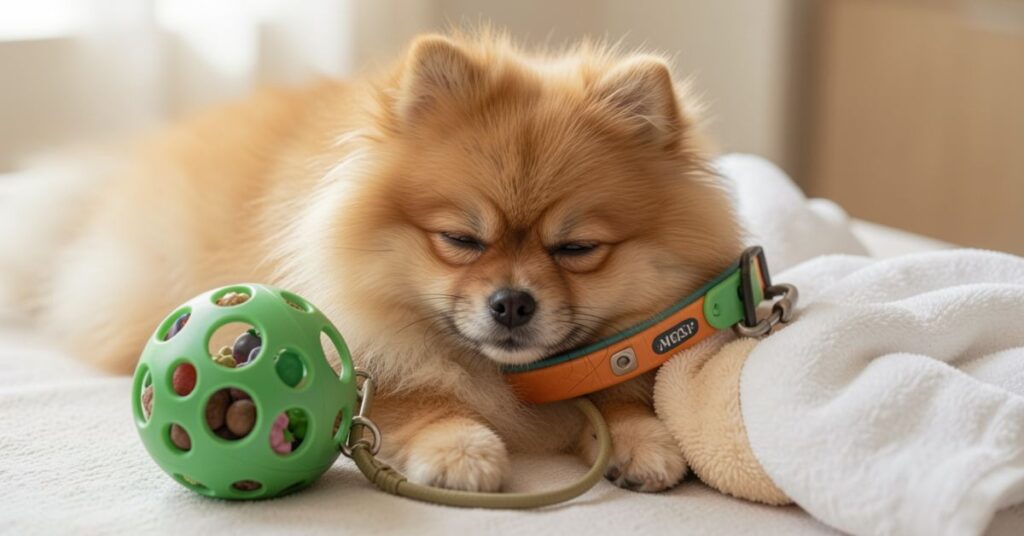
Long-term emotional care plays a huge role in behavior improvement. An angry Pomeranian needs structure, patience, and trust.
Dogs thrive when owners provide stable routines. Predictable schedules reduce stress and anxiety.
Regular exercise, healthy food, socialization, and mental stimulation all support emotional balance.
Owners should celebrate small improvements during training. Behavior change takes time.
Daily habits that help an angry Pomeranian
- Consistent feeding times
- Daily exercise
- Calm training sessions
- Positive social experiences
- Proper grooming
- Quiet rest areas
- Mental stimulation games
Signs your Pomeranian feels happier
- Relaxed body posture
- Less barking
- Better obedience
- Calm reactions to visitors
- Improved confidence
- More playful behavior
Strong bonds and patient leadership help dogs feel secure and relaxed.
FAQs
Why is my angry Pomeranian always barking?
Your angry Pomeranian may bark because of fear, boredom, territorial behavior, or attention-seeking habits. Daily exercise and obedience training usually help reduce barking.
Can an angry Pomeranian become friendly again?
Yes. Most aggressive Pomeranians improve with proper training, socialization, patience, and positive reinforcement.
Do Pomeranians bite often?
Pomeranians may bite when they feel scared, stressed, or threatened. Proper handling and training greatly reduce biting behavior.
How do I calm an angry Pomeranian quickly?
Stay calm, remove stressful triggers, avoid yelling, and redirect the dog with treats or commands. Give the dog space to relax.
Should I punish my angry Pomeranian?
No. Harsh punishment often increases fear and aggression. Positive reinforcement works much better.
Can health problems cause aggression in Pomeranians?
Yes. Dental pain, joint problems, ear infections, and other health issues may cause sudden aggression.
Is an angry Pomeranian safe around children?
Yes, but owners should supervise interactions carefully and teach children how to handle the dog gently.
Conclusion
An angry Pomeranian may seem difficult to manage, but most behavior problems improve with patience and consistency. These dogs often act aggressively because of fear, anxiety, pain, poor training, or lack of socialization.
Owners should focus on calm leadership, positive reinforcement, daily exercise, and proper health care. Early training and socialization create the best results.
Pomeranians stay loyal, smart, and loving when owners meet their emotional and physical needs correctly. With time and effort, even an angry Pomeranian can become calm, confident, and friendly.