

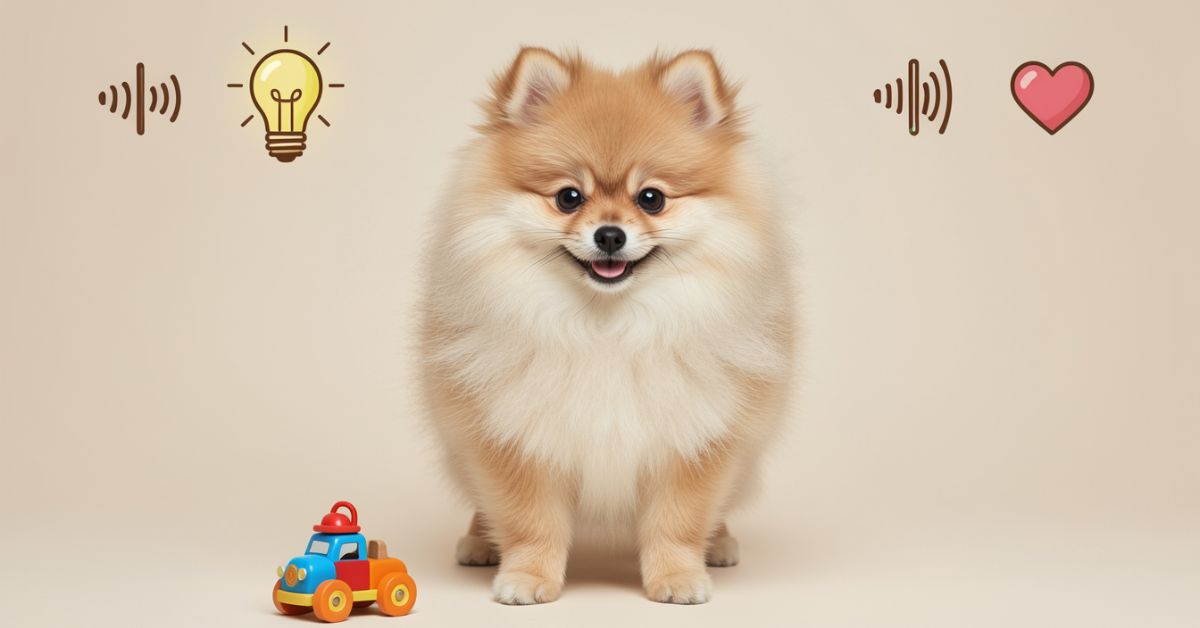
The Pomeranian personality stands out in the dog world. This small dog carries a big attitude. It stays active, alert, and full of life. Many people love this breed because it mixes cuteness with confidence. You will often see a Pomeranian acting like a much bigger dog.
Owners enjoy their playful nature and strong bonding behavior. This breed builds a close connection with its owner. It loves attention and often demands it. The Pomeranian personality also shows intelligence and curiosity. It always watches what happens around it.
In this guide, you will learn everything about the traits, behavior, training needs, and social habits.
Pomeranian Personality Traits and Behavior

The Pomeranian personality includes many strong traits. This dog acts lively, bold, and smart. It does not behave like a shy or quiet pet. Instead, it stays active and expressive most of the time.
Pomeranians love to stay around people. They enjoy attention and often follow their owners everywhere. This breed builds strong emotional bonds. It does not like to stay alone for long hours. If you leave it alone, it may bark or feel stressed.
This dog also shows a confident nature. It does not fear bigger dogs. Sometimes, it even tries to challenge them. Because of this trait, owners must guide and train it early.
The Pomeranian also includes high alertness. It quickly reacts to sounds or strangers. This quality makes it a good watchdog. Even though it stays small in size, it protects its home with loud barking.
Another important trait is intelligence. Pomeranians learn commands quickly. They enjoy mental challenges and games. If you train them with patience, they respond very well.
However, this breed can show stubborn behavior at times. It likes to do things its own way. You must stay consistent during training.
Overall, the Pomeranian blends energy, loyalty, and confidence in one small body.
Social Behavior in Pomeranian Personality

The Pomeranian personality shows interesting social behavior. This dog enjoys human company more than anything else. It loves to stay close to its owner and often seeks attention.
When it comes to family, this breed shows strong loyalty. It chooses one person as its favorite. It follows that person everywhere and stays very attached. This behavior makes it a great companion dog.
However, the Pomeranian can be reserved with strangers. It does not trust new people quickly. It may bark when it sees someone new. This reaction comes from its alert nature.
With children, this breed can behave well if trained properly. However, young kids must handle it gently. Its small size makes it fragile. Rough play can cause injury.
When it comes to other pets, the Pomeranian personality can vary. Some dogs adjust well, while others show dominance. Early socialization helps a lot. If you expose your dog to other pets early, it will behave better.
Here are key social traits:
Key Social Traits
- Shows strong loyalty to one owner
- Loves attention and human interaction
- Act alert around strangers
- May bark at new people
- Needs early socialization with pets
- Prefers gentle handling with kids
The Pomeranian’s personality becomes more balanced when you train and socialize it from a young age.
Pomeranian Personality and Intelligence Level

The Pomeranian personality includes a high level of intelligence. This dog learns fast and understands commands easily. It enjoys mental challenges and problem-solving activities.
You will notice that this breed stays curious. It explores its surroundings and reacts quickly. It observes people and learns from their actions. This trait makes training easier if you stay consistent.
Pomeranians respond well to positive training methods. They like rewards, praise, and treats. Harsh training does not work well. It can make them stubborn or fearful.
The Pomeranian personality also includes independent thinking. Sometimes, it tries to outsmart its owner. It may ignore commands if it feels bored. Because of this, you must keep training sessions short and fun.
Mental stimulation plays an important role. Puzzle toys and interactive games help keep this breed active. Without mental activity, it may develop bad habits like excessive barking.
Here are some intelligence traits:
Intelligence Traits in Pomeranian Personality
- Learns commands quickly
- Shows curiosity and alertness
- Responds well to rewards
- Needs mental stimulation
- Can act stubbornly without proper training
- Enjoys interactive games
The Pomeranian’s personality becomes more impressive when you train and engage it daily.
Common Behavior Problems in Pomeranian Personality

The Pomeranian personality can show some behavioral issues if you do not train it properly. These problems usually come from its strong nature and high energy.
One common issue is excessive barking. This breed barks to alert, express excitement, or seek attention. Without training, this habit can become annoying.
Another issue includes stubborn behavior. The Pomeranian’s personality sometimes resists commands. It may ignore instructions if it feels bored or distracted.
Separation anxiety also affects this breed. It does not like staying alone. If you leave it for long hours, it may bark, chew items, or feel stressed.
Some dogs may show aggressive behavior toward other pets. This happens when they feel dominant or insecure. Early training helps control this issue.
Here are common problems:
Common Issues in Pomeranian Personality
- Excessive barking
- Stubborn behavior
- Separation anxiety
- Attention-seeking habits
- Aggression toward other pets
- Destructive behavior when bored
You can manage these problems with proper training, exercise, and attention. The Pomeranian’s personality improves when you guide it consistently.
How to Improve a Pomeranian’s Personality with Training

You can shape the Pomeranian personality with proper training. This breed responds well to consistent and positive methods.
Start training early. Puppies learn faster and adapt easily. Teach basic commands like sit, stay, and come. Use rewards to encourage good behavior.
Socialization also plays a key role. Expose your dog to a variety of people, places, and pets. This helps reduce fear and aggression.
The Pomeranian personality improves when you set clear rules. Stay consistent with commands and routines. Do not allow bad behavior, even if it looks cute.
Daily exercise also helps. This breed needs short walks and playtime. Physical activity reduces stress and bad habits.
Here are effective training tips:
Training Tips for a Better
- Start training at an early age
- Use rewards and praise
- Keep sessions short and fun
- Stay consistent with the rules
- Provide daily exercise
- Socialize regularly
With proper training, the Pomeranian personality becomes balanced, friendly, and well-behaved.
Pomeranian Personality Traits
| Trait | Description |
| Energy Level | High and playful |
| Intelligence | Smart and quick learner |
| Loyalty | Strong attachment to the owner |
| Barking Habit | Frequent and alert |
| Social Behavior | Friendly but cautious with strangers |
| Trainability | Easy with consistency |
Final Thoughts
The Pomeranian personality offers a unique mix of charm, energy, and confidence. This small dog brings a big presence into any home. It stays lively, alert, and deeply connected to its owner. If you want a companion who shows love and excitement every day, this breed is a good fit.
You must understand its needs to enjoy the best of the Pomeranian personality. This dog requires attention, training, and social interaction. It does not do well with neglect or long periods alone. When you give proper care, it rewards you with loyalty and affection.
The Pomeranian personality also benefits from early training and socialization. These steps help control barking, stubbornness, and anxiety. With the right guidance, this breed becomes friendly, smart, and well-behaved.
In the end, the Pomeranian personality suits people who enjoy active and loving pets. If you invest time and effort, you will build a strong bond with this adorable dog.
FAQs
1. Is the Pomeranian personality good for families?
Yes, the Pomeranian personality suits families. It shows loyalty and affection. However, you must supervise it around small children.
2. Do Pomeranians bark a lot?
Yes, the Pomeranian personality includes frequent barking. It acts as a watchdog and reacts to sounds quickly.
3. Are Pomeranians aggressive?
The Pomeranian personality can show aggression if not trained. Early socialization reduces this behavior.
4. Are Pomeranians easy to train?
Yes, the Pomeranian personality includes high intelligence. It learns quickly with positive training methods.
5. Do Pomeranians like to cuddle?
Yes, the Pomeranian personality enjoys affection. It loves staying close to its owner.
6. Can Pomeranians stay alone?
The Pomeranian personality does not like being alone. Long hours alone may cause anxiety.