

Quick Answer
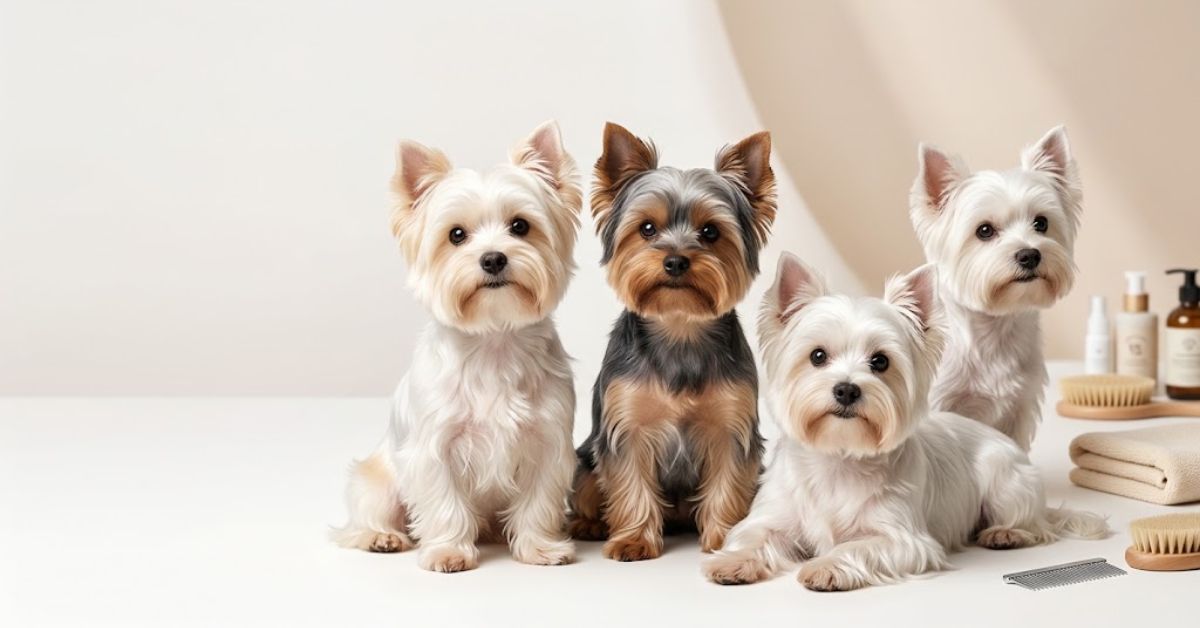
A white Yorkie dog is unusual because the official Yorkshire Terrier breed standard calls for a blue-and-tan adult coat, with only limited white on the chest permitted. A mostly or completely white Yorkie may have unusual coat genetics, significant white spotting, or mixed ancestry. Always check pedigree, health records, and veterinary documentation before buying one.
Author Box
Author: Gulnaz Malik
Role: Publisher & Pet Care Expert
Experience: 5+ Years in Dog Care & Dog Grooming
Content Review: Veterinary-informed content approach based on trusted canine care resources and practical pet-care guidance.
Introduction
A white Yorkie dog can stop you in your tracks. Its tiny body, silky hair, dark eyes, and pale coat create a look that many people find incredibly beautiful. But the term “white Yorkie” can also create confusion for new buyers.
A traditional Yorkshire Terrier does not have a solid white adult coat under the standard breed description. The American Kennel Club describes the adult Yorkie as having a blue-and-tan coat, while white markings are restricted to a small area on the forechest.
That does not mean every mostly white dog advertised as a Yorkie is automatically unhealthy or mixed-breed. Coat color comes from genetics, and unusual color patterns can occur. The important point is to understand exactly what you are looking at before paying a premium for a “rare white Yorkie.”
This guide explains the appearance, genetics, grooming, nutrition, health considerations, temperament, and buying concerns surrounding white Yorkies. You will also learn how to tell a white Yorkie from a Parti Yorkie, why white fur often develops stains, and which questions to ask a breeder.
What Is a White Yorkie Dog?
A white Yorkie dog usually refers to a Yorkshire Terrier whose coat contains a large amount of white hair. The phrase can describe several different appearances, so buyers should not assume that every white-looking Yorkie has the same genetic background.
The standard Yorkshire Terrier has a distinctive silky coat. Puppies are born black and tan, and their coat normally changes as they mature. Adult dogs should develop the characteristic blue-and-tan coloring described by the AKC breed standard.
A dog with substantial white areas may instead have a particular white-spotting pattern. Parti Yorkies are a well-known example. A Parti Yorkie has a significant white base with patches of black and tan. ChihuahuaNest.com has a detailed guide explaining the genetics and appearance of the Parti Yorkie, which can help owners understand why white coat patterns sometimes occur in Yorkies.
The word “white” also does not automatically mean “albino.” Albinism involves a lack or near lack of pigment and can affect the eyes and skin as well as the coat. White-coated dogs can still have normal pigmentation in their skin, nose, eye rims, and eyes. AKC notes that canine albinism is uncommon and should not be confused with an ordinary white coat.
The safest approach is to judge the whole dog rather than the coat alone. Look at the pedigree, physical structure, pigmentation, health history, and breeder documentation.
What to check first
- Ask whether both parents are registered Yorkshire Terriers.
- Request pedigree and registration documentation.
- Ask why the puppy has a predominantly white coat.
- Request health-testing information for the parents.
- Have your veterinarian examine the puppy.
- Do not pay extra simply because a breeder calls the color “rare.”
White Yorkie Dog Genetics and Coat Color
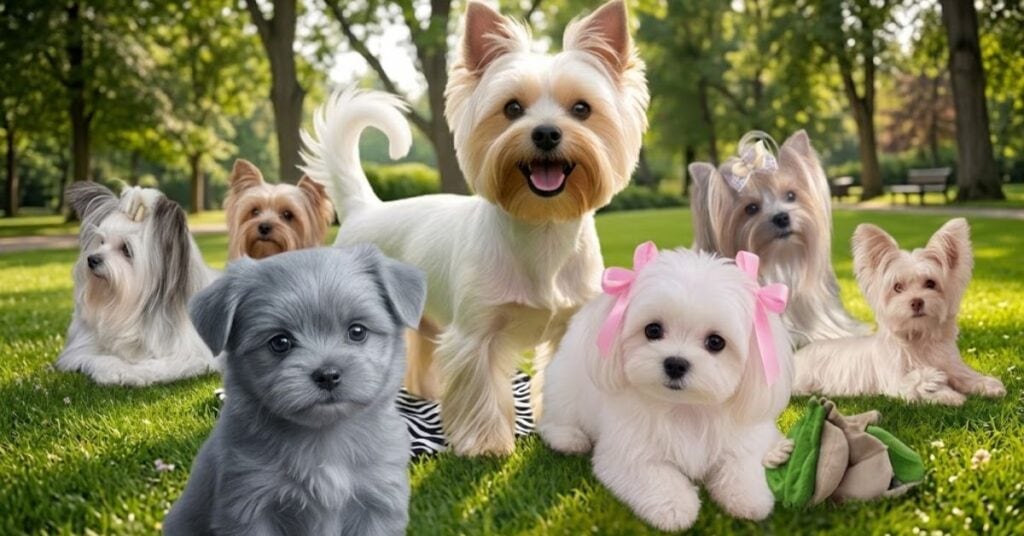
The genetics behind a white Yorkie dog can become complicated because several genes influence canine coat color and pattern. A puppy’s appearance does not always tell you exactly which genes it carries.
Yorkshire Terriers have a particularly interesting color transition. The breed standard explains that puppies are normally born black and tan, while the adult coat develops the blue and tan colors associated with the breed.
White hair can appear because of white-spotting genetics. In a Parti Yorkie, for example, white areas combine with black and tan patches. This is different from a solid white dog.
It is also important to understand the difference between coat color and breed identity. A strange coat does not automatically prove that a dog is mixed. Conversely, a breeder’s claim that a puppy is a “rare purebred white Yorkie” does not prove pedigree either.
DNA testing can help answer specific genetic questions, but it cannot replace proper registration records, pedigree information, and veterinary evaluation. AKC also cautions that coat color genetics involve complex interactions and that genetic testing cannot always predict phenotype perfectly.
If a breeder charges a very high price because of a supposed rare color, slow down. Ask for evidence instead of relying on marketing language.
A responsible breeder should be comfortable discussing the parents, health testing, registration, puppy records, and the reason for the unusual appearance.
The Yorkie parent club and AKC also provide health-testing resources for the breed. Current AKC recommendations include patella evaluation and an ophthalmologist evaluation for Yorkshire Terriers.
In short, genetics can explain unusual white markings, but appearance alone cannot establish purity, health, or future coat color.
White Yorkie Dog vs. Parti Yorkie: Key Differences
Many people searching for a white Yorkie dog are actually looking for a Parti Yorkie. The two descriptions overlap visually, but they should not be treated as identical.
A Parti Yorkie has a distinctive pattern containing substantial white along with colored patches. It is still a Yorkshire Terrier, but its coat pattern differs from the traditional blue-and-tan appearance.
A mostly white Yorkie may also have unusual markings that do not fit the Parti pattern. In that situation, documentation becomes especially important.
| Feature | Traditional Yorkie | Parti Yorkie | Mostly White Yorkie |
| Typical coat | Blue and tan as an adult | White with colored patches | Predominantly white or unusual pattern |
| Silky hair | Yes | Yes | Usually, if a pure Yorkie |
| White amount | Very limited | Significant | Can be extensive |
| Breed status | Standard Yorkie | Yorkshire Terrier color pattern | Depends on genetics and documentation |
| Main concern | Normal breed care | Pattern and breeder claims | Verify pedigree and health |
| Grooming needs | High | High | High, with extra stain visibility |
The Parti Yorkie guide can help owners compare the white spotting pattern with that of a traditional Yorkshire Terrier.
Another common mistake involves confusing a young puppy’s coat with its adult color. Yorkie puppies naturally begin with darker coloring, and their coat changes as they mature. A breeder should explain the puppy’s expected color development rather than making unsupported promises.
A white Yorkie puppy also deserves the same health checks as any other Yorkie. Do not let an unusual coat distract you from basic questions about vaccination, deworming, veterinary examinations, family health history, and responsible breeding.
If the puppy has very pale eyes, nose pigmentation, or unusual skin pigmentation, discuss those findings with a veterinarian rather than assuming they are caused by coat color.
White Yorkie Dog Grooming and Coat Care
Grooming becomes especially important when you own a white Yorkie dog. White or very light hair makes dirt, tear staining, saliva staining, and food residue much easier to see.
Yorkshire Terriers have a fine, silky coat that grows continuously and can tangle or mat without regular care. AKC recommends frequent brushing and appropriate grooming tools, including a pin brush and metal comb.
For a pet Yorkie, a shorter puppy cut can make daily maintenance much easier. Owners who want a long coat should expect significantly more grooming work.
A white coat needs gentle handling. Aggressive brushing can break the hair and irritate the skin. Work slowly from the ends toward the roots when removing tangles.
AKC Yorkshire Terrier Grooming Guide
Simple White Yorkie Grooming Routine
- Brush the coat several times each week, or daily when it is long.
- Check behind the ears, under the legs, and around the collar for mats.
- Wipe the face gently with a dog-safe grooming pad.
- Keep the hair around the eyes neatly trimmed.
- Bathe with a shampoo formulated for dogs.
- Dry the coat completely after bathing.
- Trim nails regularly.
- Brush your teeth routinely.
- Check the ears for debris or odor.
- Schedule professional grooming when the coat becomes difficult to manage.
AKC notes that Yorkies in longer show coats require more demanding maintenance, while pet trims can simplify everyday care.
Avoid harsh human shampoos, bleach, household whitening products, or homemade chemicals. White fur may tempt owners to over-clean the coat, but healthy skin matters more than perfectly bright hair.
For a white Yorkie dog, the best grooming goal is clean, healthy, comfortable skin and coat—not artificial whiteness.
White Yorkie Dog Tear Stains and Coat Discoloration
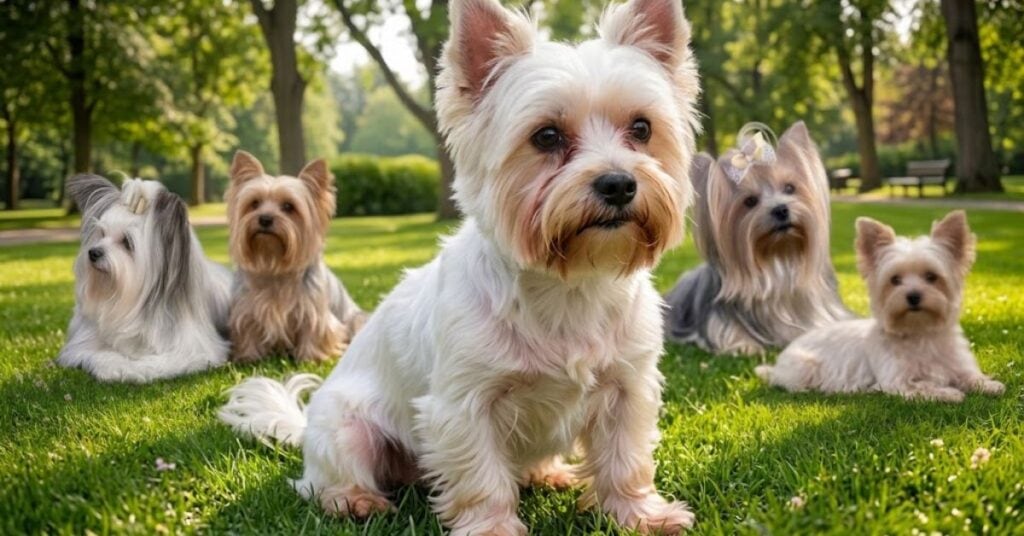
One of the biggest cosmetic concerns for owners of a white Yorkie dog involves brown, pink, or reddish staining around the eyes and mouth.
Light-colored hair makes these stains highly visible. The staining often comes from porphyrins, naturally occurring compounds found in tears, saliva, and other body fluids.
AKC explains that porphyrins contain iron and can cause a noticeable reddish or brown discoloration of light fur.
A small amount of staining does not automatically mean that your dog has a serious medical problem. However, sudden or excessive tearing deserves attention.
Look for other symptoms such as redness, swelling, odor, squinting, persistent itching, discharge, or frequent paw licking. Those signs may indicate irritation or another condition that needs veterinary assessment.
Do not use human eye products unless your veterinarian specifically recommends them. Avoid products that promise instant whitening without clearly explaining their ingredients and safe use.
White Yorkie Coat-Stain Monitoring Scale
Level 1 — Mild: Small amount of discoloration with normal eyes and skin. Maintain gentle daily cleaning.
Level 2 — Persistent: Staining returns quickly or appears alongside frequent licking. Discuss possible irritation with your veterinarian.
Level 3 — Concerning: Redness, swelling, odor, thick discharge, squinting, or pain appear. Arrange veterinary care promptly.
Level 4 — Urgent: Severe eye pain, major swelling, injury, or sudden vision problems. Seek immediate veterinary attention.
The goal should never be to hide a medical problem with whitening products. If staining increases suddenly, investigate the cause.
White Yorkie Dog Health, Nutrition, and Exercise
A white Yorkie dog generally needs the same basic health care as other Yorkshire Terriers. Coat color should not become the main focus while important preventive care gets ignored.
Yorkies are toy dogs, so owners need to pay attention to dental health, weight, joints, nutrition, and routine veterinary examinations. The AKC lists patella and ophthalmologist evaluations among recommended Yorkshire Terrier health tests.
Dental care deserves special attention. Small dogs can develop significant dental problems, particularly when owners rarely brush their teeth. Start dental routines gradually and use products designed for dogs.
Nutrition should provide complete and balanced nutrients rather than simply targeting a shinier white coat. Choose food appropriate for your dog’s life stage, size, activity, and health needs.
For more feeding guidance, see ChihuahuaNest.com’s Best Dog Food for Yorkies guide.
Exercise should remain gentle but consistent. Short walks, indoor games, basic training, and interactive toys can provide physical and mental stimulation without excessive strain.
A young puppy also needs careful supervision. Tiny puppies can be vulnerable to low blood sugar, especially when they miss meals or experience stress. If your puppy becomes unusually weak, shaky, confused, or lethargic, contact a veterinarian promptly.
Weekly White Yorkie Health Checklist
- Check eyes for redness or unusual discharge.
- Check ears for odor or debris.
- Inspect the skin for redness, sores, or parasites.
- Run a comb through the coat to find early mats.
- Check teeth and gums.
- Examine nails and paws.
- Monitor appetite and water intake.
- Notice changes in energy or behavior.
- Record unusual symptoms for your veterinarian.
For broader Yorkie health information, owners can also consult the Yorkshire Terrier Club of America health resources.
White Yorkie Dog Temperament, Training, and Daily Life
A white Yorkie dog is still a Yorkshire Terrier first and a particular coat color second. Coat appearance does not automatically create a different personality.
Yorkies are small, intelligent terriers with confidence that can exceed their body size. Their history as working terriers helps explain why many remain alert, energetic, curious, and quick to react to sounds or movement. AKC describes the breed as a small terrier with a strong historical working background.
Training should start early. Use short sessions, rewards, repetition, and clear household rules. Yorkies can learn quickly, but inconsistent training can encourage barking, jumping, or attention-seeking behavior.
Socialization also matters. Introduce your puppy gradually to different people, safe environments, household sounds, and friendly dogs. Keep experiences positive rather than overwhelming.
Because Yorkies are small, children should learn how to handle them safely. Rough play, accidental falls, or squeezing can cause serious injuries in a tiny dog.
Exercise does not need to be extreme. Several short activity periods often work better than one long workout. Puzzle toys and scent games can also provide mental stimulation.
A white coat may attract more attention outdoors, but owners should resist letting strangers constantly handle the dog. The puppy still needs quiet rest, predictable routines, and boundaries.
The best white Yorkie is not the one with the brightest coat. It is the one that feels secure, receives consistent training, eats a balanced diet, and gets appropriate veterinary care.
Buying a White Yorkie Dog: Breeder and Puppy Guide
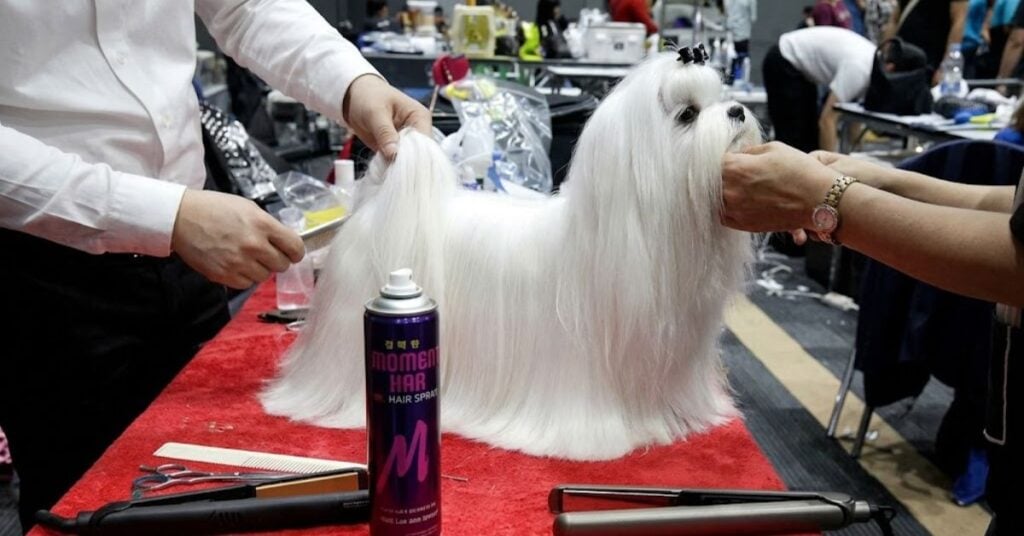
If you want a white Yorkie dog, take extra care when evaluating advertisements. Unusual colors often attract premium prices, and that can create an opportunity for dishonest sellers.
Start by asking whether the puppy comes from registered Yorkshire Terrier parents. Request documentation instead of accepting verbal claims.
A responsible breeder should be willing to discuss health screening, veterinary records, vaccination history, deworming, socialization, and the puppy’s parents.
Do not choose a breeder simply because the puppy looks unusually rare. Health and temperament should come before coat color.
A useful warning sign is pressure to make an immediate deposit. Another is a seller who refuses to show the puppy’s living environment or will not provide basic health records.
You can also compare a supposed “white Yorkie” with known Yorkie varieties. ChihuahuaNest.com’s Mini Yorkie Puppies guide explains why terms such as “mini” and “teacup” are often marketing descriptions rather than separate official breeds. The Tea Cup Yorkies for Sale guide also discusses what buyers should check before purchasing an unusually small Yorkie.
| Buyer Check | What to Ask | Why It Matters |
| Parents | Can I see both parents? | Helps verify breed and background |
| Pedigree | Are registration records available? | Supports ancestry claims |
| Health | What health tests were performed? | Identifies inherited-risk screening |
| Veterinary care | Has a veterinarian examined the puppy? | Confirms basic health status |
| Coat | Why is the puppy predominantly white? | Helps clarify genetics |
| Contract | Is there a written sales agreement? | Protects both the buyer and the breeder |
| Socialization | How was the puppy raised? | Supports behavioral development |
Remember that an unusual color should never replace health testing. The goal is to bring home a healthy companion, not simply the rarest-looking puppy.
White Yorkie Dog Care Schedule and Common Mistakes
The easiest way to care for a white Yorkie dog is to build small tasks into a predictable routine. Consistency prevents many problems before they become expensive or uncomfortable.
A daily routine can take only a few minutes. Check the face, eyes, coat, teeth, and general behavior. If your Yorkie has long hair, gently brush areas that tangle easily.
Each week, inspect the ears, paws, nails, skin, and mouth more carefully. Look for changes from your dog’s normal condition.
Professional grooming may be needed every few weeks, depending on coat length and style. AKC notes that Yorkies often need regular trimming and frequent brushing to keep their coats manageable.
Weekly Care Framework
Monday: Brush coat and inspect skin.
Tuesday: Clean the face and check the eyes.
Wednesday: Brush teeth and inspect gums.
Thursday: Comb behind ears and under legs.
Friday: Check nails and paw pads.
Saturday: Longer grooming session or bath when needed.
Sunday: Record weight, appetite, behavior, and any unusual changes.
Common mistakes include bathing too often, brushing a dirty or heavily tangled coat aggressively, using human grooming products, ignoring dental care, and buying supplements simply to make white hair look brighter.
Another mistake is assuming that a white coat automatically means poor health. Coat color alone cannot tell you whether a dog is healthy.
Finally, do not attempt to diagnose eye, skin, or digestive problems from coat appearance. If your Yorkie develops persistent symptoms, seek veterinary advice.
FAQ
Is a white Yorkie dog a purebred Yorkshire Terrier?
A mostly white dog may or may not be a purebred Yorkshire Terrier. Traditional Yorkies have a blue-and-tan adult coat under the AKC standard. An unusual white pattern can have genetic causes, but pedigree and registration documents are needed to support a purebred claim.
Are white Yorkie dogs rare?
Mostly white Yorkies are unusual compared with the traditional Yorkshire Terrier appearance. Some may have white-spotting patterns, while others may have different genetic backgrounds. Because sellers may use “rare” as a marketing term, buyers should verify pedigree and health records before paying a premium.
Do white Yorkies need special grooming?
They need the same basic Yorkie grooming, but white hair shows dirt and staining more clearly. Regular brushing, gentle bathing, face cleaning, nail care, dental care, and professional trimming can help keep the coat healthy and manageable.
Why does my white Yorkie have brown stains around the eyes?
Brown or reddish staining often results from porphyrins in tears. Light-colored fur makes the discoloration easier to see. Mild staining can be cosmetic, but sudden excessive tearing, redness, swelling, discharge, or squinting should be evaluated by a veterinarian.
Is a white Yorkie dog good for families?
A Yorkie can make a loving companion for the right household. Because Yorkshire Terriers are small and delicate, young children need supervision around them. Early socialization, reward-based training, gentle handling, and a predictable routine help a Yorkie become a confident family companion.
Conclusion
A white Yorkie dog can be an exceptionally attractive companion, but the color deserves careful explanation rather than automatic celebration. Traditional Yorkshire Terriers have a blue-and-tan adult coat under the AKC standard, so a predominantly white Yorkie requires closer attention to coat genetics, markings, pedigree, and breeding history.
If you are buying a white Yorkie puppy, focus on health before rarity. Ask to see the parents, registration records, veterinary documentation, and appropriate health-testing information. A responsible breeder should answer these questions openly.
Once your Yorkie comes home, concentrate on the basics: balanced nutrition, regular dental care, gentle grooming, socialization, training, exercise, and preventive veterinary visits.
White fur also requires extra attention because tear stains, dirt, saliva, and other discoloration become easier to notice. Avoid harsh whitening products and investigate sudden changes rather than simply trying to cover them.
Most importantly, remember that a Yorkie’s personality and health matter far more than coat color. Whether your companion is traditional blue and tan, Parti-patterned, or unusually white, consistent care and responsible ownership will give your dog the best chance at a happy, healthy life.
Multimedia Placement Suggestions
- Featured Image: Place directly below the article title; show a realistic white/mostly-white Yorkie with a silky coat and a clean studio background.
- Grooming Flowchart: Place after the “Grooming and Coat Care” section; show brushing, bathing, face cleaning, nail care, and dental care.
- Comparison Graphic: Place after the “White Yorkie vs. Parti Yorkie” section.
- Before & After Image: Show gentle grooming and coat-cleaning results, avoiding exaggerated whitening claims.
- YouTube Video/Thumbnail: Place after the grooming section; use a professional Yorkie grooming demonstration.
- Pinterest Image: Create a vertical infographic summarizing white Yorkie genetics, grooming, health, and buying tips.
Tags
White Yorkie Dog, White Yorkie, White Yorkshire Terrier, White Yorkie Puppy, Yorkshire Terrier, Yorkie Grooming, Yorkie Care, Parti Yorkie, Yorkie Health, Yorkie Genetics, Yorkie Puppies
Social Media Caption
Thinking about a white Yorkie dog? 🐶🤍 Learn what causes unusual white coats, how to spot misleading breeder claims, and how to keep your Yorkie healthy, clean, and beautifully groomed. #WhiteYorkie #YorkshireTerrier #Yorkie #YorkiePuppy #DogCare #DogGrooming #PetCare
Primary Keywords:
- white Yorkie dog
- white Yorkshire Terrier
- white Yorkie
Secondary Keywords:
- white Yorkie puppy
- white Yorkshire Terrier puppy
- Yorkie coat color
- Yorkie grooming
- Yorkie health
Related/LSI Keywords:
Yorkshire Terrier, white coat, Parti Yorkie, Yorkie genetics, silky coat, toy breed, tear stains, coat staining, puppy cut, Yorkie grooming routine, dental care, patellar luxation, responsible breeder, breed standard, small dog nutrition