


Quick Answer
A Wolf Sable Pomeranian is a Pomeranian with a distinctive light gray undercoat and darker steel-gray guard hairs tipped with black.
True wolf sable coloring is linked to the Agouti aw pattern and often includes lighter markings around the eyes.
This rare-looking coat needs regular brushing, gentle grooming, and the same health care as any other Pomeranian. (APC Main)
Author: Gulnaz Malik
Role: Publisher & Pet Care Expert
Experience: 5+ Years in Dog Care & Dog Grooming
Content Review: Veterinary-reviewed content approach based on trusted canine care resources and practical pet care experience.
Introduction
The Wolf Sable Pomeranian attracts attention because of its unusual gray, silver, and black-tipped coat. Many people see a gray Pomeranian online and immediately call it a wolf sable. However, true wolf sable coloring has specific coat features, and appearance alone does not always tell the full genetic story.
This tiny dog still has the lively personality, thick double coat, and bold nature that make Pomeranians popular companions. The difference lies mainly in its striking color pattern. A true wolf sable Pom can show a light gray base with darker guard hairs, black tipping, and lighter areas around the eyes that create a distinctive expression.
Choosing a Pomeranian only because of a rare-looking color can create problems. Coat color should never matter more than health, temperament, responsible breeding, and proper care.
A beautiful puppy still needs a healthy genetic background, good nutrition, training, grooming, exercise, and regular veterinary attention.
This guide explains what makes a Wolf Sable Pomeranian different, how to recognize the color, what genetics influence the coat, and how to care for its thick fur.
You will also learn about feeding, grooming, health monitoring, training, common mistakes, and how to choose a healthy puppy.
What Is a Wolf Sable Pomeranian?
A Wolf Sable Pomeranian is not a separate breed. It is a color and coat pattern within the Pomeranian breed. The dog has the same basic size, personality traits, and care needs as Pomeranians of other colors.
The American Pomeranian Club includes wolf sable among its sable color classifications. Sable refers to dark banding or tipping on hairs over a lighter base color. Wolf sable specifically describes a pattern associated with the Agouti allele.
A typical wolf sable Pom often has a light gray or silver-gray undercoat. The longer guard hairs appear darker, often steel gray, and end with black tips. This combination gives the coat a shaded appearance that can remind people of wild canines.
The face can provide another useful clue. The American Pomeranian Club notes that truly wolf sable dogs should have lighter “spectacles” around the eyes, similar to the pattern seen in Keeshonds. The nose, lips, eye rims, and toe pads are normally black.
Still, owners should not rely only on a photograph. Heavy shading, changing puppy coats, lighting, and other sable patterns can make identification difficult. A gray-looking or heavily shaded Pom may not necessarily be genetically wolf sable.
Pomeranian puppies can also change appearance as they grow. Their soft puppy coat gives way to an adult double coat, and the amount of shading may look different over time.
Wolf Sable Pomeranian Identification Checklist
- Light gray, silver-gray, or pale gray undercoat
- Darker steel-gray guard hairs
- Black tipping on the longer hairs
- Shaded rather than solid-looking overall coat
- Lighter spectacle-like markings around the eyes
- Black nose, lips, eye rims, and toe pads
- Color confirmed through pedigree information or genetic testing when accuracy matters
If you enjoy learning about other shades and coat types, ChihuahuaNest.com also covers the Chocolate Pomeranian.
Wolf Sable Pomeranian Color and Genetics
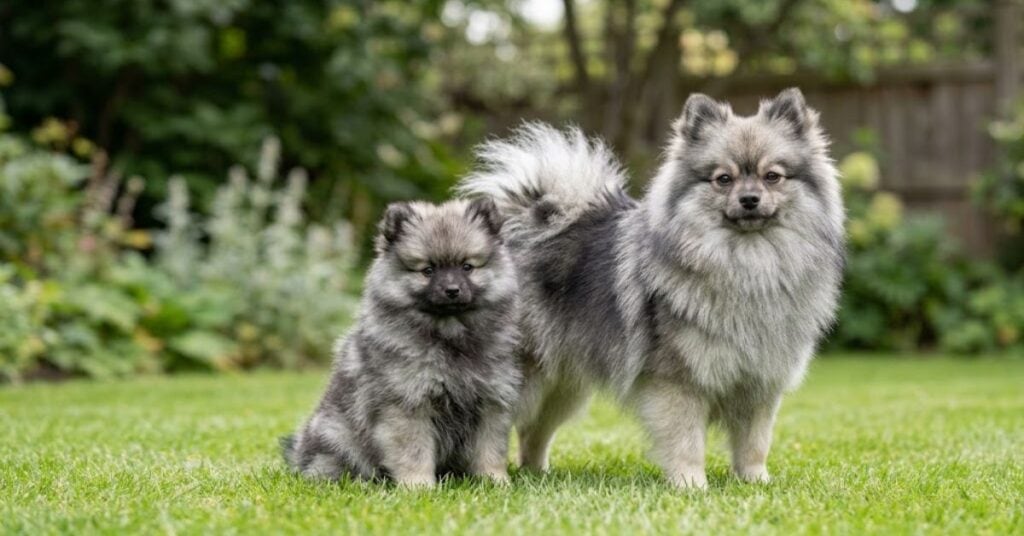
The Wolf Sable Pomeranian gets its unusual appearance from genes that influence pigment distribution and hair pattern. Dog coat genetics are complex, so breeders should avoid making promises based only on the visible color of two parents.
The Agouti locus plays an important role in sable patterns. According to the American Pomeranian Club, wolf sable is associated with the aw wolf sable allele. This pattern helps create black-tipped hairs over a lighter background. Other genetic locations can also affect whether and how the pattern appears. (APC Main)
That is why visual identification has limits. Two dogs may look similar while carrying different genetic combinations. A heavily shaded orange sable, for example, may appear much darker than expected and could be mistaken for wolf sable.
Hair itself also helps explain the appearance. The dense undercoat provides the lighter background, while longer guard hairs create darker shading. When those hairs contain bands of pigment and dark tips, the result can look gray, silver, charcoal, or wolf-like.
The amount of dark shading can vary. One wolf sable Pomeranian may look pale and silvery, while another appears darker. Coat changes during puppy development and seasonal shedding can also alter how clearly the pattern shows.
Responsible breeders should focus on more than color genetics. Health testing, sound structure, temperament, family history, and responsible breeding practices matter more than producing a rare-looking puppy.
Why Color Genetics Matter
- They improve identification: DNA information can help distinguish similar-looking sable patterns.
- They explain variation: Puppies can inherit combinations that do not look exactly like either parent.
- They support informed breeding: Breeders can better understand possible coat outcomes.
- They reduce guesswork: Appearance alone does not always reveal genotype.
- They should never replace health testing: A rare color does not prove a puppy is healthy.
Do not pay a high premium simply because someone labels a puppy “rare wolf sable.” Ask for health information, pedigree details, and honest documentation.
Wolf Sable Pomeranian vs Other Sable Colors
The Wolf Sable Pomeranian can easily be confused with orange sable, cream sable, red sable, and other heavily shaded Pomeranians. Understanding the difference can help owners describe their dogs more accurately.
An orange sable usually has a warmer orange or tan base with darker guard hairs and black tipping. A red sable has a richer reddish base. A cream sable has a pale cream background with darker shading.
Wolf sable generally creates a cooler-looking effect. The traditional description includes a light gray undercoat with deeper steel-gray guard hairs ending in black tipping. The overall appearance should look gray rather than orange or red.
A heavily shaded sable can sometimes appear gray in photographs. Indoor lighting can add warm or cool tones, while sunlight may make individual hair colors more visible. For that reason, photographs should not serve as the only method of color identification.
| Pomeranian Color | Main Base Appearance | Dark Shading | Common Overall Look |
| Wolf Sable | Light gray or silver-gray | Steel-gray guard hairs with black tips | Cool gray, silver, wolf-like |
| Orange Sable | Light tan or orange | Black tipping | Warm orange with dark shading |
| Red Sable | Reddish base | Black-tipped hairs | Deep red with dark overlay |
| Cream Sable | Cream or pale base | Darker sable shading | Light cream with darker tips |
The coat can look different after grooming, during shedding, or as a puppy matures. A freshly brushed double coat may look lighter because more undercoat becomes visible. A coat with packed or loose guard hairs can look darker.
This is also why careful grooming helps owners appreciate the natural color. You can explore more coat-care ideas in ChihuahuaNest.com’s guide to Pomeranian Hairstyles.
The most important point is simple: color names should describe the dog, not increase its value beyond reason. Health and temperament always deserve greater attention.
Wolf Sable Pomeranian Grooming and Coat Care
A Wolf Sable Pomeranian has a thick double coat, so regular grooming is essential. The breed’s coat includes a dense undercoat and longer guard hairs. These layers work together to create the fluffy appearance and visible sable pattern.
The American Kennel Club recommends regular brushing for Pomeranians and advises brushing through the coat down toward the skin to help prevent mats.
AKC guidance also recommends professional grooming every four to six weeks for owners who cannot comfortably manage complete grooming at home.
Start by using gentle, controlled brushing. A pin brush can help work through longer hair, while a slicker brush can remove loose hair. Always avoid pulling hard on knots.
Line brushing can be especially useful for a thick Pom coat. Separate the fur into small sections, hold the section gently, and brush from the lower hair outward. This helps you reach the undercoat instead of only smoothing the surface.
Never ignore areas where mats commonly form. Check behind the ears, under the front legs, around the collar area, beneath the tail, and on the hindquarters.
Avoid shaving the coat simply to reduce shedding or make summer care easier. The Pomeranian’s double coat has an important structure, and improper clipping or over-trimming can affect its natural appearance and make coat maintenance more complicated.
| Care Task | Recommended Routine | What to Check |
| Brushing | Several times weekly | Loose hair, tangles, mats |
| Line brushing | Weekly or during heavy shedding | Dense undercoat |
| Teeth cleaning | Regular routine | Plaque and gum changes |
| Nail check | Weekly | Overgrowth and sharp edges |
| Ear check | Weekly | Odor, redness, debris |
| Bath and full groom | As needed, often every 4–6 weeks | Skin and coat condition |
For another detailed color-specific guide, see Black Pomeranian.
A Practical Wolf Sable Pomeranian Care Schedule
A Wolf Sable Pomeranian stays healthiest when owners follow a consistent routine. Small tasks done regularly are easier than waiting until the coat becomes matted or a minor problem becomes more serious.
Here is a simple ChihuahuaNest Wolf Sable Care Framework that you can follow.
Daily Care
Check your dog’s eyes, energy level, appetite, and water intake. Spend time playing, training, and building good habits. Short walks and supervised activity can help a Pomeranian use energy without overwhelming its small body.
Look over the coat quickly after outdoor time. Remove leaves, dirt, or anything caught in the fur.
Weekly Care
Brush deeply enough to reach the undercoat. Check behind the ears and under the legs for tangles. Inspect the nails, ears, teeth, and skin.
Use positive reinforcement during grooming. Offer calm praise and short breaks so your Pom learns that handling is safe.
Monthly Care
Review body condition and discuss concerns with your veterinarian when needed. Schedule professional grooming if you use a groomer.
Keep a simple record of changes. Note repeated itching, new bald areas, appetite changes, limping, unusual coughing, or behavior changes.
Wolf Sable Pomeranian Care Checklist:
- Brush the double coat regularly
- Check for mats before they tighten
- Inspect teeth and gums
- Keep nails at a safe length
- Check ears and skin
- Provide measured, complete nutrition
- Maintain regular exercise and play
- Use positive reinforcement training
- Keep veterinary visits up to date
- Track unusual health or behavior changes
This routine works as a prevention tool. You do not need to panic over every small change, but consistent observation helps you notice problems early.
Wolf Sable Pomeranian Feeding and Nutrition

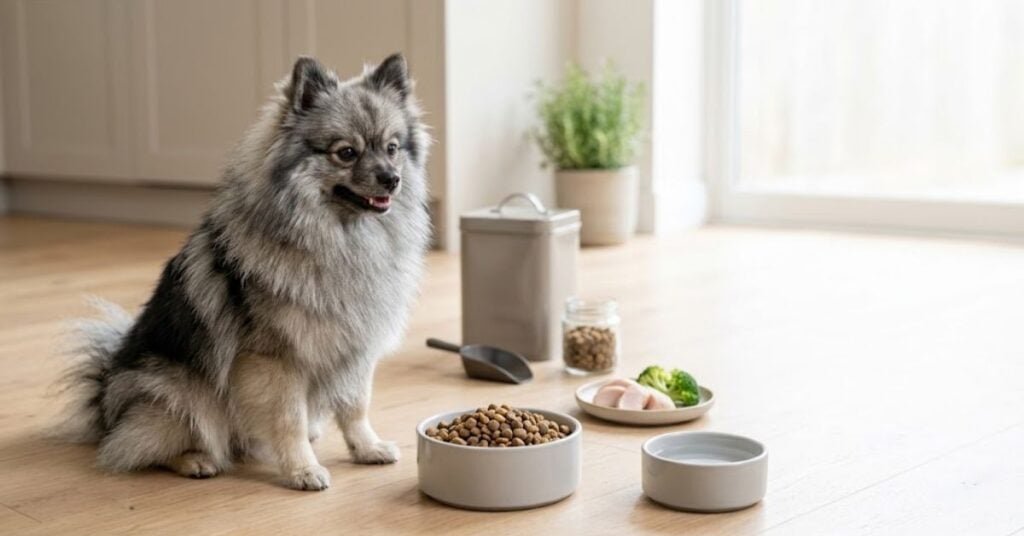
The Wolf Sable Pomeranian does not need a special diet because of its color. Its nutritional needs are the same as those of other healthy Pomeranians with similar age, body condition, and activity level.
Choose a complete and balanced dog food appropriate for your dog’s life stage. Puppies, adults, and seniors can have different nutritional needs. Portion size also matters because Pomeranians are very small dogs.
Avoid feeding by guesswork. The amount listed on a food package provides a starting point, but every dog’s calorie needs can differ. Age, activity, metabolism, neuter status, and treats can affect the correct amount.
Protein supports normal body functions and helps maintain lean tissue. Dietary fat provides energy and supports several important body processes. Essential vitamins and minerals must also remain properly balanced.
Do not assume that expensive food automatically suits your dog. Watch your Pomeranian’s body condition, stool quality, appetite, energy, and veterinary health.
Treats should stay controlled. Tiny dogs can consume too many calories quickly when owners repeatedly offer small snacks.
Fresh water should always be available.
It also highlights the importance of regular dental care and weekly grooming, including attention to the breed’s teeth.
Watch for sudden refusal to eat, repeated vomiting, ongoing diarrhea, major weight changes, or difficulty chewing. These problems deserve veterinary advice rather than random food changes.
If you are comparing food choices, ChihuahuaNest.com also offers dog food reviews, including Acana Dog Food Reviews.
Wolf Sable Pomeranian Health Concerns and Monitoring
A Wolf Sable Pomeranian does not automatically have health problems because of its wolf sable coat. The color itself should not become the main focus when evaluating a dog’s health.
Pomeranians can still face breed-related health concerns. Owners should learn about issues associated with small dogs and discuss appropriate screening and preventive care with a veterinarian.
Dental disease deserves close attention because small dogs often have crowded mouths. Regular tooth brushing and professional dental care when recommended can support oral health.
Patellar luxation, where the kneecap moves out of its normal position, can affect small breeds. Watch for repeated hopping, sudden lifting of a leg, or signs of discomfort.
Some Pomeranians may also experience a collapsing trachea or other respiratory concerns. Repeated coughing, breathing difficulty, or exercise intolerance should never be ignored.
A thick coat can also hide skin changes. Regular hands-on checks can help you notice irritation, sores, lumps, parasites, or unusual hair loss.
ChihuahuaNest Pom Health Monitoring Scale
Green – Continue normal care
- Normal appetite
- Normal energy
- Healthy-looking skin
- Comfortable movement
- Normal bathroom habits
Yellow – Monitor closely
- Mild repeated scratching
- Small coat changes
- Occasional limping
- Reduced appetite
- New behavior changes
Red – Contact a veterinarian promptly
- Difficulty breathing
- Repeated vomiting
- Severe diarrhea
- Sudden weakness
- Severe pain
- Collapse or inability to stand
This scale does not diagnose disease. It simply helps owners decide when a change may need more attention.
For broader breed information and lifestyle considerations, the American Kennel Club’s Pomeranian guidance emphasizes early training, regular grooming, exercise, and close supervision because of the breed’s small size and active nature. (American Kennel Club)
Training and Exercise for a Wolf Sable Pomeranian
A Wolf Sable Pomeranian may look like a tiny fluffy ornament, but this breed needs mental and physical activity. Coat color does not change its need for training.
Start early with positive reinforcement. Reward the behavior you want to see with praise, play, or suitable rewards. Avoid harsh methods that can create fear or damage trust.
Focus first on practical skills. Teach your puppy to respond to its name, come when called, walk calmly on a leash, accept grooming, and settle quietly.
Socialization should introduce the puppy to normal experiences gradually and safely. Calm exposure to different sounds, surfaces, people, and friendly animals can help build confidence.
Pomeranians enjoy short walks, games, and interactive training. Their small size means they usually do not need extreme exercise, but they still need daily activity.
Supervise outdoor time carefully. Pomeranians are small enough to fit through surprisingly narrow spaces. Check fences and keep your dog secure.
Mental exercise matters too. Simple food puzzles, short obedience sessions, hide-and-seek games, and trick training can keep a bright Pom engaged.
Do not let the beautiful Wolf Sable Pomeranian coat distract you from basic manners. A well-trained dog is easier to groom, safer around visitors, and more enjoyable to live with.
Consistency matters more than long sessions. Five minutes of focused training can be more useful than a long session when the dog has lost interest.
Choosing a Healthy Wolf Sable Pomeranian Puppy
If you want a Wolf Sable Pomeranian puppy, start with health and responsible breeding instead of searching only for the rarest shade.
Ask the breeder about the puppy’s parents, health testing, veterinary records, and family history. A responsible breeder should be willing to discuss the dog’s care and answer reasonable questions.
Be cautious when someone makes dramatic claims such as “the rarest wolf sable in the world” without evidence. Rare color marketing can increase prices while providing little information about health or quality.
Ask whether the breeder has evidence supporting the wolf sable color. Pedigree information and appropriate genetic testing can provide more useful information than a label on a sales advertisement.
Meet the puppy in a clean, safe environment when possible. Look for normal movement, alert behavior, clean living conditions, and opportunities for proper socialization.
Do not expect a very young puppy to look exactly like its future adult self. Pomeranian coats can change significantly during growth.
A good breeder should also care about where the puppy goes. Responsible placement means discussing the dog’s needs, grooming commitment, training, and lifelong costs.
Before bringing home a puppy, prepare your home with a safe sleeping space, appropriately sized supplies, a grooming routine, and a veterinary plan.
Color can make you fall in love with a puppy, but responsible care will determine whether that puppy has the best chance for a healthy life.
You may also find ChihuahuaNest.com’s Tan Pomeranian guide helpful when comparing different Pomeranian coat appearances.
Common Wolf Sable Pomeranian Care Mistakes
The biggest mistake with a Wolf Sable Pomeranian is focusing so much on the unusual color that basic care gets ignored.
Do not buy a puppy based only on photographs. Lighting can make coats look more silver, gray, or black than they really are.
Do not assume every gray sable is genetically a wolf sable. Ask for reliable information if exact color genetics matter to you.
Avoid choosing a breeder based only on a low price or a “rare color” advertisement. Health, temperament, responsible breeding, and proper puppy care matter more.
Do not skip brushing because the coat looks fine on the surface. Mats often begin deep in the undercoat where owners cannot easily see them.
Avoid rough brushing. Pulling through tangles can hurt the dog and make future grooming stressful.
Do not use human shampoos or random grooming products without checking whether they suit dogs. Products should match canine skin and coat needs.
Avoid overfeeding. A few extra treats can matter significantly for a tiny dog.
Do not wait too long when you notice serious symptoms. Breathing difficulty, collapse, severe pain, or major illness signs need professional attention.
Finally, do not treat coat color as a measure of personality. A wolf sable Pom can be playful, bold, affectionate, independent, or sensitive, just like Pomeranians of other colors.
Conclusion
The Wolf Sable Pomeranian stands out because of its beautiful mix of gray, silver, steel-gray, and black-tipped hairs. A true wolf sable pattern is associated with the aw Agouti allele and can include lighter spectacle-like markings around the eyes, but appearance alone does not always confirm genetics.
Whether your Pomeranian is wolf sable, orange sable, cream sable, or another color, the most important care needs remain the same. Regular grooming protects the thick double coat, measured nutrition supports a healthy body, training builds good habits, and routine health monitoring helps you notice changes early.
Brush deeply enough to check the undercoat, keep nails and teeth under control, and make grooming a positive experience. Give your Pom daily activity and mental stimulation, but remember that this is a very small dog that needs safe supervision.
If you plan to buy a wolf sable puppy, look beyond the color. Ask questions about health, breeding practices, temperament, and family history. A rare-looking coat should be a bonus, never the only reason to choose a dog.
With consistent care, patience, and responsible decisions, your Wolf Sable Pomeranian can be a beautiful, confident, and deeply loved companion.
Multimedia Placement Suggestions
- Featured Image: Directly below the title — a healthy adult Wolf Sable Pomeranian showing the full gray and black-tipped double coat.
- Grooming Flowchart / Infographic: After the grooming section — “Brush → Check Undercoat → Remove Tangles → Inspect Skin → Finish.”
- Comparison Graphic: After the sable colors section — Wolf Sable vs Orange Sable vs Red Sable vs Cream Sable.
- Before & After Image: In the grooming section — properly brushed coat before and after line brushing.
- YouTube Video/Thumbnail: Before the FAQ section — “How to Brush a Thick Pomeranian Double Coat.”
- Pinterest Image: Tall vertical design featuring “7 Things to Know About a Wolf Sable Pomeranian.”
Frequently Asked Questions
Is a Wolf Sable Pomeranian rare?
Wolf sable is less commonly seen than many familiar Pomeranian colors. However, rarity can depend on breeding lines and location. Do not judge a dog’s quality by rarity alone. Health, temperament, responsible breeding, and proper care are much more important when choosing a Pomeranian.
What color is a true Wolf Sable Pomeranian?
A true wolf sable typically has a light gray undercoat with darker steel-gray guard hairs that end in black tips. The overall appearance is cooler and grayer than orange or red sable. Lighter spectacle-like areas around the eyes can also help identify the traditional wolf sable pattern.
Do Wolf Sable Pomeranian puppies change color?
Yes. Pomeranian puppies can look different as their adult coat develops. Puppy fur, shedding, undercoat growth, and adult guard hairs can all change the visible amount of shading. A puppy’s final adult appearance may not match its earliest photographs exactly.
Does a Wolf Sable Pomeranian need special grooming?
No special grooming exists only because of the color. However, every Pomeranian has a thick double coat that needs regular care. Brush through the coat to prevent mats, check the undercoat, and keep grooming gentle. Professional grooming can help owners maintain the coat properly.
Are Wolf Sable Pomeranians healthy dogs?
Coat color alone does not determine whether a Pomeranian is healthy. Health depends on genetics, breeding practices, nutrition, preventive veterinary care, weight management, dental care, and daily lifestyle. Choose puppies from responsible breeders and keep regular veterinary appointments throughout the dog’s life.
Tags
Wolf Sable Pomeranian, Pomeranian Colors, Sable Pomeranian, Gray Pomeranian, Pomeranian Genetics, Pomeranian Grooming, Pomeranian Care, Small Dog Breeds, Dog Coat Colors
Social Media Caption
Meet the stunning Wolf Sable Pomeranian! 🐺🐾 Learn about its unique gray coat, wolf sable genetics, grooming needs, health care, and how to tell this beautiful color apart from other sable Pomeranians. #WolfSablePomeranian #Pomeranian #PomeranianLove #DogCare #DogGrooming #SmallDogs