
Introduction
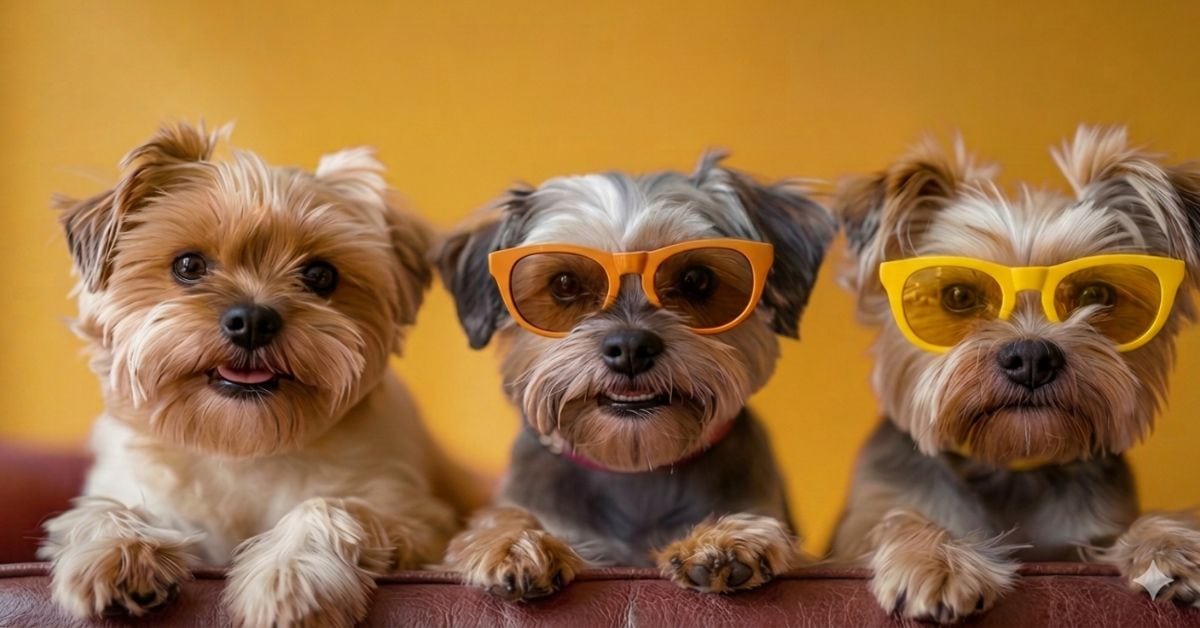
Yorkie poo puppies are one of the most loved small designer dogs today. They are cute, playful, and full of energy. Many families choose yorkie poo puppies because they fit well in small homes, apartments, and family spaces. These puppies bring both beauty and intelligence into one small package.
Yorkie poo puppies come from crossing a Yorkshire Terrier with a Toy Poodle or Miniature Poodle. This mix creates a smart, loving, and easy-to-train dog. Their soft coat, small body, and friendly nature make them very popular among dog lovers.
Many people like yorkie poo puppies because they shed less than many other dogs. They also enjoy human attention and love spending time with their owners. They stay active, alert, and playful through most of their life. Their size also makes them easy for first-time dog owners to handle.
These puppies can have different coat colors like black, brown, cream, apricot, silver, and mixed shades. Their looks may change depending on which parent breed they follow more. Some have curly coats like Poodles, while others have silky hair like Yorkies. Adult Yorkiepoos are commonly around 7–15 inches tall and 3–15 pounds.
In this complete guide, you will learn everything about Yorkie puppies. We will cover size, personality, feeding, grooming, training, health, and buying tips. This guide will help you decide if this adorable puppy is the right choice for your home.
Yorkie Poo Puppies Appearance and Physical Features
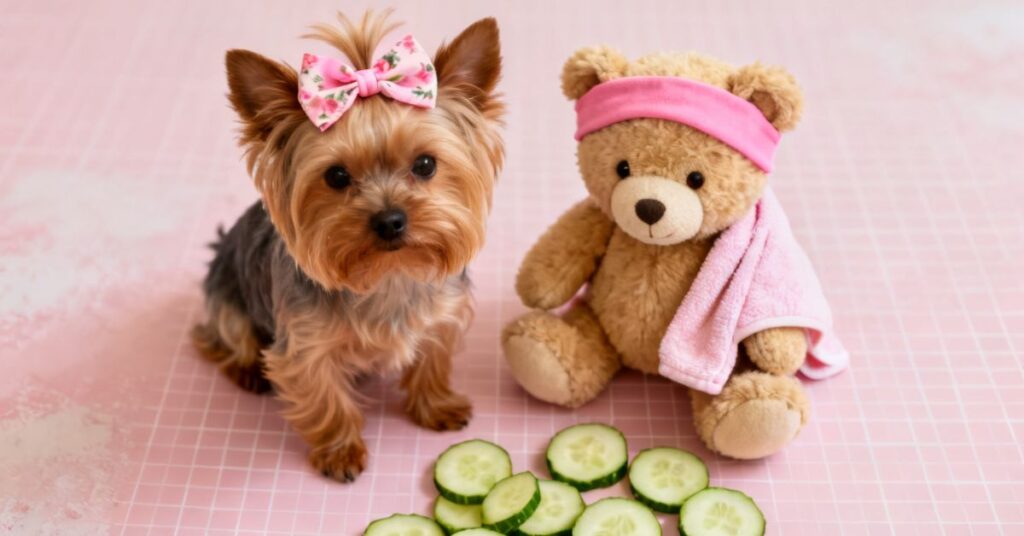
Yorkie poo puppies look like tiny teddy bears with soft coats and bright eyes. Their small body and cute faces make them very attractive. Many people fall in love with yorkie poo puppies at first sight because of their charming appearance.
Their body size stays small, which makes them ideal for indoor living. Most yorkie poo puppies grow into small adult dogs. They usually stand between 7 and 15 inches tall and weigh around 3 to 15 pounds, depending on the parent size.
Their coat can be straight, wavy, or curly. Some puppies look more like a Yorkshire Terrier, while others look more like a Poodle. Their fur feels soft and often gives them a fluffy teddy bear look.
Common coat colors include:
- Black
- Brown
- Cream
- White
- Silver
- Apricot
- Golden
- Chocolate
- Red
- Mixed color patterns
Common Colors
Their ears may stand up or stay floppy. Many yorkie poo puppies have fluffy ears covered with soft hair. Their eyes are usually dark, round, and full of expression. Their small nose and short face make them look even cuter.
Many owners choose yorkie poo puppies because they usually shed less. No dog is fully hypoallergenic, but these puppies can work better for some allergy-sensitive families because both parent breeds are low-shedding. (PetMD)
Their tail shape can also vary. Some have longer tails, while others may have shorter ones, depending on breeding.
Quick Size Table
| Feature | Average Size |
| Height | 7–15 inches |
| Weight | 3–15 pounds |
| Lifespan | 10–15 years |
| Coat Type | Straight, Wavy, Curly |
| Shedding | Low |
The beauty of yorkie poo puppies comes from their mixed breed charm. Each puppy looks a little different, which makes every one of them special.
Yorkie Poo Puppies Personality and Temperament
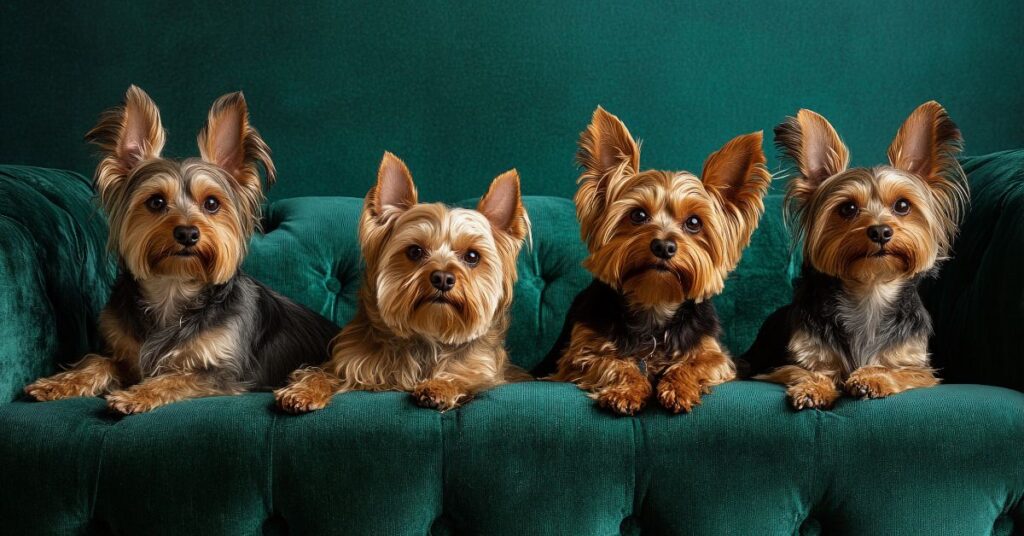
Yorkie poo puppies have a happy and loving personality. They stay playful, smart, and full of energy. Many families choose yorkie poo puppies because they bring joy and excitement into the home. Their small size may look gentle, but their personality is often big and confident.
These puppies love human attention. They enjoy sitting near their owners, following them around the house, and joining family activities. Yorkie poo puppies do not like staying alone for long hours. They feel happiest when they stay close to people they trust.
Their parents’ breeding shapes their strong personality. The Yorkshire Terrier gives confidence and alertness, while the Poodle adds intelligence and quick learning. This mix creates a puppy that stays active, curious, and ready to explore.
Yorkie poo puppies usually get along well with children when families teach both the puppy and the child proper behavior. They also live well with other pets if owners start early socialization. A calm and friendly introduction helps them build trust.
These puppies stay alert and notice small sounds quickly. Many yorkie poo puppies bark when strangers come near the house. This habit makes them good little watchdogs, even though they are not guard dogs.
Common Personality Traits of Yorkie Poo Puppies
- Friendly and affectionate
- Smart and quick learners
- Playful and energetic
- Loyal to family members
- Alert and watchful
- Sometimes stubborn
- Can bark often
- Love attention and cuddles
- Enjoy indoor living
- Stay curious and active
Some yorkie poo puppies may show separation anxiety if owners leave them alone too often. They may bark, chew things, or become nervous. Regular training and a stable routine help reduce this problem.
Early training helps shape better behavior. Positive words, rewards, and patience work best with yorkie poo puppies. Harsh training can make them nervous or stubborn.
Their playful nature makes them great companions for singles, couples, seniors, and families. They adapt well to both apartments and houses because they do not need a large outdoor space.
Yorkie poo puppies also enjoy games like fetch, short walks, and puzzle toys. Mental activity keeps them happy because they are intelligent dogs.
Their loving and cheerful personality makes them easy to bond with. Many owners say yorkie poo puppies quickly become the heart of the family. They offer companionship, fun, and a strong emotional connection every day.
Yorkie Poo Puppies Size and Growth Stages
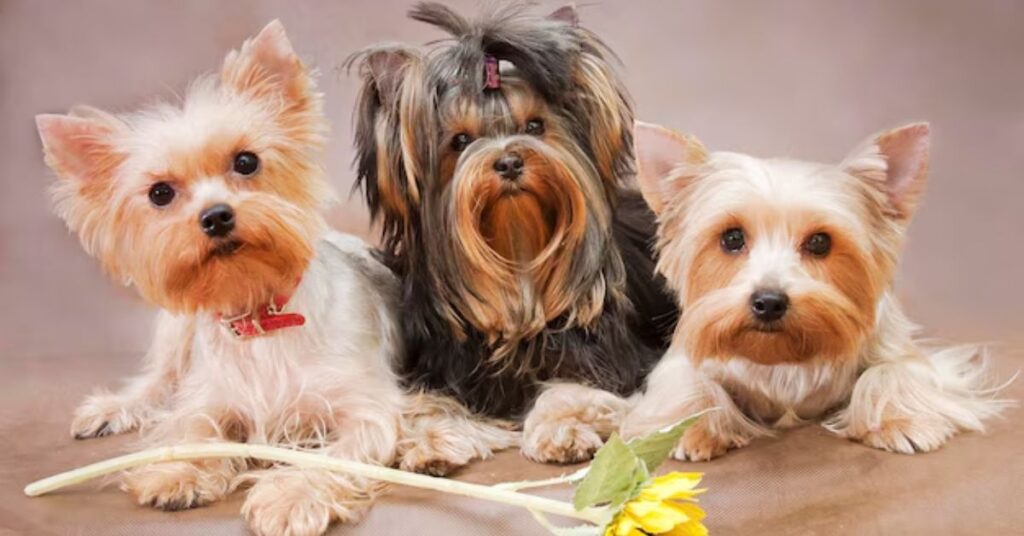
Yorkie poo puppies stay small, but their growth happens in clear stages. Many dog lovers choose yorkie poo puppies because they remain easy to manage even after they become adults. Their compact size makes them perfect for apartments, small homes, and families who prefer small companion dogs.
The final size of yorkie poo puppies depends on the size of the Poodle parent. If the breeder uses a Toy Poodle, the puppy usually stays smaller. If the breeder uses a Miniature Poodle, the puppy may grow a little bigger. The Yorkshire Terrier parent also affects the final body shape and size.
Most yorkie poo puppies weigh only a few pounds during the first weeks of life. They grow quickly during the first six months. Their body becomes stronger, their legs grow longer, and their coat becomes thicker. Many puppies reach most of their adult size by 6 to 8 months, but full maturity may take up to 12 months.
Adult yorkie poo puppies usually grow into dogs that stand between 7 and 15 inches tall and weigh around 3 to 15 pounds. Smaller bloodlines stay on the lower side, while larger mixes reach the higher range.
Growth Stages
- Birth to 8 weeks: Very small, fully dependent on mother
- 8 to 12 weeks: Ready for a new home and early training
- 3 to 6 months: Fast growth stage with teething and active play
- 6 to 8 months: Most body growth becomes visible
- 8 to 12 months: Full adult size and maturity develop
Nutrition plays a major role during these stages. Good puppy food helps support healthy bones, teeth, muscles, and brain growth. Owners should avoid overfeeding because extra weight can create joint problems later.
Exercise also supports healthy growth. Yorkie poo puppies need daily movement, but owners should avoid too much jumping during early months because their bones stay delicate.
Regular vet checkups help track healthy development. Vaccinations, weight checks, and health monitoring protect the puppy during growth.
Yorkie Poo Puppies Size Table
| Age Stage | Average Weight | Growth Focus |
| Newborn | Few ounces | Basic survival |
| 8 Weeks | 2–4 pounds | Social learning |
| 3 Months | 3–6 pounds | Fast body growth |
| 6 Months | 5–10 pounds | Strong bones and muscles |
| Adult | 3–15 pounds | Full maturity |
Each puppy grows at a slightly different speed, so owners should focus on healthy progress instead of exact numbers. Yorkie poo puppies may be small, but they grow into strong, active, and confident companions.
Feeding and Nutrition Guide for Yorkie Poo Puppies
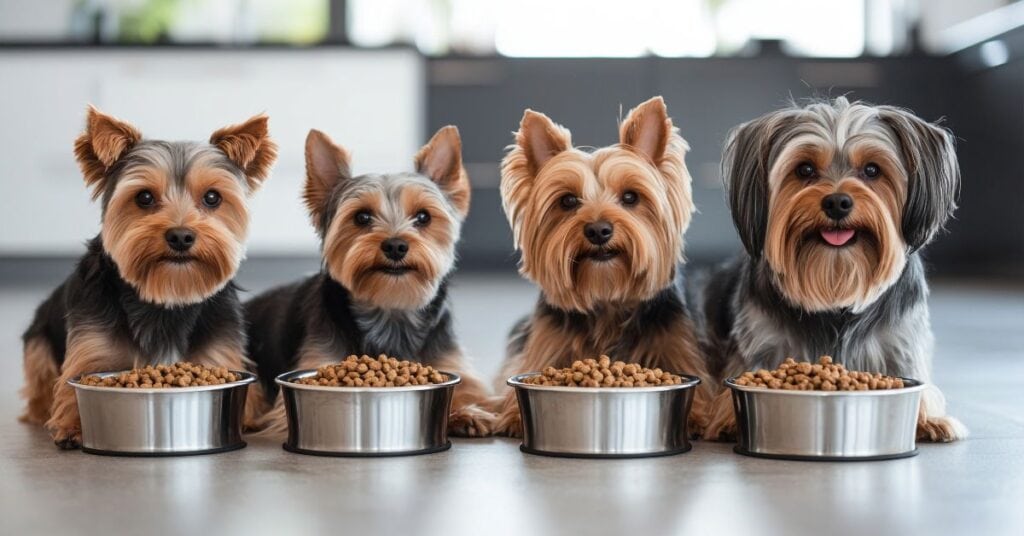
Yorkie poo puppies need healthy food to grow strong and stay active. Good nutrition supports their bones, muscles, teeth, brain, and immune system. Since yorkie poo puppies are small dogs, they need balanced meals with the right portion sizes. Poor feeding habits can lead to weak growth, stomach problems, and low energy.
During the first few weeks, yorkie poo puppies depend fully on their mother’s milk. After that, they slowly move to soft puppy food. By 8 weeks, most puppies are ready for solid food and can join their new homes.
Owners should choose high-quality puppy food made for small breeds. Small breed puppy food has the right size kibble and proper nutrition for tiny mouths and fast metabolism. Protein helps muscle growth, while healthy fats support brain development and coat health.
Yorkie poo puppies usually eat 3 to 4 small meals each day. Their stomachs are small, so they cannot handle large meals at one time. Regular feeding times help digestion and create a healthy routine.
Fresh water should stay available all day. Clean water helps digestion, body temperature control, and overall health.
Best Food Choices
- Small breed puppy kibble
- Soft wet puppy food
- Boiled chicken in small amounts
- Plain cooked rice for an upset stomach
- Cooked vegetables like carrots
- Puppy-safe fruits like apples without seeds
- Vet-approved puppy treats
Owners should avoid harmful foods that can cause serious health problems.
Foods You Should Never Eat
- Chocolate
- Grapes and raisins
- Onions and garlic
- Fried food
- Spicy food
- Bones that splinter
- Sugary snacks
- Caffeine
- Alcohol
- Xylitol sweetener
Overfeeding causes obesity, which creates stress on small joints and the heart. Owners should follow food labels and ask the vet for proper portion advice.
Feeding Schedule Table
| Age | Meals Per Day | Food Type |
| 6–8 Weeks | 4 Meals | Soft puppy food |
| 2–4 Months | 4 Meals | Puppy kibble + wet food |
| 4–6 Months | 3 Meals | Small breed puppy food |
| 6–12 Months | 2–3 Meals | Balanced puppy diet |
| Adult Stage | 2 Meals | Adult small breed food |
Treats should stay limited. Too many treats can cause bad habits and weight gain. Owners should use treats mainly for training rewards.
A healthy diet helps yorkie poo puppies live longer and feel better every day. Proper feeding builds a strong foundation for a happy, active, and healthy life.
Yorkie Poo Puppies Training and Socialization
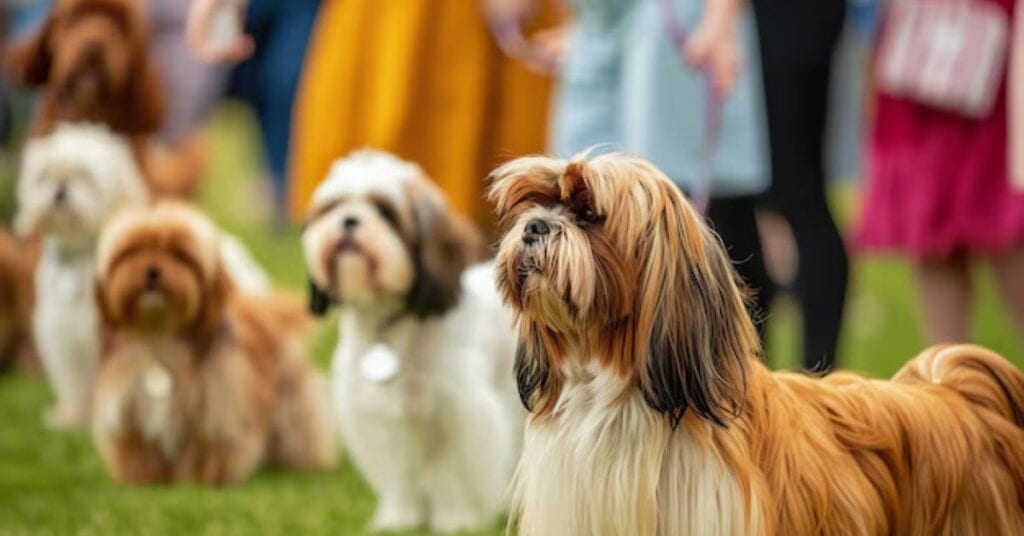
Yorkie poo puppies learn fast because they are smart and alert. Early training helps them grow into calm, friendly, and well-behaved dogs. Many owners choose yorkie poo puppies because they respond well to gentle teaching and enjoy learning new things.
Training should start as soon as the puppy comes home. Simple routines help the puppy understand house rules. Short training sessions work better because yorkie poo puppies have short attention spans. Daily practice builds better habits and stronger trust.
Potty training is one of the first important lessons. Owners should take the puppy outside after meals, naps, and playtime. Using the same potty spot helps the puppy learn faster. Praise and rewards make training more effective.
Crate training also helps with housebreaking and safety. A crate gives yorkie poo puppies a quiet place to rest and feel secure. Owners should make the crate comfortable and never use it for punishment.
Basic commands like sit, stay, come, and no should start early. These commands improve safety and daily behavior. Positive reinforcement works best. Treats, praise, and patience create better results than harsh correction.
Basic Training Goals for Yorkie Poo Puppies
- Potty training
- Crate training
- Name recognition
- Sit command
- Stay command
- Come when called
- Leash walking
- Stop excessive barking
- Gentle play behavior
- Visitor manners
Socialization is just as important as training. Yorkie poo puppies need positive experiences with people, sounds, places, and other animals. Early exposure helps reduce fear and nervous behavior later in life.
Owners should introduce new experiences slowly. Meeting friendly dogs, hearing normal household sounds, and visiting safe public places help build confidence. Puppies that receive early socialization usually become calmer adult dogs.
Some yorkie poo puppies bark too much because of excitement or fear. Training helps control this behavior. Owners should stay calm and teach quiet commands instead of shouting.
Leash training also matters because small dogs can become nervous outdoors. A soft harness often works better than a collar because it protects the neck.
Socialization Tips
- Introduce new people slowly
- Use positive rewards
- Keep first meetings calm
- Visit safe dog-friendly places
- Allow supervised play with gentle pets
- Build daily routines
- Avoid loud, scary experiences too early
Training takes time, but consistency brings success. Become excellent companions when owners guide them with patience and love. Good training creates trust, confidence, and a peaceful home.
Yorkie Poo Puppies Grooming and Coat Care
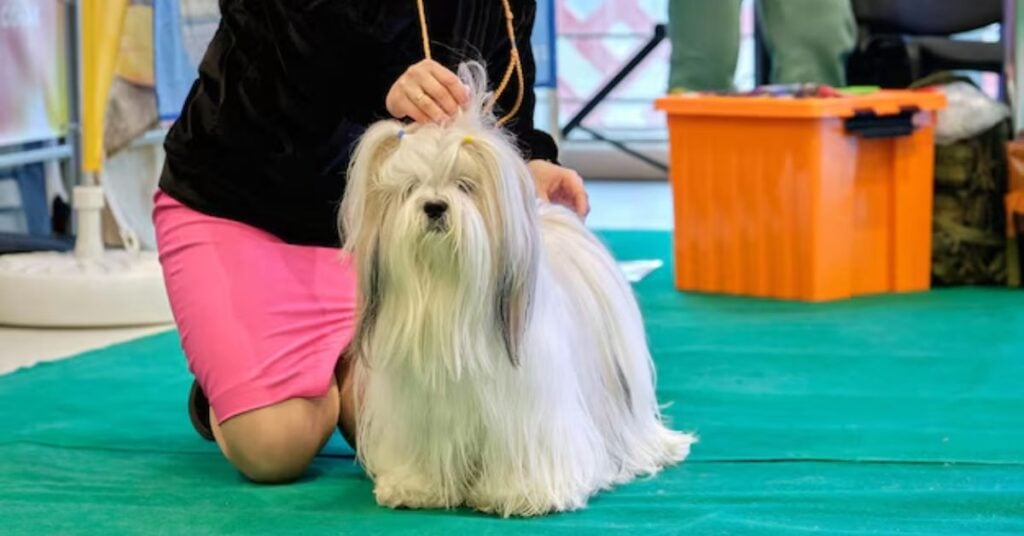
Yorkie poo puppies need regular grooming to stay clean, healthy, and comfortable. Their soft coat looks beautiful, but it also needs proper care. Many owners love yorkie poo puppies because of their fluffy teddy bear look, but that cute appearance requires regular brushing, bathing, and trimming.
The coat of yorkie poo puppies can be straight, wavy, or curly. Some puppies inherit more of the silky Yorkshire Terrier coat, while others have the curly Poodle coat. Curly coats usually need more brushing because they tangle faster.
Brushing should happen several times each week. Daily brushing works best for puppies with longer or curlier coats. Regular brushing removes loose hair, prevents mats, and keeps the coat soft and shiny.
Bathing should happen every 3 to 4 weeks or when the puppy gets dirty. Owners should use a gentle dog shampoo made for puppies. Human shampoo can irritate their sensitive skin.
Hair around the eyes, paws, and ears often needs extra attention. Trimming these areas helps the puppy stay clean and comfortable. Many owners visit a professional groomer every 6 to 8 weeks for proper trimming and shaping.
Basic Grooming Tasks
- Brush the coat several times weekly
- Bathe every 3 to 4 weeks
- Trim hair around eyes and paws
- Clean ears gently
- Brush teeth regularly
- Trim nails every few weeks
- Check skin for dryness or redness
- Keep bedding clean
Dental care is very important because small dogs often develop tooth problems. Owners should brush the puppy’s teeth with dog-safe toothpaste several times each week. Dental treats can also help support oral health.
Ear cleaning prevents infections, especially if the puppy has floppy ears. Owners should check for dirt, bad smell, or redness. A vet-approved ear cleaner works best.
Nail trimming should happen before nails grow too long. Long nails can cause pain while walking and may affect posture. If owners feel nervous, a groomer or vet can help.
Grooming Schedule Table
| Grooming Task | How Often |
| Brushing | 3–7 times weekly |
| Bathing | Every 3–4 weeks |
| Nail Trimming | Every 3–4 weeks |
| Ear Cleaning | Weekly |
| Teeth Brushing | 3–4 times weekly |
| Professional Grooming | Every 6–8 weeks |
Regular grooming also helps owners notice health problems early, such as skin infections, fleas, or lumps. This makes grooming both a beauty routine and a health check.
Yorkie puppies stay happiest when their coat feels clean and comfortable. Good grooming keeps them healthy, fresh, and looking adorable every day.
Yorkie Poo Puppies Exercise and Daily Activity Needs
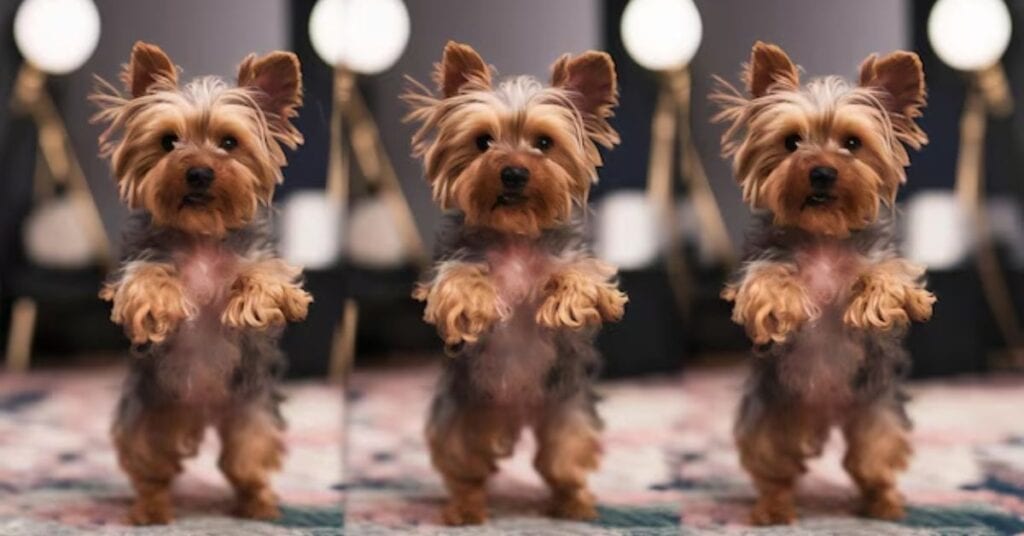
Yorkie poo puppies may be small, but they have a lot of energy. They need daily exercise to stay healthy, happy, and well-behaved. Regular activity helps yorkie poo puppies build strong muscles, maintain a healthy weight, and avoid boredom.
Many people think small dogs do not need much exercise, but Yorkie puppies still need daily movement and mental stimulation. Without enough activity, they may bark too much, chew furniture, or become restless.
Short walks work very well for these puppies. Two small walks each day often provide enough physical activity. Playtime inside the house also helps, especially for apartment living. Games like fetch, gentle tug toys, and hide-and-seek keep them active.
Mental exercise matters just as much as physical movement. Because they are smart, they enjoy puzzle toys, training games, and learning new commands. Mental work helps reduce stress and keeps the mind sharp.
Young puppies should not do heavy exercise. Their bones and joints are still developing, so owners should avoid long runs, high jumps, and rough play. Gentle movement works best during early growth stages.
Daily Activities
- Short morning walk
- Short evening walk
- Indoor play sessions
- Fetch with soft toys
- Puzzle toys for mental work
- Basic training practice
- Supervised social play
- Gentle leash walks
- Safe backyard play
- Family interaction time
Playtime also helps build a stronger bond between the puppy and the owner. Yorkie poo love attention and enjoy activities that include their family.
Owners should watch for signs of tiredness. Heavy breathing, slowing down, or lying down often means the puppy needs rest. Small dogs can become tired faster than larger breeds.
The weather also affects activity. Very hot days can be dangerous because small dogs overheat quickly. Cold weather may also require extra care because yorkie poo have small body and loses heat faster.
Exercise Routine Table
| Age Stage | Daily Exercise Time | Best Activities |
| 2–4 Months | 15–20 minutes | Gentle indoor play |
| 4–6 Months | 20–30 minutes | Short walks + play |
| 6–12 Months | 30–45 minutes | Walks + training games |
| Adult Stage | 30–60 minutes | Walks + active play |
Consistency creates better behavior. A daily routine helps feel safe and balanced. Exercise also reduces anxiety and improves sleep quality.
Yorkie poo do not need huge outdoor spaces, but they do need regular attention and movement. With proper exercise, they stay cheerful, healthy, and full of life every day.
Final Thoughts
Yorkie poo bring a lot of joy, love, and energy into a home. They stay small, but they offer a big personality. You get a smart, playful, and loyal companion when you raise it with proper care.
These puppies fit well in apartments, small houses, and family homes. They adapt quickly when you give them love, routine, and training. They also bond deeply with their owners and enjoy spending time with family members every day.
You should focus on early training, proper feeding, regular grooming, and daily exercise. These four areas shape a healthy and happy life. When you stay consistent, your puppy grows into a well-behaved and confident adult dog.
Yorkie poo puppies need attention and care, but they reward you with affection, loyalty, and companionship. They love playtime, enjoy cuddles, and always stay close to their humans. If you want a small dog with a big heart, make an excellent choice.
FAQs
1. How big do Yorkie puppies grow?
Yorkie poo puppies usually grow into dogs that weigh 3 to 15 pounds and stand about 7 to 15 inches tall.
2. Are yorkie poo good for families?
Yes, yorkie poo work well for families. They stay friendly, playful, and loving when you train them early.
3. Do Yorkie puppies shed a lot?
No, Yorkie puppies shed very little. Their coat comes from Poodle and Yorkie genetics, which reduces shedding.
4. How often should I feed Yorkie puppies?
You should feed Yorkie puppies 3 to 4 small meals daily when they are young, then reduce to 2 meals as adults.
5. Do yorkie poo bark a lot?
Yorkie poo can bark often if they feel excited or alert. Training helps control excessive barking.
6. Are Yorkie puppies easy to train?
Yes, Yorkie puppies learn quickly because they are intelligent, but they need patience and positive training methods.
7. How long do yorkie poo live?
Yorkie poo usually live around 10 to 15 years with proper care, diet, and regular vet visits.