

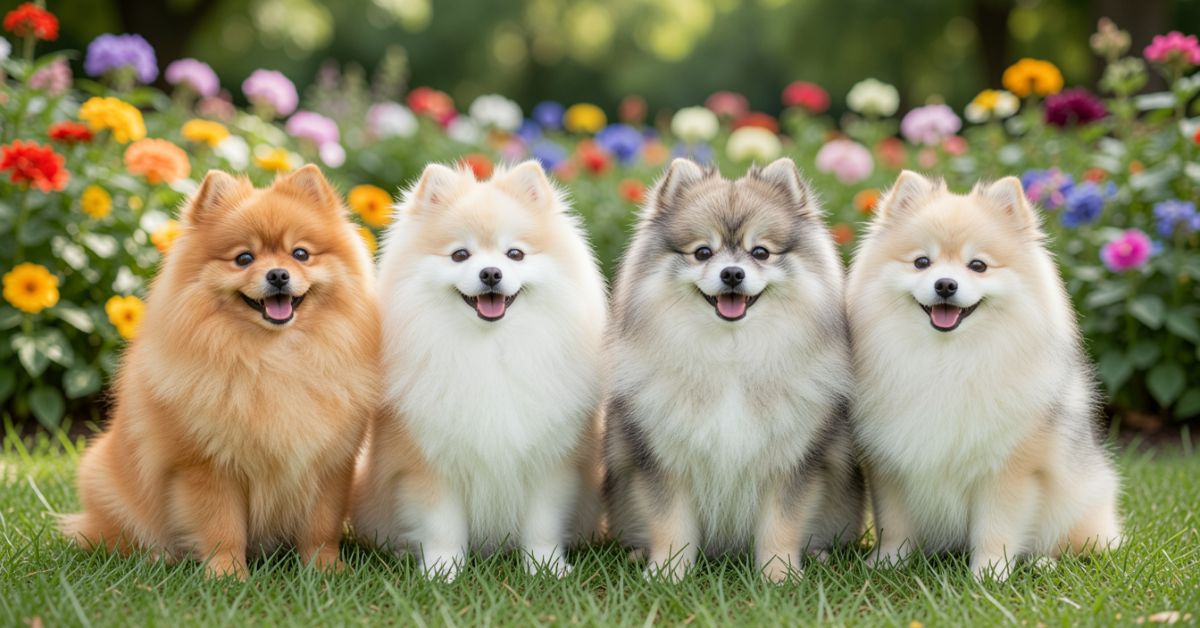
Pomeranian dog breeds rank among the most popular small dogs in the world. These fluffy dogs attract attention with their beautiful coats, fox-like faces, and energetic personalities. Many families choose Pomeranians because they adapt well to apartments and small homes. Despite their tiny size, they show confidence and courage.
Pomeranians belong to the Spitz family and descend from larger working dogs. Breeders gradually reduced their size over time. Today, these dogs weigh only 3 to 7 pounds and stand about 6 to 7 inches tall. They usually live between 12 and 16 years with proper care.
Many people love Pomeranian dog breeds because they combine beauty, intelligence, and loyalty. These dogs enjoy spending time with their owners and often form strong bonds with family members. They stay alert and often act like little watchdogs.
This guide covers everything you need to know about the Pomeranian dog. You will learn about their history, appearance, personality, grooming needs, health concerns, diet, training, and much more.
Pomeranian Dog Breeds History and Origin

Pomeranian dog breeds have a rich and interesting history. The breed takes its name from the Pomerania region, which lies between modern-day Germany and Poland.
Long ago, these dogs looked very different from the tiny companions we know today — a history also explored in our Pomeranian Husky Mix guide, which touches on the breed’s Spitz-type European roots.
Early Pomeranians came from larger Spitz-type dogs. These dogs worked as herders, sled pullers, and farm helpers. They weighed around 30 pounds or more. Breeders later selected smaller dogs and gradually created the toy-sized Pomeranian.
The breed became famous when Queen Victoria developed a strong interest in Pomeranians. She owned several dogs and preferred smaller sizes. Her influence encouraged breeders to reduce the breed’s size even further. As a result, modern Pomeranians became much smaller than their ancestors.
Today, the Pomeranian breed enjoys worldwide popularity. Dog lovers appreciate their charming appearance and lively nature. Many celebrities, royal families, and dog enthusiasts have owned Pomeranians throughout history.
Historical Facts About
- Originated in the Pomerania region
- Descended from larger Spitz dogs
- Originally worked as herding and sled dogs
- Became popular through Queen Victoria
- Evolved into a toy-sized companion breed
- Remain one of the most recognized small dog breeds
Pomeranian Dog Breeds: Appearance and Physical Characteristics

Pomeranian dog breeds stand out because of their luxurious double coats and compact bodies. Their fluffy appearance often makes them look larger than they actually are. For a closer look at the full range of coat colors and types, see our Breeds of Pomeranian guide.
Most Pomeranians weigh between 3 and 7 pounds. They have small erect ears, bright eyes, and a fox-like face. Their tails curl over their backs and create an elegant look. The thick coat around the neck forms a beautiful ruff that resembles a lion’s mane.
The breed comes in many colors. Owners can find orange, black, white, cream, brown, sable, blue, and several color combinations. The orange coat remains one of the most common and recognizable colors.
The double coat contains a dense undercoat and a longer outer coat. This coat helps protect the dog from weather changes. It also creates the fluffy appearance that attracts many dog lovers.
Pomeranian dog breeds maintain a sturdy body despite their small size. They move confidently and often carry themselves with pride. Their expressive faces and lively movements make them highly attractive companions.
Physical Features
- Weight: 3–7 pounds
- Height: 6–7 inches
- Double-layer coat
- Fox-like face
- Upright ears
- Curled tail
- Compact body
- Many coat color options
Pomeranian Size
| Feature | Average Size |
| Height | 6–7 inches |
| Weight | 3–7 pounds |
| Lifespan | 12–16 years |
| Breed Group | Toy Group |
Pomeranian Dog Breeds Temperament and to Personality

The Pomeranian dog breed carries huge personalities inside tiny bodies. These dogs often act much bigger than their actual size. They show confidence, curiosity, and enthusiasm in daily life, the same bold spirit covered in our Blue Merle Pomeranian guide.
Most Pomeranians love spending time with their owners. They enjoy attention and often become the center of family activities. Their playful nature helps them stay entertaining companions.
Pomeranians learn quickly because they possess strong intelligence. They enjoy interactive games and mental challenges. Owners who provide regular stimulation often see better behavior and stronger bonds.
Pomeranian dogs also make excellent watchdogs. They stay alert and quickly notice unusual sounds or visitors. Their protective instincts often lead to barking. Proper training helps control excessive barking.
Although they remain friendly with family members, they sometimes act reserved around strangers. Early socialization helps them become more comfortable in different situations.
Pomeranians often thrive in apartments because of their small size. However, they still need daily activity and attention. They dislike spending long periods alone.
Personality Traits
- Intelligent
- Loyal
- Alert
- Playful
- Confident
- Curious
- Energetic
- Protective
Pomeranian Dog Breeds Grooming Requirements

Pomeranian dog breeds require regular grooming to maintain healthy coats. Their thick double coat sheds throughout the year and needs consistent attention.
Owners should brush their Pomeranians several times each week. Regular brushing removes loose hair and prevents tangles. During heavy shedding seasons, daily brushing may work best.
Professional grooming every few weeks can help maintain the coat. Groomers often trim excess fur around the paws and sanitary areas while preserving the natural coat structure.
Experts strongly advise owners not to shave Pomeranians. The double coat helps regulate body temperature. Shaving may damage coat growth and affect the dog’s skin health.
Regular nail trimming also plays an important role. Long nails can affect movement and comfort. Owners should also clean ears and brush teeth frequently.
Good grooming not only improves appearance but also helps owners detect skin problems early.
Grooming Checklist
- Brush coat several times weekly
- Check for tangles and mats
- Trim nails regularly
- Clean ears gently
- Brush teeth daily
- Schedule professional grooming
- Avoid shaving the coat
- Monitor skin condition
Pomeranian Dog Breeds Exercise and Activity Needs
Many people assume that Pomeranian dog breeds need little exercise because of their small size. However, these dogs remain active and energetic.
Daily walks help maintain physical health and mental stimulation. Most Pomeranians enjoy short walks, indoor games, and play sessions with their owners.
Interactive toys provide additional mental challenges. Puzzle toys, fetch games, and training exercises help prevent boredom. A bored Pomeranian may develop unwanted behaviors such as excessive barking.
These dogs adapt well to apartment living. Their exercise needs remain moderate compared to larger breeds. Owners can easily meet activity requirements through consistent daily routines.
Regular exercise also helps maintain a healthy weight. Obesity can increase the risk of health problems in small breeds.
Best Activities for Pomeranian Dog Breeds
- Daily walks
- Indoor fetch games
- Puzzle toys
- Basic obedience training
- Hide-and-seek games
- Short outdoor adventures
- Social play sessions
Pomeranian Dog Breeds Health Problems and Lifespan
Pomeranian dog breeds generally enjoy long lives. Many dogs live between 12 and 16 years when owners provide proper care.
Despite their overall good health, Pomeranians can develop certain medical conditions. Patellar luxation remains one of the most common issues. This condition affects the kneecap and may cause limping or hopping movements.
Some Pomeranians experience coat and skin conditions such as Alopecia X. This condition can lead to hair loss and dark skin patches.
Dental care also requires attention. Small breeds often face dental issues if owners neglect oral hygiene. Regular brushing helps reduce risks.
Routine veterinary visits play a major role in maintaining health. Vaccinations, dental checks, and wellness exams support long-term well-being.
Common Health Problems
- Patellar luxation
- Dental disease
- Alopecia X
- Skin issues
- Tracheal collapse
- Obesity
- Eye problems
Health Overview Table
| Health Issue | Common Level |
| Patellar Luxation | Moderate |
| Dental Disease | High |
| Skin Problems | Moderate |
| Obesity | Moderate |
| Tracheal Issues | Moderate |
Pomeranian Dog Breeds Diet and Nutrition

Pomeranian dogs need balanced nutrition to stay healthy. Their small bodies require nutrient-rich food rather than large portions.
Owners should choose high-quality dog food that contains protein, healthy fats, vitamins, and minerals. Proper nutrition supports coat health, muscle development, and overall energy.
Portion control remains important. Overfeeding can quickly lead to obesity because Pomeranians require fewer calories than larger dogs.
Fresh water should remain available throughout the day. Owners should also limit treats and avoid feeding harmful human foods.
A veterinarian can recommend the best diet based on age, activity level, and health conditions.
Nutrition Tips for a Pomeranian Dog
- Feed high-quality dog food
- Monitor portion sizes
- Provide fresh water daily
- Limit unhealthy treats
- Support dental health with proper food
- Adjust diet according to age
- Consult a veterinarian when needed
Pomeranian Dog Breeds Training and Socialization

Pomeranian dog breeds respond well to training when owners use positive methods. Their intelligence allows them to learn commands quickly.
Without consistent boundaries, however, Pomeranians can develop “Small Dog Syndrome,” a behavioral pattern explained in detail in our Breeds of Pomeranian guide.
Training should begin at an early age. Puppies absorb lessons more easily and develop better habits. Consistency helps achieve the best results.
Socialization also plays a critical role. Exposure to people, animals, sounds, and environments helps build confidence. Well-socialized Pomeranians usually behave better in public settings.
Positive reinforcement works best. Owners can reward good behavior with praise, treats, and affection.
Because Pomeranians often bark at unfamiliar sounds, early training helps reduce excessive barking.
Training Tips for Pomeranian Breeds
- Start training early
- Use positive reinforcement
- Keep sessions short
- Reward good behavior
- Socialize regularly
- Teach basic commands
- Address barking early
Pomeranian Dog Breeds as Family Pets

Pomeranian dog breeds fit many family situations. Singles, couples, seniors, and families often enjoy life with these energetic companions.
These dogs build strong bonds with owners and enjoy family activities. Their small size makes them suitable for apartments and smaller homes.
Families with young children should supervise interactions carefully. Pomeranians have delicate bodies and can get injured during rough play. (BreedFinder)
Many owners appreciate their loyalty, intelligence, and entertaining personalities. With proper training and socialization, they become wonderful companions.
Reasons Families Love
- Small and portable size
- Loyal personality
- Long lifespan
- Adapt well to apartments
- Intelligent and trainable
- Attractive appearance
- Strong family bonds
Conclusion
Pomeranian dog breeds offer a wonderful combination of beauty, intelligence, and companionship. Their fluffy coats, lively personalities, and loyal nature make them one of the most loved toy breeds in the world. These dogs thrive when owners provide proper grooming, training, exercise, and healthcare.
If you want a small dog with a big personality, Pomeranian dogs can be excellent companions. With the right care, they can bring joy, energy, and affection to your family for many years.
FAQs
Are Pomeranian dog breeds good family pets?
Yes. Pomeranians make excellent family pets when owners provide proper training, supervision, and socialization.
How long do Pomeranian dog breeds live?
Most Pomeranians live between 12 and 16 years with proper care.
Do Pomeranian dog breeds shed a lot?
Yes. Their thick double coat sheds regularly and requires frequent brushing.
Are Pomeranian dog breeds easy to train?
Yes. They learn quickly and respond well to positive reinforcement methods.
How much exercise do Pomeranian dog breeds need?
They need daily walks and regular play sessions to stay healthy and happy.
Can Pomeranian dog breeds live in apartments?
Yes. Their small size and moderate exercise needs make them excellent apartment dogs.
Do Pomeranian dog breeds bark a lot?
They can bark frequently because they stay alert and protective. Early training helps manage excessive barking.