

Quick Answer
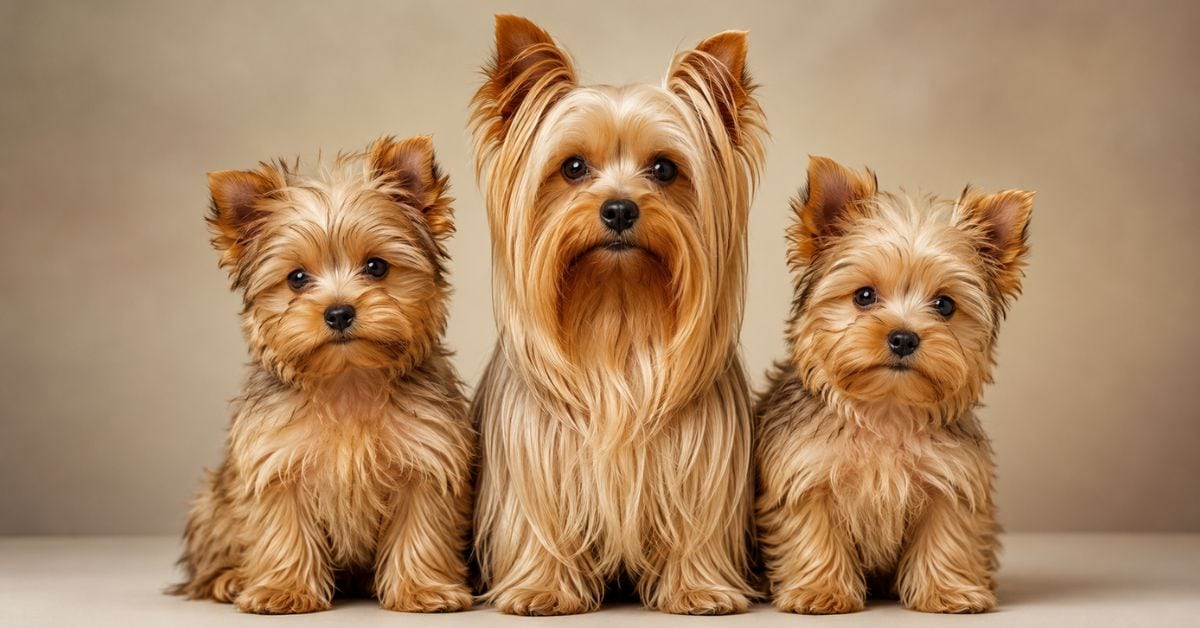
A Golden Yorkshire Terrier has a warm golden or blonde coat instead of the traditional blue-and-tan pattern. This color comes from genetic variations affecting pigment distribution.
Golden Yorkies need the same grooming, nutrition, and health care as standard Yorkies, with extra attention to coat maintenance to keep the golden shade bright and healthy.
Author: Gulnaz Malik
Role: Publisher & Pet Care Expert
Experience: 5+ Years in Dog Care & Dog Grooming
Content Review: Veterinary-reviewed content approach based on trusted canine care resources and practical pet care experience.
Introduction
If you have ever seen a Yorkshire Terrier with a warm, honey-toned coat instead of the classic blue and tan pattern, you have likely spotted a Golden Yorkshire Terrier.
This striking coat color variation has become increasingly popular among dog lovers who want a Yorkie with a unique look. But golden coloring raises real questions for owners: Is it a recognized color? Does it affect health? Does grooming change?
This guide explains everything you need to know about the Golden Yorkshire Terrier, from the genetics behind the coat color to daily grooming, feeding, and health care.
Whether you already own a golden-coated Yorkie or you are considering bringing one home, you will learn how this coat color develops, how it compares to standard Yorkie colors, and what practical steps keep your dog healthy and looking his best. By the end, you will have a complete, expert-backed picture of what makes this coat color special and how to care for it correctly.
What Is a Golden Yorkshire Terrier?

A Golden Yorkshire Terrier is not a separate breed. It is a standard Yorkshire Terrier with a coat that leans toward a golden, honey, or blonde shade rather than the traditional steel-blue and rich tan combination recognized by breed standards.
The golden tone can appear throughout the coat or be more pronounced in certain areas, such as the legs, face, and ears.
It’s considered a variation rather than a fault, though it does fall outside the AKC’s official breed standard, which calls for a steel-blue and tan coat.
Purebred golden-coated Yorkies still carry the same build, silky texture, and confident personality the breed is known for, and they still stay under seven pounds as adults.
Breeders sometimes market these dogs as “golden Yorkies” or “blonde Yorkies” because the warmer tone photographs so well, but there’s no separate registry category for them; they’re still Yorkshire Terriers on paper.
If you’re weighing a golden-coated puppy against a traditional one, our Yorkshire Terrier for sale guide covers what to look for in a breeder either way.
It is worth noting that puppies of this breed are often born darker and lighten with age, a natural process explained further in the next section.
A true golden coat usually becomes clear by twelve to eighteen months, once the adult coat fully develops. Understanding this timeline helps owners avoid confusion when a puppy’s coloring shifts dramatically during the first year.
What Causes the Golden or Blonde Yorkie Coat Color?

The golden or blonde coat in Yorkshire Terriers comes down to genetics, specifically how pigment genes control the distribution of black (eumelanin) and red or gold (phaeomelanin) pigment in the hair shaft.
Standard Yorkies carry genes that produce the classic blue-and-tan combination, where puppy black fades to steel-blue and tan areas darken to a rich mahogany.
In golden or blonde Yorkies, a dilution in the phaeomelanin expression, or a recessive gene combination inherited from both parents, reduces the darker pigmentation and allows the lighter golden tones to dominate.
This is similar to the genetic mechanisms seen in other breeds where coat dilution produces cream, gold, or apricot shades.
Breeding two Yorkies that each carry a recessive gene for lighter pigment increases the likelihood of golden-coated puppies, even if neither parent visibly displays the color. This is why golden coats can sometimes appear unexpectedly in litters from parents with standard coloring.
Nutrition and sun exposure can also influence how vibrant the gold tone appears, though they do not create the color from scratch. A diet lacking key nutrients can dull coat pigment over time, while consistent grooming helps maintain shine and depth of color.
Veterinary geneticists note that coat color genetics in small breeds like the Yorkshire Terrier are complex and involve multiple interacting genes.
If you want a clear answer about your dog’s specific genetic makeup, DNA coat-color testing kits are available through veterinary clinics and can identify which color genes your dog carries.
Golden Yorkie Coat vs Traditional Yorkshire Terrier Colors
Understanding how the golden coat compares to standard Yorkshire Terrier colors helps set realistic expectations for new owners. The table below breaks down the main differences.
| Coat Trait | Traditional Yorkie | Golden Yorkshire Terrier |
| Puppy coat color | Black and tan | Often lighter tan or cream at birth |
| Adult coat color | Steel-blue and tan | Golden, honey, or blonde tones |
| AKC recognition | Fully recognized standard | Not an official standard color |
| Coat texture | Silky, fine | Silky, fine (same texture) |
| Color stability | Sets by 1–2 years | Sets by 12–18 months, can lighten with age |
| Sun sensitivity | Moderate | Slightly higher fading risk in direct sun |
Traditional Yorkies follow a predictable color development pattern where the coat transitions from black puppy fur to the recognized blue-and-tan adult coat. Golden Yorkies follow a similar transition timeline, but the result leans toward warm gold rather than cool blue-gray tones.
Grooming needs, temperament, and adult size stay the same across both color types; see our guide on how big Yorkies get if you’re curious about growth timelines.
The real differences come down to pigment genetics and, if you’re planning to show your dog, eligibility under breed standard rules. For a companion pet, golden coloring doesn’t change quality of life, health, or behavior one bit.
Grooming Guide for a Golden Yorkshire Terrier

Grooming a Golden Yorkshire Terrier follows the same core routine as any Yorkie, with a few extra steps to protect the coat’s golden brightness. The fine, silky hair is prone to tangling and requires daily attention to prevent mats, especially around the ears, underarms, and tail.
Brushing and Bathing Schedule
Work through the coat daily with a slicker or pin brush, going from root to tip so you catch knots before they tighten into mats.
When bath day comes around every two to three weeks, reach for a whitening or color-enhancing shampoo made for light coats. Our best shampoo for Yorkies guide breaks down which formulas actually work.
Regular shampoo tends to leave gold coats looking dull or unevenly yellowed, so it’s worth being picky here.
Follow up with a leave-in conditioner to keep things soft, trim around the eyes and paws every few weeks to avoid staining, and book professional grooming every four to six weeks. For style options once the coat is healthy, check out our Yorkie grooming styles guide. A good trim also gives you a chance to spot skin issues early.
Protect the coat from prolonged sun exposure, since UV rays can fade golden pigment faster than darker coats. A light cooling vest or shaded outdoor time during peak sun hours helps preserve coat vibrancy.
Regular ear cleaning and nail trims round out a complete grooming routine, since Yorkies are prone to ear wax buildup and overgrown nails if left unchecked.
Feeding and Nutrition Tips for a Healthy Golden Coat

Diet plays a direct role in how healthy and vibrant a Golden Yorkshire Terrier’s coat looks. High-quality protein sources, such as chicken, salmon, or lamb, support strong hair growth and natural shine.
Omega-3 and omega-6 fatty acids, found in fish oil supplements or salmon-based foods, help reduce dryness and support skin health underneath the coat.
Yorkies run on fast little metabolisms, so they do best on calorie-dense food split into small, frequent portions; puppies usually eat three to four times a day, adults settle into two meals.
For puppy-specific portion and formula advice, see our best food for Yorkie puppy guide. Overfeeding is an easy trap to fall into, too, since a few extra treats go a long way on a dog this small.
Look for dog foods formulated specifically for small or toy breeds, as these typically have smaller kibble size and balanced nutrient ratios.
Avoid foods with excessive fillers, artificial dyes, or low-quality protein sources, since poor nutrition can cause a dull, brittle coat over time and increase shedding.
Fresh water should always be available, and treats should make up no more than ten percent of daily caloric intake. If you notice coat dullness, flaking skin, or excessive shedding, consult your veterinarian, since these can signal nutritional gaps or an underlying health condition rather than simple coat maintenance issues.
Health Considerations for Golden Yorkshire Terriers

Golden Yorkshire Terriers face the same breed-specific health risks as standard-colored Yorkies, since coat color does not affect underlying health. Common concerns include dental disease, given their small jaw size, luxating patella, tracheal collapse, and hypoglycemia in puppies and toy-sized adults.
Routine veterinary checkups, ideally twice yearly, help catch these issues early. Dental care deserves particular attention, since small breeds are prone to plaque buildup and tooth loss without regular brushing and professional cleanings.
The American Veterinary Medical Association recommends daily tooth brushing for small breeds prone to dental disease.
Watch for signs of hypoglycemia in puppies, including lethargy, trembling, or disorientation, and feed small, frequent meals to prevent blood sugar drops. Joint health also matters, since luxating patella, a kneecap that slips out of place, is common in toy breeds and may require monitoring or surgical correction in severe cases.
Skin sensitivity can sometimes appear more noticeable in lighter-coated dogs, since pigment loss can make certain skin conditions, like allergies or hot spots, easier to spot visually.
Keeping up with flea, tick, and heartworm prevention, as recommended by your veterinarian, protects overall health regardless of coat color. Regular grooming also doubles as a health check, letting you spot lumps, skin changes, or parasites early.
Temperament and Training Tips
Coat color has no bearing on a Yorkshire Terrier’s personality. Golden Yorkies share the same confident, energetic, and affectionate temperament that makes the breed a popular companion dog. They tend to be loyal to their families, alert watchdogs, and eager to be involved in daily activities.
Early socialization matters greatly for this breed, since Yorkies can develop small-dog syndrome, showing bossy or anxious behavior, without consistent structure.
Expose your Golden Yorkshire Terrier to new people, sounds, and environments starting in puppyhood to build confidence and reduce excessive barking or wariness of strangers.
Positive reinforcement training works best with this intelligent, food-motivated breed. Short, engaging training sessions of five to ten minutes help maintain focus, since Yorkies can lose interest quickly in longer sessions. Housetraining can take patience, as toy breeds often take longer to fully housetrain than larger dogs.
Yorkies also benefit from mental stimulation through puzzle toys and short daily walks. Their small size makes them adaptable to apartment living, but they still need regular exercise and mental engagement to prevent boredom-related behaviors like excessive barking or destructive chewing.
Common Mistakes to Avoid With a Golden Yorkie

Many new owners make avoidable mistakes when caring for a Golden Yorkshire Terrier, often without realizing the long-term impact on coat and health. Recognizing these early helps set your dog up for a healthier, happier life.
- Using the wrong shampoo: Regular shampoo can dull or yellow a golden coat over time; use color-safe, whitening, or brightening formulas made for light coats.
- Skipping daily brushing: Even a day or two without brushing can lead to painful mats in the fine, silky coat.
- Overfeeding: Toy breeds gain weight quickly, and excess weight strains joints and shortens lifespan.
- Ignoring dental care: Small breeds are prone to dental disease, and neglecting brushing leads to costly veterinary treatment later.
- Excessive sun exposure: Direct sunlight fades golden pigment faster than darker coats, so provide shade during peak hours.
- Inconsistent training: Skipping socialization and structure can lead to anxious or overly dominant behavior as adults.
Avoiding these mistakes keeps your Golden Yorkshire Terrier healthy, comfortable, and looking his best year-round.
How to Find a Healthy Golden Yorkshire Terrier Puppy

Finding a healthy Golden Yorkshire Terrier starts with a responsible, reputable breeder. Golden coloring isn’t an officially recognized standard color, so be a little wary of breeders who charge a big premium for it; that’s often a sign the focus is on looks rather than health.
Ask breeders for health clearances on common Yorkie conditions; patella evaluations and dental records for the parents are a good starting point. A responsible breeder won’t hesitate to share this and will let you meet the puppy’s parents in person or over video.
Avoid purchasing from puppy mills or unverified online sellers, since these sources often prioritize profit over proper breeding practices, leading to higher rates of genetic health issues. Reputable breeders typically provide a health guarantee, initial vaccinations, and a clear feeding and care history for the puppy.
Adoption is another excellent option. Yorkshire Terrier rescue organizations occasionally have golden or blonde-coated Yorkies available, offering a loving home to a dog in need while often costing significantly less than a breeder purchase. Whichever route you choose, prioritize the puppy’s health history and temperament over coat color alone.
Golden Yorkie Care Checklist
- Brush coat daily with a slicker or pin brush
- Bathe every 2–3 weeks with color-safe shampoo
- Schedule professional grooming every 4–6 weeks
- Feed a high-quality small-breed diet in small, frequent portions
- Brush teeth daily or several times a week
- Limit direct sun exposure to protect coat color
- Schedule veterinary checkups twice yearly
- Monitor weight to prevent joint strain
- Provide daily mental stimulation and short walks
- Keep up with flea, tick, and heartworm prevention
Do’s and Don’ts
Do:
- Use whitening or brightening shampoo formulated for light coats
- Socialize your Golden Yorkie early and consistently
- Keep grooming tools clean to avoid skin irritation
- Monitor blood sugar in puppies with frequent small meals
Don’t:
- Use regular or dark-coat shampoo, which can dull golden tones
- Overfeed treats or table scraps
- Skip daily brushing, even for “just one day”
- Leave your Yorkie in direct sun for extended periods
Multimedia Placement Suggestions
- Featured Image: Close-up of a Golden Yorkshire Terrier’s coat showing the honey-gold tone
- Infographic: Coat color genetics simplified diagram (standard vs golden)
- Grooming Flowchart: Step-by-step brushing and bathing routine
- Before & After Image: Puppy coat vs adult golden coat transition
- Comparison Graphic: Traditional blue-and-tan Yorkie vs Golden Yorkie side by side
- Pinterest Image: Vertical graphic with “Golden Yorkshire Terrier Care Guide” text overlay
- YouTube Thumbnail: Grooming demonstration thumbnail for embedded video
Internal Links Used (5)
- Yorkshire Terrier for Sale: Complete Buying Guide — linked in the intro-color section and again in the puppy-finding section
- How Big Do Yorkies Get? — linked in the coat color comparison section
- Best Shampoo for Yorkies — linked in the grooming section
- Yorkie Grooming Styles — linked in the grooming section
- Best Food for Yorkie Puppy — linked in the feeding section
Trusted External References
This article links directly to the AKC’s official Yorkshire Terrier breed page for the breed standard, and references general canine care guidance from the American Veterinary Medical Association (AVMA), ASPCA, WSAVA, and the Merck Veterinary Manual for dental care and health recommendations.
Schema Markup Recommendations
- Article schema for the main content
- FAQPage schema for the FAQ section below
- BreadcrumbList schema: Home > Yorkshire Terrier > Golden Yorkshire Terrier
FAQ
Is a Golden Yorkshire Terrier a recognized breed color?
No, golden or blonde coloring is not an officially recognized Yorkshire Terrier color under AKC breed standards. It results from genetic pigment variations and is considered a color variation rather than a separate breed or fault.
Do Golden Yorkies need special grooming products?
Yes, golden-coated Yorkies benefit from color-safe, whitening, or brightening shampoos designed for light coats. Regular shampoo can dull or yellow the golden tone over time, so choosing the right product helps maintain a bright, healthy shine.
Does coat color affect a Yorkie’s health or temperament?
No, coat color does not affect a Yorkshire Terrier’s health or personality. Golden Yorkies share the same energetic, loyal temperament and the same breed-specific health risks, including dental issues and luxating patella, as standard-colored Yorkies.
At what age does a Golden Yorkie’s coat color fully set?
A Golden Yorkshire Terrier’s adult coat color typically sets between twelve and eighteen months of age. Puppies are often born darker and gradually lighten as their adult coat grows in fully.
Conclusion
The Golden Yorkshire Terrier is a beautiful coat color variation of the beloved Yorkshire Terrier breed, prized for its warm, honey-toned appearance rather than any difference in temperament or health.
Understanding the genetics behind this color helps set realistic expectations, whether you already own a golden-coated Yorkie or are considering adding one to your family.
Caring for a Golden Yorkshire Terrier means following the same core routine as any Yorkie: daily brushing, regular bathing with the right products, a balanced small-breed diet, and consistent veterinary care.
Paying extra attention to sun protection and using color-safe grooming products keeps the golden coat looking its brightest.
Whether you are drawn to the golden coloring for its unique look or simply love the breed’s spirited, affectionate personality, prioritizing health, proper nutrition, and consistent grooming will keep your Golden Yorkshire Terrier happy and thriving for years to come. Choose a responsible breeder or consider adoption, and enjoy the journey with this small dog full of big personality.
Social Media Caption
✨ Meet the Golden Yorkshire Terrier, the honey-toned beauty everyone’s talking about! 🐾 From coat genetics to grooming secrets, here’s everything you need to know to keep that golden shine gorgeous. 💛
#GoldenYorkie #YorkshireTerrier #YorkieLove #SmallDogsBigPersonality #ChihuahuaNest #DogGroomingTips #PuppyCare