Chihuahua Nest
  • Home
  • Contact Us
  • Blog
    • Dog Food Reviews
    • Pet Grooming & Accessories
    • Chihuahua Guides
    • Yorkie & Yorkie Mixes
    • Pomeranian & Pomeranian Mixes
  • About
  • Privacy Policy
  • Terms of Service
  • Disclaimer
  • Chihuahua Age Calculator
ugly chihuahua dog complete owner guide
Uncategorized

Ugly Chihuahua Dog| Complete Owner Guide

by malikgulnaz626@gmail.com May 24, 2026
written by malikgulnaz626@gmail.com

The Ugly Chihuahua Dog may look strange to some people, but many lovers find this tiny dog cute, funny, and lovable. Some Chihuahuas have large eyes, uneven teeth, thin fur, or unusual body shapes. These features give them a different look compared to other dogs. Still, their unique appearance attracts many pet owners around the world.

Many people call some Chihuahuas “ugly” because of their bug eyes, shaky bodies, long tongues, or rough coats. However, beauty depends on personal choice. Chihuahua fans often love these dogs because of their funny expressions and strong personalities. Many owners even say there is no such thing as an ugly Chihuahua. 

The Ugly Chihuahua has become popular on social media, in funny videos, and even in dog contests. Some mixed Chihuahuas have won famous ugly dog competitions because of their unusual looks. Despite their appearance, these dogs often stay loyal, active, loving, and protective toward their owners. 

People also choose this breed because Chihuahuas fit well in apartments and small homes. They need less space than large dogs. They also build strong emotional bonds with their family. Although small in size, they often act bravely and fearlessly. 

In this guide, you will learn everything about the Ugly Chihuahua, including history, personality, grooming, feeding, training, health issues, and daily care.

Ugly Chihuahua Dog History and Origin

ugly chihuahua dog history and origin

The Ugly Chihuahua comes from the Chihuahua breed, which originated in Mexico many years ago. Chihuahua dogs are one of the oldest toy dog breeds in the world. Experts believe ancient Mexican people kept small dogs similar to modern Chihuahuas long before Europeans arrived in America. 

The Chihuahua got its name from the Mexican state of Chihuahua. People discovered many small dogs in that area during the 1800s. Later, travelers brought these tiny dogs to the United States. Their popularity grew quickly because people loved their small size and lively personality.

Some Ugly Chihuahua Dogs develop unusual looks because of genetics, mixed breeding, age, or health conditions. A Chihuahua may have:

  • Bulging eyes
  • Crooked teeth
  • Thin hair
  • Wrinkled skin
  • Long tongue
  • Large ears
  • Uneven face shape
  • Hairless patches

These features do not always mean the dog is unhealthy. Many Ugly Chihuahua Dogs live happy and healthy lives for many years.

The internet helped increase the popularity of unusual-looking Chihuahuas. Funny photos and videos made these dogs famous worldwide. Some owners even enter their dogs into ugly dog contests. These contests celebrate dogs with uncommon appearances and promote pet adoption.

The famous “World’s Ugliest Dog” competition often includes Chihuahua mixes. Some Chinese Crested Chihuahua mixes have won the contest because of their hairless skin and funny expressions.

 Today, the Ugly Chihuahua remains popular because people enjoy its unique look and entertaining personality. Many owners say these dogs bring joy and laughter into their homes every day.

Ugly Chihuahua Dog Appearance

dog appearance

The Ugly Chihuahua looks very different from traditional, cute dog breeds. Many people notice their unusual face first. However, Chihuahua lovers often find these features charming and memorable.

Most Ugly Chihuahua Dogs stay very small. Adult dogs usually weigh between 3 and 6 pounds. Their height often ranges from 5 to 8 inches. Some common appearance features include:

Chihuahua Face Features

  • Large round eyes
  • Bulging eyeballs
  • Crooked teeth
  • Long tongue sticking out
  • Small nose
  • Thin muzzle
  • Wrinkled skin

Ugly Chihuahua Body Features

  • Thin legs
  • Small body frame
  • Large ears
  • Uneven posture
  • Hairless patches
  • Rough or patchy coat

Ugly Chihuahua Coat Colors

  • Black
  • Brown
  • White
  • Cream
  • Chocolate
  • Mixed colors
  • Spotted patterns

Some Ugly Chihuahua Dogs have short hair, while others have long fur. Hairless Chihuahua mixes also exist. Age can also change a Chihuahua’s appearance. Older dogs may lose teeth, fur, or muscle strength.

Many people describe these dogs as “ugly cute.” Their unusual appearance often makes them more lovable to owners. Social media also helped create the “ugly but adorable” dog trend.

FeatureDescription
SizeVery small
Weight3–6 pounds
Height5–8 inches
Coat TypeShort or long
Eye ShapeLarge and round
Lifespan12–18 years

The Ugly Chihuahua may not match traditional beauty standards, but its unique look makes it stand out from other breeds.

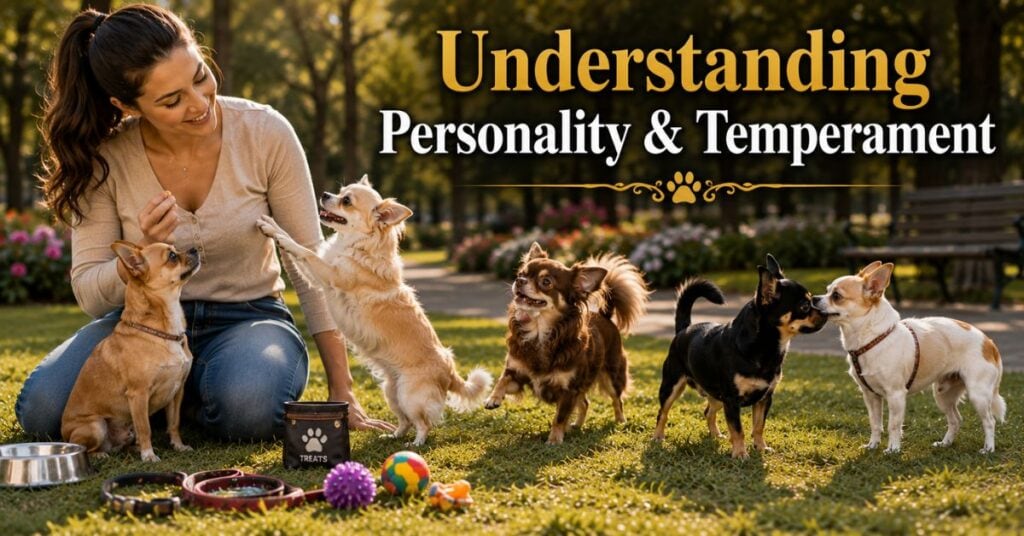
Ugly Chihuahua Dog Personality and Temperament

dog personality and temperament

The Ugly Chihuahua has a huge personality inside a tiny body. These dogs often act brave, loud, protective, and energetic. Many owners feel surprised by their confidence.

Chihuahuas usually create deep bonds with one or two people. They love attention and enjoy sitting close to their owners. Many become loyal companion dogs.

The Ugly Chihuahua often shows these personality traits:

Ugly Chihuahua Positive Traits

  • Loyal to family
  • Very alert
  • Smart and curious
  • Funny behavior
  • Loving and cuddly
  • Energetic personality

Chihuahua Difficult Traits

  • Loud barking
  • Aggressive behavior toward strangers
  • Fear of larger dogs
  • Jealous behavior
  • Stubborn attitude

Some people believe Chihuahuas act aggressively. Many online discussions mention barking and biting behavior. However, proper training and socialization can improve their behavior greatly.

Small dogs often develop “small dog syndrome” when owners do not train them properly. The dog starts thinking it controls the house. Early training helps prevent this problem.

The Ugly Chihuahua usually stays active and playful. It enjoys short walks, indoor games, and spending time with family. These dogs dislike being alone for long hours.

Children should handle Chihuahuas carefully because their small bodies can get injured easily. Families with older children usually manage them better.

Many owners love the breed because these dogs stay entertaining. Their facial expressions, barking style, and funny movements make people laugh often.

Ugly Chihuahua Dog Grooming and Cleaning

dog grooming and cleaning

The Ugly Chihuahua needs regular grooming to stay healthy and comfortable. Grooming also helps owners notice health problems early.

Short-haired Chihuahuas need less brushing than long-haired ones. However, hairless or patchy-coated Chihuahuas may need skin care products to avoid dryness.

Ugly Chihuahua Grooming Tips

  • Brush fur weekly
  • Clean ears regularly
  • Trim nails every few weeks
  • Bathe monthly
  • Brush teeth daily
  • Check skin for irritation

Dental care remains very important for Chihuahuas. Small breeds often develop dental disease quickly. Crooked teeth and crowded mouths make cleaning difficult.

Some Ugly Chihuahua Dogs have watery eyes. Owners should clean around the eyes gently to prevent stains and irritation.

Grooming Tools for an Ugly Chihuahua

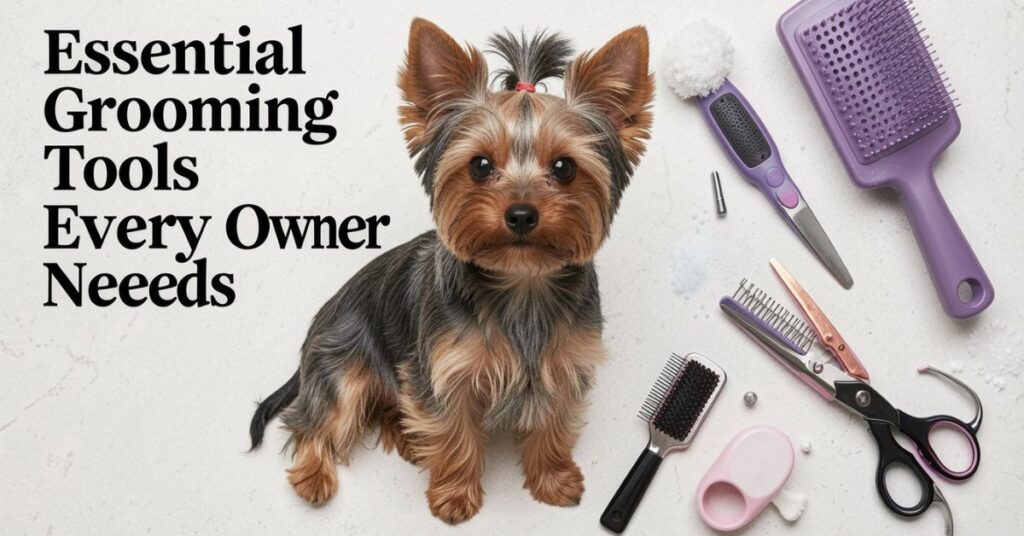
  • Soft dog brush
  • Nail clippers
  • Dog shampoo
  • Toothbrush for dogs
  • Ear cleaning solution
  • Soft towel
Grooming TaskFrequency
BrushingWeekly
BathingMonthly
Nail trimmingEvery 3–4 weeks
Ear cleaningWeekly
Teeth brushingDaily

Hairless Chihuahua mixes may require sunscreen during sunny weather. Their skin burns easily outdoors.

The Chihuahua Dog usually enjoys attention during grooming if owners start the routine early. Calm handling helps reduce fear and stress.

Ugly Chihuahua Dog Food and Nutrition

 food and nutrition

The Chihuahua Dog needs healthy food to maintain energy and body weight. Small dogs eat less food than large breeds, but they still need balanced nutrition.

Good food supports:

  • Healthy skin
  • Strong teeth
  • Better coat quality
  • Muscle strength
  • Brain health

Owners should choose high-quality dog food made for small breeds. Tiny kibble pieces work better for Chihuahua mouths.

Best Food Choices for an Ugly

  • Chicken-based food
  • Turkey-based food
  • Fish-based food
  • Small breed dry food
  • Wet food for older dogs

Foods Should Avoid

  • Chocolate
  • Onions
  • Garlic
  • Grapes
  • Caffeine
  • Spicy foods

Chihuahuas can gain weight quickly because of their small size. Owners should avoid overfeeding snacks and table food.

Some Ugly Chihuahua Dogs lose teeth with age. Soft food helps older dogs chew comfortably.

AgeMeals Per Day
Puppy3–4 meals
Adult2 meals
Senior2 small meals

Fresh water should stay available all day.

The Ugly Chihuahua Dog may also need supplements if it develops skin or joint issues. Owners should ask veterinarians before adding supplements.

Ugly Chihuahua Dog Health Problems

dog health problems

The Ugly Chihuahua Dog can face several health issues because of genetics, body size, and age. Regular vet visits help owners detect problems early.

Many Chihuahuas live long lives. Some survive 15 to 18 years with proper care. (Canine Bible)

Common Health Problems

  • Dental disease
  • Eye injuries
  • Luxating patella
  • Heart disease
  • Skin allergies
  • Breathing problems
  • Obesity

Large eyes increase the risk of eye injuries. Owners should protect the dog from rough play.

Tiny bodies also lose heat quickly. Many Ugly Chihuahua Dogs shake during cold weather. Sweaters help keep them warm.

Some Chihuahuas develop bald spots or skin irritation. Hairless mixes may need extra skin care.

Warning Signs in an Ugly

  • Loss of appetite
  • Excessive shaking
  • Difficulty walking
  • Eye redness
  • Constant scratching
  • Weight loss
Health ProblemCommon Cause
Dental diseaseSmall mouth
Eye injuryLarge eyes
Joint issuesTiny legs
Skin problemsAllergies or genetics
ObesityOverfeeding

Vaccinations, healthy food, exercise, and regular checkups help improve the dog’s lifespan.

The Ugly Chihuahua may look fragile, but many stay active and playful for many years.

Ugly Chihuahua Dog Training Guide

dog training guide

The Ugly Chihuahua needs proper training from an early age. Training improves behavior and helps the dog become calmer around people and pets.

Many Chihuahuas act stubbornly. However, they also learn quickly when owners use rewards and patience.

Basic Chihuahua Dog Training Tips

  • Use treats for rewards
  • Keep sessions short
  • Stay calm and patient
  • Train daily
  • Socialize early
  • Avoid shouting

Commands a Chihuahua Dog Should Learn

  • Sit
  • Stay
  • Come
  • Leave it
  • Quiet

Socialization remains very important. Owners should introduce the dog to different people, sounds, and places during puppyhood.

Some Ugly Chihuahua Dogs bark excessively. Training helps reduce this behavior.

Crate training also helps with:

  • Housebreaking
  • Anxiety control
  • Sleeping routine
  • Safety during travel
Training AreaDifficulty
Potty trainingMedium
Bark controlMedium
Basic commandsEasy
SocializationImportant

Positive reinforcement works best for Chihuahuas. Harsh punishment can create fear and aggression.

The Chihuahua Dog often enjoys learning tricks because it likes attention and rewards.

Ugly Chihuahua Dog Living Environment

 dog living environment

The Ugly Chihuahua adapts well to small homes and apartments. Its tiny body needs less space than larger dogs.

These dogs prefer warm indoor environments. Cold weather affects them quickly.

Best Home Conditions

  • Warm temperature
  • Soft bedding
  • Quiet sleeping area
  • Safe indoor play space
  • Gentle family members

Unsafe Conditions for Ugly

  • Extreme cold
  • Rough handling
  • Large aggressive pets
  • High furniture without ramps

Because of their small size, Chihuahuas can injure themselves easily by jumping from beds or sofas.

Apartment owners often choose this breed because it requires less exercise space. However, daily walks still help maintain health and reduce boredom.

The Chihuahua Dog also enjoys sitting close to owners on couches or beds. Many become “lap dogs.”

Ugly Chihuahua Dog Exercise Needs

dog exercise needs

The Ugly Chihuahua Dog stays active despite its small size. Daily activity helps prevent obesity and boredom.

These dogs do not need intense exercise. Short walks and indoor games usually provide enough activity.

Exercise Ideas for an Ugly Chihuahua Dog

  • Short daily walks
  • Indoor fetch
  • Puzzle toys
  • Gentle play sessions
  • Obstacle games

Signs Ugly Chihuahua Dog Needs Exercise

  • Excessive barking
  • Hyper behavior
  • Chewing objects
  • Restlessness

Owners should avoid very rough activities because Chihuahuas have delicate bones.

Hot weather and cold weather can both affect them badly. Walks during moderate temperatures work best.

ActivityRecommended Time
Daily walk20–30 minutes
Indoor play15–20 minutes
Training games10–15 minutes

The Ugly Chihuahua Dog enjoys spending time with its owners more than engaging in heavy physical activity.

Ugly Chihuahua Dog Pros and Cons

The Ugly Chihuahua Dog offers many benefits, but owners should also understand its challenges before adoption.

ProsCons
Very loyalLoud barking
Small sizeFragile body
Apartment friendlyStubborn behavior
Funny personalityDental issues
Long lifespanFear of strangers
Easy to carryCan become aggressive

Why People Love Ugly Chihuahua Dogs

  • Unique appearance
  • Funny expressions
  • Strong personality
  • Deep loyalty
  • Easy apartment living

Why Some People Avoid

  • Barking problems
  • Aggressive behavior
  • Fragile body5 QQ
  • Separation anxiety

Many Chihuahua owners believe their dogs become family members quickly. Despite criticism online, fans remain very loyal to the breed. (Reddit)

Ugly Chihuahua Dog Adoption Guide

dog exercise needs

The Ugly Chihuahua Dog often appears in rescue shelters because small dogs require patience and training.

Adoption helps give homeless dogs a second chance.

Before Adopting an Ugly

  • Research the breed
  • Prepare a safe home
  • Buy basic supplies
  • Find a local veterinarian
  • Plan a training routine

Supplies Needed for Ugly Chihuahua

  • Dog bed
  • Food bowls
  • Small harness
  • Dog food
  • Grooming tools
  • Toys

Rescue centers sometimes have older Chihuahuas with unusual appearances. Senior dogs often stay calmer and already know basic house rules.

Potential owners should spend time with the dog before adoption.

Conclusion

The Ugly Chihuahua Dog may not look perfect to everyone, but this tiny dog offers loyalty, fun, and companionship. Its unusual appearance makes it different from traditional dog breeds. Many owners love these dogs because of their unique faces, entertaining behavior, and strong personalities.

This breed works well for apartment living and close companionship. However, owners should provide training, grooming, healthy food, and regular vet care.

The Ugly Chihuahua Dog proves that love matters more than appearance. Many people who once disliked Chihuahuas later became huge fans after spending time with one.

FAQs

Is the Ugly Chihuahua Dog a real breed?

No. The Ugly Chihuahua Dog is still a Chihuahua. People use the term for Chihuahuas with unusual looks or funny facial features.

Why do some people call Chihuahua dogs ugly?

Some people dislike their large eyes, crooked teeth, thin fur, or small body shape. Others find these features cute and funny.

Does the Ugly Chihuahua Dog bark a lot?

Yes. Many Chihuahuas bark often because they stay alert and protective.

Is the Ugly Chihuahua Dog good for apartments?

Yes. This breed fits very well in apartments because of its small size.

How long does the Ugly Chihuahua Dog live?

Most Chihuahuas live between 12 and 18 years with proper care.

Does the Ugly Chihuahua Dog need a lot of exercise?

No. Short walks and indoor play sessions usually provide enough exercise.

Is the Ugly Chihuahua Dog friendly with children?

The breed can live with children, but families should teach children to handle the dog gently because of its fragile body.

May 24, 2026 0 comments
2 FacebookTwitterPinterestEmail
shih tzu chihuahua mixcomplete owner guide
Chihuahua Guides

Shih Tzu Chihuahua Mix|Complete Owner Guide

by malikgulnaz626@gmail.com May 23, 2026
written by malikgulnaz626@gmail.com

The Shih Tzu Chihuahua Mix is a small and adorable designer dog breed. People also call this mixed breed the ShiChi. This dog combines the sweet personality of the Shih Tzu with the alert and energetic nature of the Chihuahua. Many dog lovers choose the Shih Tzu Chihuahua Mix because it stays small, looks cute, and adapts well to apartment life.

It usually develops a loving bond with its owner. This mixed dog enjoys spending time with family members and often follows its owner around the house. The breed suits people who want a loyal, playful companion.

This hybrid dog can inherit different physical features from both parents. Some dogs look more like a Shih Tzu, while others resemble a Chihuahua. Their coat, body shape, ear style, and face structure may vary from dog to dog.

The Shih Chihuahua Mix needs proper care, healthy food, training, grooming, and regular exercise. Owners should understand the breed before bringing one home. This guide explains everything you need to know about the Shih Tzu Chihuahua Mix.

Shih Tzu Chihuahua Mix History and Origin

 history and origin

The Shih Tzu Chihuahua Mix comes from two popular toy dog breeds. Breeders created this hybrid dog to combine the best qualities of the Shih Tzu and Chihuahua. The mixed breed became more popular during the rise of designer dogs in the United States.

The Shih Tzu has a long history. Ancient Chinese royal families loved this breed for its beauty and companionship. The breed spent many years as a palace dog. The Shih Tzu became famous because of its calm and affectionate personality.

The Chihuahua comes from Mexico and is one of the smallest dog breeds in the world. This tiny dog carries a bold and confident personality. Chihuahuas often act fearless despite their small size.

It combines these two bloodlines. The result creates a small companion dog with an interesting personality. Some puppies inherit the calm nature of the Shih Tzu, while others show the energetic behavior of the Chihuahua.

Today, many families choose the Shih Tzu Mix because of its compact size and loving behavior. The breed continues to grow in popularity among apartment owners and small dog lovers.

Common Names for the Shih Tzu

  • ShiChi
  • Chi-Tzu
  • Shih Chi
  • Chihuahua Shih
  • Shih Tzu Chi Mix

Shih Tzu Chihuahua Mix Appearance

history and origin

The Shih Tzu Chihuahuacan looks very different from one dog to another. Mixed breeds often inherit physical traits from both parents. Some ShiChi dogs have the fluffy coat of the Shih Tzu, while others develop the shorter coat of the Chihuahua.

Most Shih Tzu Mix dogs stay small in size. They usually weigh between 5 and 16 pounds. Their height often ranges from 7 to 12 inches. Their body shape may look compact and sturdy or slim and delicate.

The face of a Shih Tzu Chihuahua also varies. Some dogs inherit large Chihuahua-style ears, while others develop floppy ears like the Shih Tzu. Their eyes usually appear round and expressive.

The coat color options include many shades. Owners may find black, white, brown, cream, golden, gray, or mixed-color coats.

Many people love the cute appearance of the Shih Tzu Mix because every dog looks unique.

FeatureDetails
SizeSmall
Weight5–16 pounds
Height7–12 inches
Coat TypeShort, medium, or long
Coat ColorsBlack, white, cream, brown, golden
Lifespan12–16 years

Common Physical Traits of the Shih

  • Small compact body
  • Round eyes
  • Soft coat
  • Cute facial expression
  • Floppy or upright ears
  • Curled or straight tail

Shih Tzu Chihuahua Mix Personality and Temperament

 personality and temperament

The Shih Tzu Chihuahua Mix usually develops a loving and loyal personality. This mixed breed enjoys staying close to family members and often forms a strong bond with one person.

Many ShiChi dogs act playful and friendly inside the home. They enjoy games, cuddles, and attention from their owners. This dog usually loves sitting on laps and relaxing near family members.

The Chihuahua side may bring confidence and alert behavior. Some Shih Tzu dogs bark when strangers arrive. Early training helps reduce excessive barking and nervous behavior.

The Shih Tzu side often adds calmness and affection. Many ShiChi dogs behave gently around trusted people. They usually enjoy indoor living and adapt well to apartment life.

This breed may not tolerate rough handling from small children. Owners should teach children how to interact gently with the dog.

Socialization plays an important role in shaping the personality of the Shih Tzu Chihuahua. Puppies that meet different people and animals early often become more confident adults.

Personality Traits of the Shih Tzu

  • Loyal to family
  • Affectionate with owners
  • Playful indoors
  • Alert and watchful
  • Intelligent and curious
  • Sometimes stubborn
  • Loves attention

Shih Tzu Chihuahua Mix Size and Growth

size and growth

The Shih Tzu Chihuahua Mix stays small throughout its life. This breed belongs to the toy dog category. Most owners prefer this hybrid because it fits comfortably in small homes and apartments.

A puppy grows quickly during the first year. Most dogs reach full size between 10 and 12 months of age.

The final size depends on genetics. Puppies with a larger Shih Tzu parent may grow slightly bigger. Puppies with stronger Chihuahua traits may stay extra small.

Owners should monitor growth carefully. Proper feeding and regular veterinary care support healthy development.

Small dogs can gain weight easily. Extra weight may increase health risks and reduce activity levels.

Average Growth Stages

  • Birth weight stays very small
  • Rapid growth during the first 6 months
  • Adult height was reached around 10 months
  • Full body development around 1 year

Shih Tzu Chihuahua Mix Grooming Needs

grooming needs

The Shih Tzu Chihuahua Mix needs regular grooming to stay clean and healthy. Grooming requirements depend on coat type. Dogs with long Shih Tzu-like coats need more brushing than short-haired ShiChi dogs.

Owners should brush the coat several times each week. Brushing removes loose hair and prevents tangles. Long-haired dogs may need daily brushing.

Bathing helps maintain skin and coat health. Most owners bathe the Shih Tzu Chihuahua once every 3 to 4 weeks. Gentle dog shampoo works best for sensitive skin.

The breed also needs regular nail trimming. Long nails can cause discomfort and walking problems.

Dental care is extremely important for small dogs. The Shih oral hygiene.

Ear cleaning also helps prevent infections, especially for dogs with floppy ears.

Grooming TaskFrequency
Brushing3–7 times weekly
BathingEvery 3–4 weeks
Nail TrimmingEvery 3–4 weeks
Teeth BrushingDaily
Ear CleaningWeekly

Essential Grooming Supplies for the Shih Tzu

  • Soft slicker brush
  • Dog shampoo
  • Nail clippers
  • Dog toothbrush
  • Ear cleaning solution
  • Grooming scissors

Shih Tzu Chihuahua Mix Feeding Guide

 feeding guide

The Shih Tzu Chihuahua Mix needs a balanced diet for healthy growth and energy. Small dogs require nutrient-rich food with proper protein, fats, vitamins, and minerals.

Owners should choose high-quality dog food made for small breeds. A small kibble size helps the dog chew comfortably.

Portion control matters because the Shih Tzu Mix can gain weight quickly. Obesity may increase joint problems and breathing issues.

Puppies usually eat more frequently than adult dogs. Adult ShiChi dogs often eat two meals daily.

Fresh water should stay available all day.

Owners should avoid feeding harmful human foods like chocolate, onions, grapes, and spicy foods.

Best Food Choices

  • High-quality small breed dog food
  • Lean chicken
  • Turkey
  • Fish
  • Rice
  • Sweet potatoes
  • Vegetables in small amounts

Foods for the Shih Tzu Chihuahua

  • Chocolate
  • Grapes
  • Raisins
  • Garlic
  • Onions
  • Fried foods
  • Excess sugar

Shih Tzu Chihuahua Mix Exercise Requirements

 exercise requirements

The Shih Tzu Chihuahua needs regular exercise to stay healthy and happy. This small dog does not require intense workouts, but daily activity helps prevent boredom and obesity.

Most ShiChi dogs enjoy short walks and indoor play sessions. About 20 to 40 minutes of activity each day usually works well.

Owners should avoid over-exercising puppies because small joints develop slowly.

Interactive toys and games keep the Shih Tzu Chihuahua mentally active. Puzzle toys and fetch games provide entertainment inside the home.

This breed may become stubborn or destructive if it does not receive enough stimulation.

Best Activities for the Shih Tzu

  • Short walks
  • Indoor fetch
  • Puzzle toys
  • Gentle play sessions
  • Basic obedience games
  • Social playtime

Shih Tzu Chihuahua Mix Training Tips

 training tips

The Shih Tzu Chihuahua Mix can learn quickly with patience and consistency. Some dogs inherit stubborn behavior from the Chihuahua side, while others show the eagerness of the Shih Tzu.

Positive reinforcement works best for this breed. Owners should reward good behavior with treats, praise, and affection.

Harsh punishment may create fear and anxiety.

Early training helps the Shih Tzu Chihuahua become more confident and social. Basic commands should start during puppyhood.

Potty training may take time because small dogs sometimes develop stubborn habits.

Short training sessions usually work better than long sessions.

Important Training Areas

  • Potty training
  • Socialization
  • Basic obedience
  • Leash training
  • Bark control
  • Crate training

Shih Tzu Chihuahua Mix Health Problems

health problems

The Shih Tzu Chihuahua Mix may inherit health issues from either parent breed. Responsible breeding reduces some risks, but owners should still understand common health concerns.

Regular veterinary visits help detect problems early.

Small dogs often develop dental disease. Daily brushing improves oral health and prevents tooth loss.

Some ShiChi dogs develop breathing issues if they inherit a short nose from the Shih Tzu side.

Patellar luxation also affects some small dogs. This condition causes kneecap movement problems.

Eye problems may appear because both parent breeds can develop eye conditions.

Common Health Issues

  • Dental disease
  • Patellar luxation
  • Eye infections
  • Allergies
  • Breathing issues
  • Heart problems
  • Hypoglycemia
Health ProblemCommon Symptoms
Dental DiseaseBad breath, tooth pain
Patellar LuxationLimping, leg pain
AllergiesItchy skin
Eye ProblemsRedness, discharge
HypoglycemiaWeakness, shaking

Shih Tzu Chihuahua Mix Lifespan

adoption and buying guide

The Shih Tzu Chihuahua Mix often lives a long life with proper care. Many ShiChi dogs live between 12 and 16 years.

Healthy food, exercise, grooming, and veterinary care support long-term health.

Owners should maintain regular vaccinations and parasite prevention.

Mental stimulation also improves overall quality of life.

Ways to Help the Shih Tzu Live Longer

  • Feed healthy food
  • Maintain proper weight
  • Schedule regular vet visits
  • Provide daily exercise
  • Brush teeth daily
  • Give mental stimulation

Shih Tzu Chihuahua Mix and Family Life

The Shih Tzu Chihuahua Mix usually fits well into family life. This breed enjoys companionship and attention.

Many ShiChi dogs live happily with singles, couples, and older adults. Apartment owners often choose this breed because of its small size.

Some dogs behave well with older children who handle pets gently.

Early socialization improves behavior around other animals.

It may become protective of its owner. Training helps reduce possessive behavior.

Best Home Environment

  • Apartments
  • Small homes
  • Calm households
  • Families with older children
  • Indoor living spaces

Shih Tzu Chihuahua Mix Puppy Care

The Shih Tzu Chihuahua Mix puppy needs patience, training, and proper care during early development.

Puppies should receive vaccinations and regular health checks.

Owners should create a safe indoor space for sleeping and play.

Young ShiChi puppies need socialization with people and sounds.

Teething puppies may chew furniture or objects. Safe chew toys help redirect chewing behavior.

Puppy Essentials for the Shih Tzu

  • Puppy food
  • Soft bed
  • Training pads
  • Chew toys
  • Food bowls
  • Puppy crate

Shih Tzu Chihuahua Mix Adoption and Buying Guide

 adoption and buying guide

People can find a Shih Tzu Chihuahua Mix through breeders, rescue groups, or shelters.

Responsible breeders perform health testing on parent dogs. Buyers should avoid puppy mills and unethical breeding practices.

Adoption gives homeless dogs a second chance.

Owners should ask questions before bringing home a puppy.

Important Questions Before Buying

  • Has the puppy received vaccinations?
  • Did the breeder test the parents for health issues?
  • What food does the puppy eat?
  • Can I meet the parents?
  • Has the puppy received socialization?

Final Thoughts

The Shih Tzu Chihuahua Mix offers a great combination of affection, playfulness, and loyalty. This small hybrid dog fits well into apartments, small homes, and family environments. Many owners love the breed because of its cute appearance and loving personality.

The Shih Tzu Chihuahua Mix needs proper training, healthy food, regular grooming, and daily attention to stay happy and healthy. Early socialization helps the dog develop better behavior and confidence around people and other pets.

This mixed breed works best for owners who want a small companion dog that enjoys close human interaction. With proper care and love, the Shih Tzu Chihuahua Mix can become a loyal friend for many years.

FAQs 

Is the Shih Tzu Chihuahua Mix a good family dog?

Yes. The Shih Tzu Chihuahua usually acts lovingly and loyally toward family members. Proper training improves behavior around children and pets.

How big does a Shih Tzu Mix get?

Most Shih Tzu Mix dogs weigh between 5 and 16 pounds and stand 7 to 12 inches tall.

Does the Shih Tzu Chihuahua Mix bark a lot?

Some ShiChi dogs bark often because of Chihuahua traits. Early training and socialization help reduce excessive barking.

Does the Shih Tzu Chihuahua Mix shed heavily?

Shedding levels depend on coat type. Long-haired dogs may shed lightly to moderately and need regular grooming.

Is the Shih Tzu Chihuahua easy to train?

The breed learns quickly with positive reinforcement, but some dogs may show stubborn behavior.

How long does a Shih Tzu Chihuahua live?

Most Shih Tzu Chihuahua dogs live between 12 and 16 years with proper care.

Does the Shih Tzu Mix do well in apartments?

Yes. The small size and moderate exercise needs make the breed suitable for apartment living.

May 23, 2026 0 comments
2 FacebookTwitterPinterestEmail
queso chihuahua dog usa complete owner guide
Chihuahua Guides

Queso Chihuahua Dog USA | Complete Owner Guide

by malikgulnaz626@gmail.com May 21, 2026
written by malikgulnaz626@gmail.com

The Queso Chihuahua Dog USA trend continues to grow among small dog lovers. Many people in the USA love Chihuahua dogs because they look cute, stay small, and fit well in apartments. Chihuahua dogs also build strong bonds with owners. They stay alert, active, and loving. Many families choose Chihuahua dogs because they need less space than large dogs.

The Queso Chihuahua Dog USA keyword often appears in online searches related to Chihuahua care, Chihuahua puppies, Chihuahua food, grooming, and training. Chihuahua dogs come from Mexico, but people across the USA now keep them as family pets. These tiny dogs carry huge personalities. They protect their owners, bark at strangers, and stay loyal.

Many new dog owners think Chihuahua dogs require very little care because of their size. That idea creates problems. Chihuahua dogs need proper food, regular grooming, social training, exercise, and health care. Owners must understand the breed before bringing one home.

This guide explains everything about Queso Chihuahua Dog USA care. You will learn about temperament, feeding, grooming, training, health problems, puppy care, and daily routines. This article also helps first-time dog owners make smart decisions.

According to entity[“organization”, “American Kennel Club”, “United States”], Chihuahua dogs remain one of the most popular toy dog breeds in the USA. Their popularity continues to grow because they adapt well to city life and apartment living. 

Queso Chihuahua Dog USA History and Origin

dog usa history and origin

The Queso Chihuahua Dog USA topic becomes more interesting when people learn about Chihuahua history. Chihuahua dogs originally came from Mexico. Experts believe the breed descended from a small ancient dog called Techichi. Ancient civilizations kept these small dogs as companions many years ago.

People later discovered Chihuahua dogs in the Mexican state of Chihuahua. That state gave the breed its famous name. Travelers and traders brought Chihuahua dogs into the United States during the late 1800s. Americans quickly fell in love with their tiny size and brave personality.

Today, Chihuahua dogs appear everywhere in the USA. Celebrities, families, seniors, and apartment owners often choose them because they stay compact and are easy to carry.

Important facts about Chihuahua’s history

  • Chihuahua dogs came from Mexico
  • The breed takes its name from the Chihuahua state
  • Ancient Techichi dogs may be their ancestors
  • Americans started adopting them in the 1800s
  • The breed gained official recognition in the early 1900s
  • Chihuahua dogs became popular companion pets in the USA
  • Many modern Chihuahua dogs now live in apartments and small homes

Chihuahua dogs became famous through movies, social media, and television advertisements. Their small size made them easy travel companions. Many fashion lovers also carried them in handbags during the early 2000s.

The Queso Chihuahua Dog USA search trend also increased because many Americans now prefer smaller dogs instead of large breeds. Small dogs cost less to feed, need less space, and fit modern city lifestyles.

Experts from entity[“organization”, “Britannica”, “United States”] explain that Chihuahua dogs remain one of the smallest recognized dog breeds in the world.

Queso Chihuahua Dog USA Appearance and Size

chihuahua dog usa appearance and size

The Queso Chihuahua Dog USA breed stands out because of its tiny body and expressive face. Chihuahua dogs usually weigh between 2 and 6 pounds. Most adult Chihuahua dogs stand around 5 to 8 inches tall.

Even though they stay small, Chihuahua dogs look confident and alert. Their large ears stand upright. Their eyes appear round and expressive. Many Chihuahua dogs also carry a curved tail.

Owners can choose between short-haired and long-haired Chihuahua dogs. Both coat types look beautiful. Long-haired Chihuahuas need more grooming than short-haired ones.

Some Chihuahua dogs also have different head shapes. Owners often describe them as apple-head or deer-head Chihuahuas.

FeatureDetails
Weight2–6 pounds
Height5–8 inches
Lifespan12–16 years
Coat TypesShort-haired and long-haired
Common ColorsWhite, black, brown, cream, chocolate
Energy LevelMedium
Best Living SpaceApartments and small homes

Common Chihuahua coat colors

  • Black
  • White
  • Brown
  • Cream
  • Chocolate
  • Fawn
  • Golden
  • Mixed colors

The Queso Chihuahua Dog USA community often prefers apple-head Chihuahuas because kennel clubs recognize that look more often. Deer-head Chihuahuas usually have longer noses and slimmer faces.

Many owners love dressing their Chihuahua dogs in sweaters during winter. These dogs feel cold quickly because their bodies stay small. Long-haired Chihuahua dogs still need extra warmth in cold weather.

Chihuahua dogs also carry very light bodies. Owners must handle them carefully. Small children can accidentally injure them during rough play.

Queso Chihuahua Dog USA Personality and Temperament

queso chihuahua dog usa personality and temperament

The Queso Chihuahua USA breed may look tiny, but these dogs act fearlessly. Chihuahua dogs often behave like much larger dogs. They bark loudly, protect their owners, and stay highly alert.

Chihuahua dogs usually bond closely with one or two people. They love attention and enjoy staying near family members. Many Chihuahua owners describe them as loyal lap dogs.

At the same time, Chihuahua dogs may become stubborn. They sometimes bark at strangers or other animals. Early social training helps reduce aggressive behavior.

Common Chihuahua personality traits

  • Loyal
  • Protective
  • Brave
  • Alert
  • Active
  • Loving
  • Energetic
  • Sometimes stubborn
  • Sometimes jealous

The Queso Chihuahua Dog USA trend grows because many people want small companion dogs with strong personalities. Chihuahua dogs often behave confidently in public places. They enjoy attention and like following their owners around the house.

Many Chihuahua dogs dislike rough handling. Families with very young children should teach their kids how to hold and respect small dogs safely.

Chihuahua dogs also love warm blankets, soft beds, and cozy spaces. They enjoy sleeping near owners and staying close during the day.

Some Chihuahua dogs bark frequently. Owners should train them early to reduce excessive barking.

According to experts from entity[“organization”,”Purina”,”United States”], Chihuahua dogs stay loyal and confident despite their tiny size. (purina.com)

Queso Chihuahua Dog USA Feeding and Nutrition

imge permt bnadoaik shor br beutifull style may

The Queso Chihuahua Dog USA breed needs balanced food to stay healthy. Chihuahua dogs have fast metabolism because of their small bodies. Owners should feed high-quality dog food made for toy breeds.

Many owners overfeed Chihuahua dogs. That mistake causes obesity and joint problems. Owners should control portions carefully.

Puppies usually need smaller meals several times each day. Adult Chihuahua dogs usually eat two meals daily.

AgeMeals Per Day
2–3 months4 meals
3–6 months3 meals
6–12 months2–3 meals
Adults2 meals

Best foods for Chihuahua dogs

  • High-protein dog food
  • Small kibble for tiny mouths
  • Lean chicken
  • Turkey
  • Fish
  • Vegetables in moderation
  • Healthy dog treats
  • Fresh clean water

Foods Chihuahua dogs should avoid

  • Chocolate
  • Grapes
  • Onions
  • Garlic
  • Alcohol
  • Avocado
  • Too much salt
  • Fried foods

The Queso Dog USA owner community often discusses healthy feeding because Chihuahua dogs easily gain weight. Even one extra pound can affect their health.

Owners should avoid feeding table scraps often. Human food can upset a Chihuahua’s stomach.

Small dogs may also face low blood sugar problems. Puppies especially need regular meals.

Veterinarians often recommend small-breed formulas because Chihuahua dogs have tiny jaws and teeth.

Experts from entity[“organization”, “PetMD“, “United States”] explain that Chihuahua puppies need frequent meals to avoid dangerous drops in blood sugar.

Queso Chihuahua Dog USA Grooming Guide

queso dog usa grooming guide

The Queso Chihuahua Dog USA breed needs regular grooming to stay clean and healthy. Grooming also helps owners notice skin problems, fleas, or infections early.

Short-haired Chihuahua dogs need less grooming than long-haired ones. Owners should still brush short-haired dogs weekly.

Long-haired Chihuahua dogs require brushing several times each week. Regular brushing prevents knots and loose fur buildup.

Chihuahua grooming essentials

  • Soft dog brush
  • Small nail clipper
  • Dog shampoo
  • Ear cleaner
  • Dog toothbrush
  • Towel
  • Flea comb

Owners should clean Chihuahua’s ears regularly because dirt and wax can build up quickly.

Dental care also matters greatly. Chihuahua dogs often develop dental disease. Owners should brush their dog’s teeth several times weekly.

Grooming routine for Chihuahua dogs

  • Brush coat weekly or more
  • Bathe every few weeks
  • Trim nails regularly
  • Clean your ears carefully
  • Brush teeth often
  • Check skin for irritation

The Queso Chihuahua Dog USA lifestyle often includes indoor living. Indoor dogs still need grooming because dirt, dust, and loose hair collect quickly.

Long-haired Chihuahua dogs may also need trimming around paws and ears.

Owners should use gentle dog shampoo because Chihuahua skin stays sensitive.

Regular grooming strengthens trust between dogs and owners. Many Chihuahua dogs enjoy brushing sessions once they become familiar with the routine.

Queso Chihuahua Dog USA Training Tips

chihuahua dog usa training tips

The Queso Chihuahua Dog USA breed responds well to patient training. Chihuahua dogs stay smart and alert. They learn quickly when owners use rewards and positive reinforcement.

Some Chihuahua dogs behave stubbornly. Owners should stay calm and consistent during training.

Early socialization helps Chihuahua puppies feel comfortable around people and animals.

Important Chihuahua training areas

  • Potty training
  • Crate training
  • Bark control
  • Social behavior
  • Leash walking
  • Basic commands
  • Stranger interaction

Best commands for Chihuahua dogs

  • Sit
  • Stay
  • Come
  • Leave it
  • Quiet
  • Down
  • Wait

The Queso Chihuahua Dog USA owner community often struggles with barking problems. Chihuahua dogs naturally stay alert. They bark when they hear sounds or see strangers.

Owners should reward calm behavior instead of shouting.

Potty training may take time because Chihuahua dogs have tiny bladders. Frequent bathroom breaks help puppies learn faster.

Crate training also helps Chihuahua dogs feel safe.

Positive reinforcement works best for this breed. Owners should use treats, praise, and affection.

Harsh punishment may create fear and anxiety.

Queso Chihuahua Dog USA Exercise Needs

 dog usa exercise needs

The Queso Chihuahua Dog USA breed may stay small, but these dogs still need exercise. Chihuahua dogs enjoy walks, indoor games, and mental stimulation.

Many owners believe small dogs do not need exercise. That mistake can lead to obesity and boredom.

Most Chihuahua dogs need short daily walks.

Good exercises for Chihuahua dogs

  • Short walks
  • Indoor fetch
  • Puzzle toys
  • Small obstacle games
  • Gentle outdoor play
  • Hide and seek games

Owners should avoid rough outdoor areas with large dogs. Chihuahua dogs can get injured easily.

The Queso Chihuahua Dog USA lifestyle works well in apartments because Chihuahua dogs do not require large yards.

Still, they enjoy fresh air and short outdoor adventures.

Owners should protect Chihuahua dogs from extreme cold and heat.

Exercise safety tips

  • Use a harness instead of a neck collar
  • Avoid large aggressive dogs
  • Keep walks short during hot weather
  • Carry water during walks
  • Watch for signs of exhaustion

Many Chihuahua dogs become energetic zoomers inside the home. They run quickly around furniture and rooms.

Mental stimulation also matters. Puzzle toys and training games help reduce boredom.

Queso Chihuahua Dog USA Health Problems

queso chihuahua health problems

The Queso Chihuahua Dog USA breed usually lives a long life. Many Chihuahua dogs live between 12 and 16 years. Some even live longer with proper care.

Still, Chihuahua dogs may face several health problems.

Common Chihuahua health issues

  • Dental disease
  • Luxating patella
  • Heart disease
  • Low blood sugar
  • Obesity
  • Eye problems
  • Trachea issues
  • Anxiety

Owners should schedule regular veterinary visits.

Small dog breeds often develop dental problems early. Daily dental care greatly improves health.

The Queso Chihuahua Dog USA owner community also discusses knee problems often. Luxating patella affects many small breeds.

Signs of health problems

  • Limping
  • Loss of appetite
  • Heavy breathing
  • Weight changes
  • Excessive shaking
  • Vomiting
  • Eye discharge
  • Extreme tiredness

Chihuahua dogs sometimes shake even when healthy. Cold temperatures, fear, or excitement may cause shaking.

Owners should still monitor unusual behavior carefully.

Vaccinations, parasite prevention, and healthy food improve long-term health.

Experts from entity[“organization”,”WebMD”,”United States”] explain that Chihuahua dogs need regular health care and close monitoring because of their tiny size. (webmd.com)

Queso Chihuahua Dog USA Puppy Care

queso chihuahua usa puppy care

The Queso Chihuahua USA puppy stage requires extra attention. Chihuahua puppies stay tiny and fragile. Owners must create a safe home environment.

Puppies should stay warm, clean, and protected.

Essential puppy supplies

  • Soft dog bed
  • Puppy food
  • Water bowl
  • Small harness
  • Puppy pads
  • Safe chew toys
  • Puppy crate
  • Soft blanket

Puppies need regular meals because low blood sugar can become dangerous.

The Queso Dog USA puppy market continues growing in the United States. Buyers should always choose responsible breeders or adoption centers.

Tips for first-time Chihuahua puppy owners

  • Feed on schedule
  • Start training early
  • Socialize slowly
  • Keep dangerous objects away
  • Visit a veterinarian regularly
  • Avoid rough handling
  • Keep the puppy warm

Owners should avoid letting puppies jump from couches or beds. Falls may cause injuries.

Early socialization shapes future behavior.

Puppies that meet friendly people and calm animals often grow into confident adult dogs.

Queso Chihuahua Dog USA Living Environment

chihuahua dog usa living environment

The Queso Chihuahua Dog USA breed adapts well to modern homes. Chihuahua dogs fit apartments, condos, and small houses easily.

They prefer indoor living because weather affects them quickly.

Best home conditions for Chihuahua dogs

  • Warm environment
  • Soft bedding
  • Calm spaces
  • Safe indoor areas
  • Small secure yard
  • Quiet sleeping area

The Queso Chihuahua Dog USA lifestyle often suits city living. Owners can carry Chihuahua dogs easily during travel.

Many Chihuahua dogs also enjoy car rides and travel adventures.

Still, owners should secure them safely inside vehicles.

Indoor safety tips

  • Remove toxic plants
  • Keep small objects away
  • Use pet gates if needed
  • Protect balconies
  • Avoid high furniture jumps

Chihuahua dogs may become nervous in loud environments.

Owners should create peaceful resting areas.

These dogs also enjoy blankets and heated beds during winter.

Queso Chihuahua Dog USA Adoption and Buying Guide

queso chihuahua adoption and buying guide

The Queso Chihuahua Dog USA market includes breeders, rescues, and shelters. Owners should choose responsible sources.

Some unethical breeders focus only on profit. Poor breeding practices create health and behavior problems.

Signs of a responsible breeder

  • Clean environment
  • Healthy puppies
  • Vaccination records
  • Honest communication
  • Parent dog information
  • Health testing

Reasons to adopt a Chihuahua dog

  • Save a homeless pet
  • Lower adoption cost
  • Adult dogs may already have training
  • Shelters often include vaccinations

The Queso Chihuahua Dog USA adoption community continues growing. Many shelters across the USA care for Chihuahua dogs because owners sometimes abandon them.

Potential owners should research carefully before buying.

Questions to ask before adopting

  • Does the dog have health issues?
  • Has the dog received vaccines?
  • What food does the dog eat?
  • Does the dog get along with children?
  • Does the dog bark excessively?

Families should never buy puppies from unsafe puppy mills.

Responsible ownership starts before bringing the dog home.

Queso Chihuahua Dog USA Travel and Lifestyle

Chihuahua dog usa travel and lifestyle

The Queso Chihuahua Dog USA breed works well for people who travel often. Chihuahua dogs stay small enough for carriers and travel bags.

Many airlines allow small dogs in approved carriers.

Travel tips for Chihuahua owners

  • Use safe carriers
  • Carry water and snacks
  • Keep vaccination records
  • Bring blankets
  • Avoid hot cars
  • Use harnesses during walks

The Queso Chihuahua Dog USA trend also grows on social media because many owners enjoy sharing travel photos with their dogs.

Chihuahua dogs enjoy attention and often adapt well to new places when owners stay nearby.

Still, owners should avoid stressful, crowded areas.

Lifestyle benefits of Chihuahua ownership

  • Easy apartment living
  • Lower food costs
  • Easy transportation
  • Strong companionship
  • Good for seniors
  • Good for single owners

Many Chihuahua dogs become deeply attached to their owners.

They often follow owners from room to room.

Queso Chihuahua Dog USA Pros and Cons

The Queso Chihuahua Dog USA breed offers many benefits. Still, owners should understand both advantages and challenges.

ProsCons
Small sizeCan bark often
Easy apartment livingFragile body
Loyal personalityMay dislike strangers
Lower food costsDental issues
Long lifespanSensitive to cold
Easy travelSometimes stubborn

Why do people love Chihuahua dogs

  • Cute appearance
  • Strong loyalty
  • Easy indoor living
  • Long lifespan
  • Entertaining personality

Challenges Chihuahua owners face

  • Frequent barking
  • House training difficulties
  • Separation anxiety
  • Health monitoring
  • Dental care expenses

The Queso Chihuahua Dog USA community keeps growing because many owners feel emotionally connected to these tiny dogs.

Their personalities often surprise people.

Conclusion

The Queso Chihuahua Dog USA breed continues winning hearts across America. Chihuahua dogs stay tiny, loyal, smart, and full of personality. They fit modern apartment lifestyles and build strong emotional bonds with owners.

Still, Chihuahua dogs require responsible care. Owners should focus on healthy food, regular grooming, training, exercise, and veterinary care.

These dogs may look small, but they need attention and commitment.

Families that provide proper love and care often enjoy many happy years with Chihuahua dogs.

The Queso Chihuahua Dog USA trend will likely continue growing because more people now prefer companion dogs that fit smaller homes and busy lifestyles.

With patience and proper care, Chihuahua dogs become loyal lifelong companions.

FAQs 

Is Queso Chihuahua Dog USA good for apartments?

Yes. Chihuahua dogs fit apartments very well because they stay small and require limited space.

How long does a Chihuahua dog live?

Most Chihuahua dogs live between 12 and 16 years. Some live even longer with proper care.

Do Chihuahua dogs bark a lot?

Yes. Chihuahua dogs stay alert and often bark at strangers or unusual sounds.

Are Chihuahua dogs good with children?

They can do well with older, respectful children. Families should supervise small children carefully.

How often should I feed a Chihuahua puppy?

Young Chihuahua puppies usually need three to four small meals each day.

Do Chihuahua dogs need daily exercise?

Yes. Chihuahua dogs need short walks and indoor play every day.

Are Chihuahua dogs easy to train?

Yes. Chihuahua dogs learn quickly when owners use positive reinforcement and patience.

May 21, 2026 0 comments
2 FacebookTwitterPinterestEmail
lulu da pomerania complete owner guide
Pomeranian & Pomeranian Mixes

Lulu da Pomerania| Complete Owner Guide

by malikgulnaz626@gmail.com May 19, 2026
written by malikgulnaz626@gmail.com

Lulu da Pomerania is one of the most loved small dog breeds in the world. People love this dog because of its fluffy coat, cute face, playful nature, and smart personality. Many families choose Lulu da Pomerania because this dog stays loyal, active, and friendly. This small dog also adapts well to apartments and small homes.

Many new dog owners want to learn how to care for Lulu da Pomerania properly. Good care helps the dog stay healthy, happy, and active for many years. Owners should understand grooming, feeding, exercise, training, and health needs before bringing this dog home.

This guide explains everything about Lulu da Pomerania in simple language. You will learn about personality, food, grooming, training, exercise, health issues, and daily care. The article also explains common mistakes that owners make with Lulu da Pomerania.

Table of Contents

SectionDetails
Breed OverviewBasic information about Lulu da Pomerania
PersonalityNature and behavior
Feeding GuideFood and nutrition
GroomingCoat and cleaning care
TrainingObedience and behavior training
ExerciseDaily activity needs
Health ProblemsCommon health issues
Puppy CareRaising young puppies
Family LifeKids and other pets
Buying GuideChoosing a healthy puppy
FAQsCommon questions

Lulu da Pomerania Breed Overview

 Pomerania breed overview

Lulu da Pomerania belongs to the toy dog group. This breed comes from the Pomerania region in Europe. Over time, breeders made the dog smaller while keeping its thick coat and energetic personality. Today, Lulu da Pomerania remains one of the most popular companion dogs.

This dog usually weighs between 3 and 7 pounds. Most dogs stand around 6 to 7 inches tall. Even though the dog looks tiny, Lulu da Pomerania carries a bold and confident personality. Many owners describe the breed as brave, alert, and intelligent.

Lulu da Pomerania often forms a strong bond with family members. The dog enjoys attention and loves staying near people. Owners should spend time with the dog daily because this breed dislikes loneliness.

The fluffy double coat gives Lulu da Pomerania a beautiful appearance. The coat comes in many colors, including white, orange, cream, black, brown, and mixed shades. Regular grooming keeps the coat soft and healthy.

Lulu da Pomerania also learns quickly during training sessions. Positive training methods work best because harsh behavior can make the dog nervous or stubborn.

Important Facts About

  • Small toy dog breed
  • Thick, fluffy double coat
  • Friendly and energetic personality
  • Intelligent and alert behavior
  • Strong attachment to owners
  • Good apartment dog
  • Needs regular grooming
  • Requires daily mental activity

Lulu da Pomerania Personality and Temperament

Pomerania breed overview

Lulu da Pomerania has a lively and cheerful personality. This breed stays active throughout the day and enjoys spending time with family members. Many owners love the dog because it brings energy and excitement into the home.

Even though Lulu da Pomerania looks delicate, the dog acts brave and confident. Many dogs bark when strangers approach the house. This alert nature makes the breed a good watchdog for small homes and apartments.

Lulu Pomerania loves attention from owners. The dog enjoys cuddles, playtime, and short walks. Owners who ignore the dog for long periods may notice unwanted behavior like barking or chewing.

Most Lulu Pomerania dogs behave well with older children who understand how to handle small dogs carefully. Young children should always stay supervised because rough handling can injure the dog.

This breed often behaves proudly and confidently around larger dogs. Early socialization helps Lulu Pomerania stay calm and friendly around other pets.

Pomerania also shows strong intelligence. The dog learns commands quickly and enjoys games that challenge the mind. Puzzle toys and training exercises help prevent boredom.

Common Personality Traits

  • Loyal toward family
  • Smart and quick learner
  • Energetic and playful
  • Alert and watchful
  • Sometimes stubborn
  • Enjoys human attention
  • Can bark frequently
  • Loves indoor playtime

Lulu da Pomerania Feeding Guide

lulu da pomerania feeding guide

Proper nutrition helps Lulu da Pomerania stay healthy and active. Small dogs need balanced meals with high-quality ingredients. Owners should choose dog food that supports energy, coat health, bones, and digestion.

Lulu da Pomerania usually eats small portions because of its tiny body. However, owners should feed meals regularly to avoid low blood sugar problems. Puppies especially need more frequent meals during early growth.

Good dog food should contain protein, healthy fats, vitamins, and minerals. Chicken, fish, turkey, and lamb often work well for this breed. Healthy fats support the fluffy coat and healthy skin.

Owners should avoid overfeeding Lulu da Pomerania. Extra weight puts pressure on joints and increases health risks. Small treats during training work well, but owners should limit unhealthy snacks.

Fresh water should stay available all day. Small dogs can become dehydrated quickly, especially during warm weather.

Many owners also give healthy fruits and vegetables in small amounts. Apples, carrots, blueberries, and pumpkin can support digestion and overall health.

Best Foods for

  • High-quality dry kibble
  • Lean chicken and turkey
  • Fish with omega fatty acids
  • Pumpkin for digestion
  • Carrots and apples
  • Blueberries in small amounts
  • Rice and sweet potatoes
  • Vet-approved wet food

Foods Lulu da Pomerania Should Avoid

  • Chocolate
  • Grapes and raisins
  • Onions and garlic
  • Alcohol
  • Coffee and caffeine
  • Too much salt
  • Fried foods
  • Bones that splinter

Feeding Schedule for

AgeMeals Per Day
2–3 months4 meals
3–6 months3 meals
6–12 months2–3 meals
Adult2 meals

Lulu da Pomerania Grooming Guide

Pomerania Grooming Guide

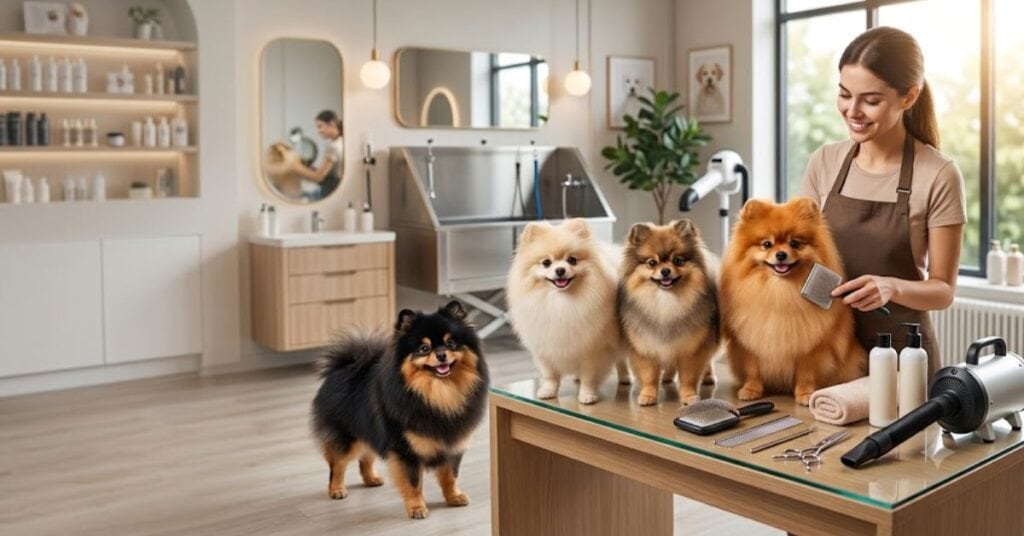
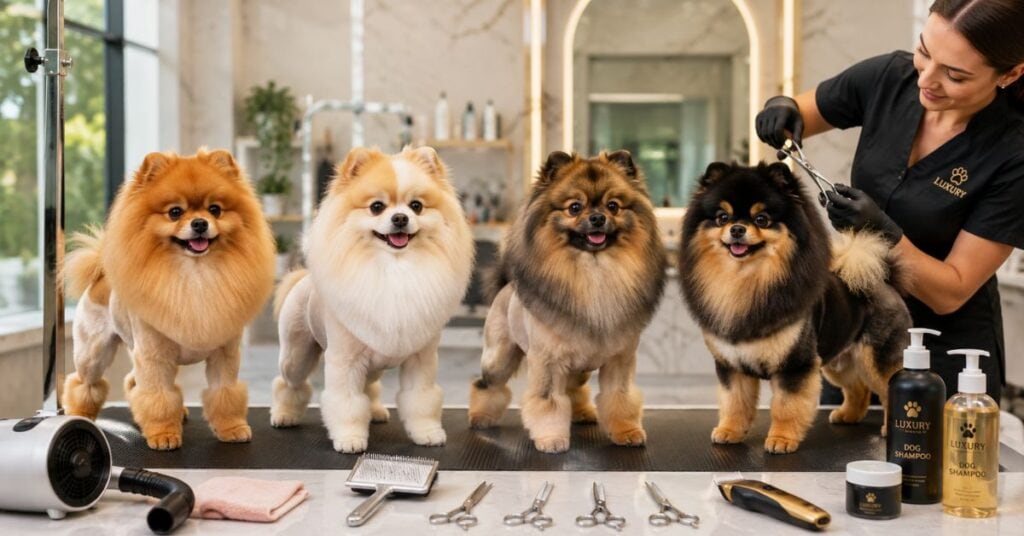
Lulu da Pomerania needs regular grooming because the breed has a thick double coat. Without proper care, the coat can become tangled and dirty. Good grooming also helps reduce shedding and keeps the dog comfortable.

Owners should brush Lulu da Pomerania several times each week. Brushing removes loose hair and prevents mats from forming under the coat. A slicker brush and a metal comb often work best.

Bathing should happen every few weeks or whenever the dog becomes dirty. Mild dog shampoo protects the skin and coat from dryness. Owners should dry the coat completely after baths because trapped moisture can cause skin problems.

Nail trimming also plays an important role in grooming. Long nails can cause pain and walking problems. Owners should trim nails carefully or visit a professional groomer.

Dental care remains very important for Lulu da Pomerania. Small breeds often develop dental disease. Owners should brush the dog’s teeth several times each week.

Ear cleaning helps prevent infections. Owners should check ears regularly for dirt, redness, or bad smells.

Grooming Tools

  • Slicker brush
  • Metal comb
  • Dog shampoo
  • Nail clippers
  • Toothbrush for dogs
  • Ear cleaning solution
  • Grooming scissors
  • Towels and dryer

Grooming Routine

  • Brush coat 3–4 times weekly
  • Bathe every 3–6 weeks
  • Trim nails monthly
  • Brush teeth several times weekly
  • Clean ears regularly
  • Check skin for irritation
  • Remove tangles quickly
  • Visit the groomer if needed

Lulu da Pomerania Training Guide

 Pomerania Training Guide

Training helps Lulu da Pomerania become well-behaved and confident. This breed learns quickly because it has strong intelligence. However, owners should stay patient and consistent during training sessions.

Positive reinforcement works best for Lulu Pomerania. Owners should reward good behavior with praise, treats, or toys. Harsh punishment often creates fear and stubbornness.

House training may take time because small dogs sometimes struggle with bladder control. Owners should follow a regular bathroom schedule and reward success immediately.

Basic commands like sit, stay, come, and leave it help improve safety and behavior. Short daily sessions work better than long training periods.

Socialization also matters greatly. Owners should introduce the dog to different people, sounds, and environments while the dog is young. Early social experiences help reduce fear and excessive barking.

Lulu da Pomerania also enjoys mental challenges. Puzzle toys and simple games help keep the dog entertained and mentally active.

Important Training Tips

  • Use positive rewards
  • Keep sessions short
  • Stay calm and patient
  • Train every day
  • Socialize early
  • Reward good behavior quickly
  • Avoid shouting
  • Use simple commands

Commands Should Learn

  • Sit
  • Stay
  • Come
  • Down
  • Leave it
  • Quiet
  • Wait
  • Drop it

Lulu da Pomerania Exercise Needs

magnific lulu da pomerania exercis 3009995601 (1)

Lulu da Pomerania may look tiny, but this breed still needs regular exercise. Daily activity keeps the dog healthy and prevents boredom. Without enough exercise, the dog may bark excessively or develop destructive habits.

Most Lulu da Pomerania dogs enjoy short walks and indoor games. Owners should avoid extremely long exercise sessions because the breed has a small body.

Interactive toys help the dog stay mentally active. Puzzle toys and fetch games often work very well. Many owners also enjoy teaching simple tricks because the dog learns quickly.

Hot weather can create problems for Pomerania because the thick coat traps heat. Owners should avoid walks during very hot afternoons.

Exercise also supports healthy weight control. Overweight dogs may develop joint and breathing problems.

Best Activities

  • Short daily walks
  • Indoor fetch games
  • Puzzle toys
  • Obedience training
  • Trick training
  • Gentle playtime
  • Supervised outdoor activity
  • Social play with friendly dogs

Signs Need More Exercise

  • Excessive barking
  • Chewing furniture
  • Restlessness
  • Hyperactive behavior
  • Weight gain
  • Attention-seeking behavior
  • Digging or scratching
  • Trouble sleeping

Lulu da Pomerania Health Problems

 Pomerania health problems

Lulu da Pomerania usually lives a long life when owners provide proper care. Many dogs live between 12 and 16 years. However, the breed may develop certain health problems over time.

Dental disease remains one of the most common issues in Lulu da Pomerania. Small teeth often collect plaque quickly. Regular brushing and dental checkups help prevent serious problems.

Some dogs develop luxating patella, which affects the kneecap. This problem can cause limping or discomfort. Healthy weight control helps reduce pressure on joints.

Tracheal collapse also affects some small dogs. This condition makes breathing difficult. Owners should use harnesses instead of neck collars during walks.

Skin allergies sometimes appear in Pomerania. Good grooming and quality food can support healthy skin.

Eye problems may also develop with age. Owners should watch for redness, cloudiness, or discharge.

Regular veterinary visits help detect problems early. Vaccinations, parasite prevention, and healthy nutrition support long-term health.

Common Health Issues

  • Dental disease
  • Luxating patella
  • Tracheal collapse
  • Skin allergies
  • Eye problems
  • Heart disease
  • Obesity
  • Hair loss conditions

Ways to Keep Healthy

  • Visit the vet regularly
  • Feed healthy food
  • Keep a healthy weight
  • Brush teeth often
  • Exercise daily
  • Use safe grooming products
  • Avoid rough handling
  • Keep vaccinations updated

Lulu da Pomerania Puppy Care

 pomerania puppy care

Lulu da Pomerania puppies need extra attention during the early months. Puppies grow quickly and learn important habits during this stage. Good care helps puppies become healthy adult dogs.

Owners should create a safe space for the puppy inside the home. Small puppies can easily injure themselves by jumping from furniture or climbing stairs.

Puppies need regular meals because their small bodies lose energy quickly. High-quality puppy food supports healthy growth.

Training should begin early. Puppies learn simple commands and social skills during the first months. Gentle correction and positive rewards help create good behavior.

Vaccinations protect puppies from dangerous diseases. Owners should follow the veterinarian’s schedule carefully.

Teething may cause chewing behavior. Safe chew toys help protect furniture and shoes.

Puppies also need enough sleep for healthy development. Owners should avoid overstimulation and allow quiet rest periods.

Puppy Supplies

  • Puppy food
  • Food and water bowls
  • Soft bed
  • Puppy toys
  • Grooming brush
  • Puppy harness
  • Training pads
  • Crate for training

Important Puppy Care Tips

  • Feed small meals regularly
  • Start training early
  • Socialize safely
  • Keep dangerous objects away
  • Visit the vet regularly
  • Use positive reinforcement
  • Avoid rough play
  • Give enough sleep

Lulu da Pomerania and Family Life

 Pomerania and family life

Lulu da Pomerania fits well into many families. This breed enjoys human company and often follows its owners around the house. Many families choose this dog because it adapts well to apartment living.

The dog usually bonds strongly with one or two people but still shows affection toward the whole family. Daily interaction helps the dog feel secure and happy.

Families with older children often enjoy Lulu da Pomerania because the dog loves games and attention. However, young children should learn how to handle small dogs carefully.

Lulu Pomerania can also live with other pets when owners introduce them properly. Early socialization helps reduce fear and aggressive behavior.

This breed dislikes long periods alone. Owners who work long hours should provide toys, companionship, or pet sitters.

Many elderly owners also enjoy Lulu Pomerania because the breed needs less space than larger dogs.

Why Families Love

  • Small size for apartments
  • Loving personality
  • Easy indoor activity
  • Loyal companionship
  • Cute appearance
  • Smart behavior
  • Adaptable nature
  • Long lifespan

Challenges of Owning

  • Frequent grooming needs
  • Can bark loudly
  • Fragile body structure
  • Needs daily attention
  • May develop separation anxiety
  • Requires dental care
  • Sensitive to rough handling
  • Sometimes stubborn

Lulu da Pomerania Coat Colors and Appearance

lulu da Pomerania and family life

Lulu da Pomerania comes in many beautiful coat colors. The fluffy coat gives the breed a soft and attractive appearance. Many people choose this dog because of its fox-like face and thick fur.

Orange remains one of the most popular colors. However, owners can also find white, black, cream, chocolate, blue, sable, and mixed colors.

The coat contains two layers. The outer layer stays long and fluffy while the undercoat remains soft and dense. This double coat protects the dog from cold weather.

Regular grooming keeps the coat beautiful and healthy. Without brushing, the undercoat may become tangled.

The breed also has small pointed ears and bright eyes. The curled tail sits proudly over the back.

Popular Pomerania Colors

  • Orange
  • White
  • Cream
  • Black
  • Chocolate
  • Blue
  • Sable
  • Mixed colors

Physical Features

  • Small compact body
  • Thick fluffy coat
  • Fox-like face
  • Bright alert eyes
  • Small pointed ears
  • Curled tail
  • Short legs
  • Soft undercoat

Lulu da Pomerania Living Environment

lulu da living environment

Lulu da Pomerania adapts well to many living situations. The small body size allows the dog to live comfortably in apartments, small homes, or large houses.

Owners should provide a safe indoor environment because the breed can injure itself easily. High furniture and slippery floors may create risks.

The dog enjoys spending time near family members. A quiet sleeping area helps the dog rest comfortably.

Cold weather usually does not bother the Pomerania too much because of its thick coat. However, very hot weather can cause overheating.

Owners should never leave Lulu Pomerania alone outside for long periods. Small dogs face risks from larger animals and extreme temperatures.

Interactive toys and daily activities help prevent boredom indoors.

Best Home Features for

  • Comfortable indoor space
  • Soft bedding
  • Safe play area
  • Air conditioning during the heat
  • Quiet sleeping corner
  • Clean water access
  • Safe chew toys
  • Non-slippery flooring

Safety Tips for Owners

  • Avoid high jumps
  • Use a harness instead of a collar
  • Supervise outdoor activity
  • Keep toxic foods away
  • Protect from heat
  • Watch around larger dogs
  • Keep floors dry
  • Store chemicals safely

Lulu da Pomerania Socialization Guide

lulu da pomerania living environment

Socialization helps Lulu da Pomerania become calm and friendly. Puppies should meet different people, sounds, and places while still young.

Good socialization reduces fear and aggressive behavior later in life. Owners should introduce the dog to new experiences slowly and positively.

Dog parks may help socialization, but owners should choose safe environments with calm dogs. Rough play from larger dogs can injure Lulu da Pomerania.

Visitors at home also help improve social skills. Owners should reward calm behavior during introductions.

Car rides, walks, and different sounds help the dog feel more confident in public.

Ways to Socialize

  • Meet friendly people
  • Visit safe public places
  • Introduce calm dogs
  • Practice car rides
  • Exposure to household sounds
  • Reward calm behavior
  • Attend puppy classes
  • Use positive experiences

Lulu da Pomerania Common Behavior Problems

magnific lulu da pomerania common 3010141137

Some Lulu da Pomerania dogs develop behavior problems when owners ignore training or exercise needs. Most issues improve with patience and consistency.

Excessive barking remains one of the most common complaints. The breed naturally stays alert and vocal. Owners should teach quiet commands early.

Separation anxiety may also appear because Pomerania becomes strongly attached to her owners. Gradual alone-time training helps reduce stress.

Some dogs behave stubbornly during training. Positive reinforcement usually works better than punishment.

Chewing and destructive behavior often happen when the dog feels bored.

Common Behavior Issues

  • Excessive barking
  • Separation anxiety
  • Stubborn behavior
  • Chewing furniture
  • Attention-seeking behavior
  • Fearfulness
  • Resource guarding
  • Hyperactivity

Solutions for Behavior Problems

  • Train consistently
  • Exercise daily
  • Use reward-based training
  • Avoid punishment
  • Give mental stimulation
  • Socialize early
  • Create routines
  • Stay patient

Lulu da Pomerania Travel Tips

Lulu da  living environment

Many owners travel with Lulu da Pomerania because the breed stays small and portable. Proper preparation helps make travel safe and comfortable.

Owners should use secure travel carriers during car rides or flights. Safety harnesses also help during road trips.

Dogs should always carry identification tags and updated vaccination records.

Frequent breaks during long drives help the dog stay comfortable.

Travel-friendly food, water, and toys can reduce stress.

Travel Essentials

  • Travel carrier
  • Water bowl
  • Dog food
  • Leash and harness
  • Vaccination records
  • Waste bags
  • Favorite toys
  • Bl

How to Choose a Healthy Lulu da Pomerania Puppy

How to choose a healthy Lulu da  puppy

Choosing a healthy Lulu da Pomerania puppy requires careful research. Responsible breeders focus on health, temperament, and proper care.

Owners should avoid puppy mills and unhealthy environments. Good breeders allow buyers to see the puppy’s living conditions.

Healthy puppies usually stay playful, curious, and active. Clear eyes, clean ears, and soft coats often show good health.

Owners should ask about vaccinations, deworming, and health checks before buying.

Meeting the puppy’s parents may also help owners understand future size and temperament.

Signs of a Healthy Puppy

  • Bright eyes
  • Clean ears
  • Soft fluffy coat
  • Playful behavior
  • Healthy weight
  • Good appetite
  • Clean environment
  • Proper vaccination records

Questions to Ask the Breeder

  • Has the puppy received vaccines?
  • What food does the puppy eat?
  • Have parents received health tests?
  • How old is the puppy?
  • Has the puppy received socialization?
  • Can I see the parents?
  • Does the puppy have health guarantees?
  • What grooming routine does the puppy follow?

Advantages of Owning

Lulu da Pomerania offers many benefits for dog lovers. The breed combines intelligence, beauty, and companionship in a small body.

Many owners love the dog’s playful personality and loyal behavior. The breed also adapts well to city living.

Lulu da provides emotional support and companionship for many people.

Benefits of

  • Small size
  • Loving personality
  • Attractive appearance
  • Smart and trainable
  • Good apartment dog
  • Long lifespan
  • Strong companionship
  • Fun and playful behavior

Disadvantages of Owning

Every breed also comes with challenges. Owners should understand these responsibilities before bringing the dog home.

The thick coat requires regular grooming. Some dogs bark often without training.

Small body size also makes the breed fragile around rough children or large animals.

Challenges of Ownership

  • Regular grooming needs
  • Frequent barking
  • Fragile body
  • Dental care expenses
  • Separation anxiety risk
  • Sensitive to heat
  • Can act stubborn
  • Needs attention daily

Lulu da Pomerania Daily Care Routine

Pomerania daily care routine

A daily routine helps Lulu da Pomerania stay calm and healthy. Dogs feel safer when owners follow regular schedules.

Morning walks, feeding times, grooming sessions, and playtime help create balance.

Mental stimulation also prevents boredom and stress.

Simple Daily Routine for

  • Morning bathroom break
  • Healthy breakfast
  • Short walk
  • Playtime indoors
  • Grooming check
  • Afternoon rest
  • Evening meal
  • Nighttime cuddle and sleep

Conclusion

Lulu da Pomerania remains one of the most charming small dog breeds in the world. This fluffy companion offers loyalty, intelligence, and playful energy. Owners who provide proper grooming, healthy food, training, and exercise often enjoy many happy years with the breed.

Pomerania fits well into apartments and family homes. The breed loves attention and forms strong emotional bonds with owners. However, responsible ownership requires patience, grooming care, and daily interaction.

Families who understand the breed’s needs usually find Lulu Pomerania loving, entertaining, and rewarding. With good care, this small dog can become a loyal friend for many years.

FAQs

Is Lulu da Pomerania good for apartments?

Yes. Lulu da Pomerania adapts very well to apartment living because of its small size and indoor activity level.

How often should I groom?

Owners should brush their dog’s hair several times each week and bathe the dog every few weeks.

Does Pomerania bark a lot?

Yes. Pomerania often barks because the breed stays alert and protective.

What is the lifespan of Lulu Pomerania?

Most Lulu Pomerania dogs live between 12 and 16 years with proper care.

Is Pomerania easy to train?

Yes. Lulu Pomerania learns quickly when owners use positive reinforcement and consistent training.

Can Lulu Pomerania live with children?

Yes. The breed can live with respectful older children who handle small dogs gently.

Does Lulu Pomerania shed a lot?

Yes. The thick double coat sheds regularly and needs frequent brushing.

May 19, 2026 0 comments
3 FacebookTwitterPinterestEmail
german shepherd pomeranian mix complete owner guide (1)
Pomeranian & Pomeranian Mixes

German Shepherd Pomeranian Mix| Complete Owner Guide

by malikgulnaz626@gmail.com May 18, 2026
written by malikgulnaz626@gmail.com

The German Shepherd Pomeranian Mix is one of the most unique mixed dog breeds. This hybrid combines the intelligence of the German Shepherd with the fluffy charm of the Pomeranian. Many dog lovers call this mix smart, playful, loyal, and protective.

This mixed breed can look very different from one dog to another. Some puppies inherit more German Shepherd traits, while others resemble the Pomeranian parent. Their size, coat, behavior, and energy level can vary a lot.

Families love the German Shepherd Pomeranian Mix because this dog often becomes deeply attached to its owners. These dogs enjoy attention and love spending time with people. They can also become excellent watchdogs because they stay alert and protective.

The mix usually suits active families better than people who prefer a very calm dog. These dogs need daily exercise, training, and mental activities. Without proper activity, they may become bored and noisy.

Many first-time owners become curious about this unusual mix because of its cute appearance and strong personality. However, owners should understand both parent breeds before bringing this dog home. German Shepherds are large working dogs, while Pomeranians are tiny companion dogs. Their mix creates an unpredictable but interesting combination.

The German Shepherd Pomeranian Mix may fit apartment life if owners provide enough exercise. However, larger homes with secure yards often work better for active dogs.

People also admire this hybrid because it often develops strong loyalty toward family members. These dogs may follow their owners everywhere inside the home. They usually enjoy playtime, walks, and learning new tricks.

Before choosing this mixed breed, owners should learn about grooming needs, training methods, health issues, and feeding requirements. Proper care helps these dogs live happy and healthy lives for many years.

History of German Shepherd Pomeranian Mix

history of german shepherd

The German Shepherd Pomeranian Mix does not have a long official history like purebred dogs. Breeders likely created this mix to combine the intelligence and protection skills of the German Shepherd with the compact size and fluffy appearance of the Pomeranian.

The parent breeds have very different backgrounds.

The German Shepherd originated in Germany during the late 1800s. Breeders developed this dog for herding sheep and protecting farms. Over time, people started using German Shepherds in police work, military jobs, and search-and-rescue missions. This breed became famous for intelligence, courage, and obedience.

The Pomeranian also came from Germany and nearby European regions. However, breeders reduced the dog’s size over many years. The modern Pomeranian became a small companion dog with a thick, fluffy coat and lively personality.

When breeders crossed these two breeds, they created a highly unusual hybrid. The size difference between the parent breeds makes natural breeding difficult in many cases. Breeders often use careful breeding methods to produce healthy puppies safely.

The German Shepherd Pomeranian Mix remains rare compared to other designer dogs. Because of this, many people still know very little about the breed.

Owners often choose this mix because they want:

  • A loyal family dog
  • A smart companion
  • A fluffy appearance
  • A protective personality
  • A unique mixed breed

Some dogs inherit strong guarding instincts from the German Shepherd side. Others show more playful and social behavior from the Pomeranian parent.

Since mixed breeds vary greatly, no two dogs look exactly alike. Some puppies grow medium-sized with long, fluffy fur. Others stay smaller with shorter coats.

The growing popularity of mixed breeds has increased interest in the German Shepherd Pomeranian Mix in recent years. Many dog lovers now prefer hybrids because they enjoy unique appearances and personalities.

Responsible breeders focus on health, temperament, and proper socialization. Good breeders also test parent dogs for inherited health conditions before breeding.

Even though this mix remains uncommon, many owners describe these dogs as loving, intelligent, and entertaining companions.

German Shepherd Pomeranian Mix Appearance

Shepherd Pomeranian mix appearance

The appearance of the German Shepherd Pomeranian Mix can vary more than many other mixed breeds. Since the parent dogs look very different, puppies may inherit a wide range of features.

Some dogs resemble small German Shepherds with fluffy coats. Others look like oversized Pomeranians with shepherd-like coloring.

Most dogs develop medium-length or long, fluffy fur. Their coats often appear thick and soft. Common coat colors include:

Common Coat Colors

  • Black and tan
  • Cream
  • Brown
  • White
  • Sable
  • Orange
  • Mixed patterns

The ears may stand upright like both parent breeds. Some puppies develop large, pointed ears that give them an alert expression.

Eye colors usually include:

Eye Colors

  • Dark brown
  • Hazel
  • Amber

The body shape depends heavily on genetics. Some dogs inherit the muscular structure of the German Shepherd. Others stay compact and lightweight, like the Pomeranian.

The tail often appears fluffy and curled slightly upward. Many owners love the fox-like appearance of this mix.

Size can vary greatly because of the huge difference between the parent breeds.

FeaturePossible Range
Height10–22 inches
Weight15–60 pounds
Lifespan10–15 years

Some breeders produce smaller dogs, while others produce medium-sized companions.

The coat of the German Shepherd Pomeranian Mix usually sheds throughout the year. Heavy seasonal shedding may happen during weather changes.

Many people find this mix visually attractive because each dog looks unique. Their fluffy fur, bright eyes, and alert faces often attract attention during walks.

Owners should remember that appearance can never be guaranteed in mixed breeds. Puppies from the same litter may look completely different from each other.

German Shepherd Pomeranian Mix Temperament

German Shepherd temperament

The German Shepherd Pomeranian Mix usually develops a loyal, energetic, and intelligent personality. This dog often forms strong bonds with family members and enjoys staying close to people.

Many owners describe this mix as affectionate and playful. However, the dog may also inherit protective instincts from the German Shepherd parent.

Early training and socialization play a major role in shaping temperament. Without proper guidance, some dogs may become overly protective or stubborn.

Most dogs in this mix enjoy active lifestyles. They love games, walks, and mental challenges. Bored dogs may bark excessively or chew household items.

The mix often performs well with families because it enjoys attention and interaction. However, owners should supervise small children around any dog.

Common personality traits include:

Personality Traits

  • Loyal
  • Alert
  • Intelligent
  • Energetic
  • Curious
  • Protective
  • Playful

Some dogs act very confident and outgoing. Others behave cautiously around strangers.

The German Shepherd Pomeranian Mix may become an excellent watchdog because it stays aware of its surroundings. Many dogs bark when strangers approach the house.

Socialization helps reduce nervous behavior. Owners should introduce puppies to:

Socialization Activities

  • Different people
  • Other dogs
  • New environments
  • Car rides
  • Sounds and noises
  • Public places

These dogs usually learn quickly because both parent breeds rank among intelligent dogs. Positive reinforcement training works best.

Harsh punishment may create fear or stubbornness. Owners should use rewards, praise, and consistency instead.

The mix may also inherit the Pomeranian’s bold personality. Small dogs often behave fearlessly despite their size.

Many families enjoy the fun and entertaining nature of this hybrid. These dogs often create strong emotional connections with owners and enjoy participating in daily activities.

Proper exercise and attention help maintain balanced behavior. Dogs that receive enough mental stimulation usually behave much better inside the home.

German Shepherd Pomeranian Mix Size and Growth

 pomeranian mix size and growth

The size of the German Shepherd Pomeranian Mix remains difficult to predict. The parent breeds differ greatly in weight and height, so puppies can develop many different body sizes.

Some dogs stay relatively small, while others grow into medium-sized companions.

Breeders usually use smaller German Shepherd lines to produce safer pairings. Even then, size can vary between puppies from the same litter.

Most adult dogs fall into the medium-size category. However, genetics strongly influence final growth.

AgeAverage Weight
2 Months5–12 pounds
4 Months10–25 pounds
6 Months15–35 pounds
Adult15–60 pounds

Owners should not overfeed puppies during growth stages. Rapid weight gain can stress developing joints and bones.

The German Shepherd Pomeranian Mix usually reaches full height between 10 and 14 months. Some dogs continue filling out until 18 months.

Growth depends on several factors:

Growth Factors

  • Genetics
  • Diet quality
  • Exercise
  • Overall health
  • Breeding practices

Smaller dogs may adapt better to apartment living. Larger dogs often require more space and exercise.

Owners should ask breeders about the size of the parent dogs to estimate adult size more accurately.

Weight management remains important throughout life. Obesity increases the risk of health problems and joint issues.

Regular veterinary visits help owners track healthy development during puppyhood.

The mix may inherit the athletic body of the German Shepherd or the compact structure of the Pomeranian. This creates many possible body shapes.

Despite size differences, most dogs in this mix stay active and energetic. Daily exercise supports healthy muscles and mental well-being.

Many owners enjoy the unpredictable nature of this hybrid because each dog develops its own unique appearance and body structure.

German Shepherd Pomeranian Mix Grooming Needs

 Shepherd Pomeranian Mix Grooming Needs

The German Shepherd Pomeranian Mix usually needs regular grooming because both parent breeds have thick coats. Proper grooming keeps the dog comfortable and reduces loose fur around the home.

Most dogs shed moderately or heavily throughout the year. Seasonal shedding may become intense during spring and fall.

Owners should brush the coat several times each week. Daily brushing often works best for long-haired dogs.

Regular grooming helps:

Grooming Benefits

  • Remove loose hair
  • Prevent tangles
  • Reduce shedding
  • Keep skin healthy
  • Improve coat appearance

A slicker brush and undercoat rake often work well for thick fur.

Bathing every 6–8 weeks usually keeps the coat clean without drying the skin. Owners should use gentle dog shampoos made for sensitive skin.

The German Shepherd Pomeranian Mix may also need regular trimming around the paws and ears.

Important grooming tasks include:

Grooming Tasks

  • Nail trimming
  • Ear cleaning
  • Teeth brushing
  • Coat brushing
  • Eye cleaning

Dental care remains extremely important. Small breeds like Pomeranians often develop dental problems later in life.

Owners should brush the dog’s teeth several times each week to reduce plaque buildup.

Ear cleaning helps prevent infections, especially in dogs with thick fur near the ears.

Professional grooming may help owners manage heavy shedding and coat maintenance.

Many dogs enjoy grooming sessions if owners start grooming routines early during puppyhood.

Regular grooming also allows owners to check for skin problems, fleas, bumps, or injuries.

The fluffy appearance of this mix attracts many people, but owners should prepare for frequent brushing and vacuuming.

Proper grooming keeps the German Shepherd Pomeranian Mix healthy, clean, and comfortable throughout the year.

German Shepherd Pomeranian Mix Training Tips

german  pomeranian mix training tips

Training the German Shepherd Pomeranian Mix usually becomes easier because both parent breeds are intelligent. However, this mix may also develop stubborn behavior if owners fail to train consistently.

Early training creates better habits and stronger obedience.

Puppies should start learning basic commands as early as possible. Short training sessions work best because young dogs lose focus quickly.

Important commands include:

Basic Commands

  • Sit
  • Stay
  • Come
  • Leave it
  • Down
  • Heel

Positive reinforcement produces the best results. Owners should reward good behavior with:

Training Rewards

  • Treats
  • Praise
  • Toys
  • Playtime

Harsh punishment can damage trust and create fear.

The German Pomeranian Mix often learns quickly because of the strong intelligence from both parent breeds. Many dogs enjoy problem-solving activities and obedience games.

Mental stimulation matters as much as physical exercise.

Good mental activities include:

Mental Stimulation Ideas

  • Puzzle toys
  • Hide-and-seek
  • Obstacle courses
  • Trick training
  • Interactive games

Some dogs inherit strong protective instincts from the German Shepherd side. Owners should socialize puppies early to prevent excessive barking or nervous behavior.

Training should stay consistent. Mixed messages confuse dogs and slow progress.

Owners should also teach leash manners early because energetic dogs may pull strongly during walks.

Crate training often helps with housebreaking and provides a safe resting space.

The German Shepherd Mix may become vocal if owners ignore training and exercise needs. Bored dogs often bark more frequently.

Many owners find this mix enjoyable to train because these dogs respond well to attention and praise.

Patience and consistency help create a well-behaved companion.

German Shepherd Pomeranian Mix Exercise Requirements

german shepherd mix exercise requirements

The German Shepherd Pomeranian Mix usually needs daily exercise to stay healthy and happy. This dog often inherits high energy levels from the German Shepherd parent.

Without enough activity, dogs may become restless and destructive.

Most dogs need at least 45–90 minutes of daily exercise, depending on size and energy level.

Good exercise activities include:

Exercise Ideas

  • Daily walks
  • Fetch games
  • Hiking
  • Running
  • Tug games
  • Agility practice

Mental exercise also matters greatly. Intelligent dogs need activities that challenge the brain.

Interactive toys and training sessions help prevent boredom.

The German Pomeranian Mix may adapt to apartment living if owners provide enough walks and playtime. However, larger homes with yards often work better.

Owners should avoid over-exercising young puppies because developing joints remain sensitive.

Swimming may help some dogs burn energy safely while protecting joints.

Exercise also improves behavior. Dogs that receive enough activity usually bark less and relax more indoors.

Signs of insufficient exercise include:

Signs of Low Activity

  • Excessive barking
  • Chewing furniture
  • Digging
  • Hyperactivity
  • Restlessness

Weather conditions also affect exercise routines. Thick-coated dogs may overheat during hot summer days.

Owners should provide water and avoid intense exercise during extreme heat.

The German Shepherd Pomeranian Mix usually enjoys spending time outdoors with family members. These dogs often love interactive activities more than being left alone in the yard.

Regular exercise supports physical health, mental balance, and emotional well-being.

German Shepherd Pomeranian Mix Feeding Guide

german shepherd mix feeding guide

The German Shepherd Pomeranian Mix needs balanced nutrition to maintain healthy growth and energy levels. Feeding requirements depend on size, age, and activity level.

Puppies need food designed for growing dogs. Adult dogs require balanced diets that support healthy weight management.

High-quality dog food should contain:

Important Nutrients

  • Protein
  • Healthy fats
  • Vitamins
  • Minerals
  • Fiber

Protein supports muscles and energy. Healthy fats improve skin and coat quality.

Owners should divide meals into smaller portions during puppyhood.

AgeMeals Per Day
2–4 Months4 meals
4–6 Months3 meals
Adult2 meals

The German Shepherd Pomeranian Mix may gain weight easily if owners overfeed treats or table scraps.

Fresh water should remain available at all times.

Some dogs may develop food sensitivities. Owners should watch for symptoms like:

Food Allergy Signs

  • Itchy skin
  • Ear infections
  • Digestive issues
  • Excessive licking

Veterinarians can help owners choose the best diet based on health and activity levels.

Large dogs may benefit from foods that support joint health. Smaller dogs may need smaller kibble sizes.

Owners should avoid sudden diet changes because they may upset digestion.

Healthy treats can support training while maintaining proper nutrition.

The German Shepherd Pomeranian Mix often stays active, so balanced nutrition plays a major role in long-term health and energy.

German Shepherd Pomeranian Mix Health Problems

Pomeranian mix health problems

The German Shepherd Pomeranian Mix may inherit health problems from either parent breed. Responsible breeding helps reduce many risks, but owners should still understand common issues.

Regular veterinary care helps detect problems early.

Possible health conditions include:

Common Health Problems

  • Hip dysplasia
  • Dental disease
  • Allergies
  • Eye problems
  • Patellar luxation
  • Heart issues

German Shepherds often face joint problems, while Pomeranians commonly develop dental issues and knee problems.

Maintaining a healthy body weight helps reduce pressure on joints.

The German Shepherd Pomeranian Mix may also experience skin problems if grooming routines are poor.

Owners should schedule regular checkups and vaccinations.

Warning signs of illness include:

Signs of Health Problems

  • Loss of appetite
  • Limping
  • Excessive scratching
  • Low energy
  • Vomiting
  • Weight changes

Daily exercise and healthy food support long-term wellness.

Good breeders perform health testing on parent dogs before breeding puppies.

Dental care remains extremely important because small-breed genetics may increase the risk of dental problems later in life.

Many dogs in this mix live healthy lives with proper care and nutrition.

The average lifespan ranges from 10 to 15 years, depending on genetics and overall health.

Owners who provide preventive care often help their dogs stay healthier longer.

Is a German Shepherd Pomeranian Mix Good for Families?

 shepherd pomeranian mix good for families

The German Shepherd Pomeranian Mix can become an excellent family dog when owners provide proper training and socialization.

These dogs usually form strong emotional bonds with family members.

Many dogs enjoy playing with children, but supervision always matters.

Families often love this mix because the dog combines:

Family-Friendly Traits

  • Loyalty
  • Intelligence
  • Playfulness
  • Alertness
  • Affection

Some dogs may act protective around strangers due to German Shepherd genetics.

Early socialization helps foster calm, friendly behavior.

The German Shepherd Mix usually enjoys active homes where people spend time exercising and playing with the dog.

These dogs may struggle with long periods alone because they enjoy companionship.

Families with other pets should introduce animals carefully and gradually.

Children should learn proper dog handling to avoid stress or rough behavior.

This mix may suit:

Best Home Types

  • Active families
  • Experienced dog owners
  • Homes with yards
  • People who enjoy training

The dog may not suit owners who want a very quiet or low-energy pet.

Most dogs become loving companions when owners provide attention, structure, and exercise.

The German Shepherd Pomeranian Mix often becomes deeply attached to family routines and activities.

Many owners describe these dogs as entertaining, loyal, and highly interactive companions.

FAQs 

Is a German Shepherd Pomeranian Mix rare?

Yes. The German Shepherd Pomeranian Mix remains a rare mixed breed because breeders must carefully manage the large size difference between the parent dogs.

How big does a German Shepherd Pomeranian Mix get?

Most dogs weigh between 15 and 60 pounds, depending on genetics, diet, and breeding.

Does the German Shepherd Pomeranian Mix shed a lot?

Yes. This mix usually sheds moderately to heavily because both parent breeds have thick coats.

Is the German Shepherd Pomeranian Mix easy to train?

Yes. Most dogs learn quickly because they inherit intelligence from both parent breeds. Consistent positive training works best.

Can a German Shepherd Pomeranian Mix live in apartments?

Yes, some dogs adapt well to apartments if owners provide enough exercise and mental stimulation daily.

How long does a German Shepherd Pomeranian Mix live?

Most dogs live between 10 and 15 years with proper care, healthy food, and regular veterinary visits.

Is a German Shepherd Pomeranian Mix good with kids?

Many dogs behave well with children when owners train and socialize them properly from a young age.

May 18, 2026 0 comments
2 FacebookTwitterPinterestEmail
best baby nail clippers dog owners need for safe grooming (1)
Pet Grooming & Accessories

Best Baby Nail Clippers Dog Owners Need for Safe Grooming

by malikgulnaz626@gmail.com May 17, 2026
written by malikgulnaz626@gmail.com

Dog nail care keeps pets healthy and comfortable. Many pet owners search for the best baby nail clippers dog products because they want safer grooming tools for puppies and small dogs. Large nail clippers often feel difficult to control. Small baby-style nail clippers help owners trim nails carefully without hurting their pets.

Long dog nails can create pain during walking. They can also break, split, or curl into the paw pads. Dogs with long nails may struggle to run and play comfortably. Regular trimming protects the paws and improves movement.

Many dog owners feel nervous before trimming nails. They worry about cutting quickly and causing bleeding. Small baby-style nail clippers reduce fear because they feel lighter and easier to control. They also help beginners handle tiny puppy nails with more confidence.

Professional groomers and veterinarians recommend sharp stainless steel blades, comfortable grips, and safety features when choosing dog nail clippers. Good tools make grooming easier and safer. Cheap clippers often pull the nail instead of cutting it cleanly.

The best baby nail clippers dog owners use should match the size of the dog. Puppies and toy breeds need smaller tools because their nails stay thin and delicate. Oversized clippers can slip and create accidents.

Dog owners should also train their pets slowly during grooming sessions. Calm handling and rewards help dogs feel safe. Many dogs learn to relax during nail trimming when owners stay patient and gentle.

This detailed guide explains everything about choosing and using the best baby nail clippers dog owners trust in 2026.

Why Best Baby Nail Clippers Dog Owners Use Matter

why best baby nail tter

Choosing the right grooming tool affects your dog’s comfort and safety. Many people think all nail clippers work the same way, but that idea creates problems during grooming. Poor-quality tools can hurt the dog and make future nail trimming stressful.

The best baby nail clippers dog owners choose usually offer better control for small paws. Puppies move suddenly during grooming sessions. Tiny clippers help owners react quickly and trim carefully.

Small grooming tools work well for:

  • Puppies
  • Toy breeds
  • Senior dogs
  • Nervous dogs
  • First-time pet owners

Many large nail clippers feel bulky around tiny paws. Baby-style clippers allow better visibility during trimming. Owners can clearly see where the nail ends and where the quick begins.

Dog nails contain blood vessels and nerves inside the quick. Cutting too deeply creates pain and bleeding. Small clippers reduce this risk because they trim smaller sections at a time.

Good nail care also improves posture and walking. Dogs with long nails often place pressure on their joints. Over time, this pressure can affect movement and balance.

The best baby nail clippers dog owners buy should stay sharp for a long time. Sharp blades cut quickly without crushing the nail. Dull blades pull and crack the nail, which creates discomfort.

Many dog owners also prefer baby-style clippers because they feel less intimidating. Some dogs fear large metal grooming tools. Smaller tools appear gentler and quieter.

Regular grooming sessions also help owners check paw health. During nail trimming, owners can inspect the paws for:

  • Cracks
  • Swelling
  • Infections
  • Injuries
  • Dry skin

Healthy grooming habits protect dogs from many common paw problems.

Best Baby Nail Clippers Dog Owners Should Look For

baby nail dog owners should look for

Dog owners should never buy grooming tools without checking the features carefully. Good nail clippers improve safety and comfort during every grooming session.

The best baby nail clippers dog owners trust usually include strong materials, sharp blades, and comfortable handles.

Sharp Stainless Steel Blades

Sharp blades improve cutting quality.

  • Create smooth cuts
  • Reduce nail cracking
  • Prevent pulling
  • Lower pain during trimming
  • Stay sharp longer

Stainless steel blades resist rust and remain durable after repeated use.

Comfortable Grip Handles

Comfortable grips improve hand control.

  • Prevent slipping
  • Reduce hand fatigue
  • Improve trimming accuracy
  • Help nervous owners
  • Increase safety

Rubber handles often provide better grip than smooth plastic handles.

Safety Guard

Safety guards help beginners avoid over-cutting.

  • Limit deep cuts
  • Improve confidence
  • Reduce accidents
  • Help first-time users

Some experienced groomers remove safety guards because they prefer a clear view of the nail.

Small Lightweight Design

Small clippers work best for puppies and toy breeds.

  • Easier handling
  • Better visibility
  • More control
  • Less pressure on paws
  • Safer trimming

Heavy tools can feel difficult around tiny dog nails.

Quiet Operation

Quiet grooming tools reduce stress.

  • Help anxious dogs
  • Prevent panic
  • Create calm sessions
  • Improve cooperation

Many dogs dislike loud grinding sounds.

The best baby nail clippers dog owners buy should combine safety, comfort, and durability.

Best Baby Nail Clippers Dog Owners Can Choose From

best baby nail clippers dog owners should look for (1)

Different grooming tools work for different dogs. Some dogs stay calm during clipping. Others prefer grinding tools instead.

The best baby nail clippers dog owners use often depend on the dog’s size, age, and personality.

Scissor-Style Clippers

Scissor-style clippers remain very popular.

  • Easy to control
  • Great for small nails
  • Beginner friendly
  • Comfortable grip
  • Better visibility

Many groomers recommend scissor-style clippers for puppies.

Guillotine Clippers

Guillotine clippers use a sliding blade.

  • Compact design
  • Fast cutting
  • Lightweight feel
  • Good for tiny nails

Some owners find guillotine clippers harder to control.

Nail Grinders

Grinders file nails slowly instead of clipping.

  • Smooth nail finish
  • Lower quick injury risk
  • Good for dark nails
  • Useful for nervous owners

Some dogs dislike grinder vibrations and sound.

Electric Quiet Grinders

Modern quiet grinders reduce grooming stress.

  • Low noise
  • Gentle filing
  • Better for anxious dogs
  • Smooth results

These grinders work well for dogs that fear traditional clippers.

Durability of Professional Grooming Clippers

Why Invest in Professional Grooming Tools?

  • Strong construction
  • Sharp blades
  • Comfortable handling
  • Reliable cutting
  • Suitable for regular use

Professional clippers often cost more but last longer.

Dog owners should test different grooming tools carefully to find the best option for their pets.

How Best Baby Nail Clippers Dog Owners Use to Improve Grooming Safety

How  baby nail dog owners  improve grooming safety

Safe nail trimming protects dogs from injuries and fear. Many dogs develop anxiety after painful grooming experiences. Owners should use careful methods during every trimming session.

The best baby nail clippers dog owners trust improve safety because they provide better accuracy and control.

Before trimming, owners should prepare a calm environment. Loud sounds and sudden movements can scare dogs.

Owners should:

  • Choose a quiet room
  • Stay calm
  • Hold paws gently
  • Keep treats nearby
  • Avoid rushing

Dogs notice nervous energy quickly. Calm owners help dogs feel safe.

The quick appears pink inside light-colored nails. Black nails require extra care because the quick is harder to see.

Owners should:

  • Trim small amounts
  • Use bright lighting
  • Stop often
  • Watch the nail center
  • Reward calm behavior

Many owners cut too much nail because they rush. Small, careful cuts reduce mistakes.

The best baby nail clippers dog owners buy should feel stable in the hand. Slippery handles increase accident risks.

Positive rewards improve grooming success. Dogs learn faster when owners connect nail trimming with treats and praise.

Helpful rewards include:

  • Small treats
  • Gentle praise
  • Favorite toys
  • Calm petting

Short grooming sessions also help nervous dogs. Owners do not need to trim every nail in one sitting.

Safe grooming habits build trust over time.

Common Mistakes With Best Baby Nail Clippers Dog Grooming

common mistakes with best baby nail clippers dog grooming

Many dog owners make grooming mistakes without realizing it. These mistakes can hurt the dog and create fear during future sessions.

The best baby nail clippers dog owners use can only help when owners follow safe grooming habits.

Cutting the Quick

Cutting the quick causes pain and bleeding.

  • Happens during deep trimming
  • Creates fear
  • Makes dogs avoid grooming
  • Can damage trust

Owners should trim tiny amounts slowly.

Using Dull Clippers

Dull blades damage the nail.

  • Crush nails
  • Pull nail edges
  • Cause pain
  • Create rough cuts

Owners should replace dull clippers quickly.

Using Human Nail Clippers

Human nail clippers do not match dog nail shapes.

  • Poor cutting angle
  • Increased splitting
  • Less control
  • Greater injury risk

Dog grooming tools work much better.

Rushing the Process

Fast trimming creates stress.

  • Dogs become anxious
  • Owners make mistakes
  • Sessions feel unsafe
  • Trust decreases

Calm trimming improves results.

Ignoring Paw Handling Practice

Many owners only touch paws during grooming.

  • Dogs become nervous
  • Pulling increases
  • Fear develops

Owners should touch paws gently every day.

Choosing Oversized Clippers

Large clippers reduce accuracy.

  • Hard to control
  • Poor visibility
  • More pressure on nails
  • Increased accidents

Small clippers work better for puppies and toy breeds.

Avoiding these mistakes helps create positive grooming experiences.

How to Use Best Baby Nail Clippers Dog Owners Buy

How to use best  dog owners buy

Many first-time dog owners feel nervous during nail trimming. Proper steps make grooming easier and safer.

The best baby nail clippers dog owners choose work best when owners stay patient and calm.

Step 1: Prepare the Area

A quiet environment improves focus.

  • Choose bright lighting
  • Sit comfortably
  • Keep treats ready
  • Remove distractions

Dogs relax faster in calm spaces.

Step 2: Calm Your Dog

Owners should help dogs feel safe before trimming.

  • Pet the dog gently
  • Speak calmly
  • Hold paws softly
  • Reward relaxed behavior

Never force the dog aggressively.

Step 3: Check the Nails

Owners should inspect the nails carefully.

  • Find the quick
  • Check nail thickness
  • Look for cracks
  • Watch for infections

Healthy nails trim more easily.

Step 4: Trim Small Sections

Small cuts improve safety.

  • Clip tiny amounts
  • Watch reactions
  • Stop often
  • Avoid deep cuts

Rushing increases mistakes.

Step 5: Reward After Trimming

Rewards build positive habits.

  • Give treats
  • Offer praise
  • Play gently
  • Keep sessions happy

Dogs remember positive grooming experiences.

Step 6: Smooth Sharp Edges

Owners can file rough edges gently.

  • Use a grinder
  • Use a nail file
  • Remove sharp points
  • Improve comfort

Smooth nails protect furniture and skin.

Regular practice improves confidence for both dogs and owners.

Why Puppies Need the Best Baby Nail Clippers Dog Owners Trust

Why Puppies Need Dog Owners Trust

Puppies require extra care during grooming because their paws stay sensitive and delicate.

The best baby nail clippers dog owners buy for puppies should feel lightweight and gentle.

Puppies often move suddenly during grooming sessions. Large clippers can slip easily around tiny paws. Small grooming tools allow better control.

Puppy nails also grow quickly. Frequent trimming helps puppies get used to grooming early.

Early training creates:

  • Better grooming habits
  • Lower anxiety
  • Increased trust
  • Easier future care
  • Calm adult behavior

Many veterinarians recommend introducing grooming slowly during puppyhood.

Owners should:

  • Touch paws daily
  • Show clippers calmly
  • Reward cooperation
  • Keep sessions short
  • Stay patient

Puppies learn through repetition and rewards.

The best baby nail clippers dog owners use for puppies should never feel heavy or sharp around the skin. Tiny clippers improve accuracy and reduce accidents.

Puppies may chew or scratch after trimming if owners cut too deeply. Gentle trimming helps avoid discomfort.

Owners should also check paws often for:

  • Dryness
  • Irritation
  • Dirt buildup
  • Injuries
  • Nail cracks

Healthy paw care supports healthy growth.

Small positive grooming sessions during puppyhood create better long-term behavior.

Best Baby Nail Clippers Dog Owners Use for Small Breeds

baby dog owners use for small breeds

Toy breeds and small dogs often need specialized grooming tools.

The best baby nail clippers dog owners use for small breeds should provide high precision.

Small dogs usually have:

  • Thin nails
  • Tiny paws
  • Delicate joints
  • Sensitive skin
  • Fast movements

Large grooming tools can feel dangerous around tiny nails.

Popular small breeds include:

  • Chihuahua
  • Maltese
  • Pomeranian
  • Yorkie
  • Shih Tzu
  • Toy Poodle

These breeds often require regular nail trimming because indoor lifestyles reduce natural nail wear.

Owners should trim small breed nails every few weeks.

Signs nails need trimming include:

  • Clicking sounds on floors
  • Curved nail shape
  • Trouble walking
  • Paw discomfort
  • Scratching injuries

The best baby nail clippers dog owners buy for small breeds should include sharp blades and comfortable grips.

Many small dogs also fear loud grooming tools. Quiet nail clippers and grinders reduce stress.

Owners should always support the paw gently during trimming. Sudden twisting movements can hurt small joints.

Small breed dogs benefit greatly from calm and consistent grooming routines.

Benefits of Using Best Baby Nail Clippers Dog Owners Recommend

benefits of using bestclippers dog owners recommend

Good grooming tools provide many benefits for dogs and owners.

The best baby nail clippers dog owners recommend improve safety, comfort, and confidence during grooming sessions.

Better Nail Health

Regular trimming protects nails.

  • Prevents splitting
  • Reduces cracking
  • Stops overgrowth
  • Protects paw pads

Healthy nails support better walking.

Improved Comfort

Short nails reduce pain.

  • Easier movement
  • Better balance
  • Comfortable walking
  • Less joint pressure

Dogs stay more active with healthy nails.

Lower Grooming Stress

Small clippers feel easier to manage.

  • Better control
  • Reduced fear
  • Faster trimming
  • Improved confidence

Calm sessions improve cooperation.

Safer Grooming

Good tools reduce accidents.

  • Better visibility
  • Cleaner cuts
  • Less slipping
  • Improved precision

Owners feel more comfortable during trimming.

Stronger Bond With Your Dog

Gentle grooming builds trust.

  • Positive interaction
  • Better communication
  • Reduced anxiety
  • Increased confidence

Dogs learn to trust calm owners.

Better Paw Care Monitoring

Regular trimming helps owners inspect paws.

  • Check injuries
  • Notice infections
  • Find swelling
  • Spot nail damage

Early detection improves treatment.

The right grooming tools make nail care easier and safer for every dog owner.

Best Baby Nail Clippers Dog Owners Should Avoid

baby dog owners should avoid

Some grooming products create more problems than benefits.

The best baby nail clippers dog owners use should feel durable, safe, and easy to control.

Cheap Plastic Clippers

Cheap clippers break quickly.

  • Weak construction
  • Poor cutting power
  • Slippery handles
  • Uneven trimming

Low-quality tools increase injury risks.

Rusted Blades

Old blades damage nails.

  • Rough cuts
  • Painful trimming
  • Nail splitting
  • Infection risk

Owners should replace damaged clippers immediately.

Loud Grinders

Some grinders scare dogs.

  • Loud noise
  • Strong vibration
  • Increased anxiety
  • Poor cooperation

Quiet grinders work better for sensitive pets.

Oversized Clippers

Large tools reduce precision.

  • Hard to handle
  • Poor visibility
  • Increased mistakes
  • Extra pressure on nails

Small clippers remain safer for puppies and toy breeds.

Weak Safety Locks

Poor locks create accidents.

  • Unexpected opening
  • Unsafe storage
  • Blade damage
  • Injury risk

Owners should store clippers safely after every use.

Avoiding poor-quality grooming tools improves safety and comfort.

Product Comparison Table for Best Baby Nail Clippers Dog Owners Use

Product TypeBest ForNoise LevelSafetyEase of UseDurability
Scissor-Style ClippersPuppies and toy breedsQuietHighEasyHigh
Guillotine ClippersTiny nailsQuietMediumModerateMedium
Quiet Nail GrinderNervous dogsLowVery HighModerateHigh
Professional ClippersFrequent groomingQuietHighEasyVery High
Electric GrinderSmooth nail finishMediumHighModerateHigh

How Often Should Dog Owners Trim Their Best Baby Nail Clippers

how often should dog owners trim their

Regular trimming keeps dogs comfortable and healthy.

The best baby nail clippers dog owners use work best when grooming stays consistent.

Most dogs need nail trimming every 3 to 4 weeks. Some active dogs naturally wear their nails down during outdoor walks.

Indoor dogs often need more frequent trimming.

Signs your dog needs trimming include:

  • Clicking sounds on floors
  • Curved nails
  • Paw licking
  • Trouble walking
  • Scratching injuries

Owners should not wait until nails become extremely long.

Long nails can:

  • Change posture
  • Cause joint pain
  • Create balance issues
  • Increase injury risks

Puppies may require more frequent trimming because their nails grow quickly.

The best baby nail clippers dog owners trust help maintain a simple grooming routine.

Consistent grooming also helps dogs stay calm because they become familiar with the process.

Short, frequent sessions work much better than rare, stressful grooming sessions.

Final Thoughts

Choosing the right grooming tool makes nail trimming easier and safer. The best baby nail clippers dog owners trust usually provide sharp blades, strong safety features, and comfortable handling.

Small grooming tools work especially well for puppies and toy breeds because they improve precision and reduce fear.

Owners should focus on:

  • Regular trimming
  • Calm handling
  • Positive rewards
  • Sharp blades
  • Safe grooming habits

Dogs feel more comfortable when owners stay patient and gentle. Short positive grooming sessions create better long-term behavior. The best baby nail clippers dog owners buy should help both pets and owners feel calm during every grooming session.

FAQs 

Can I use baby nail clippers on my puppy?

Yes. Many owners use baby-style nail clippers for puppies because they provide better control and precision.

How often should I trim my dog’s nails?

Most dogs need nail trimming every 3 to 4 weeks. Puppies may need more frequent trimming.

Are grinders safer than clippers?

Grinders reduce the risk of cutting the quick, but some dogs dislike the sound and vibration.

What should I do if I cut the quick?

Use styptic powder or cornstarch to stop bleeding. Stay calm and comfort your dog.

Why does my dog hate nail trimming?

Many dogs fear nail trimming due to painful past experiences or a lack of training.

What type of clipper works best for small dogs?

Scissor-style baby nail clippers usually work best for toy breeds and puppies.

Should I use human nail clippers for dogs?

No. Human nail clippers do not match dog nail shapes and may cause splitting or injury.

May 17, 2026 0 comments
2 FacebookTwitterPinterestEmail
best mustache clippers dog owners should buy in 2026
Pet Grooming & Accessories

Best Mustache Clippers Dog Owners Should Buy in 2026

by malikgulnaz626@gmail.com May 16, 2026
written by malikgulnaz626@gmail.com

Dog grooming needs care, patience, and the right tools. Face grooming becomes even more important when your dog has long hair around the mouth. Many breeds grow thick mustache hair that traps food, dirt, and water. This problem can create a smell, skin irritation, and messy fur. That is why many pet owners search for the best mustache clippers that dog grooming experts recommend.

The right clipper makes grooming safe and easy. A bad clipper can pull hair, scare your dog, or cut unevenly. Dogs also move a lot during face grooming. You need a clipper that works quietly and trims hair smoothly around sensitive areas.

Many dog owners buy cheap trimmers first. Later, they realize those clippers become hot, weak, or noisy. Professional groomers usually choose trusted brands because they last longer and give clean cuts.

You also need to think about your dog’s coat type. Thick coats need strong motors. Small dogs need lightweight clippers. Nervous dogs need low-noise machines. Every dog has different grooming needs.

This guide explains everything about the best mustache clippers dog owners should buy in 2026. You will learn:

  • Which clippers work best
  • Which breeds need face trimming
  • How to trim a dog’s mustache hair safely
  • Which features matter most
  • Common grooming mistakes
  • Tips for nervous dogs
  • How to clean and maintain clippers

This article uses simple language so every dog owner can understand it easily.

Why Best Mustache Clippers Dog Grooming Requires Matter

clippers dog grooming requires matter

Dog facial hair grows fast in many breeds. Long mustache hair can block vision and collect bacteria. Some dogs also develop tear stains and wet beard problems when owners ignore face grooming.

The best mustache clippers dog owners use help keep facial hair neat and healthy. Good clippers cut smoothly without pulling fur. They also reduce stress during grooming.

Many dogs hate loud grooming tools. Cheap clippers often vibrate heavily and create noise. Dogs become nervous and start moving suddenly. This movement increases the chance of injury near the mouth and eyes.

Professional-quality clippers solve many grooming problems. They stay cool longer and cut thick hair easily. Strong blades also reduce grooming time.

Dog face grooming improves:

  • Hygiene
  • Appearance
  • Comfort
  • Skin health
  • Eye visibility
  • Beard cleanliness

Long mustache hair can trap:

  • Food
  • Water
  • Dirt
  • Saliva
  • Bacteria

Dogs with dirty facial hair may smell bad. Skin infections can also develop under wet fur.

Regular trimming keeps the area clean and dry. Groomers recommend trimming facial hair every few weeks, depending on coat growth.

Some dog breeds need more grooming than others. Breeds with curly or long facial hair usually need regular mustache trimming.

Best Mustache Clippers Dog Owners Should Buy for Home Grooming

why best mustache clippers

Many clippers claim they work well for dogs. However, only a few models truly perform safely around the face area. The best mustache clippers dog owners choose usually combine sharp blades, quiet motors, and easy handling.

Below are the top grooming clippers for dog mustache trimming in 2026.

Best Mustache Clippers Dog Wahl Bravura 5-in-1

Key Features

  • Quiet motor
  • Cordless design
  • Adjustable blade settings
  • Lightweight body
  • Professional grooming quality

Why Dog Owners Like It

  • Trims face hair smoothly
  • Works well for nervous dogs
  • Easy to hold around small areas
  • Cuts thick fur cleanly

Best For

  • Poodles
  • Shih Tzus
  • Schnauzers
  • Maltese
  • Doodles

The Wahl Bravura remains one of the most trusted grooming tools for face trimming. Groomers often use it around sensitive areas because it creates less noise and vibration.

Its cordless design gives better control near the mouth and nose. Many home groomers also prefer it because beginners can use it safely.

Andis AGC 2-Speed Clipper

Key Features

  • Strong rotary motor
  • Durable body
  • Replaceable blades
  • Professional performance
  • Cool operation

Why Groomers Recommend It

  • Handles thick coats easily
  • Works for full-body grooming
  • Cuts without pulling hair
  • Lasts for years

Best For

  • Thick-coated dogs
  • Heavy grooming
  • Professional use
  • Large breeds

The Andis AGC clipper delivers powerful performance. Many professional groomers use it daily. This clipper handles thick facial hair better than cheaper models.

Although it costs more, it gives long-term value. Strong motors help prevent snagging during trimming.

Oneisall Dog Grooming Clippers

Key Features

  • Budget-friendly
  • Quiet motor
  • Lightweight body
  • Rechargeable battery
  • Beginner-friendly

Why Beginners Choose It

  • Easy to use
  • Affordable price
  • Good for simple trims
  • Comfortable handling

Best For

  • Small dogs
  • Light coats
  • Basic grooming
  • New pet owners

Oneisall clippers work well for simple grooming tasks. They may struggle with thick mats, but they perform nicely for light mustache trimming.

Many beginners buy this model because it feels less intimidating than heavy professional clippers.

Wahl Easy Pro for Pets

Key Features

  • Very quiet operation
  • Comfortable grip
  • Lightweight design
  • Cordless system
  • Easy cleaning

Why It Works Well

  • Helps nervous dogs relax
  • Reduces grooming stress
  • Good for quick trims
  • Safe for small areas

Best For

  • Sensitive dogs
  • Puppies
  • Small breeds
  • Face grooming

Some dogs fear loud sounds. Wahl Easy Pro reduces noise and helps anxious dogs stay calmer during trimming sessions.

Best Mustache Clippers Dog Breeds Need Most

best mustache clippers dog breeds need most

Some dogs grow a thick mustache and beard hair naturally. These breeds usually need regular face grooming to stay clean and comfortable.

The best mustache clippers dog owners buy often depend on coat texture and beard thickness.

Schnauzers

Grooming Needs

  • Thick beard hair
  • Fast facial hair growth
  • Regular trimming required

Common Problems

  • Food trapped in a beard
  • Wet mustache smell
  • Uneven beard growth

Schnauzers have one of the most recognizable dog mustaches. Their facial hair grows thick and wiry. Regular trimming keeps the beard clean and neat.

Shih Tzus

Grooming Needs

  • Long facial hair
  • Daily brushing
  • Frequent trimming

Common Problems

  • Hair covering eyes
  • Tear stains
  • Tangles near the mouth

Shih Tzus need gentle face grooming. Quiet clippers work best because these dogs can become nervous during trimming.

Poodles

Grooming Needs

  • Curly facial hair
  • Professional grooming
  • Frequent maintenance

Common Problems

  • Matting
  • Thick beard knots
  • Hair pulling

Poodles grow dense curly fur around the mouth. Strong clippers help trim curls smoothly.

Maltese

Grooming Needs

  • Soft facial hair
  • Frequent cleaning
  • Light trimming

Common Problems

  • Staining
  • Dirty beard hair
  • Tangles

Maltese dogs need delicate grooming tools because their skin stays sensitive.

Doodles

Grooming Needs

  • Thick curly coats
  • Regular face trims
  • Strong clippers

Common Problems

  • Heavy matting
  • Thick mustache fur
  • Beard moisture

Goldendoodles and Labradoodles often need powerful grooming tools because their facial hair becomes thick quickly.

How to Use Best Mustache Clippers Dog Owners Buy

 clippers dog owners buy

Using dog clippers correctly keeps grooming safe and stress-free. Many accidents happen because owners rush grooming sessions.

The best mustache clippers dog owners use still require proper technique.

Prepare Your Dog First Best Mustache Clippers Dog

Important Steps

  • Brush facial hair first
  • Remove tangles
  • Keep treats nearby
  • Calm your dog before trimming

Brushing helps prevent blade pulling. Tangled hair can hurt during clipping.

Use Good Lighting

Why Lighting Matters

  • Helps avoid cuts
  • Shows uneven hair
  • Improves grooming accuracy

Never trim facial hair in dark areas.

Trim Slowly Around the Mouth

Safe Grooming Tips

  • Hold the muzzle gently
  • Use slow movements
  • Avoid sudden blade pressure
  • Trim small amounts first

Dogs can move unexpectedly. Slow trimming reduces risk.

Keep Clippers Cool

Why Cooling Matters

  • Hot blades burn skin
  • Dogs become uncomfortable
  • Heat causes stress

Check blade temperature regularly during grooming.

Reward Your Dog

Helpful Rewards

  • Treats
  • Praise
  • Short breaks
  • Toys

Positive experiences help dogs accept future grooming sessions.

Features That Make the Best Mustache Clippers Dog Owners Prefer

features that make the

Many people focus only on price. However, several important features matter more than cost.

The best mustache clippers dog owners trust usually include safety and comfort features.

Quiet Motor

Benefits

  • Reduces fear
  • Keeps dogs calmer
  • Improves grooming control

Nervous dogs often react badly to loud clippers.

Sharp Blades

Benefits

  • Smooth cutting
  • Less pulling
  • Faster grooming

Dull blades tug hair and hurt dogs.

Cordless Design

Benefits

  • Better movement
  • Easier handling
  • Less stress during trimming

Cordless clippers work well for face grooming.

Lightweight Body

Benefits

  • Better grip
  • Reduced hand fatigue
  • Improved precision

Heavy clippers become difficult during detailed trimming.

Adjustable Blade Sizes

Benefits

  • Different trim lengths
  • Safer face grooming
  • More styling options

Adjustable blades help beginners avoid overcutting.

Common Mistakes People Make With Best Mustache Clippers Dog Grooming

common mistakes people make with

Many owners accidentally create grooming problems. Learning common mistakes helps prevent injuries and stress.

Using Human Clippers

Why It Causes Problems

  • Human blades differ
  • Dog fur stays thicker
  • Clippers may snag hair

Dog grooming clippers work differently from beard trimmers.

Grooming Dirty Fur

Problems It Creates

  • Dull blades faster
  • Uneven cuts
  • Increased pulling

Always clean facial hair before trimming.

Rushing Grooming Sessions

Risks

  • Cuts
  • Uneven trimming
  • Dog anxiety

Take your time during face grooming.

Ignoring Blade Heat

Problems

  • Skin irritation
  • Burns
  • Grooming fear

Touch blades often to check the temperature.

Skipping Maintenance

Results

  • Weak performance
  • Short clipper life
  • Poor trimming quality

Clean blades after every session.

Best Mustache Clippers Groomers Use Professionally

 dog groomers use professionally

Professional groomers often spend extra money on high-quality clippers because they work daily with many coat types.

The best mustache clippers that dog professionals trust usually last longer and perform better.

Why Professionals Avoid Cheap Clippers

Common Cheap Clipper Problems

  • Weak motors
  • Loud noise
  • Fast overheating
  • Poor blades

Cheap models may save money first, but they usually fail quickly.

Professional Clippers Save Time

Benefits

  • Faster grooming
  • Cleaner trimming
  • Less stress on dogs

Strong motors reduce repeated passes over the same area.

Better Blades Improve Safety

Advantages

  • Smooth cuts
  • Less skin irritation
  • Reduced pulling

Professional blades stay sharper longer.

Table Comparing Best Mustache Clippers Dog Owners Buy

Clipper NameNoise LevelBest ForCordlessThick Coat SupportBeginner Friendly
Wahl BravuraLowFace groomingYesYesYes
Andis AGCMediumProfessional useNoExcellentMedium
OneisallLowBudget groomingYesLimitedYes
Wahl Easy ProVery LowNervous dogsYesMediumYes

How Often Should You Trim a Dog’s Mustache Hair

how often should you trim a dog

Dogs grow facial hair at different speeds. Some breeds need weekly trimming while others only need grooming every month.

The best mustache clippers dog owners use help maintain clean facial hair between professional appointments.

Weekly Grooming

Best For

  • Schnauzers
  • Shih Tzus
  • Poodles

These breeds grow facial hair quickly.

Monthly Grooming

Best For

  • Short-haired breeds
  • Light facial coats

Some dogs only need occasional trimming.

Signs Your Dog Needs Trimming

Watch For

  • Hair covering eyes
  • Dirty beard
  • Food stuck in the mustache
  • Wet smell
  • Tangled fur

Regular checks help maintain cleanliness.

Conclusion

Choosing the best mustache clippers dog owners trust makes grooming easier and safer. Good clippers reduce pulling, noise, and stress during trimming. They also help maintain clean facial hair and improve your dog’s comfort.

Professional models like Wahl Bravura and Andis AGC give strong performance and long-term reliability. Budget options like Oneisall also work well for light grooming needs.

Regular mustache trimming helps prevent dirty beard hair, bad smells, and skin irritation. It also keeps your dog looking neat and healthy.

Always groom slowly, use sharp blades, and reward your dog during trimming sessions. Safe grooming habits create a better experience for both you and your pet.

FAQs 

What are the best mustache clippers dog owners can buy?

Wahl Bravura and Andis AGC remain top choices because they cut smoothly, stay durable, and work safely around facial hair.

Can I use human beard trimmers on dogs?

No. Human trimmers often pull dog fur and may irritate sensitive skin.

How often should I trim my dog’s mustache?

Most dogs need trimming every 2 to 6 weeks, depending on breed and hair growth.

Are quiet clippers better for dogs?

Yes. Quiet clippers help nervous dogs stay calm during grooming.

Which dog breeds need mustache trimming the most?

Schnauzers, Poodles, Shih Tzus, Maltese, and Doodles usually need regular face grooming.

Why do dog clippers get hot?

Blades heat up from friction during long grooming sessions. You should check the blade temperature often.

Can beginners safely trim a dog’s facial hair?

Yes. Beginners can trim safely by using quiet clippers, moving slowly, and grooming in good lighting.

May 16, 2026 0 comments
3 FacebookTwitterPinterestEmail
best clippers for buzz cut that give smooth results
Pet Grooming & Accessories

Best Clippers for Buzz Cut That Give Smooth Results

by malikgulnaz626@gmail.com May 15, 2026
written by malikgulnaz626@gmail.com

Find the best clippers for buzz cut styles in 2026. Compare top hair clippers for smooth cuts, easy use, strong motors, and clean results.

A buzz cut looks clean, simple, and easy to maintain. Many people now cut their hair at home to save money and time. The right clipper makes the job fast and smooth. Bad clippers pull hair, leave uneven spots, and heat up quickly. Good clippers cut evenly and last for years.

When you choose the best clippers for a buzz cut, focus on blade quality, motor power, battery life, comfort, and guard options. Professional barbers and Reddit users often recommend brands like Wahl, Andis, Oster, and Remington because they perform well over time. Many users also prefer cordless clippers because they make self-haircuts easier. 

Best Overall Clippers for Buzz Cut

best overall clippers

The best overall clipper should cut fast, stay sharp, and feel comfortable in your hand. Many people use buzz cuts every week, so durability matters a lot. Professional-grade clippers usually cost more, but they save money in the long run because they last longer and cut better.

The Wahl Magic Clip Cordless stands out as one of the best choices for home users and barbers. It gives smooth fades, even buzz cuts, and strong performance on thick hair. The motor works quietly, and the battery lasts long enough for several haircuts. Many Reddit users also recommend Wahl clippers because they stay reliable for years. 

Top features of the best clippers for a buzz cut

  • Strong motor for thick hair
  • Sharp stainless steel blades
  • Long battery life
  • Easy-to-change guards
  • Comfortable grip
  • Low noise and low heat
  • Smooth cutting without pulling hair

Why do people choose professional clippers

  • They cut faster
  • They last longer
  • They give cleaner results
  • They reduce skin irritation
  • They work well for fades and beard trimming

Best Clippers for Buzz Cut at Home

Many people now cut their hair at home because barbers’ visits cost more every year. Home clippers should feel simple to use. They should also help beginners avoid mistakes.

The Remington QuickCut HC4250 works very well for self-haircuts. Its curved design fits the shape of the head and helps users reach difficult areas. Reddit users often recommend it for fast buzz cuts because it feels easy to control. 

Cordless clippers also help home users move freely around the head without dealing with tangled cords. Many beginners prefer wider blades because they finish the haircut faster.

Important things to check before buying home clippers

  • Easy grip design
  • Washable blades
  • Cordless operation
  • Fast charging
  • Lightweight body
  • Good guard sizes

Benefits of cutting hair at home

  • Saves money
  • Saves time
  • Gives privacy
  • Allows weekly touch-ups
  • Keeps your haircut fresh anytime

Best Cordless Clippers for Buzz Cut

best cordless clippers

Cordless clippers became very popular because they offer more freedom and comfort. You can move around easily without fighting with wires. Many modern cordless clippers now match the power of corded models.

The Wahl Senior Cordless gives excellent power for thick and coarse hair. It cuts cleanly and works well for short buzz cuts and fades. Many users love its strong metal body and smooth blade adjustment lever. Reddit users also praise Wahl Senior clippers for long-term reliability. 

Battery life matters a lot when buying cordless clippers. Cheap models often lose power quickly. Good models keep strong cutting performance until the battery runs low.

Advantages of cordless clippers

  • Better movement
  • Easier self-haircuts
  • Cleaner workspace
  • Portable for travel
  • Less hand fatigue

Problems with cheap cordless clippers

  • Weak motors
  • Poor battery life
  • Slow charging
  • Uneven cuts
  • Blade pulling

Best Budget Clippers for Buzz Cut

You do not need expensive clippers for a good buzz cut. Many budget models work surprisingly well for basic home use. Still, very cheap clippers often break quickly or struggle with thick hair.

The Wahl Color Pro Cordless gives excellent value for beginners. The colored guards help users remember hair lengths easily. It works well for simple buzz cuts and basic trims.

Another strong budget option is the Kemei 2296. Some Reddit users recommend it because it performs well for the price. 

Budget clippers work best for people who cut hair once or twice each month. Frequent users usually benefit more from professional models.

What you get with budget clippers

  • Basic cutting performance
  • Simple guards
  • Lightweight design
  • Affordable price
  • Easy controls

What budget clippers may lack

  • Long lifespan
  • Strong motors
  • Quiet operation
  • Premium blades
  • Advanced fading control

Best Professional Clippers for Buzz Cut

best professional clippers

Professional clippers offer more power, sharper blades, and stronger build quality. Barbers depend on them every day, so manufacturers design them for heavy use.

The Oster Classic 76 remains one of the most respected professional clippers. Many users call it nearly indestructible. Reddit users often describe it as a “buy once” product because it lasts for many years. 

The Andis Master also performs very well for close buzz cuts and fades. It uses a powerful magnetic motor that cuts smoothly through thick hair.

Professional clippers usually feel heavier than beginner models. They may also require blade oil and regular cleaning.

Why barbers prefer professional clippers

  • Faster cutting speed
  • Better fade blending
  • Cleaner finish
  • Long-lasting motors
  • Replaceable blades

Downsides of professional clippers

  • Higher price
  • Heavier weight
  • More maintenance
  • Strong vibration on some models

Best Clippers for Close Buzz Cut

Some people want an ultra-short buzz cut that almost looks shaved. For this style, standard clippers may not cut close enough.

The Wahl Balding Clipper works extremely well for very short cuts. Many Reddit users recommend it for close buzz cuts because it cuts near the skin. 

Close-cutting clippers usually use special blades that remove more hair in one pass. They create a cleaner military-style look.

Best features for close buzz cuts

  • Zero-gap blades
  • High-speed motor
  • Sharp edges
  • Skin-safe design
  • Strong blade alignment

Tips for smooth close buzz cuts

  • Wash hair first
  • Move the clippers slowly
  • Use proper lighting
  • Clean blades often
  • Check missed spots with a mirror

Best Clippers for Thick Hair Buzz Cut

how to maintain clippers

Thick hair needs stronger motors and sharper blades. Weak clippers often snag or pull thick hair. This creates pain and uneven cuts.

The Wahl Senior and Babyliss Pro GoldFX handle thick hair very well. Reddit users also mention strong models, such as the Wahl Magic Clip and JRL clippers, for dense hair. 

Heavy-duty clippers usually use stronger motors that keep blade speed steady under pressure. This helps create smoother results.

Important features for thick hair

  • Powerful motor
  • Sharp blades
  • Strong battery
  • Metal body
  • Heat resistance

Signs your clipper struggles with thick hair

  • Hair pulling
  • Slow cutting
  • Loud motor strain
  • Uneven patches
  • Fast overheating

Best Clippers for Fades and Buzz Cuts

Some people want both a buzz cut and fade capability. Adjustable levers help create smooth transitions between lengths.

The Wahl Magic Clip works especially well for fades because of its stagger-tooth blade design. It blends hair smoothly and removes hard lines easily.

The Andis Master also performs well for sharp fades and clean buzz cuts.

Features needed for fades

  • Adjustable lever
  • Multiple guards
  • Sharp-blending blade
  • Consistent motor power
  • Comfortable handling

Fade mistakes beginners make

  • Moving too fast
  • Skipping guard sizes
  • Pressing too hard
  • Poor lighting
  • Using dull blades

Comparison Table for Best Clippers for Buzz Cut

Clipper ModelBest ForCorded/CordlessBattery LifeMotor PowerClose Cutting
Wahl Magic ClipOverall useCordless90 minsStrongVery good
Wahl SeniorThick hairCordless70 minsVery strongExcellent
Remington QuickCut HC4250Home useCordless40 minsMediumGood
Wahl Balding ClipperUltra-short buzzCordedUnlimitedStrongExcellent
Oster Classic 76Professional useCordedUnlimitedExtremely strongExcellent
Andis MasterFades and buzz cutsCorded/Cordless90 minsStrongExcellent

How to Maintain Clippers for a Buzz Cut

How to maintain clippers

Good maintenance keeps clippers sharp and smooth. Dirty blades create pulling and irritation. Proper care also helps clippers last longer.

Always clean the hair from the blades after every use. Add blade oil regularly to reduce heat and friction. Store clippers in a dry place.

Basic clipper maintenance tips

  • Brush off loose hair
  • Oil blades after use
  • Charge the battery fully
  • Avoid water damage
  • Replace dull blades

Signs your clippers need maintenance

  • Loud noise
  • Blade heat
  • Hair pulling
  • Weak cutting
  • Battery draining fast

How to Choose the Best Clippers for a Buzz Cut

Many people buy clippers without first checking their needs. Some users only need basic trimming, while others want professional-level performance.

Think about your hair type, haircut style, and budget before buying. Thick hair usually needs stronger motors. Frequent users benefit from premium models.

Questions to ask before buying clippers

  • How often will you use them?
  • Do you need cordless use?
  • Do you want fades?
  • Is your hair thick?
  • Do you travel often?
  • Do you need beard trimming too?

Mistakes to avoid when buying clippers

  • Buying the cheapest model
  • Ignoring blade quality
  • Forgetting battery life
  • Choosing weak motors
  • Skipping user reviews

Why Many Reddit Users Recommend Wahl Clippers

best professional clippers for buzz cut (1)

Online communities often give honest long-term feedback. Many Reddit users repeatedly recommend Wahl clippers because they stay reliable for years. Some users also mention the Wahl Balding Clipper, Wahl Senior, and Wahl Magic Clip as top choices for close buzz cuts and fades. (Reddit)

Professional barbers also trust Wahl because replacement parts remain easy to find. Many users say proper maintenance helps Wahl clippers last for many years.

Common reasons users like Wahl clippers

  • Strong performance
  • Long lifespan
  • Sharp blades
  • Easy maintenance
  • Good fading ability

Common complaints about cheap clippers

  • Weak battery
  • Hair snagging
  • Fast dulling
  • Uneven cuts
  • Loud vibration

Final Thoughts

The best clippers for buzz cut styles should feel powerful, comfortable, and reliable. A good clipper saves time and gives smooth results at home. Professional models cost more, but they often last much longer and perform better.

For most people, the Wahl Magic Clip Cordless gives the best balance of power, comfort, and versatility. People who want ultra-close cuts should consider the Wahl Balding Clipper. Users with thick hair may prefer the Wahl Senior or Oster Classic 76.

Choose a clipper that matches your haircut style and hair type. Clean it regularly, oil the blades, and replace worn guards when needed. Good clippers can easily last for many years with proper care.

FAQs 

What is the best clipper size for a buzz cut?

Most people use guard sizes #1, #2, or #3 for buzz cuts. A #1 gives a very short military-style look.

Are cordless clippers good for buzz cuts?

Yes. Modern cordless clippers now offer strong power and long battery life. They also make self-haircuts easier.

Which clipper cuts closest for buzz cuts?

The Wahl Balding Clipper cuts extremely close and works very well for ultra-short buzz cuts. 

How often should I oil my clippers?

You should oil the blades after every few uses. Frequent users should oil them after each haircut.

Can I use beard trimmers for buzz cuts?

Most beard trimmers do not work well for full buzz cuts because they use smaller motors and blades.

How long do quality clippers last?

Good clippers can last for many years with proper cleaning and blade oiling.

Which brand makes the best clippers for buzz cut styles?

Wahl, Andis, Oster, and Babyliss all make strong clippers for buzz cuts. Wahl remains one of the most recommended brands online p

May 15, 2026 0 comments
2 FacebookTwitterPinterestEmail
angry pomeranian why pomeranians get angry and how to calm them
Pet Grooming & AccessoriesPomeranian & Pomeranian Mixes

Angry Pomeranian| Why Pomeranians Get Angry and How to Calm Them

by malikgulnaz626@gmail.com May 14, 2026
written by malikgulnaz626@gmail.com

.

An angry pomeranian may look cute and fluffy, but this small dog can also become stubborn, noisy, and aggressive when upset. Many people think Pomeranians always stay playful and friendly.

In reality, they have strong personalities and fearless behavior. An angry pomeranian may bark loudly, snap at strangers, or challenge bigger animals without hesitation.

An angry pomeranian usually shows clear warning signs before becoming aggressive. The dog may bark loudly, growl, snap, or show defensive behavior. Many owners ignore these signs because the dog looks small and harmless. This mistake often leads to more serious behavioral problems.

Most Pomeranians become angry because of fear, stress, poor training, pain, or lack of social skills. Some dogs also develop aggressive habits because owners spoil them too much. Small dogs often receive fewer rules and boundaries than large dogs. This behavior encourages dominance and stubborn habits.

You can improve the behavior of an angry pomeranian with patience, training, exercise, and proper socialization. Early correction works best. Calm leadership also helps the dog feel safe and secure.

This detailed guide explains everything about an angry Pomeranian’s behavior. You will learn the causes, warning signs, training methods, grooming tips, health problems, and ways to stop aggression safely.

Angry Pomeranian Behavior and Personality Traits

 behavior and personality traits

An angry pomeranian often acts confident, bold, and protective. These dogs may look tiny, but they carry huge personalities. Many owners describe their Pomeranian as stubborn, vocal, and energetic. The breed naturally stays alert and aware of its surroundings.

Pomeranians belong to the Spitz family. Their ancestors worked as larger sled and guard dogs. Modern Pomeranians still carry many of those protective instincts. This history explains why some dogs react strongly to strangers, noises, or unfamiliar situations.

An angry pomeranian usually wants attention and control. The dog may bark at guests, chase other pets, or guard food and toys. Some dogs also become aggressive when owners try to touch them during grooming or nail trimming.

Many people accidentally reward bad behavior. For example, owners may pick up the dog every time it barks or acts nervously. This response teaches the dog that aggressive behavior brings comfort and attention.

A well-trained Pomeranian can stay friendly and calm. However, poor socialization often creates fear-based aggression. Puppies need positive experiences with people, children, sounds, and other animals.

Common personality traits of an angry Pomeranian

  • Strong protective instincts
  • Loud barking habits
  • Fearless behavior around larger dogs
  • Possessive attitude toward toys or food
  • High energy levels
  • Attention-seeking behavior
  • Sensitivity to stress and loud sounds
  • Stubborn reactions during training
  • Jealous behavior around other pets
  • Fast emotional responses

Positive traits hidden behind angry behavior

  • Loyal toward family members
  • Smart and quick learners
  • Loving and affectionate at home
  • Alert watchdog abilities
  • Playful personality
  • Strong emotional bond with owners

Many owners misunderstand aggressive behavior. In most cases, the dog feels afraid, stressed, or insecure. Once owners identify the real cause, they can correct the problem more easily.

Angry Pomeranian Warning Signs You Should Never Ignore

warning signs you should never ignore

An angry pomeranian rarely attacks without warning. Most dogs show several signs before becoming aggressive. Owners must understand these signals early. Quick action prevents bites and injuries.

Dogs communicate through body language. Pomeranians especially use barking, growling, posture changes, and facial expressions to show discomfort. Many people laugh at these warning signs because the breed looks small and fluffy. Ignoring these signals often makes the behavior worse.

An angry pomeranian may first become stiff or quiet. The dog may stare directly at a person or another animal. Some dogs pull their ears backward, while others raise their tails higher. Growling often follows if the dog feels trapped or threatened.

Pomeranians also display stress through pacing, hiding, or shaking. Some dogs lick their lips repeatedly or yawn when nervous. These small signs often appear before barking or snapping.

Owners should never punish growling. Growling acts as a warning system. If punishment removes the warning, the dog may bite without notice in the future.

Physical signs of an angry Pomeranian

  • Raised tail and stiff posture
  • Loud or repeated barking
  • Growling or snarling sounds
  • Showing teeth
  • Intense staring
  • Flattened ears
  • Fast breathing
  • Pacing around the room
  • Snapping at hands or feet
  • Lunging toward strangers or pets

Emotional signs of stress and anger

  • Fear of new people
  • Anxiety during grooming
  • Nervous shaking
  • Hiding behind furniture
  • Refusing commands
  • Overprotective behavior
  • Jealous reactions toward other pets

Owners should stay calm when they notice these signs. Yelling or physical punishment usually increases fear and aggression. Calm correction and positive training create better results.

Angry Pomeranian Causes That Trigger Aggressive Behavior

causes that trigger aggressive behavior

An angry pomeranian may become aggressive for many different reasons. Understanding the cause helps owners solve the behavior faster. Every dog reacts differently to stress, fear, and environmental changes.

Many Pomeranians become angry because of poor socialization. Puppies that never meet strangers, children, or other dogs often develop fear later in life. Fear quickly turns into barking or snapping.

Pain also creates aggression. A dog with dental disease, joint pain, skin irritation, or injury may react aggressively when touched. Owners should always rule out medical problems before starting behavior training.

Territorial behavior remains another common cause. Pomeranians naturally protect their homes and owners. An angry pomeranian may bark aggressively when visitors enter the house.

Separation anxiety also increases aggression. Some dogs become stressed when left alone for long periods. These dogs may bark nonstop or destroy furniture.

Spoiling small dogs often causes serious behavior problems. Owners sometimes ignore bad habits because the dog looks tiny and cute. This lack of boundaries teaches the dog to control situations through barking and aggression.

Main causes of angry pomeranian behavior

  • Fear and anxiety
  • Lack of socialization
  • Poor training habits
  • Pain or illness
  • Territorial instincts
  • Resource guarding
  • Jealousy toward other pets
  • Loud or stressful environments
  • Rough handling by children
  • Separation anxiety
  • Overprotective owners
  • Lack of exercise

Health issues linked to aggression

  • Dental pain
  • Ear infections
  • Skin allergies
  • Joint problems
  • Hormonal imbalance
  • Vision problems
  • Neurological disorders

Owners should visit a veterinarian if aggression appears suddenly. Sudden personality changes often signal health problems.

Angry Pomeranian Training Methods That Really Work

training methods that really work

Training plays the biggest role in controlling an angry Pomeranian. Consistent rules help the dog feel secure and balanced. Positive training methods usually work better than punishment.

An angry pomeranian responds best to calm leadership. Owners should reward good behavior immediately. Small treats, praise, and toys motivate most Pomeranians during training sessions.

Short training sessions work better than long lessons. Pomeranians lose focus quickly. Five to ten minutes of daily practice often gives better results.

Owners should teach basic commands early. Commands like sit, stay, quiet, and leave it help control aggressive situations. Dogs that understand commands feel more confident and secure.

Socialization remains equally important. Owners should slowly introduce the dog to friendly people, calm pets, and new environments. Positive experiences reduce fear and anxiety.

Never hit or scream at an angry pomeranian. Harsh punishment increases stress and fear. The dog may become more aggressive over time.

Effective training tips for an angry Pomeranian

  • Reward calm behavior immediately
  • Use short daily training sessions
  • Practice basic obedience commands
  • Stay patient and consistent
  • Introduce new experiences slowly
  • Use treats during socialization
  • Ignore attention-seeking barking
  • Create a daily routine
  • Keep training fun and positive

Commands every Pomeranian should learn

  • Sit
  • Stay
  • Come
  • Quiet
  • Leave it
  • Down
  • Wait
  • Drop it

Owners who stay consistent usually notice improvement within several weeks. Serious aggression may require help from a professional dog trainer.

Angry Pomeranian Socialization Tips for Better Behavior

socialization tips for better behavior

Socialization helps prevent fear and aggression in dogs. An angry pomeranian often struggles because the dog has never learned how to feel comfortable around people, animals, and new situations.

Puppies learn quickly during the first months of life. Positive experiences during this period build confidence. Dogs that miss this important stage may become nervous adults.

Owners should introduce the dog to different environments slowly. Busy streets, parks, pet stores, and family gatherings help the dog learn normal social behavior.

An angry pomeranian should meet calm and friendly dogs first. Bad experiences with aggressive dogs can increase fear and defensive behavior.

Socialization should always stay positive. Owners should reward calm behavior with praise and treats. If the dog becomes overwhelmed, owners should create distance and allow the dog to relax.

Children should also learn proper handling techniques. Rough handling often scares small dogs. A frightened Pomeranian may snap to protect itself.

Safe socialization activities for an angry Pomeranian

  • Short walks in quiet areas
  • Controlled meetings with calm dogs
  • Visits to pet-friendly stores
  • Exposure to household noises
  • Car rides to new locations
  • Positive interactions with guests
  • Gentle handling practice

Socialization mistakes owners should avoid

  • Forcing interactions too quickly
  • Punishing fearful reactions
  • Allowing rough play
  • Visiting crowded places too early
  • Ignoring stress signals
  • Using aggressive correction methods

Proper socialization creates a calmer and more confident dog. Consistency matters more than speed.

Angry Pomeranian Grooming Problems and Behavior Issues

 grooming problems and behavior issues

Grooming often triggers stress in small dogs. An angry pomeranian may bark, growl, or bite during brushing, bathing, or nail trimming. Many dogs dislike grooming because of fear or painful past experiences.

Pomeranians have thick double coats that need regular maintenance. Mats and tangles can pull the skin and cause discomfort. Dogs may react aggressively if grooming hurts.

Owners should start grooming routines early in puppyhood. Gentle handling helps the dog feel relaxed. Short sessions also prevent stress.

An angry pomeranian may especially dislike nail trimming. Sensitive paws make many dogs nervous. Owners should touch the paws gently every day to build trust.

Using positive rewards during grooming improves cooperation. Treats and calm praise help create positive associations.

Professional groomers also help many owners. Experienced groomers know how to handle nervous dogs safely.

Grooming tools for an angry Pomeranian

Grooming ToolPurpose
Slicker brushRemoves loose fur and tangles
Metal combHelps with deep coat brushing
Dog shampooCleans sensitive skin safely
Nail clippersKeeps nails short and healthy
Detangling sprayReduces painful brushing
Grooming wipesQuick cleaning between baths

Grooming tips for nervous dogs

  • Start grooming slowly
  • Use calm voice commands
  • Reward cooperation with treats
  • Keep sessions short
  • Avoid pulling tangled fur
  • Brush regularly to prevent mats
  • Stop before the dog becomes stressed

Good grooming habits improve both health and behavior.

Angry Pomeranian Health Problems That Affect Mood

health problems that affect mood

Health problems strongly affect dog behavior. An angry pomeranian may act aggressively because the dog feels pain or discomfort. Owners should always watch for physical symptoms.

Dental disease affects many small dog breeds. Painful teeth and gums often make dogs sensitive around the mouth. Ear infections also create irritation and frustration.

Joint pain may develop as Pomeranians age. A dog with painful knees or hips may snap when touched suddenly.

Hormonal changes sometimes influence mood and behavior. Stress and anxiety also affect physical health.

Regular veterinary care helps prevent serious problems. Healthy dogs usually behave better and feel calmer.

Common health problems in an angry Pomeranian

  • Dental disease
  • Luxating patella
  • Tracheal collapse
  • Skin allergies
  • Ear infections
  • Obesity
  • Heart disease
  • Eye problems
  • Anxiety disorders

Signs your Pomeranian may feel pain

  • Sudden aggression
  • Limping or stiffness
  • Loss of appetite
  • Hiding behavior
  • Excessive licking
  • Sleeping more than usual
  • Sensitivity to touch

Owners should schedule regular health checkups. Early treatment improves both mood and quality of life.

Angry Pomeranian Barking Problems and Solutions

barking problems and solutions

Barking remains one of the biggest complaints among Pomeranian owners. An angry pomeranian often uses barking to express fear, excitement, boredom, or frustration.

Pomeranians naturally act as watchdogs. They alert owners about every sound or movement. While this trait helps with protection, excessive barking quickly becomes stressful.

Owners should first identify the reason behind the barking. Dogs bark differently for fear, attention, excitement, or warning.

Ignoring attention-seeking barking often helps reduce the behavior. However, owners should never ignore barking caused by fear or pain.

Exercise also plays a major role. Many small dogs bark because they feel bored and restless.

Training the quiet command helps control excessive barking. Owners should reward silence immediately.

Reasons an angry Pomeranian barks excessively

  • Fear of strangers
  • Territorial behavior
  • Lack of exercise
  • Boredom
  • Separation anxiety
  • Loud noises
  • Attention-seeking habits
  • Frustration

Ways to reduce barking safely

  • Increase daily walks
  • Teach the quiet command
  • Reward calm behavior
  • Reduce stressful triggers
  • Provide mental stimulation
  • Avoid yelling at the dog
  • Use puzzle toys and games

Consistent routines usually reduce barking over time.

Angry Pomeranian Exercise Needs and Mental Stimulation

 exercise needs and mental stimulation

Exercise helps balance behavior and energy levels. An angry pomeranian often becomes more aggressive when the dog feels bored or frustrated.

Many owners underestimate small dogs. Pomeranians may look tiny, but they still need physical activity and mental stimulation.

Daily walks help release stress and energy. Interactive games also improve confidence and strengthen the bond between dog and owner.

Mental exercise matters just as much as physical activity. Puzzle toys, obedience training, and scent games keep the dog engaged.

An angry pomeranian that receives enough stimulation usually behaves more calmly at home.

Best activities for an angry Pomeranian

  • Daily leash walks
  • Indoor fetch games
  • Puzzle toys
  • Obedience practice
  • Hide-and-seek games
  • Scent activities
  • Agility exercises
  • Interactive feeding toys

Exercise mistakes owners should avoid

  • Skipping daily walks
  • Allowing too much isolation
  • Overexercising puppies
  • Using only physical exercise
  • Ignoring mental stimulation

Balanced activity creates healthier behavior and stronger emotional stability.

Angry Pomeranian Diet and Nutrition Tips

 diet and nutrition tips

Diet affects behavior, mood, and energy. An angry pomeranian may become restless or unhealthy without proper nutrition.

Pomeranians need balanced meals with quality protein, healthy fats, vitamins, and minerals. Poor diets sometimes increase hyperactivity or digestive discomfort.

Owners should avoid feeding too many treats or table scraps. Obesity increases stress on joints and lowers energy levels.

Fresh water should stay available at all times. Dehydration also affects mood and health.

Important nutrients for an angry Pomeranian

  • Protein for muscle strength
  • Healthy fats for coat health
  • Fiber for digestion
  • Calcium for bones
  • Omega fatty acids for skin health
  • Vitamins for immune support

Food owners should avoid

  • Chocolate
  • Grapes
  • Onions
  • Garlic
  • Excessive salt
  • Sugary snacks
  • Cooked bones

Sample feeding table for a Pomeranian

AgeMeals Per DayFood Type
Puppy3-4 mealsPuppy formula
Adult2 mealsAdult small-breed food
Senior2 small mealsSenior formula

Healthy nutrition supports both physical and emotional health.

Angry Pomeranian and Children in the Home

 and children in the home

Families often choose Pomeranians because of their cute appearance. However, an angry pomeranian may struggle in homes with young children if owners fail to teach proper interaction.

Small dogs easily feel threatened by rough handling. Children may accidentally pull fur, grab tails, or squeeze the dog too tightly.

Owners should supervise all interactions carefully. Teaching children how to approach and touch the dog safely prevents many problems.

An angry pomeranian usually reacts better to calm and respectful behavior. Loud screaming and sudden movements often increase stress.

Children should never disturb the dog while eating or sleeping.

Safety rules for children and Pomeranians

  • Approach the dog calmly
  • Avoid pulling fur or ears
  • Never tease the dog
  • Respect the dog’s resting space
  • Supervise playtime carefully
  • Teach gentle petting techniques

Signs the dog feels uncomfortable

  • Growling
  • Backing away
  • Lip licking
  • Stiff body posture
  • Barking repeatedly

Proper supervision creates safer and happier relationships.

Angry Pomeranian and Other Pets at Home

 other pets at home

An angry pomeranian may behave aggressively toward other pets. Some dogs become jealous or territorial around food, toys, or owners.

Early introductions help create peaceful relationships. Owners should allow pets to meet slowly in calm environments.

Resource guarding remains common in small dogs. Owners should separate feeding areas and remove high-value toys during introductions.

An angry pomeranian may also challenge larger dogs despite its size. Owners should never encourage this fearless behavior.

Tips for introducing an angry Pomeranian to other pets

  • Use neutral meeting spaces
  • Keep early meetings short
  • Reward calm interactions
  • Supervise all play sessions
  • Separate pets during meals
  • Watch body language closely

Common problems between pets

  • Toy guarding
  • Food aggression
  • Jealous behavior
  • Territorial barking
  • Rough play

Patience and supervision help create peaceful multi-pet homes.

Angry Pomeranian Separation Anxiety Problems

 separation anxiety problems

Separation anxiety creates stress and destructive behavior in many dogs. An angry pomeranian may bark nonstop, scratch doors, or become aggressive when owners leave the house.

Pomeranians form strong emotional bonds with their families. Some dogs struggle badly with loneliness.

Owners should teach independence gradually. Short departures help the dog learn that being alone is safe.

Leaving interactive toys also helps reduce boredom.

Signs of separation anxiety in an angry pomeranian

  • Excessive barking
  • Destructive chewing
  • Scratching doors
  • Following owners constantly
  • Indoor accidents
  • Panic when owners prepare to leave

Ways to reduce separation anxiety

  • Practice short departures
  • Avoid dramatic goodbyes
  • Provide puzzle toys
  • Create a calm routine
  • Use calming music
  • Increase daily exercise

Serious anxiety may require professional training support.

Angry Pomeranian Safety Tips for Owners

 safety tips for owners

Safety matters when handling aggressive behavior. An angry pomeranian may bite when frightened or stressed.

Owners should stay calm and avoid physical punishment. Fast movements and yelling often increase aggression.

Visitors should also respect the dog’s space. Forcing interaction usually creates more fear.

Important safety tips for handling an angry Pomeranian

  • Stay calm during aggressive moments
  • Avoid direct staring contests
  • Use positive reinforcement
  • Keep children supervised
  • Separate the dog during stressful events
  • Use a leash during introductions
  • Visit a veterinarian for sudden aggression

Situations that often trigger aggression

  • Grooming sessions
  • Loud noises
  • Food guarding
  • Strangers entering the home
  • Painful handling
  • Overcrowded environments

Safe handling protects both the dog and family members.

Angry Pomeranian Myths and Misunderstandings

myths and misunderstandings

Many people misunderstand aggressive small dogs. An angry pomeranian often receives less training because owners think tiny dogs cannot cause problems.

Small dogs can still bite, create stress, and develop severe fear issues. Ignoring aggression never solves the problem.

Another common myth claims aggressive dogs act dominantly all the time. In reality, fear causes most aggressive behavior.

Common myths about an angry Pomeranian

  • Small dogs do not need training
  • Aggression always means dominance
  • Barking cannot be controlled
  • Punishment fixes aggression quickly
  • Pomeranians naturally hate strangers

Facts owners should understand

  • Training improves behavior greatly
  • Fear often causes aggression
  • Positive reinforcement works best
  • Early socialization prevents problems
  • Consistency matters more than force

Understanding dog behavior helps owners create healthier relationships.

Angry Pomeranian Long-Term Care and Emotional Health

 long term care and emotional health

Long-term emotional care plays a huge role in behavior improvement. An angry pomeranian needs structure, patience, and trust.

Dogs thrive when owners provide stable routines. Predictable schedules reduce stress and anxiety.

Regular exercise, healthy food, socialization, and mental stimulation all support emotional balance.

Owners should celebrate small improvements during training. Behavior change takes time.

Daily habits that help an angry pomeranian

  • Consistent feeding times
  • Daily exercise
  • Calm training sessions
  • Positive social experiences
  • Proper grooming
  • Quiet rest areas
  • Mental stimulation games

Signs your Pomeranian feels happier

  • Relaxed body posture
  • Less barking
  • Better obedience
  • Calm reactions to visitors
  • Improved confidence
  • More playful behavior

Strong bonds and patient leadership help dogs feel secure and relaxed.

FAQs 

Why is my angry pomeranian always barking?

Your angry pomeranian may bark because of fear, boredom, territorial behavior, or attention-seeking habits. Daily exercise and obedience training usually help reduce barking.

Can an angry Pomeranian become friendly again?

Yes. Most aggressive Pomeranians improve with proper training, socialization, patience, and positive reinforcement.

Do Pomeranians bite often?

Pomeranians may bite when they feel scared, stressed, or threatened. Proper handling and training greatly reduce biting behavior.

How do I calm an angry Pomeranian quickly?

Stay calm, remove stressful triggers, avoid yelling, and redirect the dog with treats or commands. Give the dog space to relax.

Should I punish my angry Pomeranian?

No. Harsh punishment often increases fear and aggression. Positive reinforcement works much better.

Can health problems cause aggression in Pomeranians?

Yes. Dental pain, joint problems, ear infections, and other health issues may cause sudden aggression.

Is an angry pomeranian safe around children?

Yes, but owners should supervise interactions carefully and teach children how to handle the dog gently.

Conclusion

An angry pomeranian may seem difficult to manage, but most behavior problems improve with patience and consistency. These dogs often act aggressively because of fear, anxiety, pain, poor training, or lack of socialization.

Owners should focus on calm leadership, positive reinforcement, daily exercise, and proper health care. Early training and socialization create the best results.

Pomeranians stay loyal, smart, and loving when owners meet their emotional and physical needs correctly. With time and effort, even an angry pomeranian can become calm, confident, and friendly.

May 14, 2026 0 comments
2 FacebookTwitterPinterestEmail
best barber clippers and trimmers for dogs in 2026
Pet Grooming & Accessories

Best Barber Clippers and Trimmers for Dogs in 2026

by malikgulnaz626@gmail.com May 13, 2026
written by malikgulnaz626@gmail.com

Finding the best barber clippers and trimmers dog owners can trust is not easy. Many tools look good online, but only a few work well on thick coats, curly fur, or sensitive skin. A weak clipper can pull hair, overheat fast, and scare your dog during grooming.

Professional groomers and dog owners now prefer quiet and powerful grooming tools. They want cordless designs, long battery life, sharp blades, and low vibration. Reviews from experts and Reddit users also show that blade quality and motor strength matter more than flashy designs. 

In this guide, you will learn everything about the best barber clippers and trimmers dog owners should buy in 2026. You will also discover the top grooming brands, important features, safety tips, and grooming advice for different coat types.

Best Barber Clippers and Dog Owners Should Buy

The best barber clippers and dog owners should buy

When you search for the best barber clippers and trimmers dog grooming experts recommend, you will see a few names again and again. Wahl, Andis, Heiniger, Oster, and Oneisall dominate the market because they offer strong motors, sharp blades, and reliable performance.

Professional groomers often use heavy-duty clippers because they cut thick coats easily. Home users usually prefer lightweight cordless models. Reddit users and grooming reviews also recommend quiet clippers for nervous dogs because loud motors can create fear and stress. 

The best grooming tools should feel comfortable in your hand. They should also stay cool during long sessions. Cheap clippers usually heat up quickly and pull hair. That can hurt your dog and create grooming problems.

Many dog owners now buy both a clipper and a trimmer. Clippers handle full-body grooming, while trimmers clean paws, ears, face, and sanitary areas. This combination gives better grooming results.

Here are some top-rated products for 2026:

These tools work well for most dog breeds. However, coat type always matters. Thick coats need stronger motors and sharper blades. Small dogs with fine hair can use lighter clippers safely.

FeatureBest Choice
Thick coatsAndis ProClip AGC2
Quiet groomingWahl Bravura
Budget optiononeisall Clippers
Paw trimmingCasfuy Trimmer
Puppy groomingWahl Pocket Pet Trimmer

Why Best Barber and Trimmer Dog Groomers Use Matters

why best barber dog groomers use matters

The quality of your grooming tools affects your dog’s comfort. Many people think every clipper works the same way, but that is not true. Professional groomers invest in premium clippers because they save time and reduce stress.

Cheap tools usually struggle with thick or tangled fur. They pull hair instead of cutting smoothly. That can make dogs nervous and aggressive during grooming. Strong motors help blades move smoothly through the coat without painful pulling.

Noise level also matters. Experts recommend quiet clippers for anxious dogs. Many modern grooming tools now operate below 55 dB, which feels much calmer for pets.

Battery performance plays a major role, too. Grooming sessions often take one to two hours. Weak batteries force users to stop in the middle of grooming. That frustrates both the groomer and the dog.

Professional-grade clippers also last longer. Groomers often use the same high-quality clipper for years with proper maintenance. Cheap models usually fail after several months.

Important Reasons to Choose Quality Clippers

  • Better cutting performance
  • Less pulling and discomfort
  • Lower noise and vibration
  • Longer battery life
  • Stronger blades
  • Faster grooming sessions
  • Better safety for sensitive skin

Signs of a Bad Grooming Clipper

  • Loud motor noise
  • Hot blades
  • Weak battery
  • Hair pulling
  • Uneven cutting
  • Slow motor speed
  • Plastic body that feels weak

Reddit groomers also mention that lightweight clippers improve grooming speed because they reduce hand fatigue. Some professionals still prefer corded models because they offer constant power without battery problems. 

Best Barber Clippers Dog Owners Need for Different Coat Types

best barber clippers dog owners need for different coat types

Different dog breeds need different grooming tools. A clipper that works well for a Chihuahua may struggle badly on a Husky or Poodle. Coat thickness, texture, and length change the grooming process completely.

Dogs with thick double coats need powerful motors. Curly coats need sharp blades that prevent snagging. Small breeds with soft fur can use lightweight clippers safely.

Matted fur creates the biggest challenge. Weak clippers stop cutting once they hit thick mats. Grooming experts recommend heavy-duty motors for dense coats because they cut smoothly through tangles. 

You should always match the grooming tool to your dog’s coat type. That reduces stress and improves safety.

Top Clippers for Thick Coats

  • Andis ProClip AGC2
  • Wahl KM10
  • Heiniger Opal
  • Oster A5 Turbo

Recommended Tools for Curly Coats

  • Wahl Bravura
  • Wahl Arco
  • Andis Excel 5-Speed

Ideal Clippers for Small Dog Breeds

  • Oneisall Dog Clippers
  • Wahl Pocket Pro
  • Casfuy Paw Trimmer

Best Options for Matted and Tough Fur

  • Andis ProClip AGC2
  • Oster A5 Turbo
  • Wahl KM5
Dog Coat TypeRecommended Tool
Thick double coatAndis ProClip AGC2
Curly coatWahl Bravura
Fine soft coatoneisall Clippers
Matted furOster A5 Turbo
Puppy coatWahl Pocket Pet Trimmer

Choosing the correct clipper improves grooming quality immediately. Your dog will also stay calmer during grooming sessions.

Features to Look for in the Best Barber and Trimmer Dog Grooming Kits

features to look for in the best  dog grooming kits

The best barber clippers and trimmers that dog owners buy always include important grooming features. Many people focus only on price, but features matter more than cost in the long run.

Motor power is one of the biggest factors. Strong motors cut thick coats faster and reduce pulling. Blade quality also matters because dull blades create discomfort and uneven cuts.

Battery life affects cordless grooming performance. Experts recommend at least 90 minutes of runtime for full grooming sessions. 

Comfort also matters for the groomer. Heavy clippers can hurt your wrist during long grooming sessions. Lightweight cordless tools reduce fatigue and improve control.

Features Every Grooming Clipper Should Have

  • Sharp stainless steel or ceramic blades
  • Quiet motor
  • Low vibration
  • Long battery life
  • Comfortable grip
  • Adjustable blade settings
  • Easy cleaning system

Best Blade Types for Dogs

  • Ceramic blades stay cooler
  • Stainless steel blades last longer
  • Detachable blades improve flexibility
  • Adjustable blades help with multiple coat lengths

Corded vs Cordless Clippers

  • Corded clippers provide steady power
  • Cordless clippers offer better movement
  • Corded models suit professional groomers
  • Cordless models suit home users

Barbers and grooming experts also explain that blade design changes grooming precision. T-blades help with detail trimming, while wider blades handle large coat areas faster. 

Best Barber Clippers and Dog Groomers Recommended for Home Use

best barber clippers dog owners need for different coat types

Home grooming continues to grow because professional grooming costs keep rising. Many owners now groom their dogs themselves to save money and reduce salon visits.

Home grooming requires simple and safe tools. Professional-grade clippers can work at home, but beginners often prefer quiet cordless models because they feel easier to control.

The best barber clippers and trimmers dog owners use at home should balance price, performance, and comfort. Budget models work well for small dogs and light trimming. Heavy-duty tools work better for large breeds.

Many beginner groomers choose oneisall clippers because they operate quietly and include multiple accessories. Wahl Bravura also remains popular because it offers professional performance without excessive weight. 

Best Home Grooming Clippers

  • Wahl Bravura
  • Oneisall Dog Clippers
  • Wahl Arco
  • Bousnic Cordless Clippers

Best Home Grooming Trimmers

  • Casfuy Paw Trimmer
  • Wahl Pocket Pet Trimmer
  • Oster Mini Trimmer

Home Grooming Tips

  • Brush the coat before clipping
  • Keep blades clean and oiled
  • Groom slowly
  • Give treats during grooming
  • Check blade heat often
  • Use calm voice commands
Home Grooming NeedRecommended Tool
Beginner groomingoneisall Clippers
Quiet trimmingWahl Bravura
Small dog groomingWahl Arco
Paw trimmingCasfuy Trimmer

Good grooming tools make home grooming easier and safer. They also help dogs stay relaxed.

Best Barber Clippers and Trimmers Dog Professionals Prefer in 2026

best barber clippers  dog professionals prefer in 2026

Professional groomers need strong and reliable equipment. They groom multiple dogs every day, so durability matters heavily.

Many professionals still trust Andis and Wahl because these brands deliver long-term performance. Heavy-duty clippers cut thick coats quickly and stay powerful during long grooming sessions.

Professional groomers also prefer detachable blade systems. These systems allow faster blade changes for different coat lengths. That improves efficiency and saves time.

Reddit groomers mention that some cordless models now match corded power levels. However, many professionals still keep corded backups because battery failures can interrupt grooming. (Reddit)

Professional Grooming Clippers

  • Andis ProClip AGC2
  • Wahl KM10
  • Heiniger Opal
  • Oster A5 Turbo

Professional Detail Trimmers

  • Wahl Bravura
  • Andis Slimline Pro
  • Oster Finisher Trimmer

Why Professionals Choose Premium Clippers

  • Strong motors
  • Long lifespan
  • Faster grooming speed
  • Better blade systems
  • Comfortable handling
  • Reliable battery performance

Professional grooming tools cost more, but they usually perform better for years.

How to Maintain Barber Clippers and Trimmers Dog Grooming Tools

how to maintain trimmers dog grooming tools

Good maintenance keeps grooming tools sharp and safe. Many clippers fail early because owners forget basic cleaning and oiling.

Dog hair, dirt, and skin oils build up inside blades quickly. That reduces cutting performance and creates heat. Hot blades can burn a dog’s skin.

You should clean your clipper after every grooming session. Remove loose hair carefully and apply blade oil regularly.

Daily Maintenance Tips

  • Brush hair off blades
  • Use blade oil after cleaning
  • Store clippers in dry areas
  • Charge batteries correctly
  • Check screws and attachments

Blade Care Tips

  • Replace dull blades quickly
  • Clean blades with clipper spray
  • Avoid water damage
  • Keep blades cool during grooming

Signs You Need New Blades

  • Pulling hair
  • Uneven cutting
  • Loud blade sound
  • Excessive heat
  • Slow cutting speed

Proper maintenance can extend clipper life for many years.

Common Mistakes People Make When Using Dog Grooming Kits

common mistakes people make when using dog grooming kits

Many grooming accidents happen because owners rush the process. Dogs need calm and patient grooming sessions.

Using dirty or dull blades creates pain. Grooming wet coats also damages clippers because wet fur sticks inside the blades.

People also use human clippers on dogs. Human clippers usually lack enough power for thick dog coats. That causes pulling and overheating.

Grooming Mistakes to Avoid

  • Using human clippers
  • Grooming dirty coats
  • Ignoring blade heat
  • Pulling mats aggressively
  • Using the wrong blade size
  • Grooming too fast

Safety Tips During Grooming

  • Keep treats nearby
  • Groom in bright light
  • Hold skin gently
  • Use slow movements
  • Check sensitive areas carefully

Safe grooming improves trust between you and your dog.

Final Thoughts 

Choosing the best barber clippers and trimmers, dog grooming tools makes a big difference in your dog’s comfort, safety, and overall grooming experience. You should never treat grooming as a quick task. You should treat it as care and bonding time with your pet.

Good clippers help you cut hair smoothly without pulling or hurting your dog. They also reduce noise and vibration, which keeps nervous dogs calm. When you use the right tools, you save time and avoid stress for both you and your pet.

You should always match your clipper with your dog’s coat type. Thick coats need strong motors, while small dogs need light and quiet trimmers. You should also maintain your tools by cleaning and oiling them regularly. This step keeps blades sharp and safe.

Professional brands like Wahl, Andis, and Oster continue to lead the market because they deliver reliable performance. Home users can also get great results with budget-friendly options if they choose wisely.

In the end, the best grooming tool is the one that keeps your dog calm, safe, and well-groomed. If you invest in quality clippers once, you enjoy better results for many years.

Your dog will always feel the difference when you use the right grooming tools.

FAQs 

What are the best barber clippers and trimmers dog groomers use?

Professional groomers often use Wahl, Andis, Oster, and Heiniger clippers because they offer strong motors and durable blades.

Are cordless dog clippers better than corded models?

Cordless clippers offer better movement and comfort. Corded clippers provide constant power for heavy grooming work.

Can I use human barber clippers on dogs?

No. Human clippers usually lack sufficient power to cut thick dog fur and may pull hair painfully.

How often should I oil dog clipper blades?

You should oil blades before and after every grooming session to reduce heat and improve cutting performance.

Which clipper works best for thick dog coats?

Andis ProClip AGC2 and Oster A5 Turbo work very well on thick and matted coats. 

Why do dog clippers become hot quickly?

Hair buildup, poor oiling, and weak motors usually cause blade heat.

What is the best quiet dog clipper for nervous dogs?

Wahl Bravura and oneisall quiet clippers work well for anxious dogs because they produce less noise and vibration. 

FeatureWahl Professional Animal BravuraAndis ProClip AGC2oneisall Dog Grooming ClippersCasfuy Cordless Paw Trimmer
Best UseQuiet groomingThick coatsBudget groomingPaw trimming
PowerHighVery highMediumMedium
Noise LevelLowMediumLowVery low
Battery Life90 minsCorded120 mins60 mins
Grooming LevelProfessionalProfessionalBeginnerDetail work
Coat TypeMedium and curlyThick and mattedFine and mediumSensitive areas

The best barber clippers and trimmers dog owners choose should match their dog’s coat type, grooming needs, and comfort level. Quality tools reduce stress, improve safety, and create smoother grooming sessions. Investing in reliable grooming equipment saves money over time and helps your dog look clean and healthy.

May 13, 2026 0 comments
2 FacebookTwitterPinterestEmail
Newer Posts
Older Posts

Recent Posts

  • Yorkie Grooming Styles: Complete Guide for Every Yorkie Owner
  • Acana Dog Food Reviews| Complete Guide for Healthy Dogs 
  • Can Dogs Eat Pineapple? Complete Guide for Dog Owners
  • Can Dogs Eat Watermelon? Safe Feeding Guide for Pet Owners 
  • Tea Cups Yorkies for Sale| Find Your Perfect Tiny Companion

Recent Comments

  1. malikgulnaz626@gmail.com on Is Eukanuba Dog Food Good for Your Pet? Full 2026 Expert Review
  2. malikgulnaz626@gmail.com on Open Farm Dog Food| Pros, Cons, and Expert Opinions
  3. malikgulnaz626@gmail.com on Katherine Heigl Dog Food|Complete Guide to Nutrition, Price & Quality
  4. malikgulnaz626@gmail.com on Teacup Yorkie, Size, Care, Personality, and Facts
  5. malikgulnaz626@gmail.com on  Dachshund Mixed Chihuahua Complete Breed Guide & Care

Archives

  • July 2026
  • June 2026
  • May 2026
  • April 2026
  • March 2026
  • February 2026
  • January 2026

Categories

  • Chihuahua Guides
  • Dog Food Reviews
  • Pet Grooming & Accessories
  • Pomeranian & Pomeranian Mixes
  • Uncategorized
  • Yorkie & Yorkie Mixes

Social Connect

Facebook Twitter Instagram Pinterest Youtube Twitch

Recent Posts

  • Yorkie Grooming Styles: Complete Guide for Every Yorkie Owner

  • Acana Dog Food Reviews| Complete Guide for Healthy Dogs 

  • Can Dogs Eat Pineapple? Complete Guide for Dog Owners

  • Can Dogs Eat Watermelon? Safe Feeding Guide for Pet Owners 

  • Tea Cups Yorkies for Sale| Find Your Perfect Tiny Companion

Newsletter

Categories

  • Chihuahua Guides (28)
  • Dog Food Reviews (31)
  • Pet Grooming & Accessories (25)
  • Pomeranian & Pomeranian Mixes (32)
  • Uncategorized (5)
  • Yorkie & Yorkie Mixes (32)

Crypto Update

Yorkie Grooming Styles: Complete Guide for Every Yorkie...
July 8, 2026
Acana Dog Food Reviews| Complete Guide for Healthy...
July 7, 2026
Can Dogs Eat Pineapple? Complete Guide for Dog...
July 6, 2026
Can Dogs Eat Watermelon? Safe Feeding Guide for...
July 4, 2026
brown illustrative little dog pet shop logo

chihuahuanest.com

At Chihuahua Nest, we share expert pet knowledge, honest guides, and trusted tips that help dog owners make better care decisions and raise happy, healthy companions

Facebook Twitter Youtube Twitch

Editors' Picks

Yorkie Grooming Styles: Complete Guide for Every Yorkie...
July 8, 2026
Acana Dog Food Reviews| Complete Guide for Healthy...
July 7, 2026
Can Dogs Eat Pineapple? Complete Guide for Dog...
July 6, 2026
Can Dogs Eat Watermelon? Safe Feeding Guide for...
July 4, 2026

@2022 – All Right Reserved.

  • Home
  • Contact Us
  • Blog
    • Dog Food Reviews
    • Pet Grooming & Accessories
    • Chihuahua Guides
    • Yorkie & Yorkie Mixes
    • Pomeranian & Pomeranian Mixes
  • About
  • Privacy Policy
  • Terms of Service
  • Disclaimer
  • Chihuahua Age Calculator
Chihuahua Nest
  • Home
  • Contact Us
  • Blog
    • Dog Food Reviews
    • Pet Grooming & Accessories
    • Chihuahua Guides
    • Yorkie & Yorkie Mixes
    • Pomeranian & Pomeranian Mixes
  • About
  • Privacy Policy
  • Terms of Service
  • Disclaimer
  • Chihuahua Age Calculator