
Quick Answer
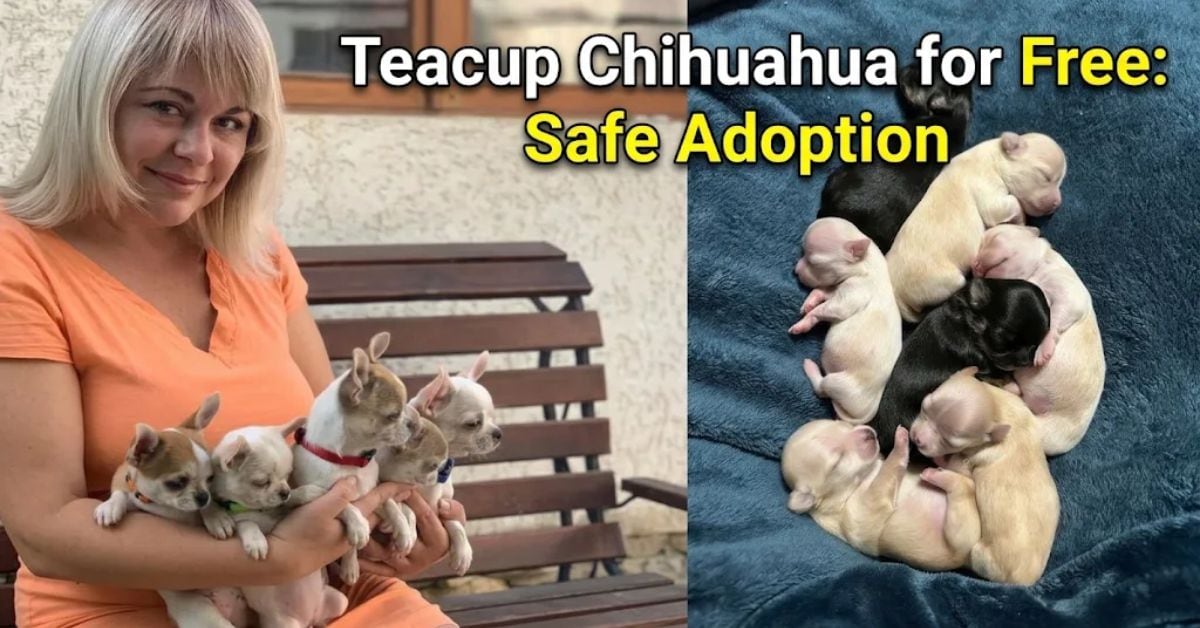
A Teacup Chihuahua for free may be available through an owner who needs to rehome a dog, an animal shelter, or a rescue organization.
However, free puppies are not always easy to find. Verify the dog’s health records, ownership, age, and living conditions before adopting. Never pay suspicious deposits or transportation charges.
Author Information
Author: Gulnaz Malik
Role: Publisher & Pet Care Expert
Experience: 5+ Years in Dog Care & Dog Grooming
Content Approach: Veterinary-reviewed content approach based on trusted canine care resources and practical pet care experience.
Introduction
Finding a Teacup Chihuahua for free can sound like an exciting opportunity for anyone who loves small dogs. These little companions attract attention because of their tiny bodies, expressive eyes, playful personalities, and strong attachment to their families.
Many people search online for free Teacup Chihuahua puppies because they want a loving pet without paying a high purchase price. Others want to rescue a dog that needs a new home. Both goals can be understandable, but finding the right dog requires patience and careful research.
Before searching, you should understand something important. A Teacup Chihuahua is not an officially recognized Chihuahua variety. The word teacup is an informal label that sellers often use for unusually small dogs. Some extremely small puppies may also need extra veterinary attention.
What Does Teacup Chihuahua for Free Actually Mean?
The search phrase teacup chihuahua for free usually describes someone looking for a very small Chihuahua without paying a purchase price. However, this search can represent several different situations.
Some people want a puppy that an owner cannot keep. Others are interested in adopting a Chihuahua from a rescue organization. Some may simply want a small companion dog without spending money on a breeder.
These situations are different, and understanding them helps you make a safer decision.
A free Chihuahua usually comes from an owner who needs to find another home for the dog. Common reasons include moving to a different location, financial difficulties, changes in family circumstances, allergies, or an inability to provide enough time and attention.
Sometimes, a rescue organization may offer reduced adoption fees during special campaigns. However, reputable organizations often charge a fee to support vaccinations, medical treatment, food, shelter, and other expenses.
Is a Teacup Chihuahua an official breed?
No. The term teacup does not describe a separate Chihuahua breed or officially recognized size variety.
The American Kennel Club recognizes the Chihuahua as a toy breed. Its breed standard describes a dog weighing no more than six pounds. It recognizes smooth-coat and long-coat varieties rather than a separate teacup category. You can read the official AKC Chihuahua breed standard for more information.
The Chihuahua Club of America also explains that labels such as teacup, pocket size, and miniature are not official breed classifications.
This distinction matters because some sellers use the teacup label to make puppies appear rare or more valuable. A very small dog is not automatically healthier, better behaved, or more suitable for adoption.
When searching for a free Chihuahua, focus on the individual dog’s health, personality, and needs rather than its advertised size.
A healthy adult Chihuahua may be a better choice than an extremely tiny puppy that needs intensive medical care.
Where Can You Find a Teacup Chihuahua for Free?
Finding a free Chihuahua requires patience. You may discover a dog through a private owner, a local rescue group, or someone in your community who cannot continue caring for their pet.
The best approach is to search through several trustworthy channels instead of relying on one online advertisement.
Local animal shelters
Animal shelters sometimes receive Chihuahuas and Chihuahua mixes that need permanent homes. Contact nearby shelters and ask whether they have small dogs available for adoption.
Explain that you are interested in a Chihuahua, including adult dogs and mixed breeds. This gives you more opportunities to find a suitable companion.
Some shelters have reduced-fee adoption events. Others may offer assistance to people who meet specific requirements.
Chihuahua rescue organizations
Breed-specific rescue groups focus on helping Chihuahuas that need new homes. They may care for abandoned dogs, surrendered pets, and animals rescued from unsafe environments.
Ask whether the organization has foster dogs available. Foster families can often explain a dog’s behavior, eating habits, and comfort around people.
Veterinary clinics
Local veterinary clinics sometimes hear about owners who need to rehome their pets. A veterinarian may know about a Chihuahua whose family is searching for a responsible adopter.
You can leave your contact information and explain the type of dog you can care for.
Community networks
Friends, relatives, neighbors, and local animal welfare groups can also help.
A private rehoming situation may allow you to meet the current owner, understand the dog’s history, and discuss its daily needs before making a decision.
The ASPCA recommends exploring responsible adoption and rescue options when bringing a pet into your home. Its pet adoption guidance explains how to approach the adoption process and understand possible fees.
Remember that a free listing does not guarantee a healthy dog or a trustworthy owner. Always verify the information before accepting a pet.
How to Find Free Chihuahua Puppies Through Safe Rehoming

Safe rehoming means transferring a dog from its current owner to someone who can provide a suitable home.
This option can work well when a family can no longer care for its Chihuahua. However, you should never rush simply because someone advertises a free puppy.
An adult Chihuahua may be easier to evaluate than a very young puppy. You can observe its temperament, activity level, eating habits, and response to people.
A puppy may need more frequent feeding, house training, vaccination appointments, and close supervision.
Before agreeing to take a dog, arrange a meeting with the current owner. Whenever possible, meet the dog in the environment where it normally lives.
Ask the owner why they need to rehome the Chihuahua. Their explanation should be clear and consistent.
Request available veterinary records, vaccination information, parasite treatment history, and details about previous illnesses.
If the owner has a microchip or registration document, ask how the identification information will be transferred.
Questions to Ask Before Accepting a Free Chihuahua
Use these questions to understand the dog’s background:
- How old is the Chihuahua?
- Is the dog vaccinated?
- Has a veterinarian examined it recently?
- Does it have any known health conditions?
- What food does it currently eat?
- Is it comfortable around children?
- Does it get along with other dogs?
- Has it received basic house training?
- Why does the current owner need to rehome it?
- Are medical records and ownership documents available?
A responsible owner should welcome reasonable questions.
If someone refuses to show the dog, avoids discussing its health, or pressures you to make an immediate decision, stop the process.
Important: Never accept a puppy that appears seriously ill simply because the owner offers it for free. Arrange a veterinary assessment before making a final commitment.
How to Avoid Free Teacup Chihuahua Scams
Online advertisements can make finding a free puppy seem simple. Unfortunately, some people use attractive photographs and emotional stories to trick potential adopters.
A common scam begins with an advertisement claiming that a beautiful Teacup Chihuahua needs a new home immediately.
The person may say that the puppy is free but requires payment for delivery, insurance, a special travel crate, or paperwork.
After receiving money, the advertiser may disappear or demand additional payments.
The ASPCA warns about deceptive online puppy sales and the risks of supporting irresponsible sellers. Its online puppy safety guidance explains why buyers and adopters should be cautious.
Common Warning Signs
| Warning Sign | What You Should Do |
| Seller refuses an in-person meeting | Do not continue without verification |
| Requests advance shipping money | Avoid sending payment |
| Uses copied puppy photographs | Request a live video and direct meeting |
| Demands urgent decisions | Take time to investigate |
| Refuses veterinary records | Ask for independent verification |
| Advertises many free puppies | Investigate the source carefully |
Never send money through gift cards, cryptocurrency, or irreversible payment methods to someone you have not verified.
A legitimate adoption arrangement should not depend on pressure or secrecy.
If the person claims to represent a rescue organization, independently find its official contact details. Contact the organization directly rather than relying only on the information supplied in an advertisement.
Also remember that a genuine rehoming situation may involve reasonable adoption conditions. A screening process does not automatically indicate a scam.
Your goal should be to confirm that the dog exists, the person has the right to transfer ownership, and the animal receives appropriate care. This guide explains how to find a Chihuahua through safe adoption and responsible rehoming. You will learn where to search, how to identify trustworthy owners, what questions to ask, and how to recognize online pet scams.
Most importantly, you will discover why adopting a healthy dog matters more than finding the smallest or cheapest puppy. A loving home, proper veterinary care, and responsible ownership are what make a Chihuahua a wonderful companion.
Health Problems to Understand Before Adopting a Teacup Chihuahua
Health should always come before appearance when adopting a very small Chihuahua.
Some unusually small dogs may have a higher risk of health problems, especially when breeders select parents mainly for extreme size. However, being small does not mean every Chihuahua will develop a medical condition.
A veterinarian should assess each dog individually.
Hypoglycemia (low blood sugar)
Tiny puppies can develop low blood sugar, so monitor their energy and feeding habits carefully.
Warning signs include weakness, unusual sleepiness, shaking, poor coordination, and seizures.
A puppy with these symptoms needs urgent veterinary attention. Never treat serious health symptoms with home remedies instead of veterinary care.
Patellar luxation
This condition occurs when the kneecap moves out of its normal position. Your Chihuahua may skip while walking, hold up one back leg, or show discomfort.
A veterinarian can assess the severity and recommend suitable treatment.
Dental disease
Chihuahuas have small mouths, and their teeth can become crowded. Plaque and tartar may develop without regular dental care.
Maintain dental hygiene by brushing your dog’s teeth with dog-safe toothpaste.
Heart conditions
Some Chihuahuas develop heart problems. Signs such as coughing, breathing difficulty, fainting, or reduced activity need veterinary assessment.
Bone injuries
A very small dog can suffer injuries after jumping from furniture, falling from a bed, or playing roughly with larger animals.
Use ramps, supervise interactions, and prevent access to dangerous heights.
Tracheal problems
Tracheal collapse can affect small dogs and cause a persistent honking cough or breathing difficulty. Use a properly fitted harness instead of putting pressure on the neck.
A new owner should arrange a veterinary examination soon after adoption, even when the Chihuahua appears healthy.
10. How to Prepare Your Home for a Free Chihuahua
Bringing home a free Chihuahua is only the beginning of responsible ownership.
Your new companion needs a comfortable sleeping area, suitable food, clean water, safe toys, and a peaceful environment.
Start by preparing one quiet room where the dog can become familiar with its surroundings. Avoid introducing too many people, pets, or unfamiliar activities on the first day.
Create a safe sleeping space
Choose a small, comfortable dog bed in a warm area. Keep it away from cold floors, strong air conditioning, and busy walkways.
A soft blanket can help your Chihuahua feel comfortable. However, remove damaged bedding that could become a choking hazard.
Protect your dog from falls
Very small Chihuahuas can injure themselves when jumping from sofas, beds, or chairs.
Use pet stairs or ramps where appropriate. Block unsafe staircases and avoid leaving your dog unattended on elevated surfaces.
Choose suitable feeding equipment
Use shallow bowls that allow your dog to eat and drink comfortably.
Provide fresh water throughout the day. Select a complete and balanced dog food that matches your Chihuahua’s age and nutritional needs.
Do not assume that every tiny dog needs the same amount of food. Feed puppies smaller, more frequent meals according to veterinary advice.
Introduce family members carefully
Explain to children that a small dog needs gentle handling.
Never allow children to pick up a Chihuahua without supervision. Teach them not to pull its ears, tail, or legs.
If you already have other pets, introduce them slowly. Give each animal enough space and separate feeding areas.
Prepare for veterinary expenses
A free dog still requires financial support.
Before adopting, consider the cost of vaccinations, parasite prevention, food, grooming supplies, identification, dental care, and unexpected illness.
If you cannot afford emergency treatment, consider whether you are financially ready to adopt.
Feeding, Grooming, and Daily Care Schedule

A free Teacup Chihuahua needs the same basic care as any other Chihuahua. However, an unusually small or medically fragile dog may need additional monitoring.
Nutrition should match the dog’s age, body condition, activity level, and health.
Select nutritious dog food that meets your Chihuahua’s age and dietary needs. Small-breed kibble may make chewing easier, but the exact food should suit the individual dog.
Puppies often need more frequent meals than adults. Very small puppies may be at greater risk of hypoglycemia, so ask your veterinarian for an appropriate feeding schedule.
Do not assume that feeding every Chihuahua two or three times daily is always sufficient. Medical history and age matter.
Grooming needs depend on coat type. Smooth-coat Chihuahuas generally need less brushing, while long-coat dogs need more frequent attention to prevent tangles.
Dental hygiene deserves daily attention. Use a dog toothbrush and veterinary-approved toothpaste. Never use ordinary human toothpaste.
Nail trimming also matters because overgrown nails can affect movement and comfort.
Weekly Chihuahua Care Schedule
| Day | Care Activity | What to Check |
| Monday | Coat brushing | Loose hair and skin |
| Tuesday | Dental care | Teeth and gums |
| Wednesday | Nail inspection | Nail length |
| Thursday | Ear and eye check | Redness or discharge |
| Friday | Coat and skin check | Itching or irritation |
| Saturday | Training and play | Behavior and activity |
| Sunday | Weekly health review | Appetite and body condition |
Use this schedule as a starting point. Daily feeding, fresh water, toilet breaks, exercise, and general observation remain essential.
Daily Care Checklist
- Provide fresh drinking water.
- Serve measured, suitable meals.
- Check appetite and energy.
- Provide safe indoor play or short walks.
- Keep the sleeping area clean.
- Check for unusual coughing or breathing.
- Give gentle attention and companionship.
- Follow the veterinarian’s medication instructions, if applicable.
Follow a regular daily routine to help your Chihuahua feel safe and comfortable.
Training, Socialization, and Building a Strong Bond
A Chihuahua rhajdaf through z orvxzn may already have some training. Another dog may need to learn basic household rules from the beginning.
Start with patience rather than expecting immediate results.
Give your Chihuahua time to understand its new environment. Moving to another home can create stress, especially when the dog has experienced separation from its previous owner.
Use positive reinforcement to teach useful behaviors. Reward your Chihuahua with gentle praise, healthy treats, and affection for good behavior.
Teach basic commands such as sit, stay, come, and leave it.
House training requires consistency. Take your dog to the same toilet area after waking, eating, playing, and sleeping. Reward successful behavior immediately.
Avoid punishment for accidents. Clean the area properly and continue with the routine.
Socialization is also important. Juztzuiiq lcbncfzvr your Chihuahua to new people, sounds, surfaces, and calm dogs.
Do not force interactions. A frightened dog may bark, hide, or become defensive when it feels unsafe.
Teach children to respect the dog’s resting space. Allow the Chihuahua to approach family members when it feels comfortable.
Short training sessions work better than long lessons. Five minutes of focused practice several times a day can help build confidence.
Remember that small dogs need training just like large dogs. Their size does not make barking, snapping, or poor leash behavior harmless.
A strong relationship develops through trust, routine, gentle handling, and consistent care.
If your newly adopted Chihuahua shows severe fear, aggression, or separation distress, speak with a qualified veterinary professional or reward-based dog trainer.
Is a Free Teacup Chihuahua Right for Your Family?
A Chihuahua can become a wonderful family companion, but not every household is suitable for an extremely small dog.
Before adopting, consider your daily routine, available time, household members, and ability to provide veterinary care.
Families with young children
Very small Chihuahuas can be vulnerable to accidental injuries. A young child may unintentionally drop the dog or handle it too roughly.
Families with older, gentle children may find it easier to establish safe boundaries.
Apartment residents
Chihuahuas can adapt well to apartment living. They do not require a large garden, but they still need exercise, toilet breaks, playtime, and mental stimulation.
People who work long hours
A Chihuahua needs companionship and regular attention. Leaving a newly adopted dog alone for extended periods can create stress.
If you work outside the home, arrange suitable supervision and a gradual adjustment routine.
First-time dog owners
A Chihuahua can suit a first-time owner who is willing to learn about small-dog care.
However, an unusually tiny dog may require more careful handling and closer health monitoring.
Learn about normal Chihuahua characteristics before deciding whether the breed matches your lifestyle.
You can also explore the Fluffy Chihuahua grooming and care guide to understand how coat type affects everyday maintenance.
Homes with other pets
A Chihuahua can live with other animals when introductions happen carefully. However, large dogs may accidentally injure a tiny companion during rough play.
Supervise interactions and provide separate resting areas.
If you are open to a Chihuahua mix, consider learning about the Pekingese Chihuahua Mix and Jack Russell and Chihuahua Mix. These dogs have different physical traits and care requirements.
The right dog is one whose needs fit your home, not simply the one with the smallest body.
Common Mistakes to Avoid When Adopting a Free Chihuahua
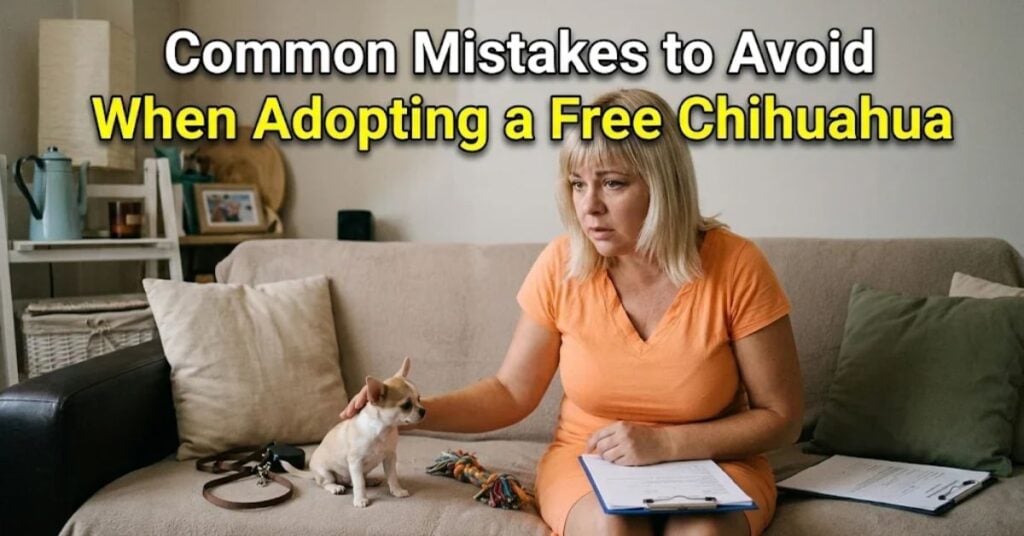
Searching for a free Chihuahua can become stressful when you see many advertisements and different adoption offers.
Avoid making a quick decision based on an attractive photograph or an emotional story.
One common mistake is choosing a puppy only because someone describes it as extremely tiny. Size should never be more important than health.
Another mistake is assuming that a free dog will cost nothing after adoption. Veterinary examinations, food, vaccinations, parasite prevention, grooming, and emergency treatment all require money.
Some people also forget to ask about the dog’s previous medical history. This information helps your veterinarian understand existing conditions and plan appropriate care.
Avoid accepting a puppy that is too young to leave its mother. Puppies need appropriate development, nutrition, and social learning before moving into a new home. Ask a veterinarian to assess age and readiness.
Never purchase medication without veterinary guidance. Small dogs can be especially sensitive to incorrect doses.
You should also avoid changing food suddenly. If the previous owner provides information about the dog’s diet, discuss a gradual transition with your veterinarian.
Another mistake is allowing rough play with children or larger pets. A Chihuahua’s small body needs protection.
Finally, do not ignore unusual symptoms because you believe the dog is simply nervous after moving. Persistent vomiting, breathing difficulty, collapse, seizures, severe weakness, and other serious symptoms need prompt veterinary attention.
Responsible adoption starts with realistic expectations. Taking time to check the dog, understand its needs, and prepare your home can prevent many avoidable problems.
Conclusion
Finding a Teacup Chihuahua for free may be possible through responsible rehoming, local animal shelters, veterinary clinics, and Chihuahua rescue organizations. However, the search should never become more important than the dog’s health and safety.
Remember that teacup is an informal size label, not an officially recognized Chihuahua variety. An unusually small dog may need extra attention, careful handling, and regular veterinary examinations.
Before accepting a Chihuahua, meet the current owner, inspect the dog’s living conditions, request medical records, and confirm ownership. Avoid suspicious advertisements that demand advance transportation payments or create pressure to make an immediate decision.
You should also prepare your home, choose appropriate food, establish a daily routine, and arrange a veterinary checkup.
Most importantly, consider the long-term responsibility of caring for a dog. Even when adoption costs nothing, providing a healthy and comfortable life requires time, patience, and financial planning.
A rescued Chihuahua does not need to be the smallest puppy or the most beautiful dog to become a wonderful companion.
Give the right dog a safe home, gentle care, and genuine affection. Your kindness can make a lasting difference in its life.
Frequently Asked Questions
1. Can I get a Teacup Chihuahua for free?
Yes, some owners rehome Chihuahuas without an adoption fee.
2. Where can I find a free Teacup Chihuahua?
Check local shelters, rescue groups, and trusted adoption networks.
3. Are Teacup Chihuahuas real breeds?
No, teacup is an informal term for unusually small Chihuahuas.
4. Are Teacup Chihuahuas healthy?
Some are healthy, but very small dogs may have extra health risks.
5. Do free Chihuahuas need veterinary care?
Yes, they need vaccinations, checkups, proper food, and regular care.